1 4

日本刀的制作方法:堺传统

视频提供:日本传统工艺青山广场 (YOUTUBE)

  • 新闻速递(2025年11月19日)——美国对日本刀具的关税更新

  • 一位美国客户报告称,根据扩大后的 232 条款措施,其一批日本刀具被征收了50% 的关税

    此前,800 美元的最低限额豁免将于 2025 年 8 月 29 日结束。

    虽然 KIREAJI 无法影响海关的决定,但我们会继续分享经过核实的最新信息,以帮助客户做出明智的选择。

  • 每一把刀都承载着一个故事。我们从倾听开始。

    KIREAJI 最初只有100 把刀——而这背后又承载着 100 条生命。

    2020年,疫情导致我的线下课程停课,我开始帮朋友们磨刀。
    一把刀变成了十把。
    十变成了五十。
    到年底,我经手的刀具已经超过一百把。

    每一把刀都诉说着一个静悄悄的故事。
    经年累月饮食磨砺,边缘变得柔和。
    被无数双手磨得光滑的脊背。
    不是机器打磨,而是时间磨砺而成的把手。

    每次我归还刀具时,都会听到同样的问题:

    “哪里可以找到一把真正优秀的日本刀?”

    这个问题——以及那百把刀所承载的故事——成为了KIREAJI 的开端。

    我们的故事 
  • 如何——我们如何保护真正的日本工艺

  • 出自匠人之手,直达您心。

    为了纪念这些故事,我们选择了一条道路:
    直接与工匠们一起工作。

    我们与位于日本堺市的Shiroyama Knife Workshop建立了合作关系——
    这座城市的刀具受到日本98%专业厨师的信赖。

    数据来源(98%准确率):堺市观光局 
  • 每把刀具都通过堺市传统的劳动分工系统打造而成:一位匠人负责锻造,另一位负责研磨,还有一位负责制作刀柄。

  • 每一把 KIREAJI 刀具都是通过堺市历史悠久的分工体系制造出来的:
    一位师傅负责锻造,一位师傅负责磨刃,一位师傅负责制作刀柄。

    城山刀具工作坊 
  • 我们也选择不花钱做广告。
    相反,所有可能的资源都会返回到两个真正重要的地方
    打造这些刀具的工匠们,
    以及选择使用它们的人。

    通过日本刀具学院
    我们分享知识,让世界各地的人们能够了解——而不仅仅是购买——真正的日本刀。

    日本刀学院 
  • 因为我们相信最有效的营销方式不是广告
    但是信任、理解,以及每天使用我们刀具烹饪的人们的声音

    日本刀学院 

  • 内容 — 您从 KIREAJI 获得什么

  • 非批量生产。专为您定制。

    KIREAJI刀具并非批量生产
    您下单后即可完成。

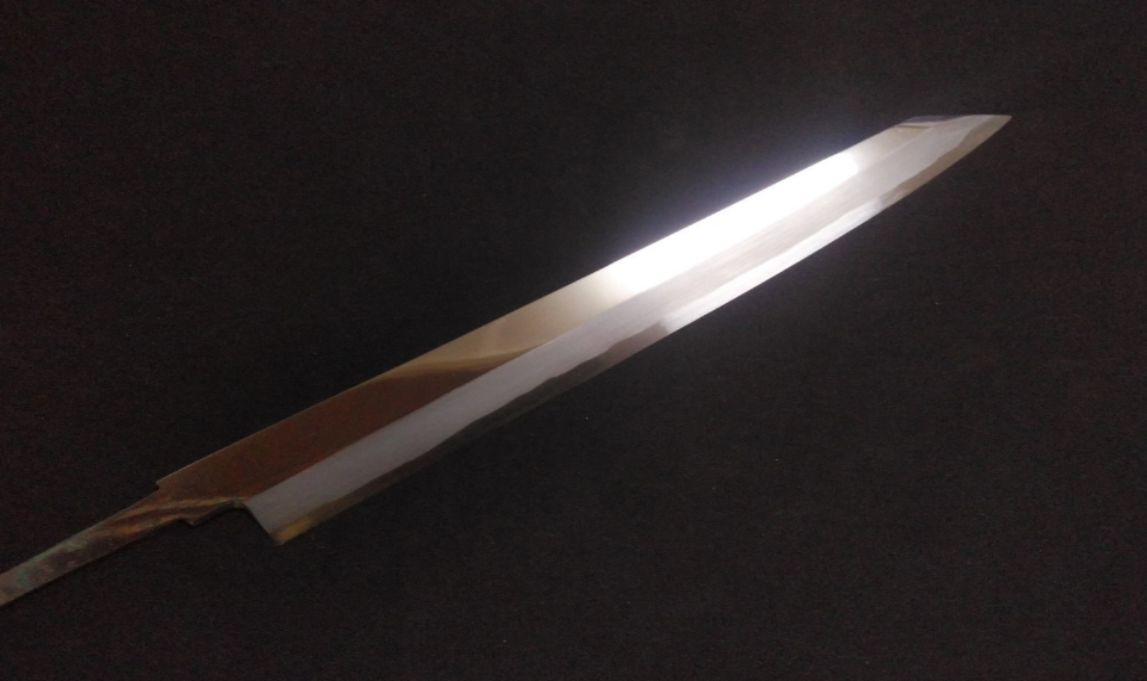
    每个刀柄都是手工装配的,如有需要,刀刃还会进行本刃付(Honbazuke )处理。
    技艺精湛的工匠进行最后的手工打磨。

    定制日本刀 
  • 这与日本顶级专业厨房所采用的工艺水平相同——
    98%的人信赖的品质。

    为什么98%的日本厨师都使用堺产的刀具? 
  • 您收到的不只是一把刀。
    您收到的是一件活的传统——经久耐用,代代相传。

堺文化財団

非凡的日本刀具,凝聚堺市工艺的最高水平。

这件罕见的文化杰作,由匠人大师手工锻造、磨砺而成,并被选定为2026年6月日本全国寿司大赛的冠军奖品。
KIREAJI独家发售。

堺文化財団

客户心声

全球客户通过验证评论分享了他们使用 KIREAJI 的经验。

阅读客户体验

如何接收新刀具更新

您可以通过在页面底部的页脚注册您的电子邮件地址来接收新刀具的更新信息。

KIREAJI 对您的三个承诺

  • 不仅仅是一把刀——每一次切割都蕴含着承诺。

    在 KIREAJI,每一把刀片都源自数百年的 Sakai 工艺,旨在为您服务一生。
    以下是我们对每一位选择 KIREAJI 的厨师的三项承诺。

1. 卓越的日本刀

我们的刀具由堺市的工匠精心制作,将传统技术与精心挑选的材料相结合,具有无与伦比的锋利度和耐用性。

堺市传统工艺人收藏品

2. 终身使用

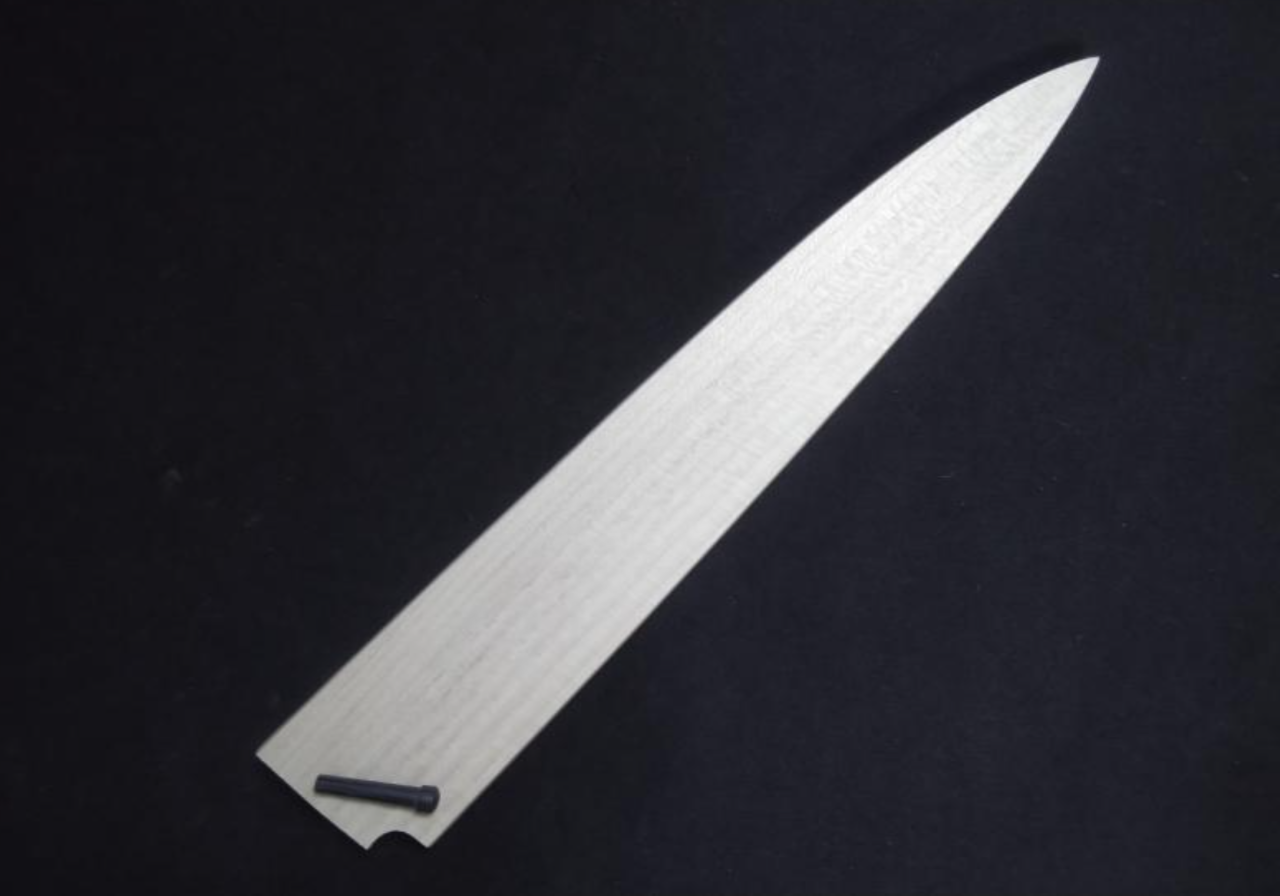
每把刀都配有木制刀鞘,方便安全存放和使用。如果您有需要,我们还提供专业的手工磨刀服务(本刃付),让您的刀从第一天起即可使用。

购买日本刀即可享受免费特别服务

3. 支持持续使用的乐趣

KIREAJI 刀具是伴随您成长的工具。我们提供付费售后服务,确保您的刀具在未来数年内始终是您厨房里值得信赖的伙伴。

售后服务
  • 你在 KIREAJI 刀中看到的,仅仅是一个更深层次故事的冰山一角。

    每把刀刃背后都隐藏着三个基础——
    在它到达你手中之前,那些无声的力量早已塑造了它的力量、平衡和灵魂

    首先是堺市的工匠们,他们花费数十年时间来精进技艺。
    其次,还有看不见的工序——超过 30 个细致的步骤——赋予每把刀锋利度和使用寿命。
    第三,我们致力于提供公平、诚实的价值,确保质量绝不妥协。

    这些基础可能是看不见的。
    但它们正是让每一把 KIREAJI 刀在你手中都充满生命力的原因。

1. 始于人——致敬堺市的工匠

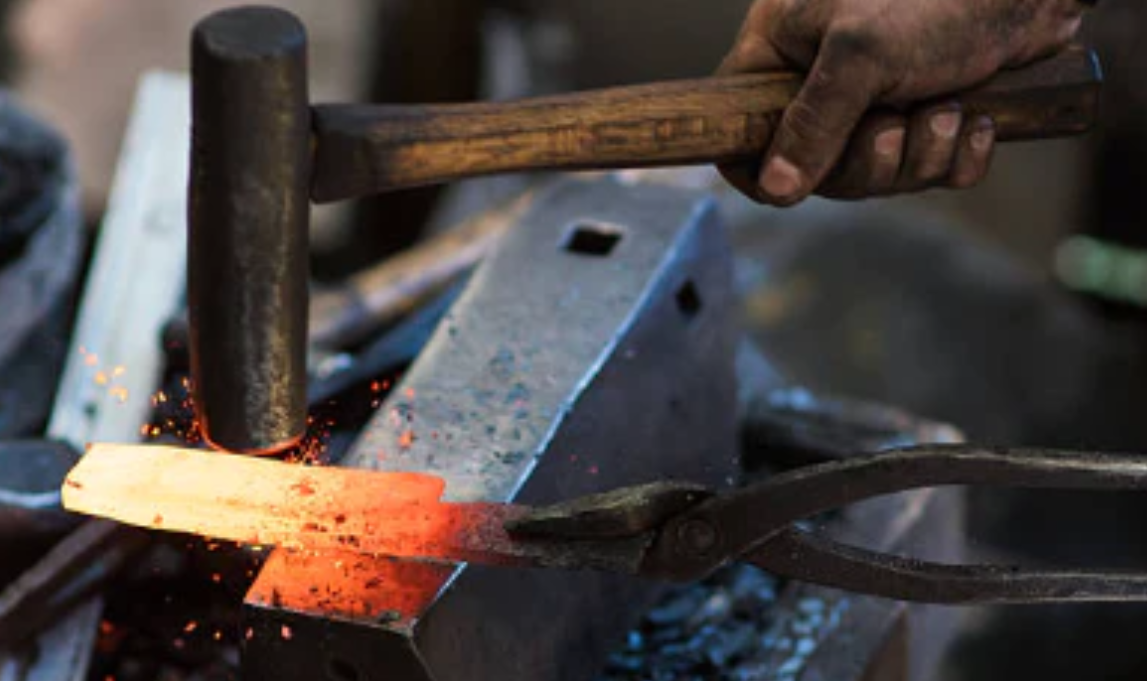
  • 锻造过程中,高温钢经过锤击和塑形,形成刀具的基本形状。随后的淬火过程涉及精确的温度控制,加热刀具并快速冷却,以实现硬度和韧性的完美平衡。

  • 山塚翔吾

    日本刀 银山工艺

    他从父亲那里学到了防锈银山锻造技术,并在此基础上不断提高自己的技能。

    山塚翔吾 
  • 中川聪

    史上最年轻的传统工艺师

    他受到日本和西方顶级厨师的追捧,并在支持该行业方面发挥着关键作用。

    中川聪 
  • 土井敬二郎

    大师的传承

    他的刀具现在已不再生产,因此极其珍贵。

    土井敬二郎 
  • 榎波正

    日本刀具融合传统与创新

    江波刀具工房是堺市一家拥有600多年历史的铁匠铺。

    榎波正 
  • 宥山

    日本刀的传奇传统工匠:传统工匠山塚翔吾之父

    友山是本烧中,专门制作水烧的工匠。

    宥山 
  • 白木健一

    堺市锻造刀具大师

    这位备受尊敬的传统工匠,以其精湛的堺市锻造技艺而闻名。退休后,他制作的刀具已成为珍品。他唯一的徒弟中川聪(Satoshi Nakagawa)通过中川刀具(Nakagawa Cutlery)传承着他的技艺。

    白木健一 
  • 池田達夫

    工匠大师的刀具体现了技艺和热情
    作为拥有110多年历史的家族企业池田刀具制作所的第三代掌门人,他致力于保护和传承传统技术,并将其传承到现代。

    池田達夫 
  • 池田义一

    传承传统,塑造未来的大师

    1967 年在父亲的指导下开始锻造,并于 1983 年与他人共同创立了池田锻练所。1988 年获得传统工匠认证,2014 年荣获大阪杰出工匠奖。他始终致力于保护和传承堺市的传统。

    池田義和 
  • 日本刀镜面抛光大师

    因其在日本刀上的镜面抛光技术而在堺市闻名。

    山塚忠义 
  • 堺刀具的工艺与美感

    感受堺市的传统和无与伦比的工艺,这把刀是由拥有 60 多年奉献精神的工匠大师野村正太郎精心打磨的。

    野村章太郎 
  • 山塚光男

    他于 1999 年被认证为传统工艺师,以其卓越的霞研磨、镜面研磨和传统单刃研磨技术而闻名。五十多年来,山塚光男在每把刀具中都追求锋利度、美观性和和谐感的理想平衡。

    山冢光男 
  • 土佐弘次

    土佐博次于1990年被认证为传统工艺师,他专精于为专业厨师提供本烧研磨和镜面抛光服务。土佐博次以其对细节一丝不苟的关注和对使用者的高度尊重而闻名,他毕生致力于精进制刀技艺,其作品体现了堺市工匠精神的精髓。

    土佐博嗣 

2. 工艺的延续——边缘背后的隐藏工艺

  • 您的刀经过了哪些制作工序?

  • 白钢 #2

    精准度由您掌控
    白钢2号刀片采用超纯碳钢制成,轻松打造锋利刃口。这款刀片易于打磨和保养,非常适合那些要求每一片都精准无误、注重日常工作控制的厨师。

    白钢 #2 
  • 白钢#1

    精英厨师的终极优势
    这款优质钢材的碳含量和锋利度保持性比白钢2号更高,带来无与伦比的锋利度和干净利落的切割体验。对于追求极致切割精准度和灵敏性的厨师来说,这款钢材是您的不二之选。

    白钢#1 
  • 蓝钢 #2

    持久锋利,值得信赖
    蓝钢2号采用钨和铬合金,在保持锋利度的同时提升耐磨性。它能保持更长时间的锋利,日常使用也安心无虞——对于需要可靠工具的辛勤厨师来说,是理想之选。

    蓝钢 #2 
  • 蓝钢 #1

    持久力量,巅峰表现
    最高等级的蓝钢兼具高碳含量和增强的韧性。凭借卓越的切割性能和持久耐用性,满足专业厨房对强度和精度的要求。

    蓝钢 #1 
  • 超级钢铁(本烧)

    像武士刀一样锻造
    本烧刀采用一整块钢材精制而成,并经过精心热处理,堪称日本刀匠工艺的巅峰之作。这款在堺市手工锻造的超级钢刀,拥有无与伦比的锋利度、优雅的气质和匠心独运的工匠精神。

    超钢(本烧) 
  • ZDP189

    新一代钢材,性能无与伦比
    ZDP189 采用日立粉末冶金技术制成,是一种超硬不锈钢,具有极佳的锋利度、良好的刀刃保持力和耐腐蚀性。每把刀都由手工打造,精准而卓越,深受全球顶级厨师和收藏家的信赖。

    ZDP189  
  • 银山

    兼具碳钢的锋利和不锈钢的轻盈
    日立研发的银山钢,兼具碳钢的锋利锋利和不锈钢的便捷性。这些刀片由山塚翔吾等工匠精心打造,兼具锋利度、耐用性和抗碎裂性,是日常烹饪的理想之选,让您安心无虞。

    银三 

3. 工匠品质,诚实价格——我们对您的承诺

  • 我们的座右铭是“提高质量,降低成本”。

  • When we decided to bring Japanese knives to kitchens around the world, the first question we asked was not "which knives should we sell?"

    It was something far more fundamental:

    What does it truly mean to offer a genuine Japanese knife?

    When we followed that question honestly — without compromise — every path led to one place.

    Sakai.

    Not because it is famous — though it is.
    Not because it makes for a compelling story — though it does.
    But because when you trace Japanese knife-making to its most serious, most refined, and most uncompromising expression, you arrive in a city south of Osaka that has devoted itself to this craft for more than six centuries.

    According to the Sakai Tourism Bureau, 98% of professional chefs in Japan use knives from Sakai.
    That is not marketing language. It is the collective judgment of professionals whose livelihoods depend entirely on the performance of the blade in their hand.

    According to the Sakai Tourism Bureau: The “98%” Figure 
  • Professional kitchens have no room for sentiment.
    A knife earns its place there through performance alone.

    We chose Sakai because that is where the standard lives.
    Everything we do begins with that decision.

  • Six Hundred Years Is Not Heritage Marketing

    Today, many brands use words like heritage, tradition, and craftsmanship as decoration — atmosphere layered over ordinary products to suggest a depth that isn't there.

    In Sakai, six hundred years is not atmosphere. It is the explanation.

    The roots of Sakai's blade-making reach back to the fifth century, when iron tools were forged for Japan's great Kofun burial mounds. By the Edo period, the city had become renowned across Japan for tobacco knives of extraordinary sharpness — blades so exceptional that the Tokugawa shogunate granted Sakai official monopoly status.

    That reputation was not inherited. It was earned.

    And it continued to be earned, generation after generation.

    Each craftsperson in Sakai inherited more than techniques and tools. They inherited standards — a precise understanding of what a proper blade demands, and the discipline to uphold those standards even as shortcuts grew cheaper and easier.

    That is what six hundred years truly means: the time required for a standard of craft to become so deeply embedded in a place and its people that it persists across generations, economic pressures, and cultural change.

    Today, Sakai knife-making is officially recognized by the Japanese government as a Traditional Craft of Japan. But long before institutions acknowledged it, professional chefs had already done so — through daily use, under the most demanding conditions imaginable.

  • The Sakai Difference: Specialization at the Highest Level

    To understand why Sakai knives perform the way they do, you need to understand how they are made — and one structural decision that sets Sakai apart from nearly every other knife-making tradition in the world.

    In most knife production, a single craftsperson or factory line handles every stage, from raw steel to finished product. This is efficient. It scales well. But it also means that every stage is handled by a generalist.

    Sakai rejects that approach entirely.

    In Sakai, the process is divided among three dedicated specialists:

    The bladesmith forges and shapes the blade — establishing the geometry that defines everything that follows.
    The sharpener creates the cutting edge, working through a meticulous progression of whetstones with a level of micro-precision that takes decades of focused practice to develop.
    The handle maker fits, balances, and aligns the handle for lasting comfort and control.

    Three specialists. Three lifetimes of mastery. One knife.

    The sharpener is not "also" a smith. The handle maker is not "also" a sharpener. Each artisan has devoted their career to a single discipline — learning to judge an edge not only by sight, but by resistance, sound, pressure, and the way light falls on steel.

    These microscopic adjustments — made by hand, in real time, in response to the specific blade on the stone — cannot be mass-produced. They cannot be automated. They can only be learned, over decades, by a human being who has done almost nothing else.

    This is not craftsmanship as performance. It is craftsmanship as uncompromising function.

    Three Major Knife Regions in Japan 
  • Handcraft at Every Stage: What Human Control Actually Means

    Every meaningful stage of a Sakai knife remains under human control — not because tradition demands it, but because excellence does.

    Consider heat treatment. The final hardness of a blade depends on temperature, timing, steel composition, humidity, and cooling speed. These variables are too fine, too interdependent, and too responsive to the specific material at hand to be reliably managed by a fixed automated parameter.

    An experienced smith reads heated steel by color alone — and adjusts in the moment. A machine follows its settings. A master craftsperson responds to reality.

    The same principle applies at every sharpening. No two blades respond identically to the whetstone. Angle, pressure, and movement must shift constantly in response to the steel itself. The sharpener makes hundreds of micro-corrections, accumulating into a precision that defines the knife's final character.

    True sharpness is not manufactured. It is interpreted — and interpretation requires a lifetime of mastery.

    Differences Between Handcrafted Knives and Mass-Produced Factory Knives 
  • What the Cook Actually Feels

    All of this — six centuries of unbroken standards, specialized craftsmanship, and hand-controlled precision — ultimately arrives in the cook's hand as something unmistakably physical.

    A Sakai knife moves differently through food because it was made differently.

    The edge enters more cleanly. The cut feels more precise. The feedback through the hand tells you exactly what the knife is doing — and with experience, you begin to trust it completely.

    These are subtle differences until you feel them yourself.
    After that, they become impossible to ignore.

    This is why chefs in Japan's most demanding professional kitchens continue to choose Sakai — not for its story, not for its reputation, but for what happens when the blade meets the ingredient.

    The 98% figure is the accumulated preference of professionals who have tried everything and chosen this.

    A properly maintained Sakai knife can last thirty to forty years. Over that time, the blade will be sharpened many times, narrowing slightly with each session, developing a character shaped by use. And it will continue to perform — year after year — in a way that a lesser knife cannot sustain.

    A great Sakai knife does not wear out. It becomes part of a cook's life.

    Why do 98% of Japanese Chefs Use Knives from Sakai? 
  • Why Only Sakai

    People sometimes ask why we work exclusively with knives from Sakai.

    The answer is simple:

    Because we do not believe anything less represents what a Japanese knife should truly be.

    We are not trying to sell "Japanese-style knives." We are trying to bring genuine Japanese knife-making culture to kitchens around the world — to close the distance between craftspeople who have spent their lives building this standard and the cooks who deserve to benefit from it.

    We want to offer knives whose quality is real, whose origins are transparent, and whose performance can be trusted across decades of daily use.

    Sakai is where that standard exists at its most serious and most sustained:

    Six centuries of accumulated excellence.
    Specialized craftsmanship at every stage.
    Hand-finished precision that no machine can replicate.
    Government-recognized traditional artistry.
    The trust of 98% of Japan's professional chefs.

    We choose Sakai because choosing anything else would mean offering something that falls short of what the words Japanese knife should mean.

    And that is a compromise we are unwilling to make.

    Our Purpose 
1 4