Sakai Traditional Craftsman Collection: Yuzan
-
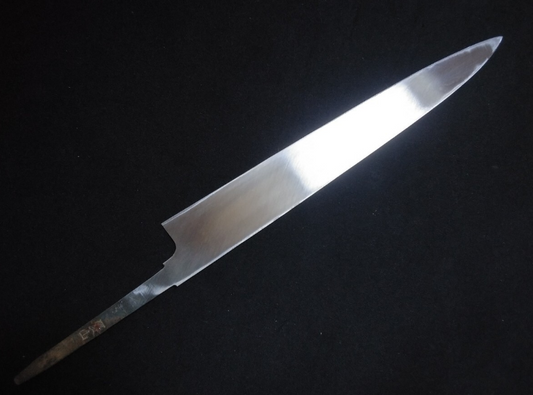
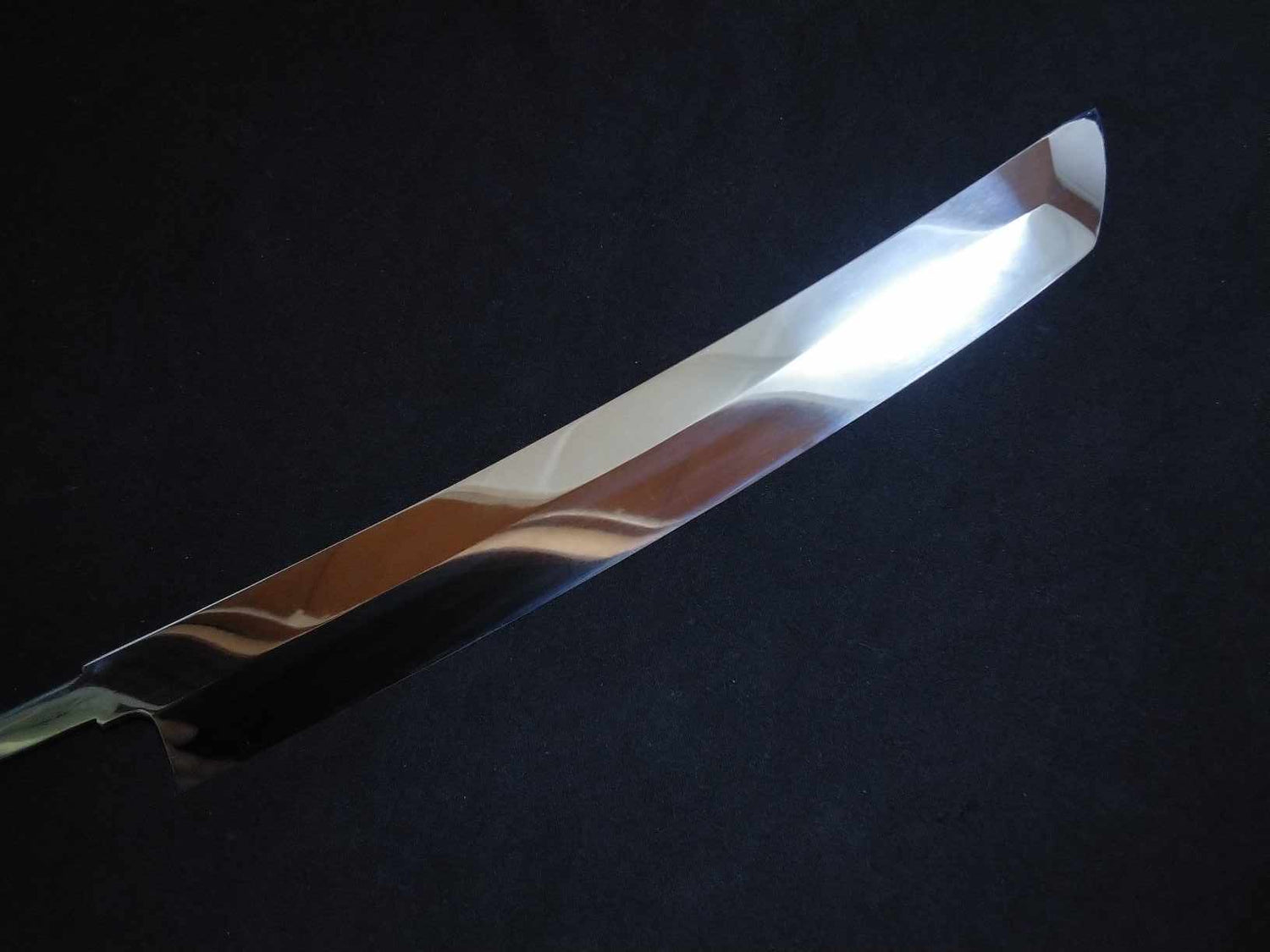
White Steel #2 (Honyaki-Mizuyaki) Yanagiba 210mm-Mirror Polished (one side)
Regular price $800.00 CADRegular priceUnit price per$800.00 CADSale price $800.00 CAD -
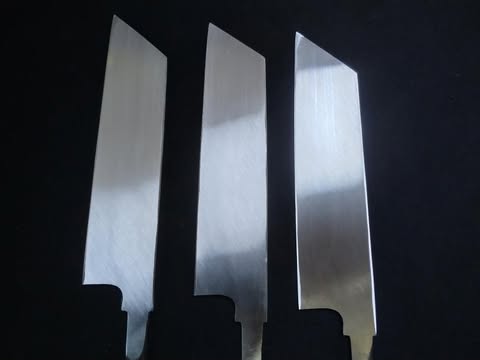
White Steel #2 (Honyaki-Mizuyaki) Mukimono 180mm-Kido Finishing
Regular price $850.00 CADRegular priceUnit price per$380.00 CADSale price $850.00 CADSold out -
Blue Steel #2 (Honyaki-Mizuyaki) Deba 180mm -Mirror Polished (one side)
Regular price $880.00 CADRegular priceUnit price per$0.00 CADSale price $880.00 CADSold out -
White Steel #2 (Honyaki-Mizuyaki) Mukimono 180mm-Mirror Polished (one side)
Regular price $930.00 CADRegular priceUnit price per$380.00 CADSale price $930.00 CAD -
White Steel #2 (Honyaki-Mizuyaki) Yanagiba (Sakimaru) 300mm-Mirror Polished (one side)
Regular price $1,000.00 CADRegular priceUnit price per$0.00 CADSale price $1,000.00 CADSold out -
White Steel #2 (Honyaki-Mizuyaki) Yanagiba (Sakimaru) 360mm-Mirror Polished (one side)
Regular price $1,300.00 CADRegular priceUnit price per -
White Steel #2 (Honyaki-Mizuyaki) Yanagiba 360mm-Mirror Polished (both sides)
Regular price $1,950.00 CADRegular priceUnit price per$380.00 CADSale price $1,950.00 CADSold out



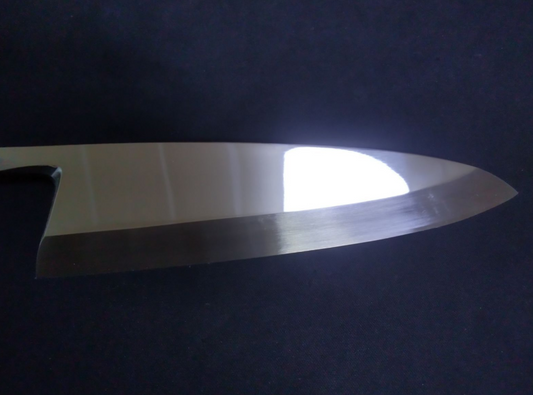


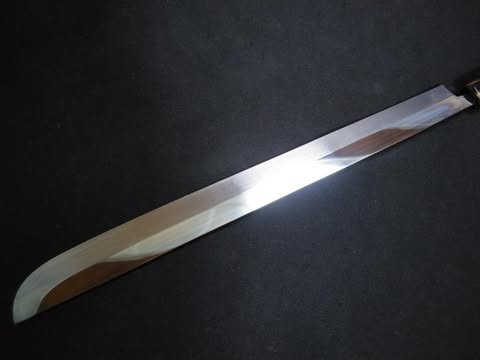

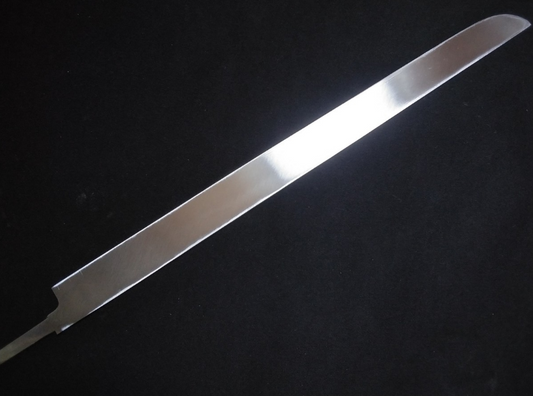

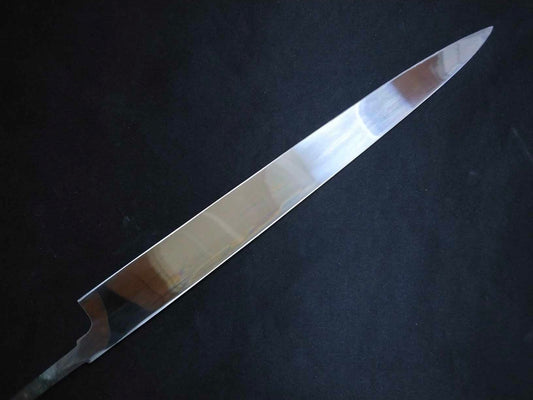
Yuzan: Legendary Master of Mizuyaki Honyaki and Father of Shogo Yamatsuka
-

A revered figure in Sakai's knife-making history, Yuzan mastered the exceptionally rare Mizuyaki Honyaki technique—a form of single-steel forging that few artisans can perform. His works were never mass-produced nor widely available, yet they remain deeply admired. Above all, he is known as the father of master craftsman Shogo Yamatsuka, passing on a legacy of purity and precision in the art of bladesmithing.

The KIREAJI Difference
KIREAJI Complimentary Services
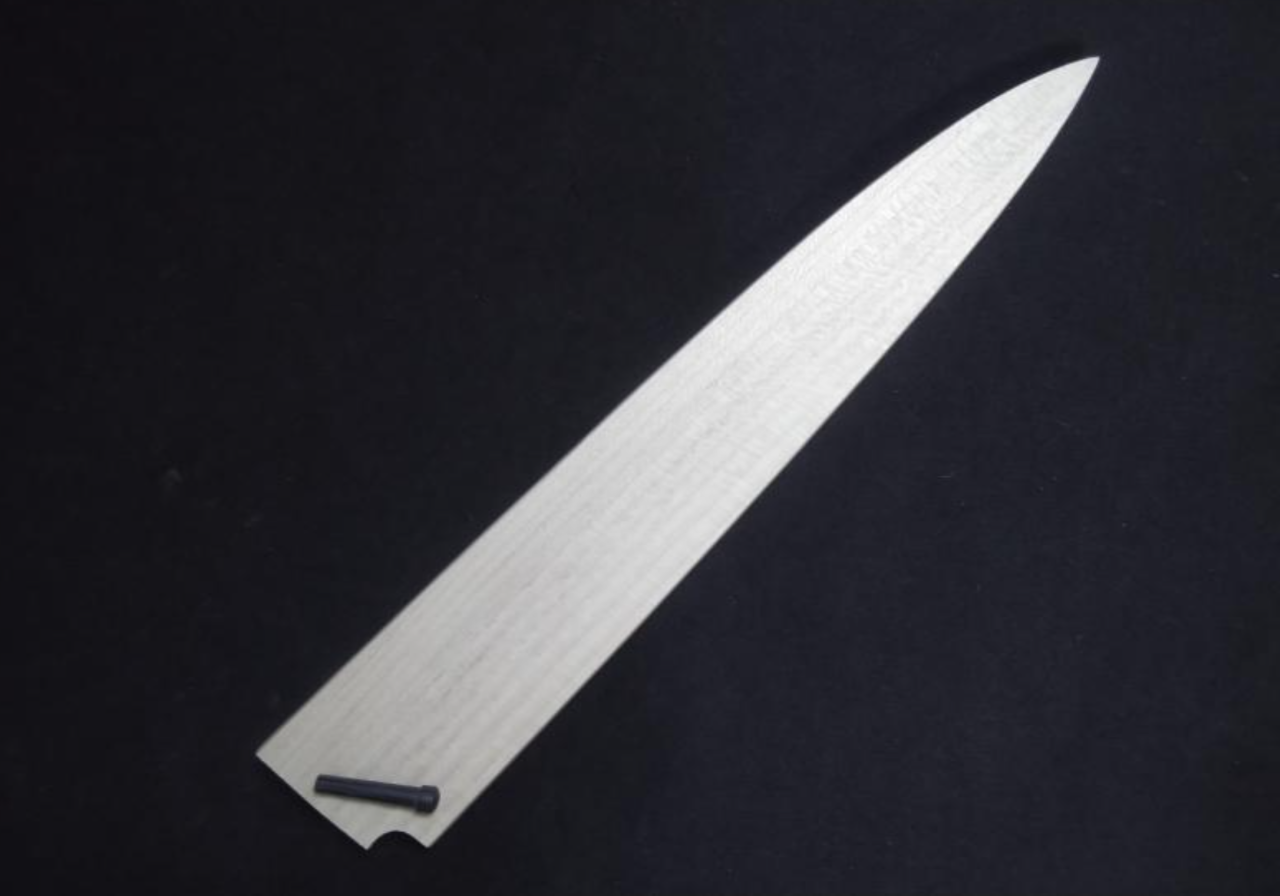
Every knife includes a magnolia wood saya, carefully selected and fitted to provide safe storage and protection. Upon request, we also provide complimentary Honbazuke, a practical initial hand-sharpening intended to prepare the knife for first use while allowing the owner to further refine the edge over time according to their own preferences.
Why Many Product Photos Show Only the Blade
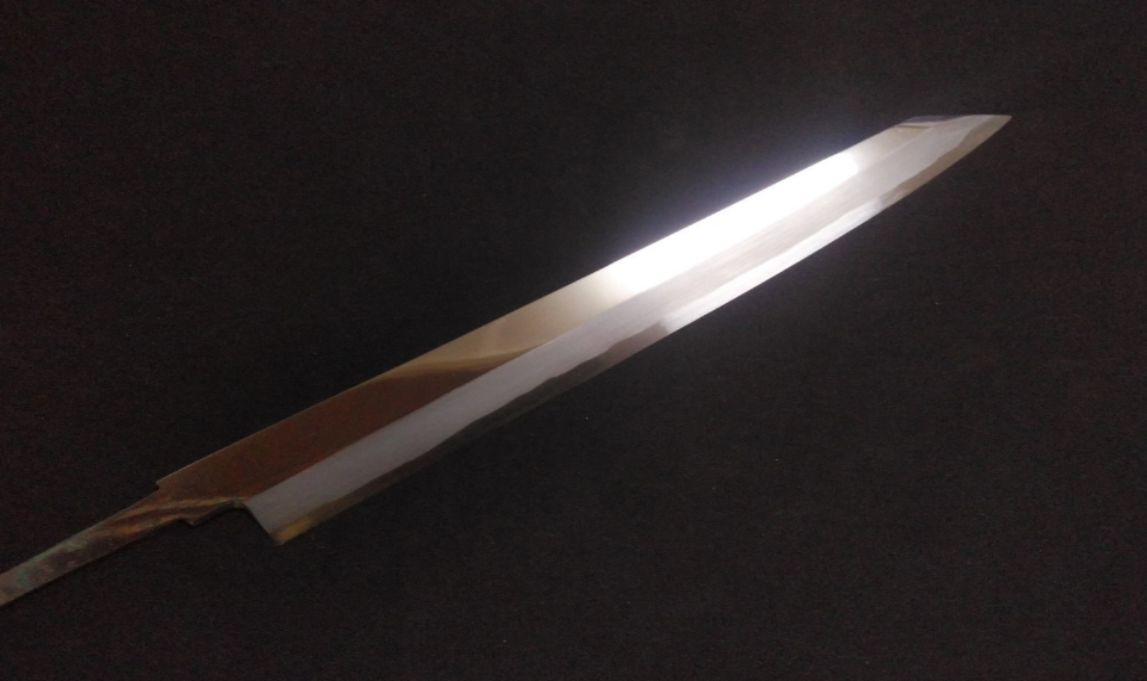
At KIREAJI, every knife is made to order in Sakai, Japan. Photos show the blade before the handle is attached, allowing artisans to perfect the balance and edge for your specific order. Your knife arrives fully finished — tailored just for you.

Global Delivery from Sakai
Across the world, discerning cooks seek authentic Japanese knives from Sakai — Japan’s legendary knife-making city with over 600 years of tradition.
At KIREAJI, we work alongside master artisans in Sakai to fulfill that desire, shipping genuine handcrafted knives directly from the workshop to kitchens worldwide.
Yuzan: Guardian of a Forgotten Art
-

Rarity and Esteem
His knives were never produced on a large scale or widely sold; instead, each piece was made for discerning users or commissioned directly, lending them nearly museum-worthy status today.
-

A Legacy Transmitted
While very little personal information is available, Yuzan's greatest contribution was the transmission of his skill and philosophy to his son, Shogo Yamatsuka, who has carried on the tradition of craftsmanship in Sakai.



Looking for a Knife by a Specific Craftsman?
Many of the most meaningful knives are found not through a catalogue, but through a conversation.
If there is a knife you have been searching for, tell us its story.
Whether you know the name of the craftsman, the type of knife, the steel, or only the feeling of what you are looking for, we would be pleased to hear from you.
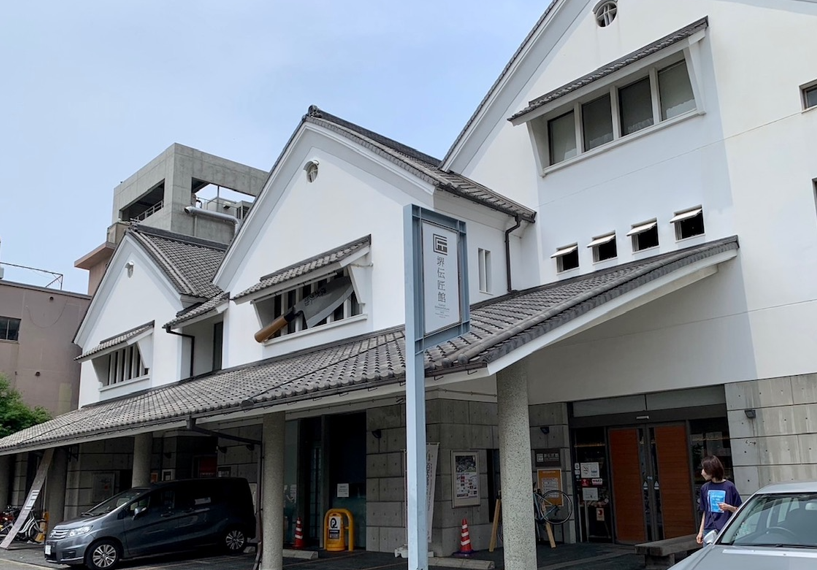
Why Do 98% of Japan’s Chefs Trust Sakai Knives?
For over 600 years, Sakai has perfected a unique craft where each stage—forge, sharpen, finish—is mastered by specialists. This tradition makes Sakai the birthplace of Japan’s most trusted knives.
The 98% Statistic: More Than a Number
According to the Sakai Tourism Bureau, “98% of Japanese chefs use Sakai knives.” This figure isn’t just a claim—it reflects the deep trust chefs place in Sakai’s centuries-old craftsmanship.

Why are Sakai Japanese knives so sharp?
The answer is not one genius craftsman, but a system that makes compromise impossible.
This article explores how specialist masters, strict accountability, and a culture of focus create sharpness with meaning—one blade at a time.

The Master Craftsmen of Sakai Uchihamono
In Sakai, centuries-old techniques are carried forward by government-certified Traditional Craftsmen. Each knife is not just a tool but a living symbol of tradition, precision, and spirit—kept alive through their hands.

The Final Blades of a Retiring Blacksmith
A retiring blacksmith’s unfinished Blue Steel blades have arrived at KIREAJI.
Discover the quiet story of craftsmanship, legacy, and the continuation of Sakai knife culture.

Sakai’s Dwindling Masters: A Legacy at Risk
Once the heart of Japan’s finest cutlery, Sakai now has only a handful of blacksmiths left. With rising competition and fading interest among the young, new markets and fresh apprentices are vital to survival. Supporting these craftsmen means safeguarding a 600-year cultural legacy.
Shogo Yamatsuka
Shogo Yamatsuka, son of Yuzan, inherited his father’s forging techniques and rose to become a certified traditional craftsman in Sakai City. Today, he is recognized as a leading expert in Ginsan steel, carrying forward a legacy of precision and artistry.

Yuzan — The Silent Honyaki Master Whose Blades Still Speak
Yuzan was a rare honyaki craftsman who devoted his life to mizuyaki blades, never compromising his principles. Through a moving story shared by an overseas customer, this article reveals how a master’s spirit can still be felt—decades later—through steel, craftsmanship, and food.