

What is Subzero Treatment?
-

Subzero Treatment overcomes this issue. By cooling the steel below 0°C with liquid nitrogen, retained austenite is forced to transform into martensite, creating a dense, uniform structure. The result is consistent hardness across the entire blade and a foundation for exceptional durability.

Benefits of Subzero Treatment

Shiroyama Knife Workshop’s Commitment

Experience Subzero Treated Knives at KIREAJI

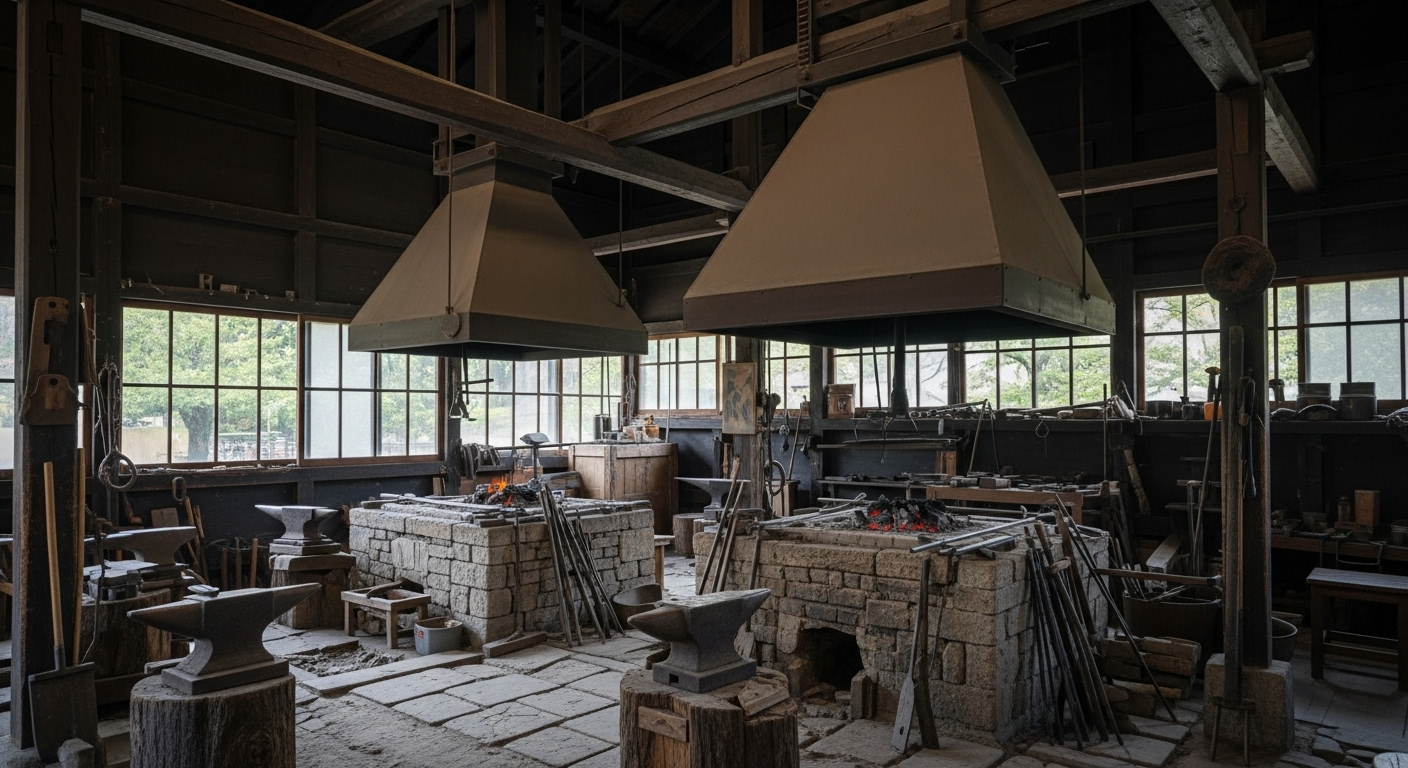
Why We Chose Science to Protect Tradition
-

The Problem Hidden Inside Every Knife
To understand why Subzero Treatment matters, you need to understand something about what happens to steel during the hardening process — and why conventional hardening, done the traditional way, leaves something unfinished.
When steel is heated to high temperatures and then rapidly cooled — a process called quenching — most of the steel's internal structure transforms into martensite: a hard, dense phase that gives a blade its ability to take and hold a fine edge. This is the fundamental mechanism behind a sharp knife.
But "most" is not "all." Conventional quenching leaves a portion of the steel in an unstable intermediate state called retained austenite. This material has not completed its transformation. It remains in the blade — invisible, undetectable by the cook who holds it — as a kind of structural uncertainty. Over time, under the repeated stress of use, retained austenite can shift. It can cause subtle warping. It can compromise dimensional stability. It can contribute to the gradual degradation of edge quality in ways that happen so slowly they feel like the natural decline of any tool.
This is not a flaw in poor-quality knives. It is a physical reality of the hardening process itself, present to some degree in almost every blade made through conventional methods.
Shiroyama Knife Workshop decided they were not willing to accept it.
-

What Happens at -196°C
Subzero Treatment addresses the problem of retained austenite at its source, by doing something that sounds extreme but is, in practice, an application of rigorous materials science: cooling the hardened blade to extreme sub-zero temperatures using liquid nitrogen.
At these temperatures — approaching -196°C — the retained austenite that survived conventional quenching is forced to complete its transformation into martensite. The internal structure of the steel becomes more uniform, more dense, more stable. The instability that would have persisted through decades of use is resolved before the knife ever reaches a kitchen.
The result, in measurable terms, is significant. A blade treated this way exhibits superior wear resistance — it chips less, holds its edge longer, requires less frequent sharpening. Its dimensional stability is higher — the subtle warping that can occur in conventionally hardened steel over time is minimized. The microstructure is more consistent across the entire blade, which means the edge behaves more predictably and maintains its geometry more reliably through use.
These are not marginal improvements. For a knife that is expected to perform at the highest level for thirty or forty years, the difference between a blade with residual instability and one whose transformation is complete is the difference between a knife that gradually disappoints and one that consistently delivers.
-

What Shiroyama's Commitment Actually Means
Shiroyama Knife Workshop's adoption of Subzero Treatment is not a marketing decision. It is the expression of something that runs through everything we have observed in working with them: an unwillingness to accept known limitations when a solution exists.
A knife that leaves Shiroyama's workshop without Subzero Treatment would still be an excellent knife. The forging would still be done by skilled hands. The sharpening would still pass through the progression of whetstones that gives a Sakai edge its character. The handle would still be fitted with the attention that makes the completed object feel like a single thing rather than an assembly of parts.
But it would carry, in its internal structure, a known source of long-term instability. And Shiroyama has decided that delivering a knife with a known limitation, when removing that limitation is within their capability, is not consistent with the standard they have set for themselves.
This is what uncompromising quality actually looks like in practice. Not the absence of constraints — constraints always exist — but the refusal to accept constraints that can be resolved. The willingness to add complexity to the process when that complexity serves the person who will use the knife for the next four decades.
-

What This Means for the Cook
A knife treated with Subzero Treatment will behave differently in your kitchen over time. Not dramatically differently in the first weeks — the initial sharpness of a Sakai knife is the result of many factors, of which the internal steel structure is one. But over months, over years, over the decade of daily use that a serious cook will put into a tool they trust, the difference accumulates.
The edge holds longer between sharpenings. The blade remains true — its geometry does not shift in the subtle ways that can make a knife feel less responsive than it once did. The knife that performs excellently on the day it arrives continues to perform excellently after years of use, rather than declining toward adequacy.
For a knife that is meant to be a thirty-year companion in the kitchen, these properties are not refinements. They are the conditions that make the relationship possible.
A knife that does not decline as it ages is a knife that can be used with increasing confidence rather than decreasing trust. And a cook who trusts their knife completely — who knows what it will do before they ask it — is a cook who can give their full attention to the food.
That is what Subzero Treatment, at its deepest level, is for.


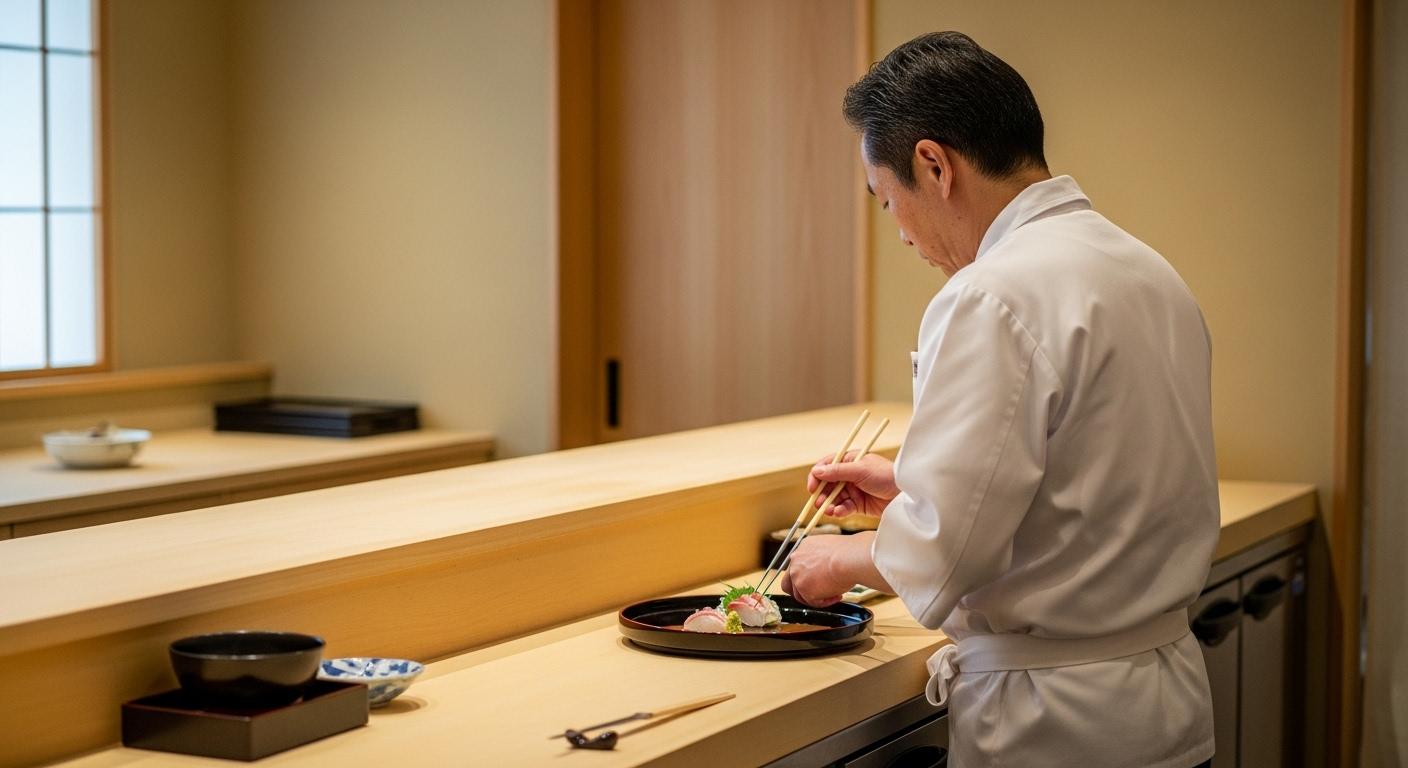
Why do 98% of Japanese Chefs Use Knives from Sakai?
The secret lies in Sakai’sdivision of labor and fully handcrafted process.
This feature explores thetradition and artisan culturebehind Japan’s most trusted knives.
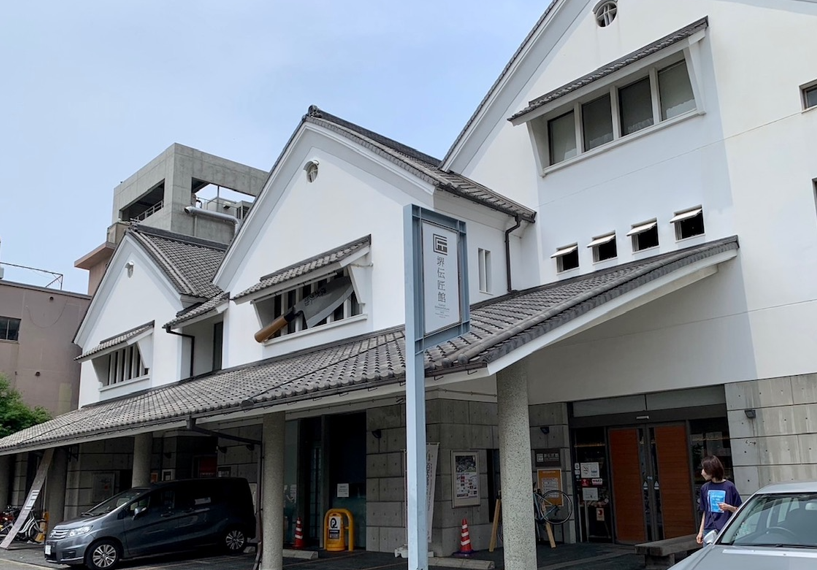
The 98% Statistic: A Trusted Source
The Sakai Tourism Bureau states that "98% of Japanese chefs use Sakai knives" in their articleAppeal of World Renowned Sakai Knives. This claim underscores the enduring reputation of Sakai craftsmanship.

Sakai Uchihamono: The Ultimate Sharpness and Craftsmanship Forged by 600 Years of History
Sakai Uchihamono reflects a legacy of exquisite craftsmanship, embodying the art and tradition of blade-making in Sakai City through meticulous forging, sharpening, and handle attachment processes.

Sakai's Declining Japanese Knife Craftsmen
Sakai's esteemed cutlery tradition, renowned for its sharpness and craftsmanship, is at risk with only a dozen blacksmiths remaining. Facing competition and declining interest, strategies such as exploring new markets and fostering youth interest are vital for survival. This situation underscores a broader challenge in cultural preservation. Supporting Sakai’s craftsmen is crucial to maintaining this legacy.

