


The Official Prize Knife of Japan's National Sushi Championship 2026
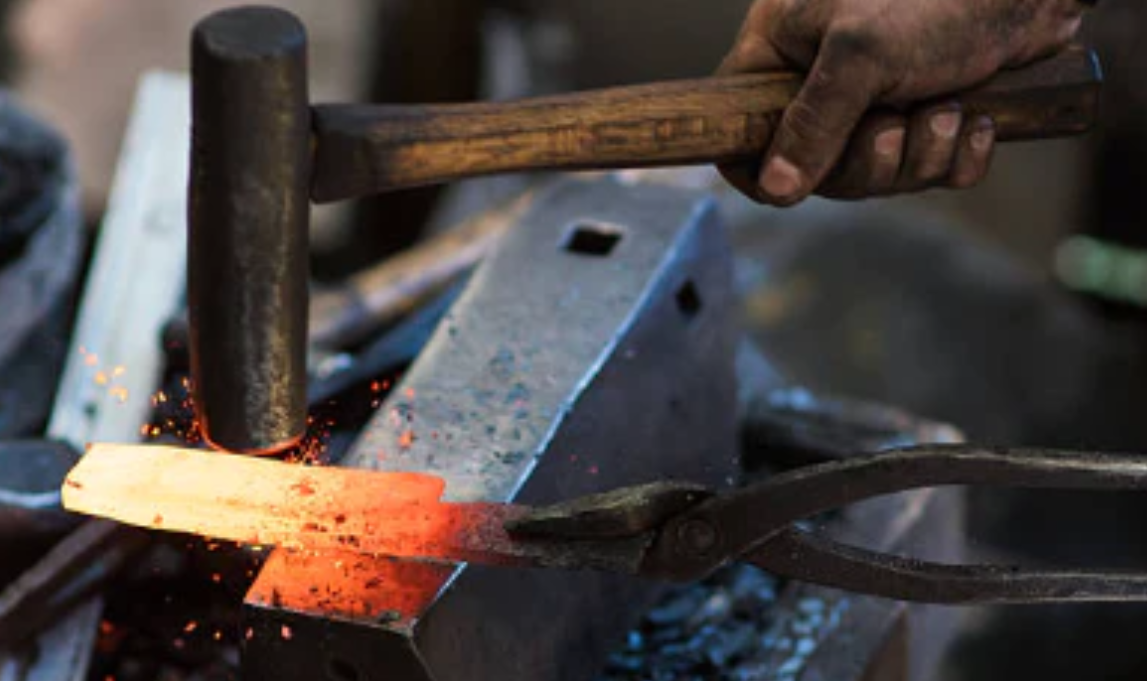
In June 2026, knives forged by Shiroyama Knife Workshop will be presented to the champions of Japan's national sushi competition — chosen not for prestige, but for performance. With their special permission, KIREAJI is honored to offer the very same works in an extremely limited worldwide release, available now.

Customer Stories
A Japanese knife’s story does not end when it leaves the hands of the craftsman.
From Switzerland and Australia to the United States, each knife becomes part of someone’s kitchen, daily life, and personal journey. Discover the stories of people who have found a deeper connection with cooking through handcrafted Japanese knives from Sakai.

Sakai Knives and Transparency
A China-made knife incident in Sakai raises an important question: Do you know where your Japanese knife comes from? Discover why provenance, makers, and direct shipping from Sakai matter.
WHY — Our Beginning
-

-
 Our Thoughts on Pricing
No middlemen. No imitations. Only authentic craftsmanship—passed with care, from one pair of hands to the next.
-

-
 Japanese Knife Academy
Through the Japanese Knife Academy, we share everything we know— so you can understand your knife, not just own it.
-
 KIREAJI Complimentary Services
If requested, Honbazuke (本刃付け) can be applied to your blade by hand at Shiroyama Knife Workshop. This initial sharpening is intended to prepare the knife for practical use. As hand-sharpening may leave visible sharpening marks and individual preferences for an edge may vary, customers who have specific sharpening requirements may prefer to receive the knife without Honbazuke and have it sharpened according to their own preferences.
Every order also includes a wooden saya (鞘), a traditional Japanese blade sheath carefully selected and prepared for the knife.


New Arrivals
-
Super Steel (Honyaki) Petty 150mm -Polished (both sides)
Regular price $370.00 CADRegular priceUnit price per$0.00 CADSale price $370.00 CAD -
Super Steel (Honyaki) Mukimono 180mm-Mirror Polished (both sides)
Regular price $660.00 CADRegular priceUnit price per$0.00 CADSale price $660.00 CAD -
Ginsan Gyuto 210mm -Kido Finishing
Regular price $410.00 CADRegular priceUnit price per$0.00 CADSale price $410.00 CAD -
Blue Steel #2 (Honyaki-Mizuyaki) Yanagiba (Sakimaru) 330mm -Mirror Polished (one side)
Regular price $2,150.00 CADRegular priceUnit price per -
Blue Steel #2 (Honyaki-Mizuyaki) Yanagiba 330mm -Mirror Polished (one side)
Regular price $1,950.00 CADRegular priceUnit price per -
White Steel #2 Santoku 180mm- Kurouchi Finish
Regular price $250.00 CADRegular priceUnit price per$0.00 CADSale price $250.00 CAD -
Super Steel (Honyaki) Yanagiba (Sakimaru) 270mm-Mirror Polished (both sides)
Regular price $830.00 CADRegular priceUnit price per$0.00 CADSale price $830.00 CAD -
Ginsan Yanagiba 300mm -Mirror Polished (one side)
Regular price $510.00 CADRegular priceUnit price per -
Super Steel (Honyaki) Sakimaru (Double-Edged) 230mm-Mirror Polished (both sides)
Regular price $610.00 CADRegular priceUnit price per$0.00 CADSale price $610.00 CAD -
Ginsan Yanagiba (Sakimaru) 300mm -Mirror Polished (one side)
Regular price $550.00 CADRegular priceUnit price per$0.00 CADSale price $550.00 CAD -
Ginsan Sujihiki 270mm -Kido Finishing
Regular price $440.00 CADRegular priceUnit price per$0.00 CADSale price $440.00 CAD -
Ginsan Yanagiba (Sakimaru) 330mm -Mirror Polished (one side)
Regular price $680.00 CADRegular priceUnit price per$0.00 CADSale price $680.00 CAD -
Super Steel (Honyaki) Yanagiba (Kiritsuke) -Ultra thin- 270mm -Mirror Polished (one side)
Regular price $690.00 CADRegular priceUnit price per$0.00 CADSale price $690.00 CAD -
Ginsan Yanagiba (Sakimaru) 300mm -Mirror Polished (both sides)
Regular price $590.00 CADRegular priceUnit price per$0.00 CADSale price $590.00 CAD -
Super Steel (Honyaki) Yanagiba (Kiritsuke) 360mm-Mirror Polished (both sides)
Regular price $1,350.00 CADRegular priceUnit price per$0.00 CADSale price $1,350.00 CADSold out -
Ginsan Yanagiba 270mm -Mirror Polished (both sides)
Regular price $430.00 CADRegular priceUnit price per -
White Steel #2 (Honyaki-Mizuyaki) Yanagiba (Kiritsuke) 330mm-Mirror Polished (one side)
Regular price $2,200.00 CADRegular priceUnit price per -
White Steel #2 (Honyaki-Mizuyaki) Yanagiba (Kiritsuke) 300mm-Mirror Polished (one side)
Regular price $2,000.00 CADRegular priceUnit price per -
Super Steel (Honyaki) Sujihiki 360mm-Kido Finishing
Regular price $1,200.00 CADRegular priceUnit price per$0.00 CADSale price $1,200.00 CAD -
Super Steel (Honyaki) Sujihiki 360mm-Mirror Polished (both sides)
Regular price $1,200.00 CADRegular priceUnit price per$0.00 CADSale price $1,200.00 CAD -
Super Steel (Honyaki) Fuguhiki 270mm-Mirror Polished (one side)
Regular price $780.00 CADRegular priceUnit price per$0.00 CADSale price $780.00 CAD -
Blue Steel #2 Fuguhiki 270mm-Kido Finishing
Regular price $360.00 CADRegular priceUnit price per$0.00 CADSale price $360.00 CADSold out -
Blue Steel #2 Damascus Sushi Yanagiba 270mm- Mirror Polished Blur Finish
Regular price $520.00 CADRegular priceUnit price per$0.00 CADSale price $520.00 CAD -
Blue Steel #2 Gyuto (Kiritsuke) 270mm-Kido Finishing
Regular price $420.00 CADRegular priceUnit price per$0.00 CADSale price $420.00 CAD


The KIREAJI Difference
KIREAJI Complimentary Services
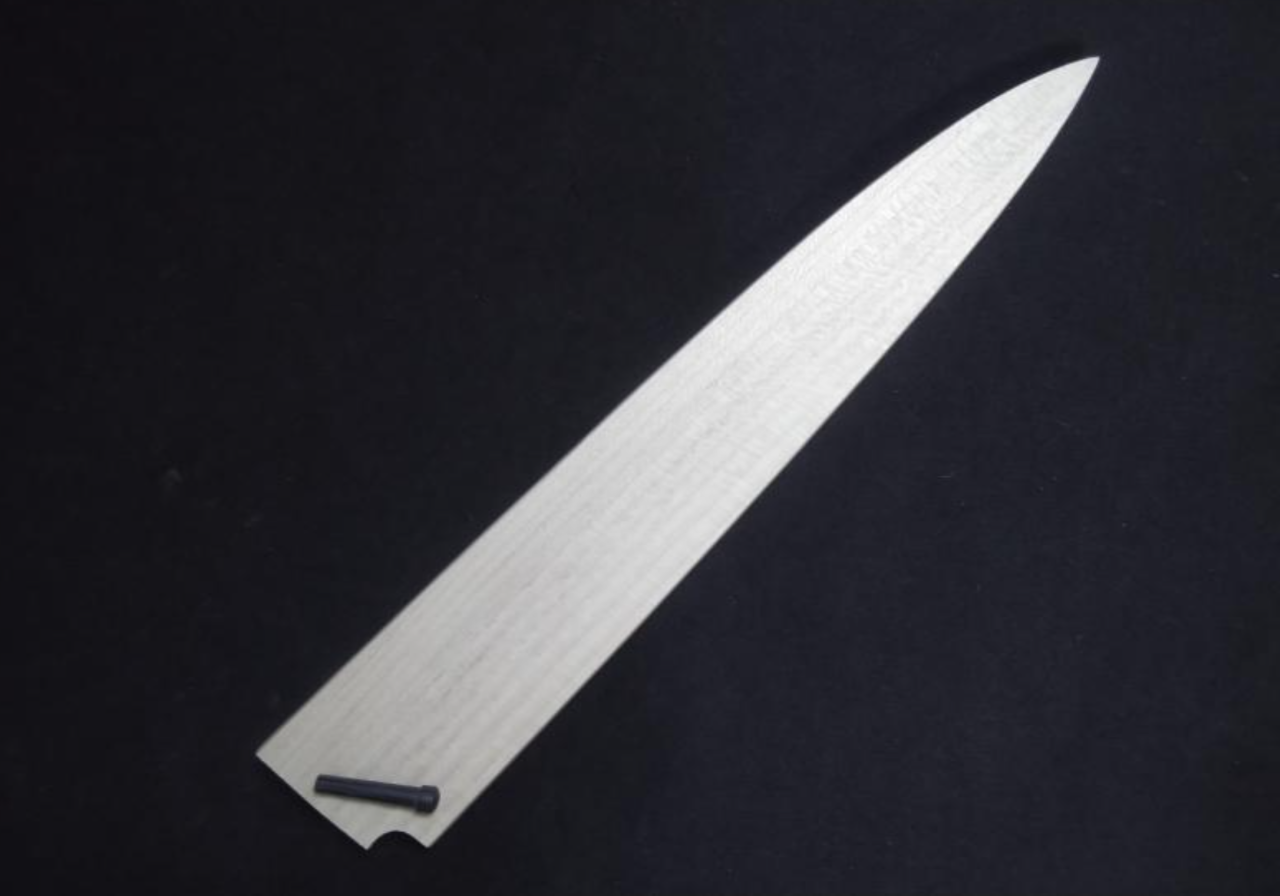
Every knife includes a magnolia wood saya, carefully selected and fitted to provide safe storage and protection. Upon request, we also provide complimentary Honbazuke, a practical initial hand-sharpening intended to prepare the knife for first use while allowing the owner to further refine the edge over time according to their own preferences.
Why Many Product Photos Show Only the Blade
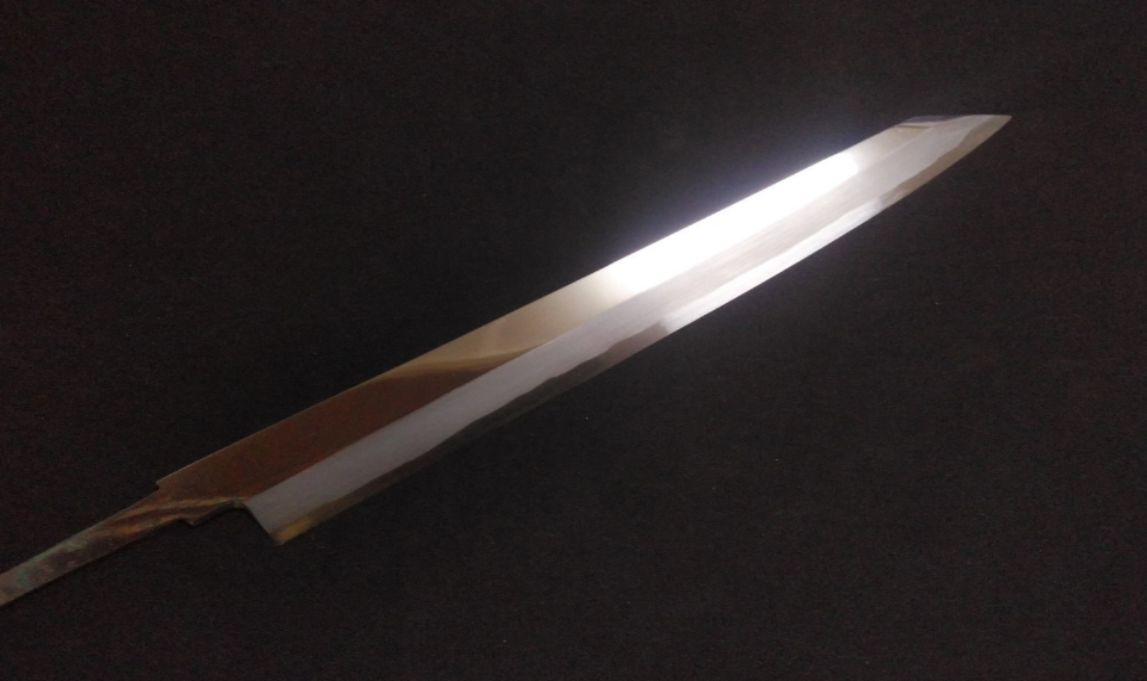
At KIREAJI, every knife is made to order in Sakai, Japan. Photos show the blade before the handle is attached, allowing artisans to perfect the balance and edge for your specific order. Your knife arrives fully finished — tailored just for you.

Global Delivery from Sakai
Across the world, discerning cooks seek authentic Japanese knives from Sakai — Japan’s legendary knife-making city with over 600 years of tradition.
At KIREAJI, we work alongside master artisans in Sakai to fulfill that desire, shipping genuine handcrafted knives directly from the workshop to kitchens worldwide.
Every Knife Is Handcrafted in Sakai City


Blacksmith
-
 Shogo Yamatsuka
Shogo Yamatsuka
A master blacksmith famed for his skill in forging rare Ginsan steel. Certified as a Traditional Craftsman in 2012, he personally handles every step from forging to sharpening, earning the trust of professional chefs worldwide.
-
 Satoshi Nakagawa
Satoshi Nakagawa
The youngest Traditional Craftsman in Sakai’s history, trained 16 years under master Kenichi Shiraki. Known for precision and artistry, he now leads Nakagawa Hamono, creating blades that blend tradition and innovation.
-
 Keijiro Doi
Keijiro Doi
Master of yanagiba and mukimono usuba knives, certified as a Traditional Craftsman in 1987. Awarded the Blue Kiriba Award in 1997, he retired in 2012 and passed away in 2017, leaving rare and highly valued works.
-
 Tadashi Enami
Tadashi Enami
A fifth-generation blacksmith preserving ancient fire-forging while embracing innovation. Certified in 2003 and honored as a Sakai City Meister in 2007, he is renowned for meticulous craftsmanship and made-to-order knives.
-
 Yuzan
YuzanYuzan
A legendary craftsman who mastered Mizuyaki Honyaki, among the most difficult forging techniques. His rare works are almost impossible to find, and his legacy lives on through his son, Shogo Yamatsuka.
-
 Kenichi Shiraki
Kenichi Shiraki
Renowned for his mastery of Honyaki and water-quenching techniques, producing knives of unmatched sharpness. Now retired, his rare works are treasured, with his legacy carried on by apprentice Satoshi Nakagawa.
-
 Tatsuo Ikeda
Tatsuo Ikeda
Third-generation head of Ikeda Cutlery, famed for Honyaki forging and the Fuji wave pattern. Honored with the Order of the Sacred Treasure in 2009, his works remain rare treasures since his passing in 2015.
-
 Yoshikazu Ikeda
Yoshikazu Ikeda
President of the Sakai Uchihamono Traditional Craftsmen Association and co-founder of Ikeda Tanrenjo. Certified in 1988 and awarded Osaka’s Outstanding Artisan Award in 2014, he is known for his relentless pursuit of perfection.


Sharpening Craftsman
-
 Tadayoshi Yamatsuka
Tadayoshi Yamatsuka
Certified as a Traditional Craftsman in 2022, he is renowned for exceptional mirror-polishing skills. His beautifully finished blades captivate chefs in Japan and around the world.
-
 Shotaro Nomura
Shotaro Nomura
Certified as a Traditional Craftsman in 1988, he has over 60 years of sharpening experience. Trained under the legendary Mr. Ino, he is known for knives that grow more beautiful and perform better with each use.
-

Mitsuo Yamatsuka
Mitsuo YamatsukaCertified as a Traditional Craftsman in 1999, he is renowned for exceptional kasumi polishing, mirror finishes, and traditional single-edged sharpening. For over fifty years, Mitsuo Yamatsuka has pursued the ideal balance between sharpness, beauty, and harmony in every blade.
-

Hirotsugu Tosa
Hirotsugu TosaCertified as a Traditional Craftsman in 1990, he specialized in Honyaki sharpening and mirror polishing for professional chefs. Known for his uncompromising attention to detail and deep respect for the user, Hirotsugu Tosa devoted his life to refining blades that embodied the spirit of Sakai craftsmanship.


Carbon Steel
-

White Steel #2
White Steel #2Precision at Your Command
Made from ultra-pure carbon steel, White Steel #2 produces razor-sharp edges with ease. Exceptionally easy to sharpen and maintain, this blade is perfect for chefs who demand precision in every slice and value control in their daily work. -

White Steel #1
White Steel #1Exceptional Sharpness for Demanding Chefs
With even higher carbon content and edge retention than White Steel #2, this premium material delivers unmatched sharpness and clean, effortless cuts. For chefs who seek the ultimate in cutting accuracy and responsiveness, this is the steel of choice. -

Blue Steel #2
Blue Steel #2Enduring Sharpness You Can Rely On
Blue Steel #2 is alloyed with tungsten and chromium to boost wear resistance without sacrificing sharpness. It keeps its edge longer and handles daily use with confidence—ideal for hardworking chefs who need tools they can trust. -

Blue Steel #1
Blue Steel #1Strength and Precision for Professional Use
Blue Steel #1 combines high carbon content with enhanced toughness, delivering excellent sharpness and lasting durability. Designed for demanding professional kitchens, it offers reliable performance with strength and precision.


Stainless Steel
-

Super Steel (Honyaki)
Super Steel (Honyaki)Forged in the Spirit of Traditional Japanese Blades
Crafted from a single piece of steel and heat-treated with meticulous care, Honyaki knives represent one of the highest forms of Japanese bladesmithing. Hand-forged in Sakai, this Super Steel version offers exceptional sharpness, refined beauty, and true artisanal craftsmanship. -

ZDP189
ZDP189Advanced Steel with Exceptional Edge Retention
Made using Hitachi’s powder metallurgy process, ZDP189 is an ultra-hard stainless steel known for its remarkable sharpness, long edge retention, and corrosion resistance. Each knife is handcrafted for chefs who value precision, durability, and refined performance.
-

Ginsan
GinsanThe Sharpness of Carbon Steel, with Stainless Ease
Ginsan steel, developed by Hitachi, delivers the keen edge of carbon steel with the convenience of stainless. Forged by master craftsmen like Shougo Yamatsuka, these blades balance sharpness, durability, and chip resistance—perfect for daily cooking with confidence.


Ⅱ. Why We Choose Sakai — and Only Sakai
-

Professional kitchens place demanding expectations on their tools. Performance, reliability, familiarity, maintenance, and suitability for the task all influence which knives chefs continue to use.
Sakai has earned an exceptional place in that environment, and that professional trust is one of the reasons we chose to focus exclusively on Sakai craftsmanship.
-

The Sakai Difference: Specialization at the Highest Level
Three Major Knife Regions in JapanTo understand why Sakai knives perform the way they do, you need to understand how they are made — and one structural decision that sets Sakai apart from nearly every other knife-making tradition in the world.
One of the defining characteristics of traditional Sakai knife-making is its division of labor. Rather than requiring one person to perform every stage, the process is broadly divided among specialists in forging, sharpening, and handle fitting.
The bladesmith forges and shapes the blade.
The sharpener grinds, sharpens, and refines the blade geometry and cutting edge.
The handle craftsman fits and aligns the handle to complete the knife.This specialization allows each craftsperson to develop deep expertise in a particular stage of production.
Three specialists. Three lifetimes of mastery. One knife.
The sharpener is not "also" a smith. The handle maker is not "also" a sharpener. Each artisan has devoted their career to a single discipline — learning to judge an edge not only by sight, but by resistance, sound, pressure, and the way light falls on steel.
These fine adjustments are made by hand in response to the condition and geometry of each blade. While modern machinery can assist some stages of production, the judgment involved in traditional Sakai sharpening still depends heavily on the experience and skill of the craftsperson.
This is craftsmanship not as decoration, but as a functional part of how the knife is made.
-

Handcraft at Every Stage: What Human Control Actually Means
Differences Between Handcrafted Knives and Mass-Produced Factory KnivesEvery meaningful stage of a Sakai knife remains under human control — not because tradition demands it, but because excellence does.
Heat treatment depends on factors such as steel composition, temperature, time, and cooling conditions. In traditional Sakai forging, experienced smiths may judge the condition of heated steel partly through visual cues such as color, combined with accumulated practical knowledge. Modern heat-treatment equipment can also control temperature with great precision, so the distinction is not simply “human versus machine,” but between different methods of achieving the desired result.The same principle applies at every sharpening. No two blades respond identically to the whetstone. Angle, pressure, and movement must shift constantly in response to the steel itself. The sharpener makes hundreds of micro-corrections, accumulating into a precision that defines the knife's final character.
True sharpness is not manufactured. It is interpreted — and interpretation requires a lifetime of mastery.
-

What the Cook Actually Feels
Why do 98% of Japanese Chefs Use Knives from Sakai?All of this — six centuries of unbroken standards, specialized craftsmanship, and hand-controlled precision — ultimately arrives in the cook's hand as something unmistakably physical.
A Sakai knife moves differently through food because it was made differently.
The edge enters more cleanly. The cut feels more precise. The feedback through the hand tells you exactly what the knife is doing — and with experience, you begin to trust it completely.
These are subtle differences until you feel them yourself.
After that, they become impossible to ignore.This is why chefs in Japan's most demanding professional kitchens continue to choose Sakai — not for its story, not for its reputation, but for what happens when the blade meets the ingredient.
The 98% figure is the accumulated preference of professionals who have tried everything and chosen this.
A well-made Sakai knife, when used appropriately and maintained carefully, can remain in service for many years. Repeated sharpening gradually removes material and changes the blade over time, but careful maintenance can preserve its usefulness long into its working life.
A great Sakai knife is not unchanged by use. It develops through use — becoming part of the cook’s working life over time.
-

Why Only Sakai
Our PurposePeople sometimes ask why we work exclusively with knives from Sakai.
The answer is simple:
Because we do not believe anything less represents what a Japanese knife should truly be.
We are not trying to sell "Japanese-style knives." We are trying to bring genuine Japanese knife-making culture to kitchens around the world — to close the distance between craftspeople who have spent their lives building this standard and the cooks who deserve to benefit from it.
We want to offer knives whose quality is real, whose origins are transparent, and whose performance can be trusted across decades of daily use.
Sakai is where that standard exists at its most serious and most sustained:
Six centuries of accumulated excellence.
Specialized craftsmanship at every stage.
Hand-finished precision that no machine can replicate.
Government-recognized traditional artistry.
The trust of 98% of Japan's professional chefs.We choose Sakai because choosing anything else would mean offering something that falls short of what the words Japanese knife should mean.
And that is a compromise we are unwilling to make.


Blog
View all-

The Japaese word- Isshōmono
Discover Isshōmono, a Japanese idea of choosing something worth using and caring for over many years—from everyday objects to Japanese knives.
The Japaese word- Isshōmono
Discover Isshōmono, a Japanese idea of choosing something worth using and caring for over many years—from everyday objects to Japanese knives.
-

The Japaese word- Dōgu o Sodateru
Discover Dōgu o Sodateru, a Japanese expression for how tools become truly our own through time, use, care, and the experience we build with them.
The Japaese word- Dōgu o Sodateru
Discover Dōgu o Sodateru, a Japanese expression for how tools become truly our own through time, use, care, and the experience we build with them.
-

Why Two #1000 Whetstones Can Feel Completely Di...
Why can two #1000 whetstones feel completely different? Learn what grit numbers really mean and how stone construction affects Japanese knife sharpening.
Why Two #1000 Whetstones Can Feel Completely Di...
Why can two #1000 whetstones feel completely different? Learn what grit numbers really mean and how stone construction affects Japanese knife sharpening.
-

The Japaese word- Teire
Discover Teire, a Japanese practice of caring for the things we use through small acts of maintenance—from everyday objects to sharpening Japanese knives.
The Japaese word- Teire
Discover Teire, a Japanese practice of caring for the things we use through small acts of maintenance—from everyday objects to sharpening Japanese knives.


