“The Japanese Knife Handbook” — Understanding Knives, Connecting Cultures
-
In 2020, I began a humble knife-sharpening service in Toronto. What started with a few blades quickly grew; within a year, I had sharpened over 100 knives. Again and again, customers told me the same thing:
-
"I want a knife that truly cuts."
"I can’t find a real Japanese knife anywhere."
-
These voices stayed with me. In 2023, I founded KIREAJI, bringing authentic, hand-forged knives from Sakai City to chefs and enthusiasts worldwide. But simply selling knives wasn’t enough.
The next step was sharing the knowledge, tradition, and spirit behind each blade. That is why I wrote The Japanese Knife Handbook — not only for those who own a Japanese knife, but for anyone who wishes to truly understand it.
The Essential Questions, Answered
-
What makes a Japanese knife so special?
Why are there so many shapes, steels, and styles?
And how can you care for one so it lasts a lifetime? -
This handbook demystifies Japanese knives — their construction, steel types, sharpening methods, and cultural roots. By the end, you’ll be able to:
- Choose the right knife with confidence
- Speak about it with clarity, in any kitchen, anywhere
- Care for it properly, ensuring years of service
Discover the “Why” Behind the Blade
-
-
This book explores five essential questions that go beyond the surface:
-
- Why do Japanese chefs sharpen with a whetstone?
- Why are many Japanese knives single-edged?
- Why are there so many specialized designs like Deba, Yanagiba, and Usuba
- Why is carbon steel still cherished despite stainless steel’s global dominance?
- Why do over 90% of Japanese professional chefs rely on Sakai knives?
-
Through these questions, you’ll uncover the philosophy, functionality, and legacy that define Japanese blades.
More Than Sharpness — A Voice to Be Shared
-
-
A Japanese knife is more than steel; it is a vessel of skill and spirit. With every page of this handbook, you’ll gain the tools to:
-
- Master fundamentals so you’ll never feel lost
- Build confidence to speak about knives with pride
- Experience joy in caring for a tool that grows with you
-
By the end, you won’t just own a Japanese knife.
You’ll understand it. You’ll speak for it. You’ll carry its story forward.
Videos related to this book
1 Why Does Only Japan Have a Culture of Sharpening Knives with Whetstones?
-
Why Only Japan Preserves the Art of Sharpening Knives with Whetstones
In a world where most people rely on machine-sharpened blades or disposable tools, Japan stands apart. Here, the act of sharpening with natural and synthetic whetstones is not merely maintenance—it is a cultural ritual passed down through centuries of craftsmanship. This video explores why Japan alone has nurtured such a tradition, how it connects to culinary artistry, and what it reveals about the nation’s deep respect for tools and skill.
-
2. Why Are Japanese Knives Single-Edged?
-
The Story Behind Japan’s Single-Edged Knives: History, Peace, and Precision
In Japan, a knife is never just a tool—it is a mirror of history, peace, and craftsmanship. The single-edged blade, unique to Japanese knives, was born from centuries of tradition: from emperors who revered blades, to swordsmiths who transformed their art during times of peace, to chefs who elevated cuisine into culture. More than a matter of sharpness, the single edge embodies precision, purity, and beauty—values at the heart of Japanese identity.
-
3. Why Are There So Many Types of Japanese Knives?
-
More Than Tools: The Cultural Story Behind Japan’s Many Knives
From the delicate Yanagiba designed for slicing sashimi, to the sturdy Deba for breaking down fish, every Japanese knife serves a distinct purpose. This variety is not coincidence—it is the result of centuries of culinary evolution, regional traditions, and the relentless pursuit of perfection. In Japan, knives are crafted not just to cut, but to honor the ingredients, elevate presentation, and embody the spirit of Washoku.
-
4. Why Japan Still Chooses Carbon Steel Knives in a Stainless Steel World?
-
Tradition That Refuses to Rust: Why Japan Still Trusts Carbon Steel
In today’s kitchens, stainless steel dominates for its convenience and low maintenance. Yet in Japan, many chefs and craftsmen remain devoted to carbon steel knives. The reason lies not in practicality alone, but in a cultural pursuit of sharpness, purity, and mastery. Carbon steel demands care, but rewards its user with unmatched performance and a living connection to centuries of tradition.
-
5. Why Are Japanese Stainless Steel Knives So Rust-Resistant?
-
The Secret Behind Japan’s Rust-Resistant Stainless Steel Knives
Japanese stainless steel knives are admired worldwide for their ability to resist rust while maintaining remarkable sharpness. This is no accident—it comes from decades of metallurgical innovation, precise heat treatment, and a relentless pursuit of quality by master craftsmen.
-
6. Why do 98% of Japanese Chefs Use Knives from Sakai?
-
The Hidden Heart of Japan’s Culinary Knives
An astonishing 98% of Japanese chefs choose knives made in Sakai. Why? Because Sakai is more than a city—it is the cradle of a 600-year-old blade-making tradition. From forging techniques passed down through generations to finishes perfected by master sharpeners, every knife carries the legacy of craftsmanship, precision, and trust. In this video, we explore how Sakai became the standard in professional kitchens across Japan—and why its reputation endures worldwide.
-
The Japanese Knife Manual — Live with Your Knife, Transform Your Cooking
The second book takes you from knowledge to practice.
The Japanese Knife Manual teaches how to use, care for, and live with your knife—turning it from a simple tool into a trusted partner in your kitchen.
Step by step, it shows how mindful habits can transform not only your cooking but your connection to the craft itself.
The Japanese Knife Mindset — The Philosophy Behind the Blade
After exploring knowledge in The Japanese Knife Handbook and practice in The Japanese Knife Manual,
the journey now turns inward — to the mindset behind every great chef.
The Japanese Knife Mindset delves into the philosophy, discipline, and daily habits that shape true culinary mastery.
A book for those who seek not only to sharpen their knives, but also their spirit.
The Japanese Knife Workbook — Learn, Then Speak It Forward
After learning and practicing through The Handbook, The Manual, and The Mindset,
the journey continues — to sharing what you’ve learned.
The Japanese Knife Workbook turns understanding into expression through quizzes, videos, and reflection.
A book not just to learn from — but to speak from.
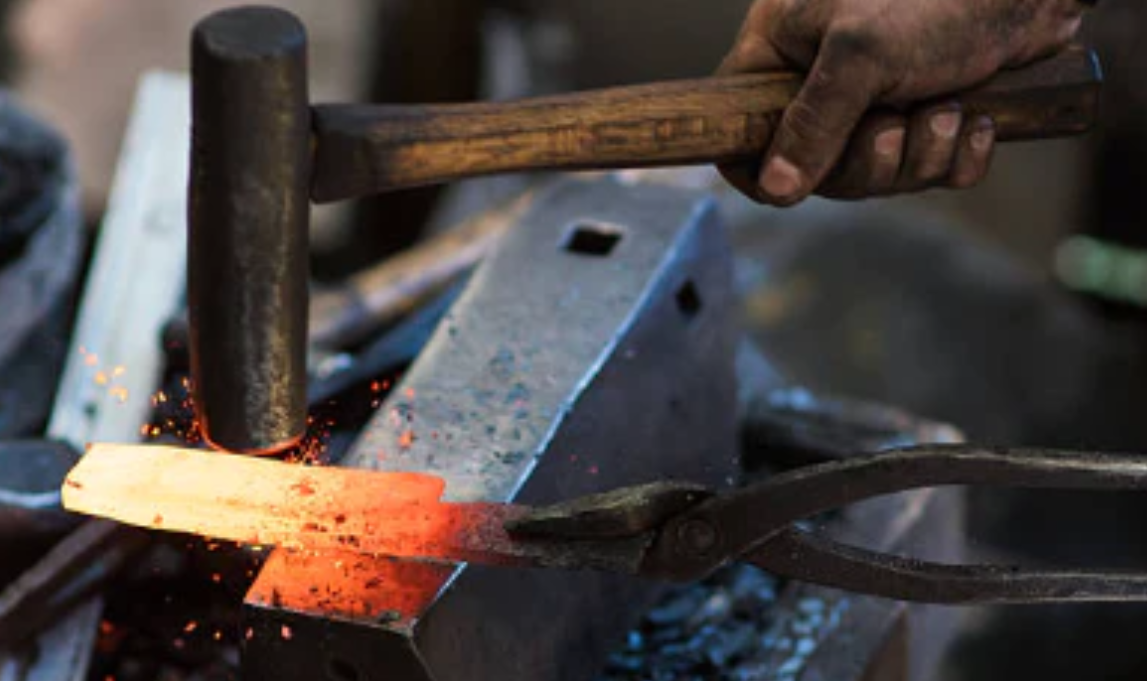
The Soul of Craftsmanship
-
Everything Begins with the Heart of a Beginner
I still remember the very first time I sharpened a knife.
My hands trembled with nervousness, and deep inside I carried a single, honest wish: “I want to get better.”
That simple feeling has never left me. -
As craftsmen gain experience and confidence, there is always the danger of forgetting that moment—of becoming complacent. That is why I constantly remind myself:
-
“Never lose the honest heart you had at the beginning.”
-
Every knife we create at KIREAJI is born from this mindset. We refuse to cut corners, we never stop learning, and we continue to push our skills further. Because only through that constant pursuit can we earn something more valuable than sharpness itself: the trust of those who use our knives.
Our Story
-
Tradition of Sakai, in Your Hands
"Where can I find a truly great knife?"
We started KIREAJI to answer that question. While the number of skilled craftsmen is declining in Japan, many people overseas are seeking authentic blades. With that in mind, we carefully deliver each knife—bridging tradition and kitchens around the world. -