

其他类型的日本刀系列
-
超级钢(本烧)Deba 210mm
原价 $240.00 CAD原价单价 每$0.00 CAD促销价 $240.00 CAD -
超级钢(本烧)Deba 210mm
原价 $240.00 CAD原价单价 每$0.00 CAD促销价 $240.00 CAD -
超级钢(本烧)Deba 210mm
原价 $250.00 CAD原价单价 每$0.00 CAD促销价 $250.00 CAD售罄 -
超级钢(本烧)Deba 210mm
原价 $250.00 CAD原价单价 每$0.00 CAD促销价 $250.00 CAD -
银山大马士革柳刃(切付)270毫米 -镜面抛光(双面)
原价 $320.00 CAD原价单价 每$0.00 CAD促销价 $320.00 CAD -
超级钢(本烧)Yanagiba 270mm
原价 $320.00 CAD原价单价 每$0.00 CAD促销价 $320.00 CAD -
超级钢(本烧)Deba 210mm
原价 $350.00 CAD原价单价 每 -
超级钢(本烧)Deba 210mm
原价 $360.00 CAD原价单价 每$0.00 CAD促销价 $360.00 CAD售罄 -
银山大马士革柳刃(切付)270毫米 -镜面抛光(双面)
原价 $380.00 CAD原价单价 每$0.00 CAD促销价 $380.00 CAD -
蓝钢#1 柳叶刀 270mm
原价 $390.00 CAD原价单价 每 -
银山大马士革钢柳刃(切付)270毫米 - 镜面抛光(双面)
原价 $440.00 CAD原价单价 每$0.00 CAD促销价 $440.00 CAD -
银山大马士革柳刃(切付)270毫米 -镜面抛光(双面)
原价 $450.00 CAD原价单价 每$0.00 CAD促销价 $450.00 CAD售罄 -
超级钢(本烧)Deba 210mm
原价 $470.00 CAD原价单价 每$0.00 CAD促销价 $470.00 CAD售罄 -
超级钢(本烧)Yanagiba 270mm
原价 $580.00 CAD原价单价 每 -
超级钢 (Honyaki) 柳叶刀 (Kiritsuke) 300 毫米-镜面抛光(双面)
原价 $590.00 CAD原价单价 每$0.00 CAD促销价 $590.00 CAD售罄 -
超级钢(本烧)Yanagiba 240mm
原价 $610.00 CAD原价单价 每$0.00 CAD促销价 $610.00 CAD














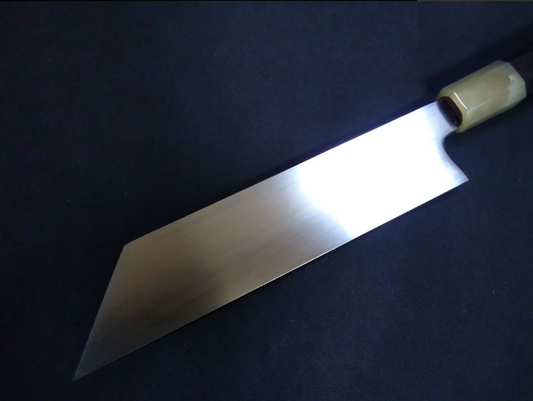


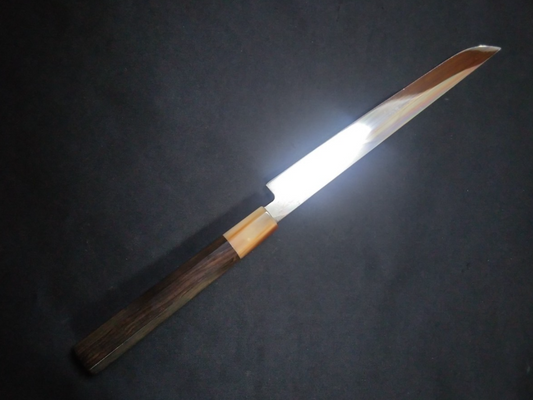
KIREAJI 的独特之处
KIREAJI 免费服务
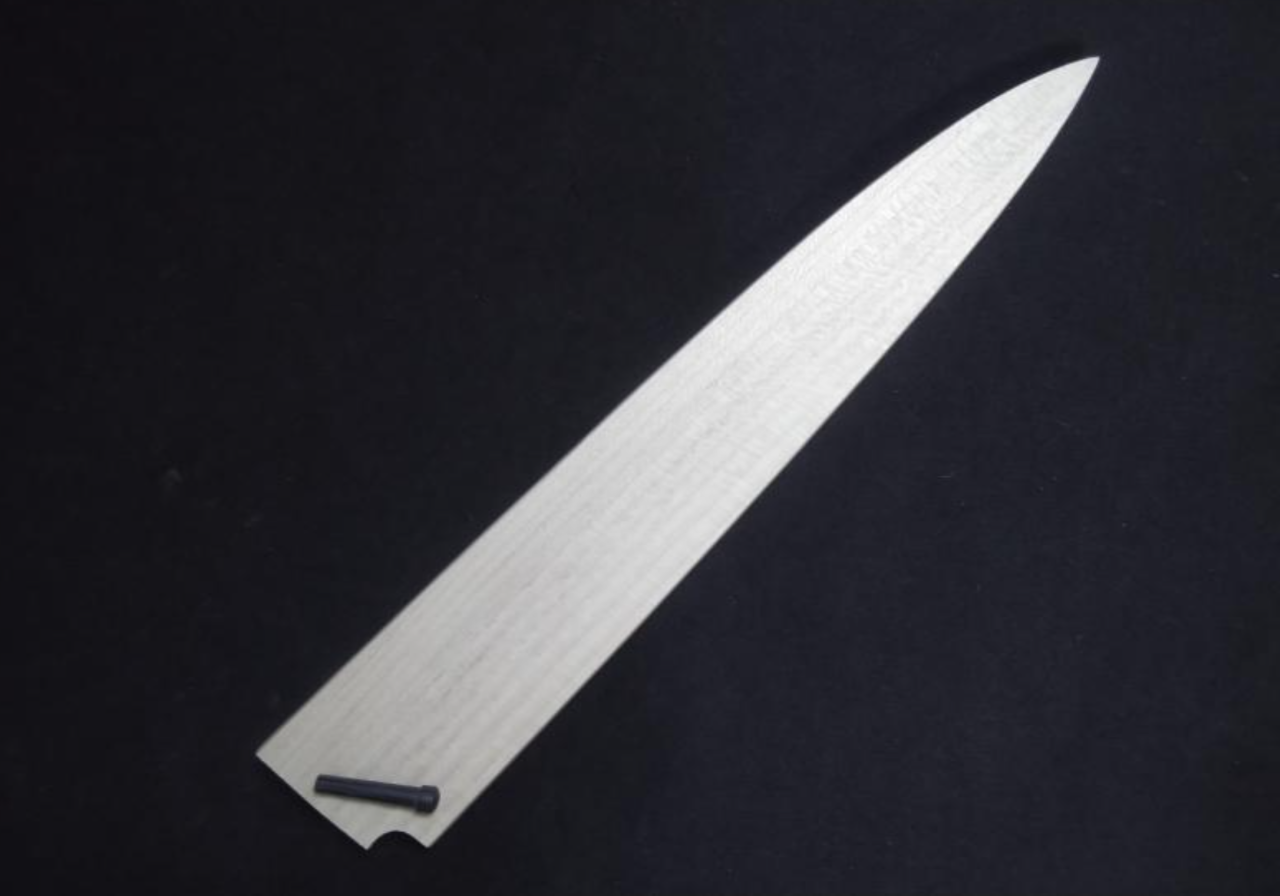
每把刀都配有玉兰木刀鞘,经过精心挑选和安装,以提供安全的收纳和保护。根据要求,我们还提供免费的本刃付(Honbazuke)服务,这是一种实用的初始手工开刃,旨在为首次使用做好准备,同时允许所有者根据自己的喜好随着时间的推移进一步精修刀刃。
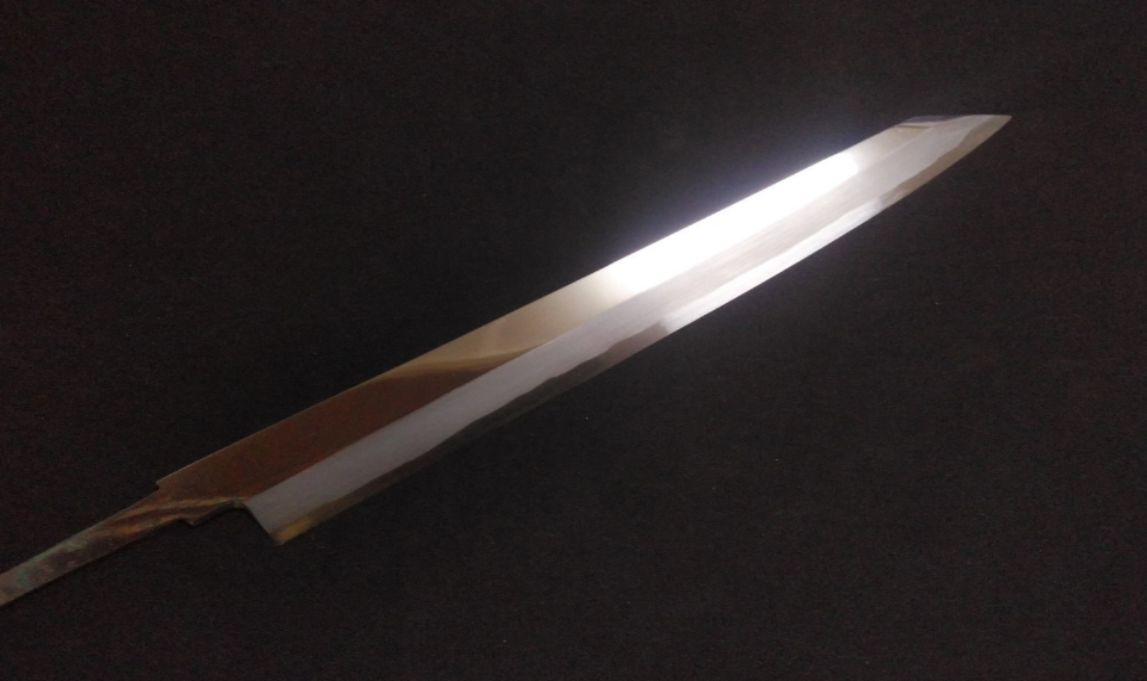
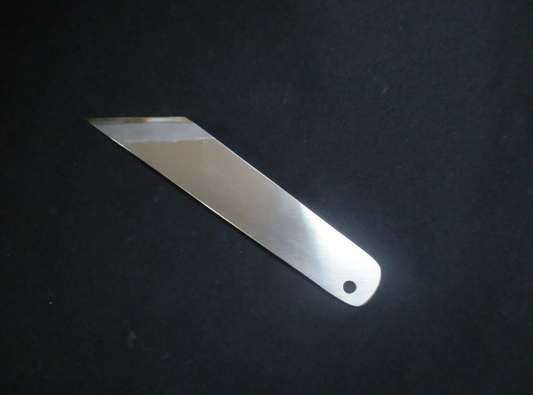
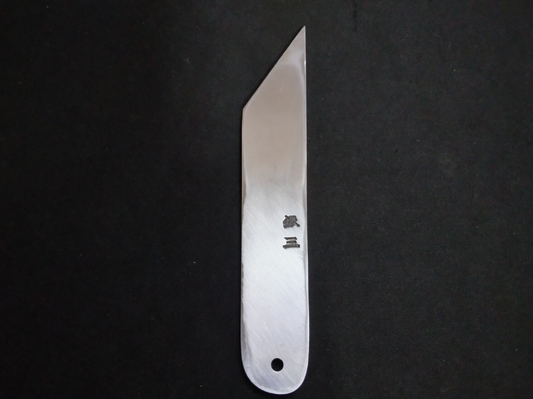
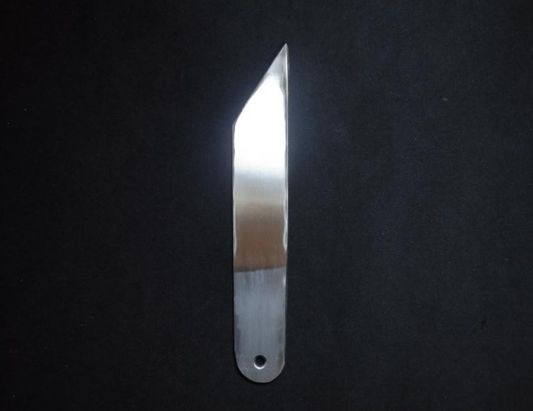
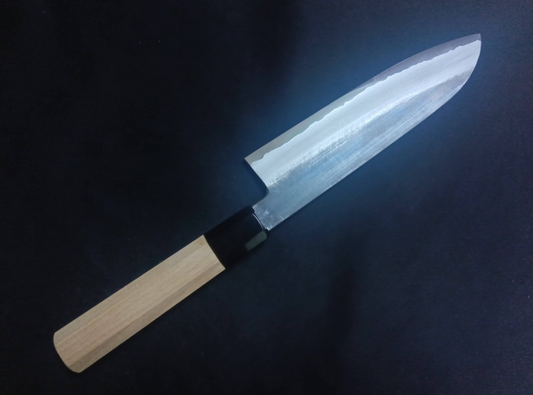
为什么许多产品图片只展示刀片
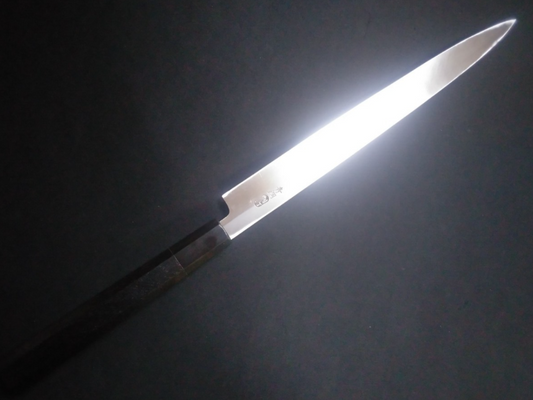
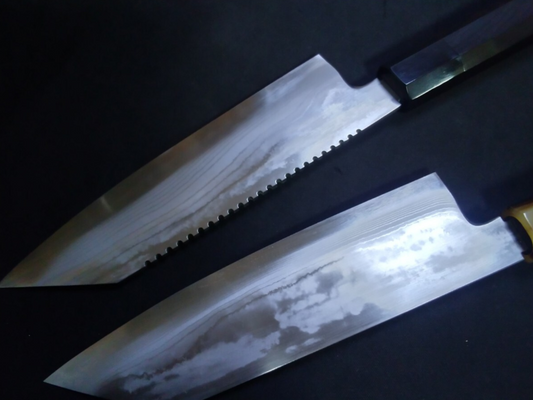
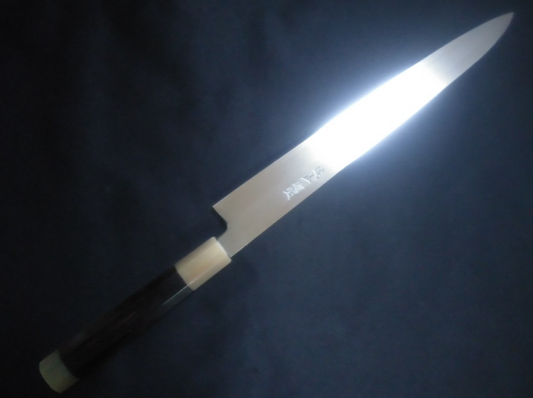
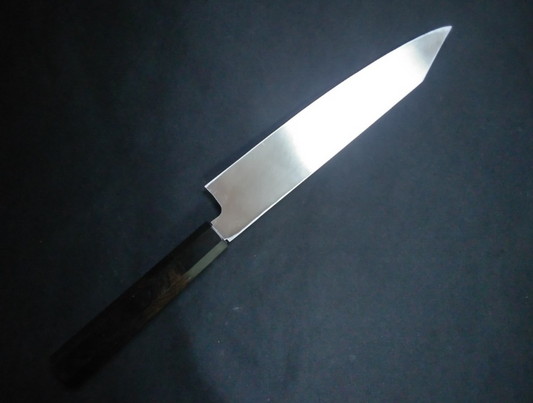
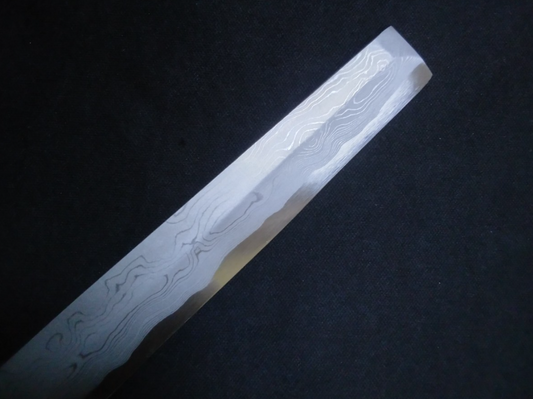
在 KIREAJI,每一把刀都在日本堺市按订单制造。照片展示了安装手柄前的刀片,这让工匠能够根据您的具体订单,完美地调整刀具的平衡性和刀刃。您的刀具将完全成品交付——专为您量身定制。

来自Sakai的全球配送
世界各地的烹饪行家都在寻觅正宗的堺刀——这座日本传奇的刀具制造城市拥有超过600年的传统。
在 KIREAJI,我们与堺市的匠人大师合作,将原汁原味的手工刀具从作坊直接运送到全球的厨房,以满足您的需求。
-

源于传统,受变革启发
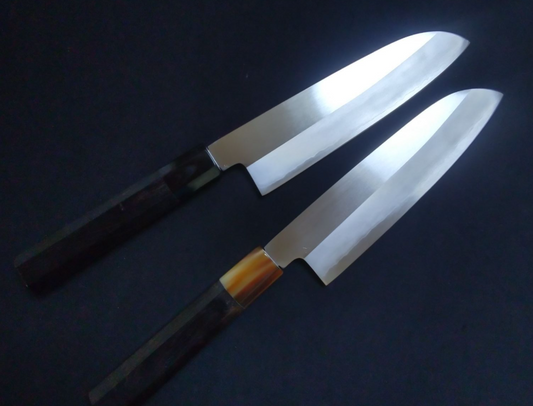
三德刀诞生于20世纪40年代的日本,融合了传统日式刀具的精湛技艺和西方厨师刀的多功能性。它诞生于日本饮食文化的演变时期,成为现代厨房理想的“第一把刀”——能够轻松应对肉类、鱼类和蔬菜的烹饪。

-

三德刀操控紧凑,手感轻盈灵活,非常适合日常切菜。相比之下,牛刀则拥有更长的长度和更流畅的切割体验,能够轻松切出大块食材的长而光滑的薄片。了解这种操控性和切割范围之间的平衡,有助于您选择一把能够自然融入自身烹饪节奏的刀具。

二、菜切刀:日式蔬菜料理的灵魂
-

如果说有一种刀能代表日本日常的蔬菜烹饪,那就是菜切刀(Nakiri)。
安静、长方形、看似简单,Nakiri 的设计初衷只有一个——而且它以惊人的清晰度完成了这个使命。
这不是一把试图包办一切的多功能刀。
这是一把蔬菜刀,旨在让日常备菜更顺畅、更干净、更令人满意。

-

Usuba——精准专家
- 单斜面刀片,仅一侧开刃,以实现极高的精度。
- 同样是长方形的,但设计用于精细切割——是专业厨师的理想选择。
- 擅长切出薄如纸片的蔬菜片和进行装饰性切割等任务,因为这些任务对外观的呈现效果要求很高。
-


-

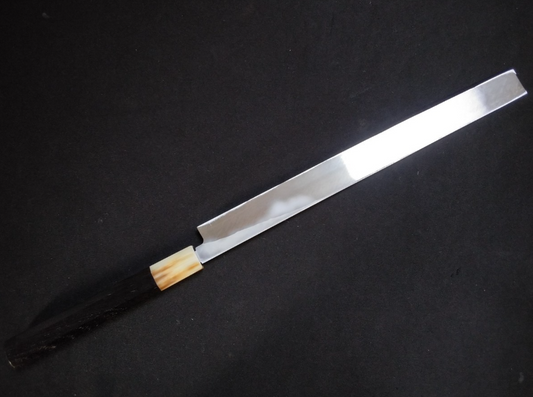
虽然这种刀成为关东地区的标准,但柳刃在关西地区发展起来。柳刃具有弯曲的刀刃和尖锐的刀尖,非常适合复杂的刀具作业。
-

它的名字之谜
确切的起源尚不清楚,但一种说法认为它源于江户时代,当时东京湾盛产章鱼,当地人经常食用。由于章鱼肉质滑嫩,用出刃刀难以干净利落地切开,因此章鱼引(Takohiki)便成了自然而然的选择。尽管现在它也用来指代各种刺身,但其名称可能正是源于此。
-

章鱼引体现了精准、高效和江户前寿司的精神,只需极少的手腕动作即可切出长而干净的片状寿司。


-

柱子
大阪是日本河豚消费量最高的地区,这里的厨师对改进烹饪技术的需求日益增加。这种需求促使河豚引不断改进,最终形成了现代设计。
-

为什么锐度会改变味道
钝刀会施加压力,破坏鱼肉的细胞结构。这不仅会改变鱼肉的口感,还会加速其腐败变质。而河豚刀极其锋利的刀刃则能完整保留鱼肉的每一个细胞,确保鱼肉鲜嫩弹牙,一口咬下去,这正是优质河豚刺身的精髓所在。


河豚引:源自大阪河豚传统的精密刀具
-

专为超薄切片而设计的 Fuguhiki 能够保留食材的质地、风味和视觉美感,体现了工艺与烹饪文化之间的和谐。

Ⅴ. Sujihiki:干净、轻松切割的日式切片刀
-

主要功能
细长刀刃
通常为 210 毫米至 300 毫米,其中 240 毫米至 270 毫米最为常见,加长的刀刃长度可实现不间断的长切动作,非常适合烤肉、牛腩和精致蛋白质。
纤薄笔直的外形
窄刀刃减少了表面接触,实现了更顺畅的切割并改善了控制。
薄刀刃几何形状
薄刀刃最大程度地减小了压力,防止肉类纤维受损,并保留了质地和水分。
双刃多功能性
大多数筋引刀都是双刃的,因此左右手使用者均可使用,并且对于从西式刀具过渡的厨师来说也更容易上手。 -

筋引刀与牛刀
Gyuto 被设计成一种用于处理肉类、鱼类和蔬菜的多功能厨师刀,而 Sujihiki 则专门用于切片。Sujihiki 更长更窄的刀片可以实现更平滑的拉切,并能更好地呈现食材,尤其是在处理大块肉或精致蛋白质时。
-

为什么切片清理很重要
切肉或鱼时,钝或厚的刀片会压扁纤维,导致汁液流失,口感变差。筋引刀纤薄锋利的刀刃能最大限度地减少压力,从而保留风味和美观度。其结果是切片更整齐,口感更好,烹饪体验更精致。


六、鳗鱼刀:处理滑溜食材的专用刀具
-

处理鳗鱼是日本料理中最具挑战性的环节之一。鳗鱼皮滑嫩、鱼骨坚硬,加上独特的处理方法,需要一把与众不同的刀具。鳗鱼刀——也称鳗鱼刀或大阪刀——正是为此而生:这把刀专为快速精准地打开、分割和处理鳗鱼而设计。
-

鳗鱼文化的静默支柱
每一份完美烤鳗鱼背后,都离不开这把看似不起眼却又无比专业的刀。食客们鲜少见到这把鳗鱼刀,它却是不可或缺的幕后工具,支撑着日本最受欢迎、技术难度也最高的菜肴之一。它提醒我们,日本的刀具文化不仅在于美观和锋利,更在于尊重食材和精湛的技艺。
-

-

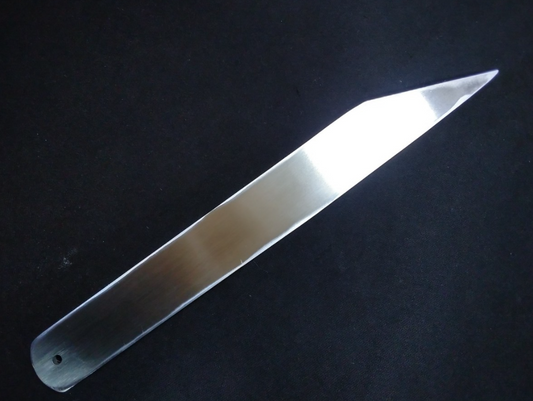
在关东地区(东京),厨师们使用江户崎,这是一种刀尖角度极锐的刀具,专门用于从鳗鱼背部剖开鳗鱼。它短小的刀柄和紧凑的造型,握在手中几乎就像握着一把毛笔,即使在狭小的空间里也能进行极其精准、可控的动作。
在关西(大阪),传统做法有所不同。这里使用大阪刀——一种更重、更坚固的刀,刀身钢材深入刀柄。这种设计适合关西人将鳗鱼腹部剖开的方法,注重强度、稳定性和果断性。
在名古屋和伊势地区,您可以找到名古屋崎,它有着独特的圆角矩形形状。这种形状的设计是为了避免损伤内脏器官,可以被视为关东和关西哲学思想的巧妙融合——反映了该地区作为文化交汇点的地位。
与此同时,京都使用的刀形类似一把小型中国菜刀,用途广泛,既可以处理鳗鱼,也可以处理其他鱼类——这体现了这座城市精致而实用的烹饪文化。
这些差异并非设计上的偶然。它们是地域历史、烹饪方法和价值观的真实记录。
鳗鱼刀向我们展示了,在日本,即使使用相同的食材,工具也会随着当地智慧的演变而发展——而这正是日本刀具文化非凡深度的体现。


七、切付刀:优雅而锋利,兼具精准与气场
-

柳刃刀和薄刃刀之间
切付刀通常被视为柳刃和薄刃的结合体。
其细长优雅的刀身适合通过干净利落的抽拉切割来制作生鱼片,而其精准的刀尖和精巧的几何形状则使其能够进行精细的蔬菜处理,包括桂剥和装饰性雕刻。这使得切付刀成为一把用途广泛但要求较高的刀具。
它不像三德刀那样是简单的多功能刀。相反,它是一把奖励技巧、耐心和正确技法的刀具。 -

适用于生鱼片、蔬菜和精细加工
切付刀擅长需要精确性的任务。
它可用于切出干净利落的生鱼片薄片、塑形蔬菜、制作精细的装饰性切割,以及在摆盘前修整食材的边缘。这是一款在外观和质地与味道同等重要的时刻使用的刀具。
从传统的日本料理到精致的现代烹饪,切付刀为砧板带来了优雅,为每一次动作带来了清晰。 -

不只是功能—更是匠心的宣言
切付刀不仅仅是一种烹饪工具。
凭借其引人注目的外观、锋利的刀尖和精致的存在感,它代表了日本刀具制作之美:通过严谨将形式和功能融为一体。对于那些看重精准、传统和视觉优雅的人来说,切付刀提供了深刻而有益的体验。这是一款需要技巧的刀具——作为回报,它能让厨师的敏锐度和技艺以非凡的清晰度触及食材。


