• Where Steel Meets Place, Tradition Finds Form

    Japanese knives are not born in factories—they are born in places. Geography, climate, resources, and history have shaped distinct centers of knife-making, each with its own philosophy and strengths.

    Sakai in Osaka, with its system of divided labor, refined single-bevel blades to a level trusted by nearly every professional chef in Japan. Sanjo in Niigata, forged by the resilience of iron nail makers, developed durable, double-edged knives cherished by both chefs and home cooks. Seki in Gifu, once a city of swordsmiths, blended 700 years of tradition with modern production, creating blades that balance accessibility with quality.

    By exploring these regions, you will see how place and culture are inseparable from craft. Each city is more than a location—it is a living environment where knowledge, steel, and spirit converge, giving birth to knives that embody the character of their homeland.

Three Major Knife Regions in Japan

  • Three Regions, One Tradition

    Japanese knife-making is defined by three great regions—Sakai (Osaka), Sanjo (Niigata), and Seki (Gifu). Each has its own character: Sakai leads the professional market with hand-forged, single-edged masterpieces; Sanjo is known for durable double-edged knives beloved by both chefs and home cooks; and Seki blends tradition with mass-production to deliver versatile and accessible blades.

    Together, they form the backbone of Japanese cutlery, balancing artistry, functionality, and innovation—and ensuring that Japanese knives remain trusted worldwide.

 Sakai - The Sacred Home of Japanese Knives

  • The Sacred Home of Japanese Knives

    For over 1,600 years, Sakai has stood at the heart of Japan’s blade-making tradition. From tools forged for ancient tombs to the specialized kitchen knives of today, its craftsmen have refined techniques passed down through centuries.

    What makes Sakai unique is its division of labor system: forging, sharpening, and handle-making are each performed by dedicated masters. This collaboration produces blades of unmatched sharpness, balance, and durability. With innovations like the deba, usuba, and yanagiba, Sakai defined the very forms of Japanese knives that continue to inspire chefs around the world.

Why Japanese Chefs Choose Sakai Knives

  • Why do nearly all Japanese chefs choose Sakai knives?

    It is not chance, but the result of six centuries of refinement. Sakai’s knife-making tradition, recognized as a Traditional Craft of Japan, continues to set the benchmark for professional kitchens.

    The first reason is specialization. In Sakai, no single craftsman makes an entire knife. Instead, each step—smithing, sharpening, and handle-making—is entrusted to a master of that stage. This division of labor channels a lifetime of skill into every detail: a more precise blade profile, a sharper and longer-lasting edge, a perfectly balanced handle.

    The second reason is handcraftsmanship. Unlike factory-made knives, Sakai blades are guided by the hands of artisans from start to finish. Every hammer strike, every choice of whetstone, every adjustment of balance is done manually. These subtle interventions are what give Sakai knives their legendary sharpness, durability, and refinement.

    This blend of specialization and handcraftsmanship explains why 98% of Japan’s professional chefs—who demand absolute reliability in their tools—choose Sakai. A Sakai knife is more than cutlery; it is trust forged in steel.

Sakai Uchihamono

  • Sakai Uchihamono – The Soul of Japan Forged in Steel

    For over 600 years, Sakai has stood as Japan’s sacred home of knife-making. From forging tools for ancient tombs to creating tobacco knives endorsed by the Tokugawa Shogunate, its craftsmen have constantly adapted—turning crisis into opportunity and innovation into tradition.

    What sets Sakai apart is its division of labor system, where forging, sharpening, and handle-making are each perfected by specialists. Combined with single-bevel blade mastery and hand-forging techniques of fire, water, and steel, this results in knives of unmatched sharpness, durability, and soul.

    Sakai’s artisans have created more than 40 types of specialized knives—from sashimi yanagiba to eel-cutting blades—reflecting the depth of Japanese cuisine itself. Today, even as the industry faces challenges of aging craftsmen and mass production, Sakai continues to inspire chefs worldwide with its blend of preservation and innovation.

    To own a Sakai knife is to hold not just a tool, but a piece of Japan’s history, culture, and spirit of craftsmanship—an enduring tradition that brings the soul of Japan into every kitchen.

How to Become a Traditional Craftsman in Sakai

  • Traditional Craftsmen of Sakai – Guardians of Japan’s Knife Heritage

    In Japan, only artisans of the highest skill are honored with the title of “Traditional Craftsman,” officially certified by the government. In Sakai, where kitchen knives are world-renowned, this recognition is extremely rare — as of May 2024, only 28 craftsmen hold the title.

    To qualify, an artisan must devote over 12 years of hands-on training, pass rigorous written and practical exams, and work within Sakai’s cultural and historical traditions. Even after certification, the pursuit of mastery never ends.

    These craftsmen are more than artisans. They are mentors, innovators, and guardians — passing down ancient skills, preserving quality trusted by chefs worldwide, and exploring new methods without losing tradition.

    Yet, they face challenges: fewer young successors, global competition, and the urgent need for formal training systems.

    What they protect is not just the making of knives, but the spirit of Japanese craftsmanship itself — respect for food, devotion to detail, and pride in perfection. Thanks to them, Sakai knives continue to inspire chefs across the globe.

Passing Down Sakai’s Knife-Making Tradition

  • More Than Skills—Passing Down Spirit and Pride

    In Sakai, knife-making skills are preserved through long apprenticeships, where young craftsmen learn by watching, listening, and practicing under masters. Techniques are transmitted orally and visually—capturing subtle movements that cannot be written in manuals. Supported by the community through training programs and the prestigious Traditional Craftsman certification, these methods—such as hand-forging with pine charcoal, water quenching, and natural whetstone sharpening—continue because they produce unmatched quality. Ultimately, what is passed down is more than skill: it is pride, trust, and the spirit of craftsmanship that ensures Sakai knives will endure for generations.

Sanjo: A City Forged by Nails, Nature, and Innovation

  • From Nails to Knives, Forging Resilience into Artistry

    Nestled between the Shinano and Igarashi Rivers, Sanjo City in Niigata Prefecture stands as one of Japan’s great centers of cutlery production. Unlike Sakai or Seki, its roots do not trace back to samurai swords, but to the everyday craftsmanship of farmers and blacksmiths who learned to forge nails in the 17th century. Through floods, hardship, and perseverance, Sanjo transformed itself into a world-class hub of metalwork — a place where skill was born “in harmony with nature.”
    This video explores how Sanjo’s geography, climate, and indomitable spirit shaped a legacy of craftsmanship that continues to define Japanese blade-making today.

Seki: One of the World’s Top Three Cutlery Centers

  • Where 700 Years of Swordsmithing Evolved into World-Renowned Cutlery

    Seki City in Gifu Prefecture is one of Japan’s three great cutlery hubs, standing proudly alongside Sheffield (UK) and Solingen (Germany). With over 700 years of tradition, it remains a forge town where ancient sword-making skills and modern technology coexist.

    Blessed with clear rivers and a stable climate, Seki nurtured an artisan culture rooted in its swordsmiths. A system of division of labor developed, ensuring that every stage of knife-making—forging, polishing, sharpening—was entrusted to specialists.

    Seki is also the birthplace of Mino-den swordsmithing, renowned for producing practical and razor-sharp blades. The legendary swordsmith Magoroku Kanemoto left behind the enduring motto: “unbreakable, unbendable, razor-sharp”—a philosophy that continues to inspire modern Seki cutlery.

    Today, Seki’s knives embody a unique dual identity. On one hand, traditional forged blades carry forward the spirit of Mino-den craftsmanship. On the other, automated press-stamped knives made from premium steels like VG-10 and layered stainless have brought reliable, rust-resistant cutlery to households worldwide. This balance between artisanal precision and mass-production efficiency defines Seki’s reputation.

    The city continues to thrive as both guardian of tradition and leader of innovation. Its annual Seki Cutlery Festival draws visitors from around the world, celebrating heritage craftsmanship while showcasing advanced technology—proof that Seki’s blades not only preserve history but also cut boldly into the future.

  • Epilogue: Regions as the Soul of Japanese Knives

    To understand Japanese knives is to understand the places that made them. Sakai’s devotion to professional precision, Sanjo’s resilience and innovation, Seki’s harmony of tradition and modernity—together, these regions form the backbone of Japan’s cutlery heritage.

    Every knife carries more than steel. It carries rivers, climates, apprenticeships, and centuries of culture. When you hold a knife from Sakai, Sanjo, or Seki, you hold not only a tool, but a history shaped by land and people.

    Regions remind us that craftsmanship does not exist in isolation. It grows from soil, community, and continuity. And through their differences, these three centers reveal one truth: Japanese knives are more than objects of utility—they are living traditions bound to place, forged for the world.

Knowledge Quiz: The Spirit of the Three Knife Regions

Origins & History

From samurai swords to modern kitchens, discover how Japanese knives became cultural icons of sharpness, tradition, and identity.

Origins & History

Materials

Discover the steels that shape Japan’s finest knives—from the razor-sharp purity of White Steel to the balance of Blue Steel, the resilience of Ginsan, and the innovation of Super Steels like ZDP189. Each material is more than metal—it is a philosophy forged through centuries of refinement.

Materials

Structure & Features

Uncover the secrets of single-bevel geometry, urasuki hollows, and design features that make Japanese knives precise and unique.

Structure & Features

Crafting Process

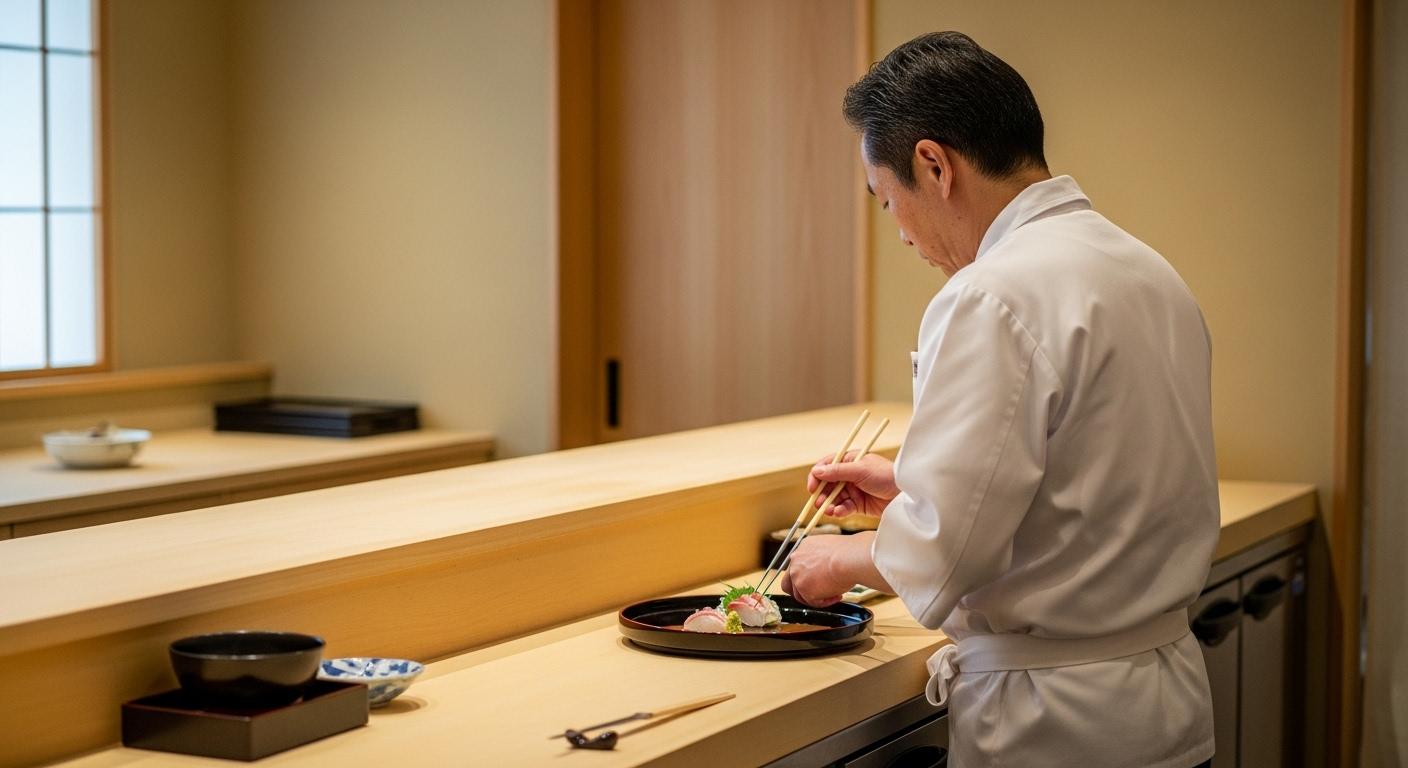
Follow the journey from raw steel to living blade—through forging, quenching, sharpening, and finishing guided by master hands.
Crafting Process

Types of Knives

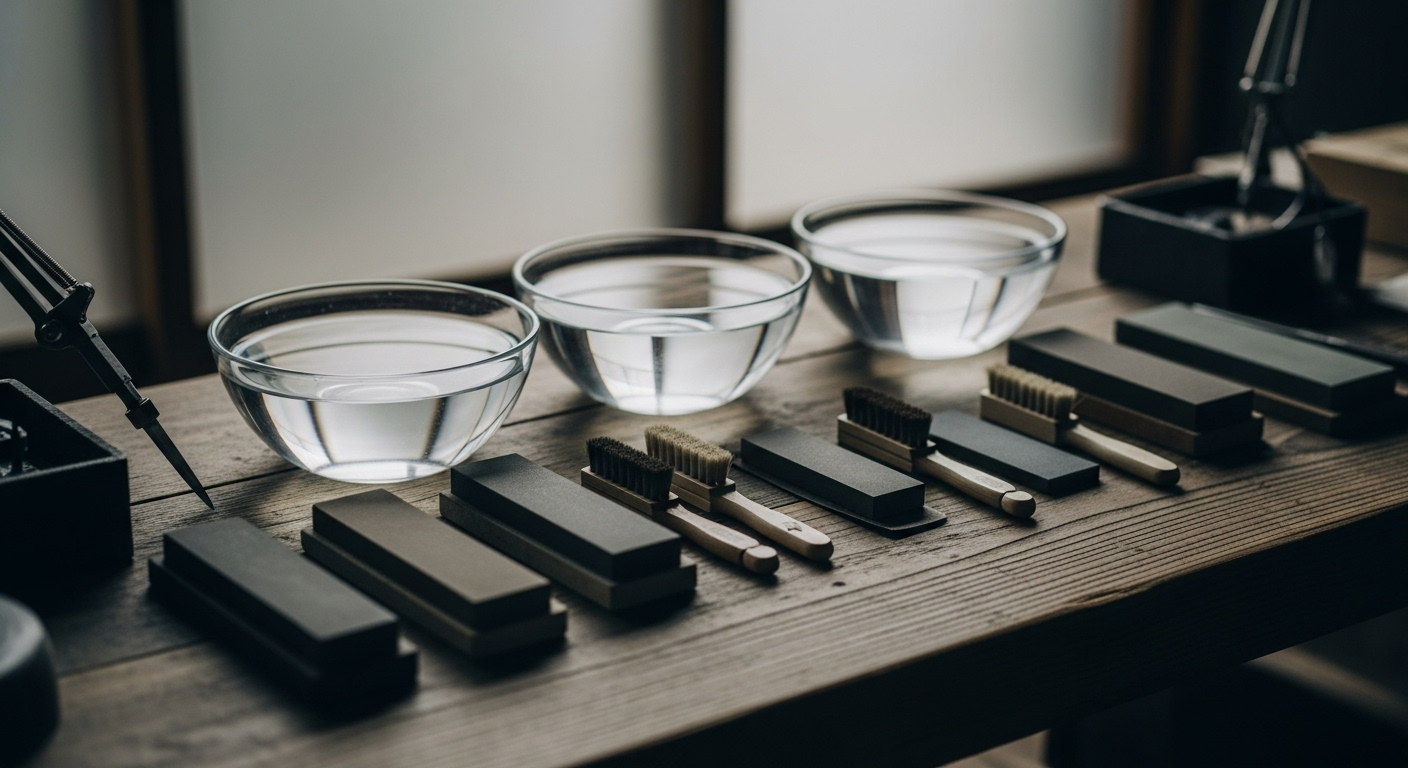
From Yanagiba to Deba to Usuba, learn why Japan developed so many specialized blades and how each reflects culinary culture.
Types of Knives

Blade Finishes

From the precision of Honbazuke sharpening to the elegance of mirror polish, the flowing patterns of Damascus, and the subtle refinement of kido finishing—each finish tells its own story of craftsmanship.

Blade Finishes

Usage & Care

Learn the daily practices—washing, drying, storing, sharpening—that preserve a knife’s sharpness, beauty, and spirit for decades.

Usage & Care

Mindset & Philosophy

Discover The Chef’s Code—principles of character, skill, knowledge, devotion, and professionalism that connect chef and knife

Mindset & Philosophy