• Blue Steel is not just an alloy—it is sharpness strengthened by endurance.

    Within Japanese knife-making, Aogami (Blue Steel) represents the evolution of White Steel, elevated by the careful addition of chromium and tungsten. These elements extend edge life, increase toughness, and bring new resilience to a material already respected for its purity and sharpness. The result is a steel that bridges precision and endurance, trusted in professional kitchens where knives must perform flawlessly hour after hour.

    In this series, we explore Blue Steel #2—the balance of sharpness and durability that makes it a favorite for both professionals and serious home cooks—and Blue Steel #1, the pinnacle of hardness and edge retention, revered by masters who demand ultimate control. We also examine the contrasts between White Steel and Blue Steel, revealing why chefs choose one path over the other. Finally, we step into the demanding world of Blue Steel Honyaki, where the risk of water quenching and the stability of oil quenching produce blades that embody both courage and craftsmanship.

    By understanding Blue Steel, you gain insight not only into its metallurgy but also into the philosophy it represents: endurance without compromise, sharpness with strength, and the relentless pursuit of balance between tradition and innovation.

Blue Steel (Aogami): The Perfect Balance of Hardness and Durability

  • A Steel That Balances Strength, Sharpness, and Tradition

    Blue Steel (Aogami) is White Steel enriched with small amounts of chromium and tungsten, creating a material that combines sharpness with superior durability. The chromium makes the steel more responsive to heat treatment, allowing it to achieve high hardness with consistency. Tungsten enhances wear resistance, ensuring that the blade maintains its edge even after long use.

    Blue Steel comes in two main types—#2 and #1—distinguished by their carbon content. Blue #2 offers a balance of sharpness and resilience, while Blue #1, with its higher carbon content, achieves greater hardness and a razor-sharp edge, though with more difficulty in sharpening.

    More expensive than both Yellow and White Steels, Blue Steel is often regarded as one of the finest materials for professional-grade knives. Its combination of edge retention, toughness, and cutting precision makes it a favorite among chefs who demand both performance and tradition.

Blue Steel #2: The Perfect Balance of Sharpness and Toughness

  • Sharpness with endurance—steel trusted in every kitchen.

    Blue Steel #2 represents one of the finest balances in Japanese knife-making: the razor-sharpness of White Steel, enhanced with the toughness and endurance of alloy elements. Forged by Hitachi Metals under the Yasugi Steel brand, it builds upon White Steel #2 with the addition of chromium and tungsten, making it stronger, more durable, and better suited to the demands of professional kitchens.

    For chefs, Blue Steel #2 is the ally that keeps pace with long hours of prep work. Its edge holds through fish, vegetables, and meats without constant sharpening, while its improved resistance to chipping ensures reliability under pressure. For home cooks, it offers a forgiving entry point into the world of carbon steels—slightly more rust-resistant than White Steel and straightforward to care for with simple wipe-and-dry maintenance.

    On the whetstone, Blue Steel #2 shines. Its smooth feedback allows sharpeners to feel every refinement, turning the act of sharpening into a dialogue with the blade. Each stroke reveals more of its potential, making it both approachable and rewarding for professionals and enthusiasts alike.

    Cooking with Blue Steel #2 is not simply about cutting—it is about connecting. It listens to your technique, reflects your intent, and quietly supports every dish, from delicate sashimi to high-volume service. With its harmony of sharpness, durability, and responsiveness, Blue Steel #2 becomes more than just a material. It becomes a trusted partner in your culinary journey.

Blue Steel #1: The Ultimate Blade for Professionals

  • Unmatched sharpness and durability—for chefs who demand perfection.

    Blue Steel #1 is revered as one of the finest steels in Japanese knife-making—a material that embodies both precision and endurance. Building on the purity of White Steel, it is enhanced with carefully balanced additions of chromium and tungsten, creating a steel that combines extreme hardness with superior wear resistance. This balance allows chefs to enjoy razor-sharp performance without sacrificing toughness, making it the choice for those who demand both sharpness and reliability.

    In the kitchen, Blue Steel #1 proves itself through experience. Sushi chefs praise its ability to transmit subtle tactile feedback—so precise that each grain of rice can be felt. French chefs admire how effortlessly it glides through delicate lamb loins. With Blue Steel #1, ingredients are not just cut; they are revealed with precision and respect.

    However, this steel is not for beginners. Its hardness requires advanced sharpening skills and attentive care. But for professionals who master its maintenance, it delivers an edge of unparalleled quality—a blade that elevates both technique and cuisine.

    Blue Steel #1 is more than steel; it is a partner. With daily care, it grows alongside the chef, reflecting their dedication and skill. For those who treat cooking as an art, this material offers not only performance but also a profound connection between blade, hand, and heart.

Blue Steel vs. White Steel: Which Knife Material Should You Choose?

  • Sharpness or Endurance? Choosing Between Two Legendary Steels

    Among Japan’s most celebrated knife materials, White Steel (Shirogami) and Blue Steel (Aogami) stand out as the two pillars of traditional craftsmanship. White Steel is renowned for its purity and ability to achieve an exceptionally fine edge, prized by chefs who value sharpness and ease of sharpening. However, its vulnerability to rust and tendency to dull quickly require frequent care and maintenance.

    Blue Steel, by contrast, incorporates small amounts of chromium and tungsten, which enhance durability, wear resistance, and edge retention. It can maintain its sharpness for far longer, making it ideal for the demanding pace of professional kitchens. The trade-off is that sharpening Blue Steel requires greater effort and skill.

    In the end, the choice reflects a chef’s priorities. White Steel rewards those who see sharpening as a daily ritual and value the purest possible edge. Blue Steel, on the other hand, is the trusted companion for those who seek long-lasting performance and resilience under heavy use. Both steels embody the philosophy of Japanese craftsmanship—precision, balance, and the pursuit of excellence in every cut.

Blue Steel #1 vs. Blue Steel #2 — Which Japanese Knife Steel Should You Choose?

  • Two steels, two philosophies—find the blade that fits your craft.

    Blue Steel is one of the most respected steels in Japanese knifemaking, prized by chefs around the world for its unmatched combination of sharpness, edge retention, and durability. Within this category, however, two distinct types—Blue Steel #1 and Blue Steel #2—offer unique qualities that make them better suited for different chefs, kitchens, and skill levels.

    Blue Steel #1 carries a higher carbon content, enabling it to reach greater hardness and sustain razor-sharp edges for longer periods. It is the steel of choice for chefs who demand ultimate performance, especially in precise, delicate work. Yet this strength comes with challenges: greater difficulty in sharpening, higher risk of chipping, and the need for careful maintenance.

    Blue Steel #2, in contrast, offers a more balanced experience. With slightly lower hardness, it is easier to sharpen, more forgiving in daily use, and still provides excellent edge retention. This makes it an ideal choice for professional chefs who need reliability in fast-paced kitchens, as well as serious home cooks who value both sharpness and practicality.

    At KIREAJI, while we do produce a limited number of Blue Steel #1 knives, many of our chefs favor Blue Steel #2 for its versatility and consistency. A well-made Blue Steel knife, however, is never about steel alone—it is also about the artisan. True quality reflects not just the material, but the dedication of the blacksmith and sharpener behind it.

    In the end, choosing between Blue Steel #1 and Blue Steel #2 is not about which is “better,” but which aligns with your style and skill. Both carry the spirit of Japanese craftsmanship, and whichever you select, your Blue Steel knife will be more than a tool—it will be a lifelong partner in your culinary journey.

White Steel #2 vs. Blue Steel #2 — Which Japanese Knife Steel Should You Choose?

  • Two steels, two strengths—choose the edge that fits your style.

    In the world of Japanese knives, the decision between White Steel #2 and Blue Steel #2 is one of the most defining choices a chef can make. Both steels share similar carbon content and hardness, yet their performance in the kitchen reveals two very different personalities.

    White Steel #2 is celebrated for its unrivaled sharpness and ease of sharpening. Its pure composition allows for smooth, precise cuts and a sharpening feel that is both direct and rewarding. For chefs who value razor-thin edges and who see sharpening as a natural part of their craft, White Steel #2 stands as the trusted choice.

    Blue Steel #2, on the other hand, takes the foundation of White Steel #2 and enhances it with chromium and tungsten. These additions give it greater durability, longer edge retention, and superior resistance to chipping. In fast-paced kitchens where knives must perform for long hours without interruption, Blue Steel #2 proves its worth as a dependable partner.

    The trade-off lies in sharpening. While White Steel #2 responds quickly and smoothly to the whetstone, Blue Steel #2 demands more effort due to its wear resistance. Yet for chefs who prefer fewer sharpening sessions and long-lasting performance, this extra challenge is a worthwhile exchange.

    Ultimately, the choice is not about which steel is “better,” but about which steel aligns with your cooking style and maintenance habits. White Steel #2 offers immediacy and precision, while Blue Steel #2 provides endurance and resilience. Whichever you choose, both steels embody the spirit of Japanese craftsmanship and, with proper care, will grow into lifelong companions in your culinary journey.

Blue Steel #2 Honyaki (Mizuyaki) : Clarity, Endurance, and High Stakes

  • Enduring sharpness, born from fire and water.

    Blue Steel #2 Honyaki, hardened through the demanding Mizuyaki (water quench) process, represents one of the boldest achievements in Japanese knife-making. Beginning with the purity of White Steel and enhanced with small amounts of chromium and tungsten, Blue Steel #2 offers greater toughness and edge retention while preserving the refined cutting feel that defines traditional carbon steel.

    The Mizuyaki quench sets this blade apart. By cooling the blade rapidly in water, maximum hardness and stability are achieved—but at the cost of extremely high failure rates. Cracking, warping, and breakage are common, even in the hands of master smiths, which makes each successful Blue Steel #2 Honyaki both rare and highly prized.

    On the whetstone, it rewards discipline. Sharpening takes more care than with White Steel, yet the feedback is clean and direct, allowing you to refine an edge that lasts through long hours of prep work. In professional kitchens, this steel answers the chef’s precision with consistency, preserving the texture and integrity of fish, vegetables, and meats without harshness.

    This knife is not for everyone. It demands commitment—careful maintenance against rust, steady sharpening, and respect for its limits. But for those who embrace its risks and responsibilities, a Blue Steel #2 Honyaki becomes more than just a blade. It is a partner forged in risk, delivering clarity, endurance, and mastery to those who wield it.

  • Epilogue: The Strength Within Blue Steel

    Blue Steel is more than a material—it is resilience forged into form. From the approachable strength of Blue Steel #2 to the uncompromising sharpness of Blue Steel #1, and from the rare artistry of Mizuyaki Honyaki to the quiet stability of Aburayaki, each expression of Aogami reveals a different path toward mastery.

    What unites them all is not only their ability to endure but their ability to reflect. A Blue Steel knife carries the dedication of the smith, the patience of the sharpener, and the focus of the chef. To choose Blue Steel is to choose a spirit of strength guided by refinement, where sharpness lasts, resilience matters, and the blade becomes an enduring partner in your craft.

    With time and care, Blue Steel becomes more than just steel. It becomes memory, discipline, and a quiet force that shapes every cut into a lasting expression of skill.

Knowledge Quiz: The Strength Within Blue Steel

Origins & History

From samurai swords to modern kitchens, discover how Japanese knives became cultural icons of sharpness, tradition, and identity.

Origins & History

Regions & Craftsmen

Explore Sakai, Sanjō, and Seki—the three great knife-making centers of Japan. And in Sakai, meet the master artisans whose hands preserve tradition and shape the future of Japanese blades.

Regions & Craftsmen

Structure & Features

Uncover the secrets of single-bevel geometry, urasuki hollows, and design features that make Japanese knives precise and unique.

Structure & Features

Crafting Process

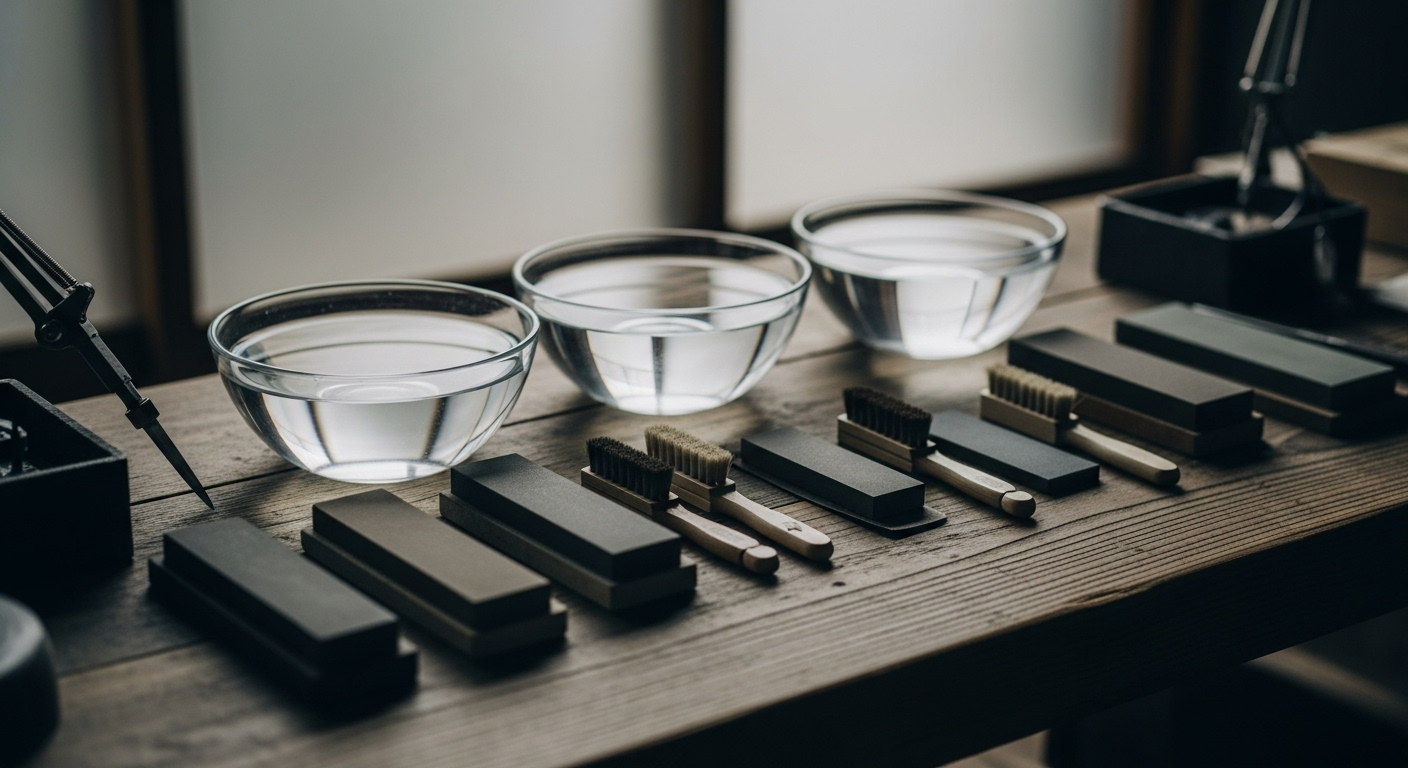
Follow the journey from raw steel to living blade—through forging, quenching, sharpening, and finishing guided by master hands.
Crafting Process

Types of Knives

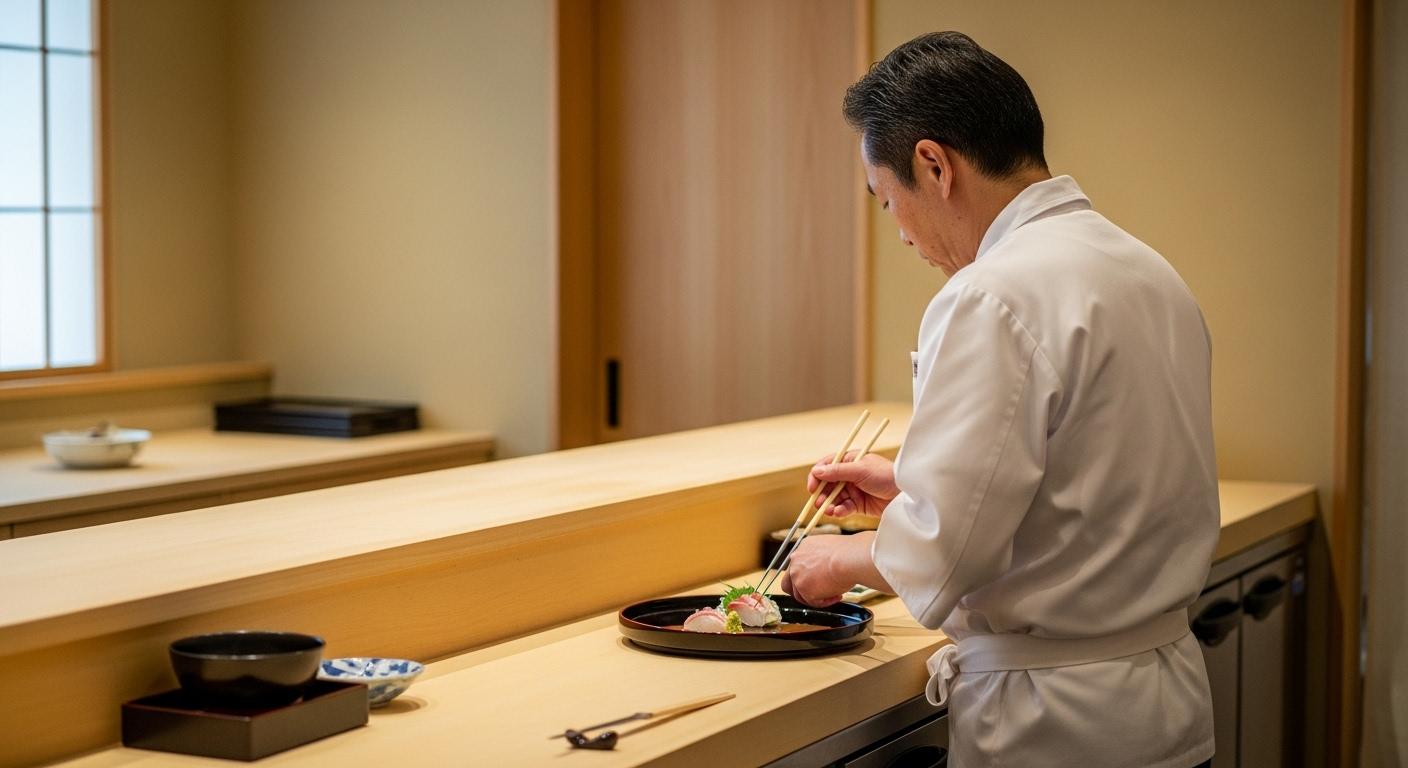
From Yanagiba to Deba to Usuba, learn why Japan developed so many specialized blades and how each reflects culinary culture.
Types of Knives

Blade Finishes

From the precision of Honbazuke sharpening to the elegance of mirror polish, the flowing patterns of Damascus, and the subtle refinement of kido finishing—each finish tells its own story of craftsmanship.

Blade Finishes

Usage & Care

Learn the daily practices—washing, drying, storing, sharpening—that preserve a knife’s sharpness, beauty, and spirit for decades.

Usage & Care

Mindset & Philosophy

Discover The Chef’s Code—principles of character, skill, knowledge, devotion, and professionalism that connect chef and knife

Mindset & Philosophy