• 探索整个 KIREAJI 系列

    堺市收藏的所有日本刀

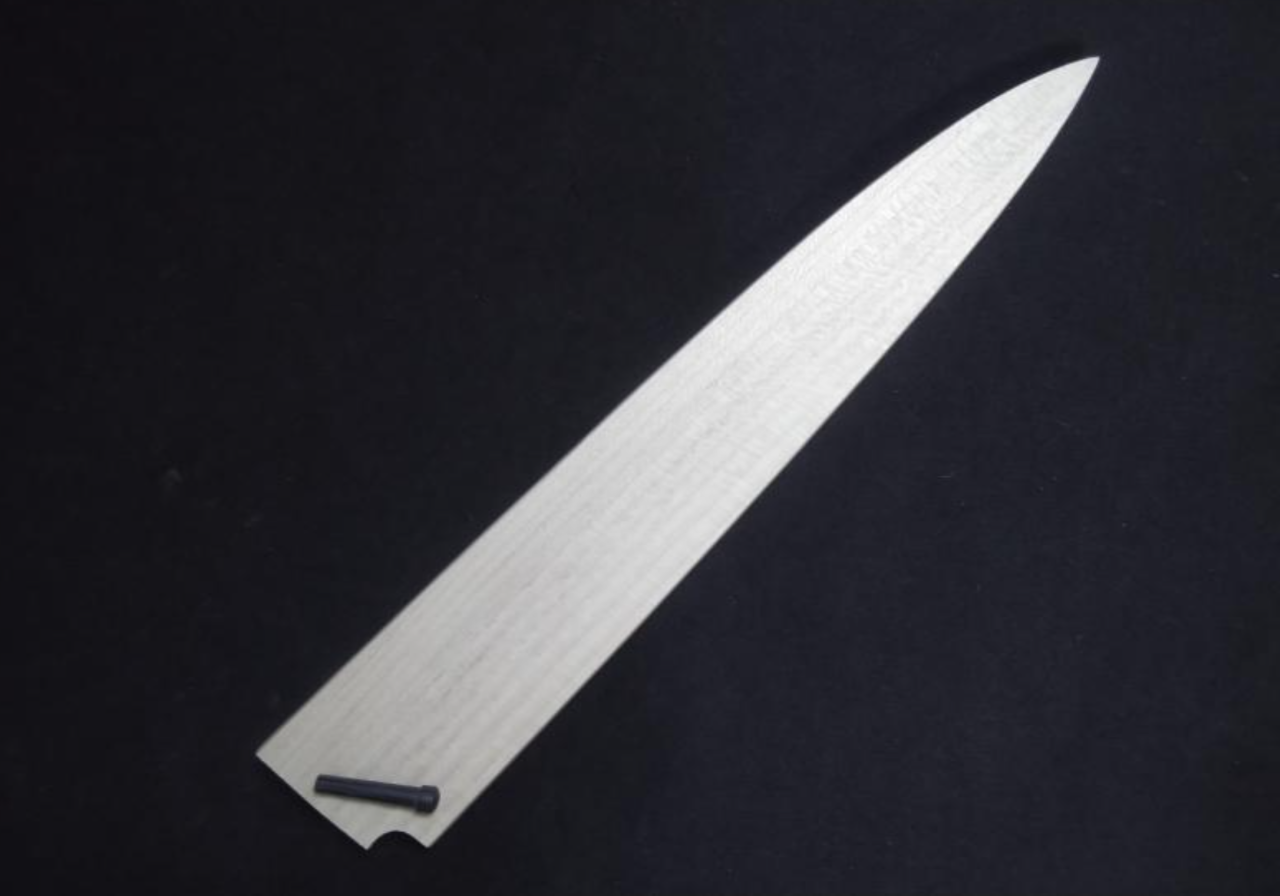
    所有刀具均附带免费的 Saya(刀鞘)。

  • 你手中的刀有其历史。

    600多年来,日本堺市的工匠们一直在锻造备受推崇的刀具,这些刀具深受追求卓越的人士(其中98%是日本专业厨师)的信赖。
    这不仅仅是因为传统。更是因为当刀刃触及砧板那一刻您所感受到的。

    数据来源(98%准确率):堺市观光局 
  • 一刀在手,三生精通。

    在 KIREAJI,每一把刀都是百年分工的结晶——三位专家,每人专注于一个阶段:
    锻造钢铁的刀匠。
    定义刀刃的磨刀大师。
    完成平衡的刀柄工匠。

    没有捷径。没有妥协。每一把刀都由技艺精湛的工匠塑造,秉承着数百年传承的精湛技艺。

  • 为那些用心烹饪的人而生。

    专为心怀愿景的烹饪者打造。
    无论您是清晨六点在专业厨房分解鱼类,还是在家中慢享周日晚餐,KIREAJI 刀具都能满足您的需求。
    精准。平衡。非凡出众。

    探索系列。
    寻找属于您的刀具。

Sakai 收藏的所有日本刀具

Ōhira Natural Finishing Whetstone

隆重推出日本天然磨刀石系列

我们很高兴地推出 KIREAJI日本天然磨刀石系列——向日本源远流长的磨刀艺术致敬。
我们精心挑选的第一块石头标志着这段旅程的开始,它因其美观、质地和卓越的性能而备受青睐。

每一块天然磨刀石都是独一无二的,由大自然历经数百年雕琢而成。
我们将继续倾听顾客和工匠的意见,扩大这一系列——添加体现日本工艺精神、精致和沉稳力量的宝石。

这仅仅是系列的第一章,这个系列将会一块一块地慢慢壮大。

日本天然磨刀石
  • japanese_knife_made_in_Sakai

    1. 秉承堺的遗志

    堺市——日本著名的专业厨刀发源地——每一把刀都由拥有超过六个世纪传统的工匠精心打造。刀刃完美平衡,持久锋利,工艺精湛,每一次切割都蕴含着真正的工艺精髓。

  • 2. 贴心呵护,呵护您的日常使用

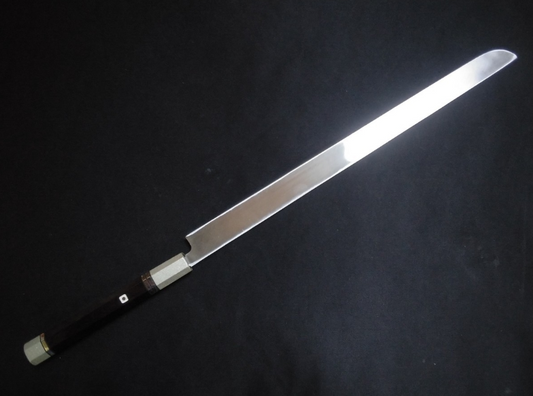
    每把刀都配有手工镶嵌的木兰刀鞘,方便安全存放。如有需要,我们提供免费的“本刃付”手工磨刀服务,让您从第一天起就能拥有精准锋利的刀刃。

  • 3. 终生的伙伴关系

    KIREAJI 刀不仅仅是一件工具,更是您一生的伴侣。我们提供定制的付费售后服务,以维护其锋利和美观,确保它始终如初,精准可靠,如同初次接触您的手。

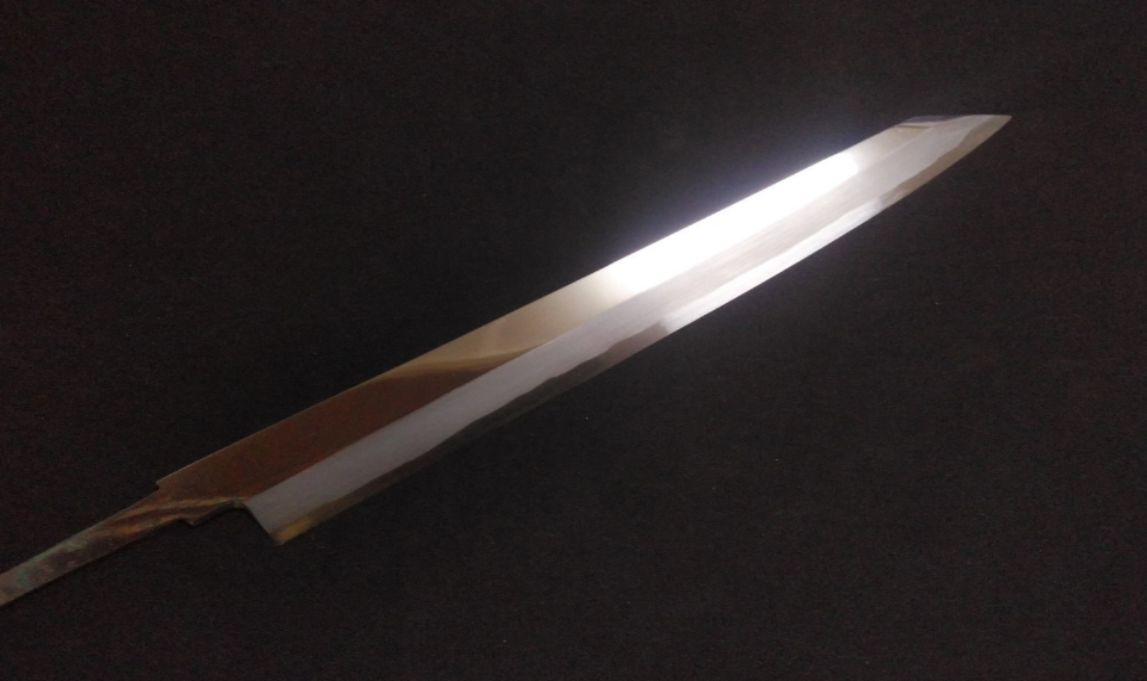
为什么许多产品照片只显示刀片

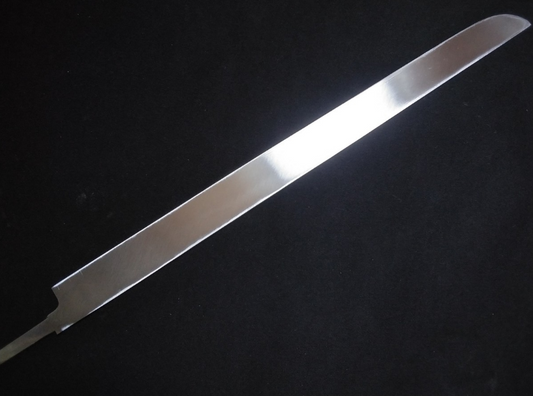
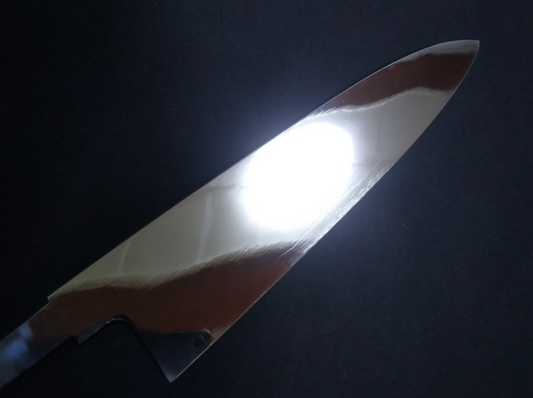
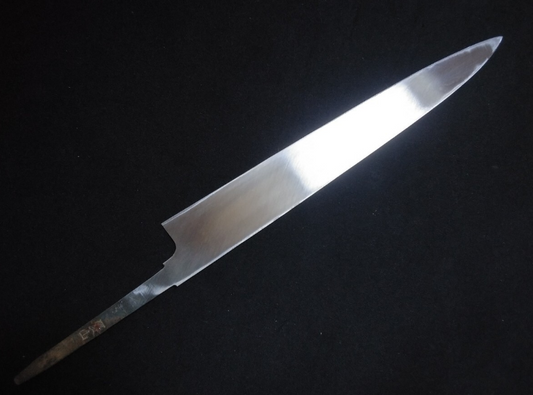
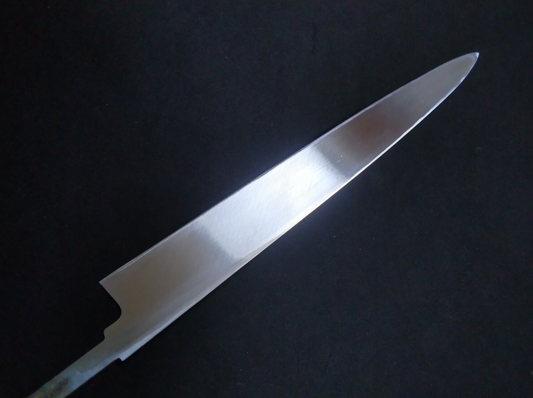
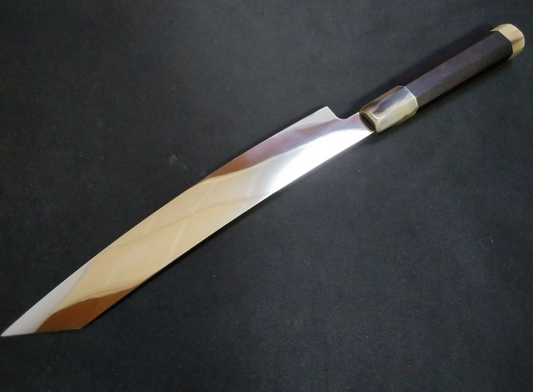
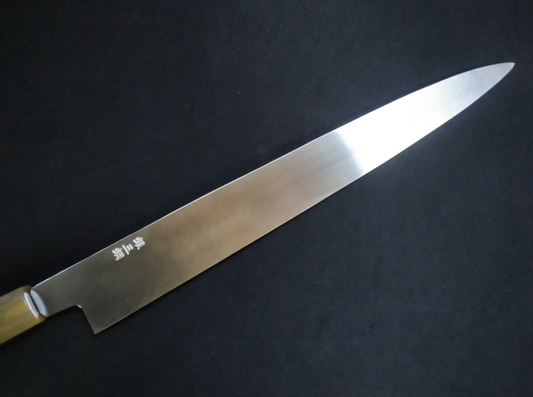
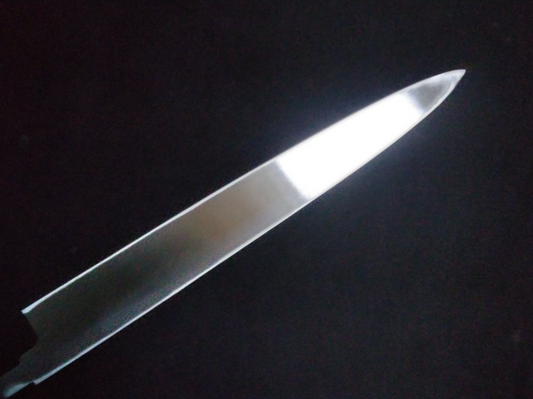
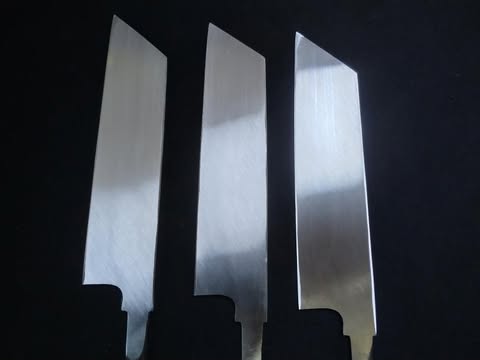
在KIREAJI,每一把刀都是在日本堺市定制的。照片展示了刀柄安装前的刀身,工匠可以根据您的具体订单,调整刀身的平衡度和刀刃。您的刀具已完成所有工序,为您量身定制。

定制日本刀

Sakai 的全球配送

世界各地挑剔的厨师都在寻找来自堺市的正宗日本刀具——堺市是日本传奇的刀具制造城市,拥有 600 多年的传统。
在 KIREAJI,我们与堺市的工匠大师们一起努力实现这一愿望,将真正的手工刀具从工作室直接运送到世界各地的厨房。

Sakai 的全球配送

为什么堺市以刀具闻名?

  • 说到世界级的刀具,人们往往会联想到德国或法国的品牌。但在日本,有一座小城却悄然赢得了全球厨师和刀具收藏家的青睐:位于大阪南部的堺市

    那么,是什么让这座不起眼的城市成为日本刀具制造的中心呢?

  • 历史铸就的传奇

    从古代铁器到现代厨房杰作

    堺市的刀具制作历史可追溯至1600多年前,始于古坟时代,当时人们首次制作铁器用于建造大型坟墓。几个世纪以来,这些锻造技艺不断发展——到了江户时代(1603-1868) ,堺市因制作专门切割烟叶的刀具而闻名全国。这些所谓的“烟草刀”对刀具的精准度和耐用性提出了极高的要求,为品质树立了新的标准。

    这就是堺市打刃物(堺市锻造的刀具)的诞生,也标志着该市开始享有顶级餐具产地的声誉。

  • 武士的根源:刀匠的影响

    武士刀的精神在今天的厨刀中得以延续

    堺市的制刀传统与日本的武士刀文化有着深厚的渊源。武士时代衰落后,许多刀匠将手艺从制作武士刀转向制作高品质的菜刀。

    他们精湛的锻造技艺——例如将钢材折叠以增强强度,以及进行精确的热处理——代代相传。这份精湛的工艺传承至今,仍然是堺市刀具产业的支柱。

  • 世代传承的工艺文化

    技艺通过家庭传承,而非工厂

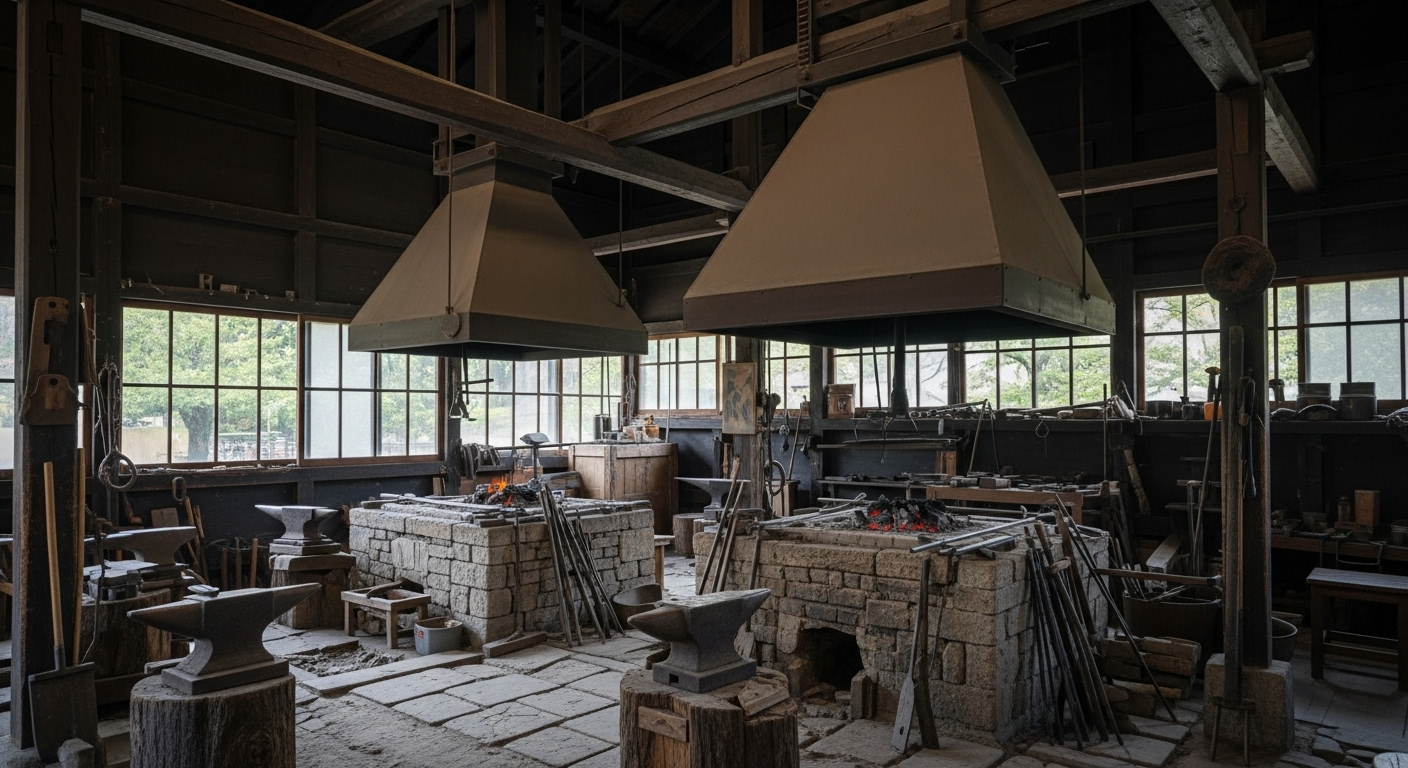
    与大型工厂批量生产的刀具不同,堺的刀片由专业工匠打造,通常是在家庭式小作坊中。许多工匠都参与了一套系统,每把刀都要经过不同的专家:一位负责锻造,一位负责磨刀,另一位负责安装刀柄。

    这些技艺代代相传,通常是从父母传给孩子,不仅传承了技艺,更保留了每把刀背后的自豪感和哲学。这赋予了Sakai刀具灵魂——一种罕见的融合,融合了历史、人情味以及对完美的不懈追求。

  • 3. 各司其职,齐心协力

    每把刀都要经过数个世纪以来精益求精的分工——刀匠磨刀师刀柄制作师——的精心打造。这种对每个环节的专注,造就了锋利、平衡且耐用的刀刃。

  • 4. 经过专业厨房验证

    堺市旅游局报告,日本 98% 的专业厨师都使用堺牌刀具,这证明了600 多年来所建立的性能和信任。

  • Sakai Knives Six Centuries of Precision, Trusted by Professionals

    六个多世纪以来,堺市精益求精,将锻造、磨刃、刀柄制作等各个环节的匠人完美融合,臻于至善。正是这份精益求精的传统,使得98%的日本专业厨师信赖堺市制造的刀具,传承着堺市刀具的精髓,并使其持续引领日本刀具的巅峰之作。

    数据来源(98%准确率):堺市观光局 
  • There is a certain kind of person you have probably met — or perhaps are — who takes their kitchen seriously.

    Not in a showy way. Not in the way of expensive gadgets lined up for admiration. But in a quieter, more personal way: a knife they always reach for first. A pan they would never let anyone else wash. A way of chopping an onion that just works, developed over hundreds of meals until it became instinct.

    This is what it means to have kodawari — a Japanese word that has no perfect English translation, but captures something close to a personal conviction, a stubborn devotion to doing things your own way, for your own reasons. Not perfectionism. Not obsession. Something more grounded than either: the quiet insistence that the things you do regularly deserve to be done with care.

  • The Tool You Choose Says Something About You

    Walk into any serious cook's kitchen and you will learn something about them before they say a word.

    The knife on the cutting board. Whether it is worn or immaculate, heavy or nimble, a carbon-steel workhorse or a delicate Japanese single-bevel — it tells a story. So does the cutting board itself: wood or plastic, thick or thin, already scarred with years of use.

    These choices are not arbitrary. They are the result of experience, of trial and error, of deciding — consciously or not — this matters to me. Every cook who has ever sharpened a knife by hand, or seasoned a cast-iron pan with patience, or sought out a particular variety of rice, has crossed a quiet threshold: from cooking as a task to cooking as a practice.

    A tool chosen with conviction becomes an extension of yourself.

  • Conviction Is Not Rigidity

    It is worth saying clearly: having personal standards does not mean being closed to new ideas. The cook who insists their grandmother's wooden spoon is the only spoon worth using, but who will happily try a new spice or a technique from another culture — that is kodawari in its healthiest form.

    Conviction is not about stubbornness for its own sake. It is about knowing why you do what you do. When you understand why you prefer a heavier knife — the feel of it, the momentum it brings to a stroke, the way it seems to ask less effort — you can also recognize when a lighter blade is the right choice for a different task. Conviction, at its best, is informed. It is flexible where it needs to be, and firm where it counts.

    The opposite — having no particular view on anything, using whatever is to hand, cooking without curiosity or preference — produces food that is technically correct and emotionally empty.

  • What Happens When You Cook With Care

    There is a moment that every attentive cook knows, though they may never have named it.

    It happens somewhere in the middle of a meal preparation: the knife is sharp, the board is steady, the rhythm is right. The ingredients are moving through your hands with a kind of logic, each step following naturally from the last. You are not thinking about the recipe anymore. You are just cooking.

    This is not an accident. It is the result of accumulated small decisions made with care: the knife you sharpened last week, the habit of mise en place you built over months, the way you learned — perhaps from a mentor, perhaps from failure — exactly how much salt the water needs.

    Cooking without conviction is like playing music without feeling. The notes can all be correct, and something vital can still be missing.

  • Your Kitchen, Your Philosophy

    Every culture in the world has its own approach to cooking, its own tools, its own rhythms. A Moroccan cook has strong feelings about a tagine. A Thai cook about a mortar and pestle. An Italian grandmother about which pasta pairs with which sauce, and she will not be moved on the subject.

    These are not arbitrary prejudices. They are the distilled knowledge of generations, filtered through one person's particular life and palate. When someone cooks with that kind of grounded confidence, you can taste it.

    The food carries the cook's conviction.

    You do not need to follow any single tradition to develop your own. In fact, the most interesting cooks are often those who have drawn from many sources and arrived at something entirely their own: a kitchen that is part Japanese precision, part Italian warmth, part weeknight pragmatism, and entirely personal.

  • Start With the Knife

    If there is one place to begin — one object around which a cooking philosophy can crystallize — it is the knife.

    Not because it is the most important tool in every context, but because it is the most personal. The weight, the balance, the length of the blade, the material of the handle — these things matter differently to different hands. No one can tell you which knife is right for you, because right is defined by use, by feel, and by the thousands of small decisions that accumulate into preference.

    Find a knife that feels like yours. Learn to sharpen it. Use it until you know its character — the way it moves through a carrot, the angle it prefers, the sound it makes on a good wooden board.

    Then cook. With that knife, with your preferences, with your own quiet conviction.

    The meal you make will not just be food. It will be, in a small and real way, an expression of who you are — and what you have decided is worth caring about.

    That is the art of having standards. And it is available to anyone willing to pay attention.

  • The hardness of a Sakai knife is not a design preference. It is the answer to a question asked by a specific stone, found in a specific place, used by a specific generation of craftsmen who no longer exist.

    To understand why Sakai knives are hard, you need to begin with the geography and food culture of the Kansai region — the fresh fish of Osaka Bay, the pulling cut of Kansai cuisine, and the local whetstone tradition that together produced a blade with a distinctive tendency toward hardness.
    Of these factors, the one most worth examining closely is the stone. The relationship between the aoto — the blue whetstone historically dominant in the Sakai sharpening tradition — and the hardness of Sakai blades is one of the most instructive examples of how a tool is shaped not by intention alone, but by the specific physical environment in which it is used.

  • The Stone That Set the Terms

    Aoto — literally "blue whetstone" — is a medium-finishing natural stone, positioned between the coarse stones used for heavy metal removal and the fine finishing stones used to refine the edge to its final quality. It is not a rare stone. It was historically available in Kansai, used widely by the craftsmen and sharpeners of the region, and formed the basis of the intermediate sharpening stage through which Sakai knives passed on their way to finished form.

    The particle size of aoto — its grit, in modern terms — is coarser than the finest finishing stones but fine enough to begin establishing the edge's final character. A blade sharpened to the aoto stage has most of its geometry established, most of its gross scratches removed, and the beginning of a functional edge. What it does not yet have is the refinement of the finest finishing stones.

    For the craftsmen who made knives to be sharpened on aoto, this intermediate stage was the working reality — the stone that most sharpeners had, the stone that most knives would regularly encounter, the stone against which the knife's performance in daily use would be primarily measured.

  • The Hardness That Won on Aoto

    The relationship between blade hardness and stone grit is not arbitrary. It is physical.

    A softer blade, sharpened on a medium stone like aoto, develops an edge quickly — the stone removes material efficiently and a functional edge appears in relatively few strokes. But that edge also degrades relatively quickly in use. The softer steel wears faster under the friction of cutting, and the edge that was easy to establish is also easy to lose.

    A harder blade takes longer to sharpen on the same medium stone — the stone removes material more slowly, and reaching a functional edge requires more work. But once established, the harder edge holds. It resists the wear of cutting more effectively. It sustains its sharpness through the kind of extended professional use — the full service, the long prep session — that defines the conditions in which Kansai professional cooks work.

    Against aoto, hardness wins on performance. The harder blade is harder to restore, but it needs restoring less often. And in a professional kitchen, where the knife is in use for hours at a stretch and sharpening time is constrained, a blade that holds its edge longer is a blade that performs better in the actual conditions of the work.

    This is the selection pressure that produced the Sakai tradition of hard blades. Not a stylistic preference. Not a philosophical position. The practical judgment of generations of professional cooks and craftsmen that, against the stone they were using, the harder blade served them better.

  • The Eastern Contrast

    The contrast with Kanto — the region centered on Tokyo — makes the logic visible from the other direction.

    Kanto's traditional whetstone resources differed from Kansai's. The natural stones available in the eastern region tended toward softer, finer-grained material. Against these softer stones, a softer blade performed better — easier to sharpen, more responsive to the stone, reaching a functional edge more readily.

    And so the Kanto tradition, calibrated to its own stone resources, produced knives that tended toward softer hardness profiles than Sakai's. Not inferior — differently optimized. The blade that performs best against a soft stone is not the same blade that performs best against a medium stone. The stone defines the terms. The blade answers them.

    This is the same principle at work in both regions: the craftsman who understood the local stone produced the blade that worked best with it. Mastery was local. Excellence was specific. The best Kansai knife was calibrated to Kansai conditions. The best Kanto knife was calibrated to Kanto conditions.

    What looks, from the outside, like a difference in tradition is, from the inside, the same logic applied to different materials.

  • The Maintenance Paradox of Hard Steel

    The hardness advantage of Sakai blades comes with a specific maintenance characteristic that is worth understanding precisely, because it is counterintuitive.

    Hard steel is difficult to sharpen on coarse and medium stones. The stone removes material slowly. Correcting a damaged edge — a chip, a rolled tip, a geometry that has drifted from its intended profile — requires significant time and effort on the aoto or a comparable medium stone. This is the hardness penalty, and it is real. A craftsman who needs to restore a hard blade from scratch is facing a slow, effortful process.

    But once the geometry has been established on the medium stone — once the blade has been brought to the stage where only the final refinement remains — the harder blade behaves differently. On fine finishing stones, hard steel responds well. The fine abrasive can reach the surface, refine the edge, and produce a level of polish and sharpness that the hard steel supports more effectively than a softer one would. The transition from difficult to pleasant happens at the finishing stage.

    This is why experienced sharpeners who work with hard Sakai blades describe a characteristic rhythm to the process: the long, effortful work on the coarser stones, followed by the more responsive, more satisfying work on the fine finishers. The hard blade earns its performance on the coarse stone, and reveals it on the fine one.

  • The Micro-Chipping Limit

    There is a limit to this hardness advantage that the tradition also acknowledges.

    Taking a hard blade to an extremely fine finishing stone — polishing it to the highest possible level of refinement — can produce an edge that is, at the very tip, too refined for the steel's hardness to support. At extreme refinement, the edge becomes so thin that the hard steel, rather than flexing slightly under stress, fractures in micro-scale chips too small to see but detectable in performance.

    This is the micro-chipping phenomenon discussed elsewhere in this series. It is not a failure of the blade or the steel — it is the consequence of pushing a hard steel past the point at which its structure can support the edge geometry. A hard steel that is finished to 3,000 grit may perform better in sustained use than the same steel finished to 10,000 grit, because the slightly coarser edge has the structural integrity to resist the micro-fracturing that the extremely fine edge invites.

    The practical implication is a specific recommendation for hard Sakai blades: sharpen carefully through the coarse and medium stages, allow the fine finishing stone to do its work, but be attentive to the point at which further refinement begins to work against the blade rather than for it. The goal is not the finest possible edge. The goal is the edge that performs best in the actual conditions of use — which, for a hard blade, may be somewhat coarser than the maximum the stone can produce.

  • What This Tells Us About Craft Knowledge

    The relationship between the aoto and the hardness of Sakai blades is a small story about a large principle: in craft traditions, the tool is shaped by its environment in ways that are specific, rational, and not always visible to the outsider.

    The hardness of a Sakai blade does not announce its origins. It does not carry a label that says "optimized for aoto." It simply performs in a particular way — holds its edge with a particular persistence, responds to the whetstone with a particular character — and to the uninformed buyer, that performance is simply "how Sakai knives are."

    But the performance is the answer to a question. The question was asked by the aoto. The answer was given by generations of craftsmen who observed what worked and built it into their practice. The hard blade is the accumulated judgment of a tradition that found, through use, that against its local stone, harder steel served its cooks better.

    Understanding this changes how you approach a Sakai knife. The hardness is not a feature to be accepted or overcome. It is a characteristic calibrated to specific conditions — conditions that, with the right stone and the right technique, produce performance that justifies the additional difficulty of maintenance.

  • The Stone and the Knife Are a System

    The final point is one that lies at the heart of understanding knife culture deeply: the knife does not exist in isolation. It exists in relationship — with the stone that made it possible, with the food it was designed to cut, with the hand that sharpens it and the hand that uses it.

    The aoto shaped Sakai's hardness. The fish of Osaka Bay shaped the pulling cut. The pulling cut shaped the yanagiba's length. The length and the single bevel shaped the urasuki. Every element is connected to every other element, and understanding any one of them fully requires understanding the system it belongs to.

    The Sakai knife is hard because the aoto asked for a hard blade. The craftsmen who answered that question built something that has lasted six centuries. The stone is mostly gone now. The hardness remains.

    That is what it means for a tool to be truly local — not made in a place, but made by it.

关于堺市刀具的常见问题解答

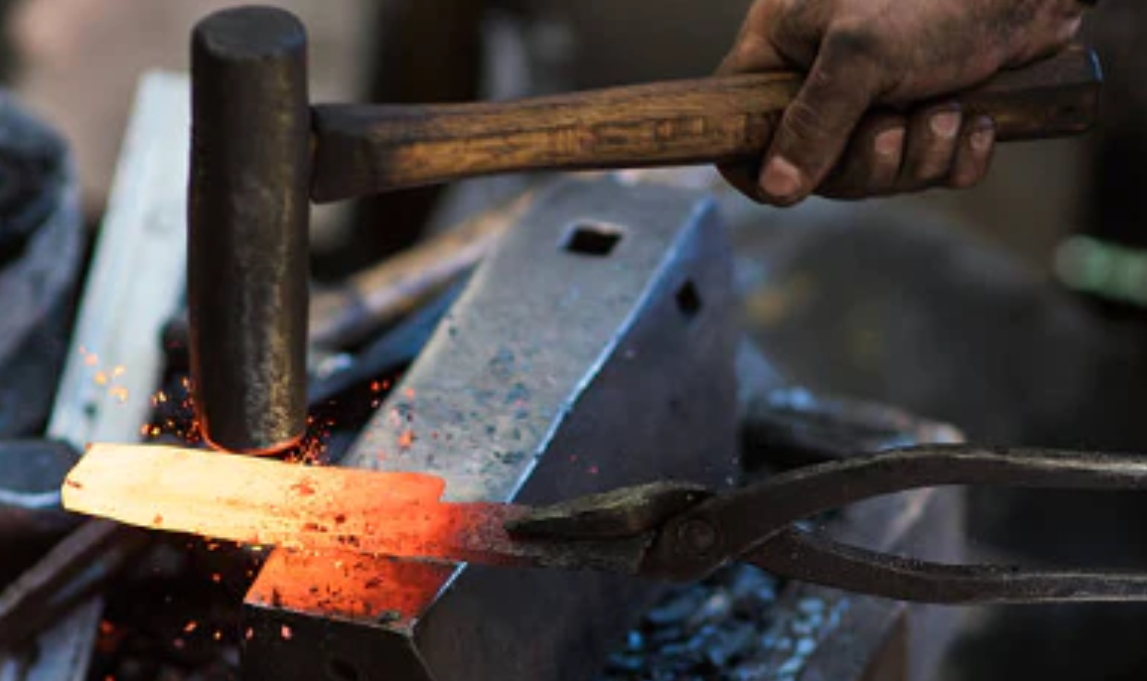
Knife_forging_process

是什么使得 Sakai 锻造刀具如此特别?

堺锻造刀具以其600多年的传统和无与伦比的工艺而闻名。堺市以其历史悠久的锻造工艺而闻名,其传承的精湛工艺始于5世纪的陵墓建造工具,并发展至16世纪的枪械和烟草刀生产。这份丰富的传承是堺刀具卓越品质和独特之处的基石。

1. 品质卓越,锋利无比

Sakai 刀具采用名为“tanzo”(锻造)的传统工艺精制而成。通过对金属进行捶打和塑形,这种工艺精炼了内部结构,增强了刀片的强度和耐用性,同时赋予其非凡的锋利度。此外,Sakai 刀具的单斜面刀刃设计确保了更锋利的切割效果,使切片干净利落,同时保留了食材的天然风味和质感。

2. 深受专业厨师信赖

Sakai 锻造刀具在专业厨师中享有极高的信赖和人气,尤其是在日本料理领域。其精准锋利的刀刃使其成为制作生鱼片和寿司等精细工作的理想之选,因为这些工作中食材的呈现和风味至关重要。专业人士的广泛使用进一步巩固了 Sakai 刀具作为卓越品质象征的地位。

3. 通过分工获得深厚的专业知识

Sakai 刀具的生产基于专业分工。锻造、磨刀和安装刀柄等每个阶段均由技艺精湛的工匠完成。这种体系不仅确保了卓越的品质,也使每位工匠能够精进技艺,从而打造出世界一流的刀具。批发经销商负责监督整个生产过程,确保每件产品的一致性和可靠性。

4. 600年的传统与创新

堺锻造刀具拥有数百年的历史,代表着传统与创新的完美平衡。在传承悠久技艺的同时,堺锻造行业不断适应现代需求,使这些刀具既经久不衰,又在当今厨房中占据重要地位。

堺锻造刀具不仅仅是工具,更是日本传统与工艺的杰作。亲身体验其品质,便能体会到为何世界各地的厨师都对其性能和艺术性着迷。

为何堺氏锻造的刀具如此锋利?

堺刀传统上采用“锻造”工艺制作,将软铁(jigane)与钢(hagane)结合在一起制成刀刃。与压制和冲压等批量生产方法相比,这种单斜面设计需要更多的努力和工艺。然而,这可以使刀刃更坚固、更有弹性,不易碎裂,并能长时间保持锋利。

是什么使得 Sakai 锻造刀具如此耐用?

在堺锻造刀具中,硬钢(hagane)和软铁(jigane)的结合赋予了它们强度和柔韧性。刀片在炉中加热并反复锤击以使金属结构致密,从而打造出具有非凡锋利度和耐用性的刀具。

为什么专业人士都使用堺产的刀具?

堺市的刀具制作传统长期以来一直以分工为基础,锻造(tanzō)、磨刀(hatsuke)和安装刀柄(etsuke)由不同的专家负责。每把刀都是手工精心打造的,其无与伦比的锋利度和美观度使它们受到世界各地专业厨师的青睐。

Sakai 锻造刀具面临哪些挑战?

尽管堺锻刀拥有 600 年的传统,但目前却面临着工匠短缺的挑战。由于劳动力老龄化和劳动力长期短缺,迫切需要培养年轻工匠,以确保这些传统技术能够传承给后代。
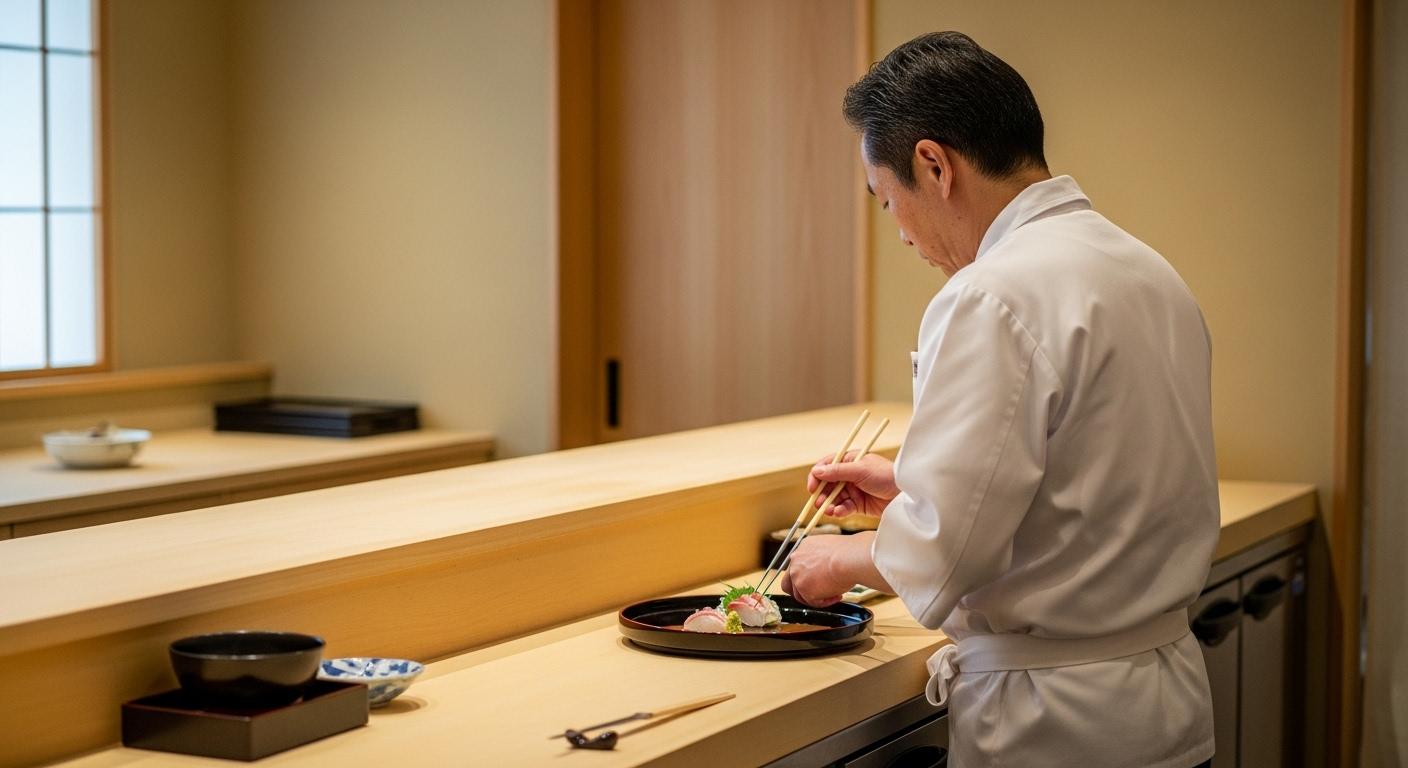
为何98%的日本厨师信赖Sakai刀具?

600多年来,堺市精益求精,将锻造、磨砺、精加工等每个环节都精益求精,打造出一门独特的工艺。这一传统使堺市成为日本最值得信赖的刀具的发源地。
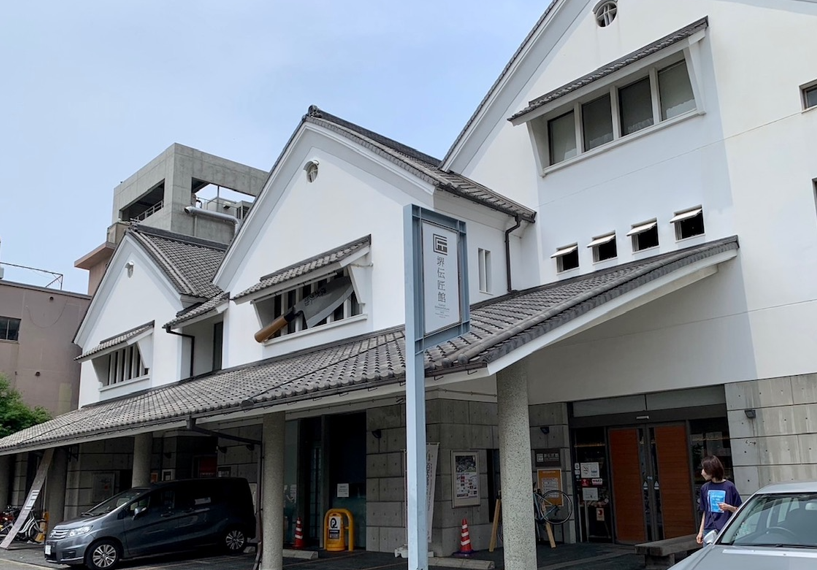
为何98%的日本厨师信赖Sakai刀具?

98% 的统计数据:不仅仅是一个数字

据堺市旅游局称, “98% 的日本厨师都使用堺市刀具。”这个数字并非空穴来风,而是体现了厨师们对堺市百年工艺的深切信赖。

堺市官方英文网站

堺打刃物大师们

在堺市,数百年历史的工艺由政府认证的传统工匠传承。每一把刀不仅仅是一件工具,更是传统、精准和精神的鲜活象征——通过他们的双手得以传承。

堺市的传统工匠

为什么堺市的日本刀如此锋利?

答案不是一位天才工匠,而是一个让妥协成为不可能的体系。
本文探讨了专业大师、严格的问责制和专注的文化如何打造出锋利而有意义的刀刃——一次打造一把。

堺市的日本刀之道

酒井打刃物:600年的精湛技艺

从锻造到磨刀再到制作刀柄,Sakai Uchihamono 的每一步都体现了六个世纪以来不断完善的传统——打造以极致锋利和艺术性而闻名的刀片。

酒井打刃物

酒井法师的日渐式微:岌岌可危的遗产

堺市曾是日本顶级餐具的中心,如今却只剩下寥寥数名铁匠。随着竞争加剧,年轻人的兴趣渐淡,新的市场和新的学徒对堺市的生存至关重要。支持这些工匠,就等于守护600年的文化遗产。
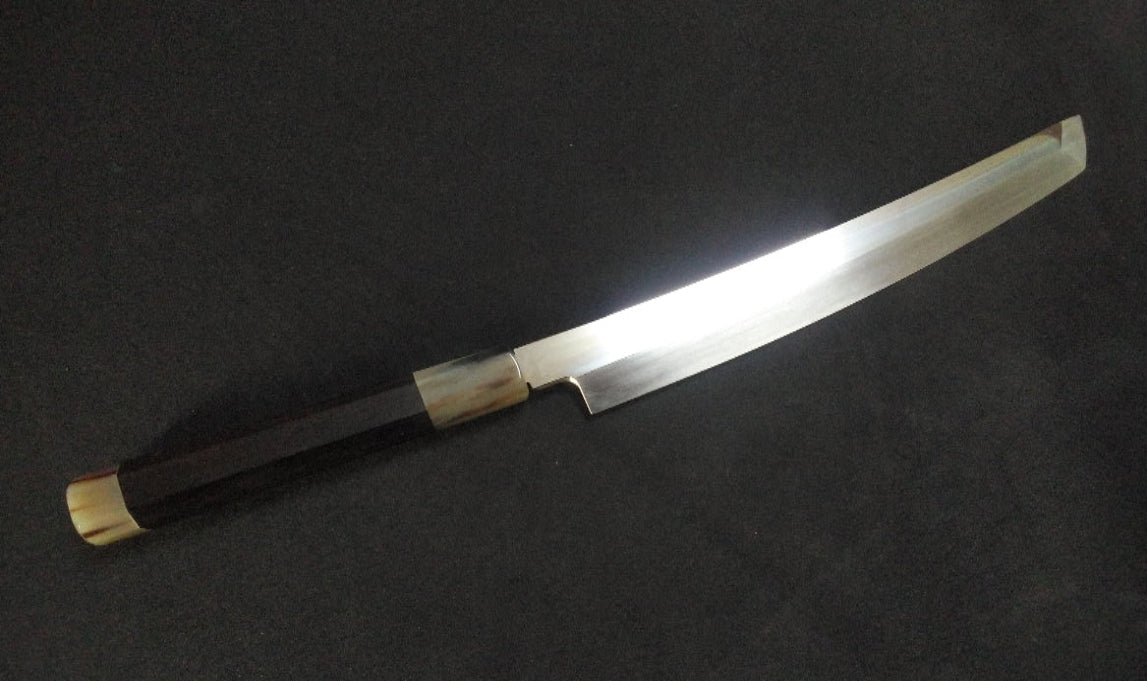
堺市日渐衰落的日本刀具工匠
  • 柱子

    终极日本刀:600 年传统

  • 我们制作的刀具继承了大阪和堺600 年的传统。经过漫长历史中无数次的反复试验,刀刃的形状、钢材的特性和磨刀技术都达到了极致。对于今天的厨师来说,选择堺刀具的原因不仅仅是因为它们的切割能力,还因为它们的稳定性持久的锋利度

日本刀的制作方法:堺传统

视频提供:日本传统工艺青山广场 (YOUTUBE)

  • Sakai 锻造刀片——六个世纪的无与伦比的工艺

    堺刀具深受世界各地厨师的喜爱,并受到98% 的日本顶级烹饪专业人士的信赖,它不仅仅是一种工具,更是600 多年精湛工艺的鲜活遗产。

  • 在KIREAJI,我们与日本堺市的城山刀具工坊直接合作,确保每一把刀片都手工锻造,精雕细琢,并从工坊直接运送到世界各地的厨房。没有中间商,没有批量生产。只做正宗的工匠刀具,精雕细琢,提升您的烹饪水平,伴您一生。