

Comment couper des légumes
-
-
30 AVRIL 2023
-
Perfectionnez votre préparation de légumes avec des techniques de coupe essentielles, conçues pour optimiser la texture et le goût, que ce soit dans la cuisine japonaise ou dans n'importe quel style culinaire.
-
Colonne
Le bon mouvement de coupe
-

-
Colonne
Comprendre les fibres végétales
-
Colonne
Dans la tradition culinaire japonaise, le radis blanc orne souvent les assiettes de sashimi comme garniture, et sa méthode de coupe peut grandement affecter sa présentation et sa texture. Il existe deux styles principaux :
- Tateken (Vertical Cut) : Trancher le radis verticalement, dans le prolongement de ses fibres, conserve son croustillant, ajoutant un contraste rafraîchissant au sashimi.
- Yoko Tsuma (coupe horizontale) : Couper le radis horizontalement crée une forme plus douce et arrondie, servant de « lit » délicat pour le sashimi, améliorant à la fois son apparence et son goût.

-

-
Colonne
Améliorez votre cuisine avec une coupe de précision
-
5. Daikon Radish and the Art of Sashimi Garnishes
Daikon radish offers a useful example of how cutting technique can influence presentation and eating experience.
In Japanese cuisine, finely cut daikon is commonly served alongside sashimi.
These delicate strips are often called ken, while tsuma is a broader term associated with garnishes or accompaniments served with sashimi.
Different cutting orientations and preparations can produce variations in texture and appearance.
Tateken (vertical-cut ken): In preparations described as tateken, the daikon is cut with attention to the lengthwise direction of its structure. The resulting strips can retain a firmer, crisper character.
Yokoken (cross-cut ken): Cutting across the relevant structure can produce strips with a different, sometimes softer bite.
Terminology and preparation methods may vary among culinary traditions and individual kitchens.
The thickness of the strips, the condition of the daikon, and how it is handled after cutting also affect the result.
The purpose is not simply decoration.
Well-prepared garnishes can contribute freshness, contrast, and visual balance to a plate of sashimi.
-
6. Choosing the Right Japanese Knife for Vegetables
Japanese kitchen knives come in different shapes, each developed for particular types of work.
Nakiri: A double-bevel vegetable knife with a relatively straight cutting edge. Its shape is suited to many vegetable-cutting tasks, including slicing and controlled chopping.
Usuba: A traditional single-bevel vegetable knife used in professional Japanese cuisine. It is associated with precise vegetable preparation, including techniques such as katsuramuki, in which a vegetable is peeled into a continuous thin sheet.
Santoku: A versatile kitchen knife commonly used for vegetables, fish, and meat. It is a practical choice for many home kitchens.
Gyuto: A versatile chef's knife that can handle a wide range of ingredients and cutting techniques.
Petty: A smaller knife useful for detailed preparation and working with small ingredients.
No single knife is automatically best for every vegetable.
The right choice depends on the cutting task, the user's experience, and the desired result.
A specialized knife can offer advantages in skilled hands, but a well-maintained general-purpose knife can also produce excellent results.
-
7. Safe and Consistent Vegetable Cutting
Precision begins with a stable working environment.
Place your cutting board on a secure surface and use a non-slip mat or damp cloth underneath if necessary.
Keep ingredients stable before cutting.
For round vegetables, creating a flat surface where appropriate can help prevent rolling.
Use a comfortable grip and keep the fingertips of your guiding hand away from the cutting path.
A claw-style grip, with the fingertips curled inward, can help maintain a safer position.
Begin slowly and focus on consistent movement rather than speed.
Pay attention to the direction of the blade and avoid using unnecessary force.
A sharp knife can improve cutting control when used properly, but it still requires care and concentration.
Consistency develops through practice, not through rushing.
-
8. Respecting the Ingredient Through Knife Work
In Japanese cooking, careful preparation can express an appreciation for the ingredient itself.
A vegetable is not merely something to be divided into smaller pieces.
Its texture, moisture, shape, and natural character all contribute to the finished dish.
A crisp cucumber may benefit from one type of cut, while a daikon radish prepared for simmering may require another.
Fine vegetable strips served with sashimi have a different purpose from vegetables cut for soup.
Understanding these differences allows the cook to make deliberate choices.
At KIREAJI, we believe that appreciating a Japanese knife means understanding not only how it is made, but also how it can be used.
The skill of the blacksmith and sharpener prepares the tool.
The knowledge and care of the cook give that tool its purpose.
-
Conclusion: A Better Cut Begins with Understanding
Learning to cut vegetables well is not simply a matter of speed or appearance.
It involves understanding the ingredient, selecting an appropriate knife, and choosing a cutting motion that supports the desired result.
Fiber direction can influence texture in some vegetables, while size, thickness, and shape affect cooking and presentation.
A well-maintained edge helps, but technique remains essential.
At KIREAJI, we believe good knife work begins with attention.
When we take the time to understand how a vegetable responds to the blade, even a simple ingredient can reveal new possibilities.
And sometimes, the difference between an ordinary dish and a memorable one begins with the way it is cut.

Usuba
-
Précision dans chaque tranche
Trois lames. Trois traditions. De la précision de l'Usuba à la polyvalence du Kamausuba, en passant par la délicatesse du Mukimono, chaque coupe révèle la beauté cachée de chaque ingrédient.
-

Usuba
L'Usuba est un couteau japonais principalement conçu pour couper les légumes, adapté aux tâches délicates. Sa conception à un seul tranchant offre netteté et précision pour les coupes complexes. Il est indispensable dans la cuisine japonaise pour des tâches comme éplucher les radis daikon et en faire de fines tranches.
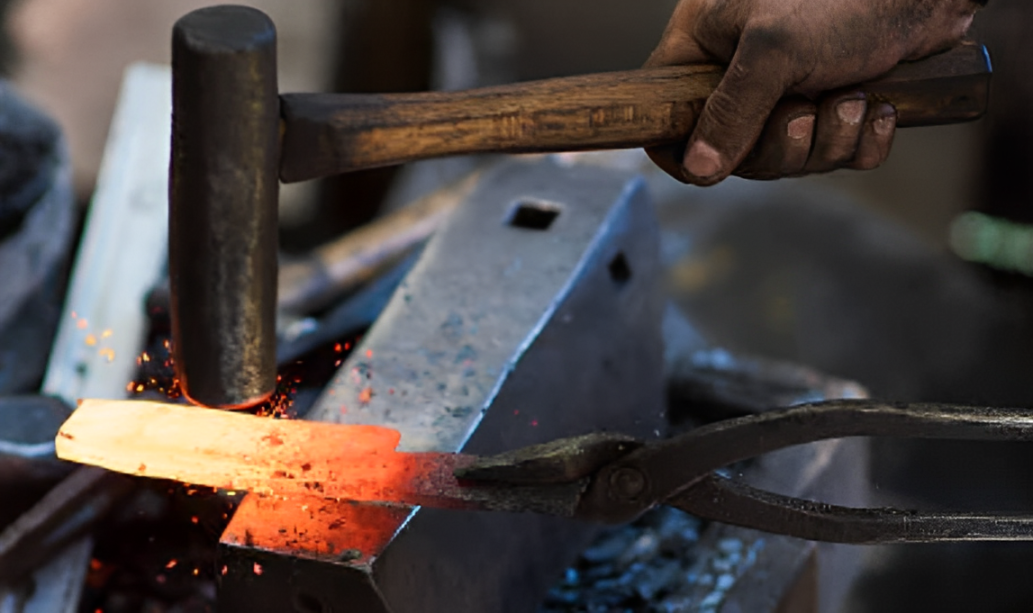
L'origine de l'artisanat
-
Embrasser l'avenir avec courage
Sur le chemin de l'artisanat, les échecs et les revers sont inévitables. Pourtant, nous ne cessons jamais d'avancer, pas à pas. Chaque fois que nous nous mettons au défi avec de nouvelles techniques ou de nouveaux matériaux, un sentiment d'incertitude surgit, mais au-delà de cela se trouve la croissance.
-
Seuls ceux qui osent franchir le pas peuvent saisir des possibilités inexploitées. C'est comme déployer ses ailes et sentir le vent vous porter vers de plus hauts sommets.
-
Préserver la tradition tout en recherchant l’innovation, telle est l’ essence de notre métier et notre fierté pour l’avenir. Si vous gardez courage, le chemin s’ouvrira toujours devant vous.


Découvrez le savoir-faire artisanal de la ville de Sakai
Grâce à notre partenariat avec l'atelier de couteaux Shiroyama, nous proposons des couteaux de Sakai artisanaux à des clients du monde entier. Chaque couteau est livré avec un saya en bois de magnolia, soigneusement sélectionné et préparé pour le couteau. Sur demande, un Honbazuke gratuit est également disponible en tant qu'affûtage manuel initial destiné à préparer le couteau à une utilisation pratique.