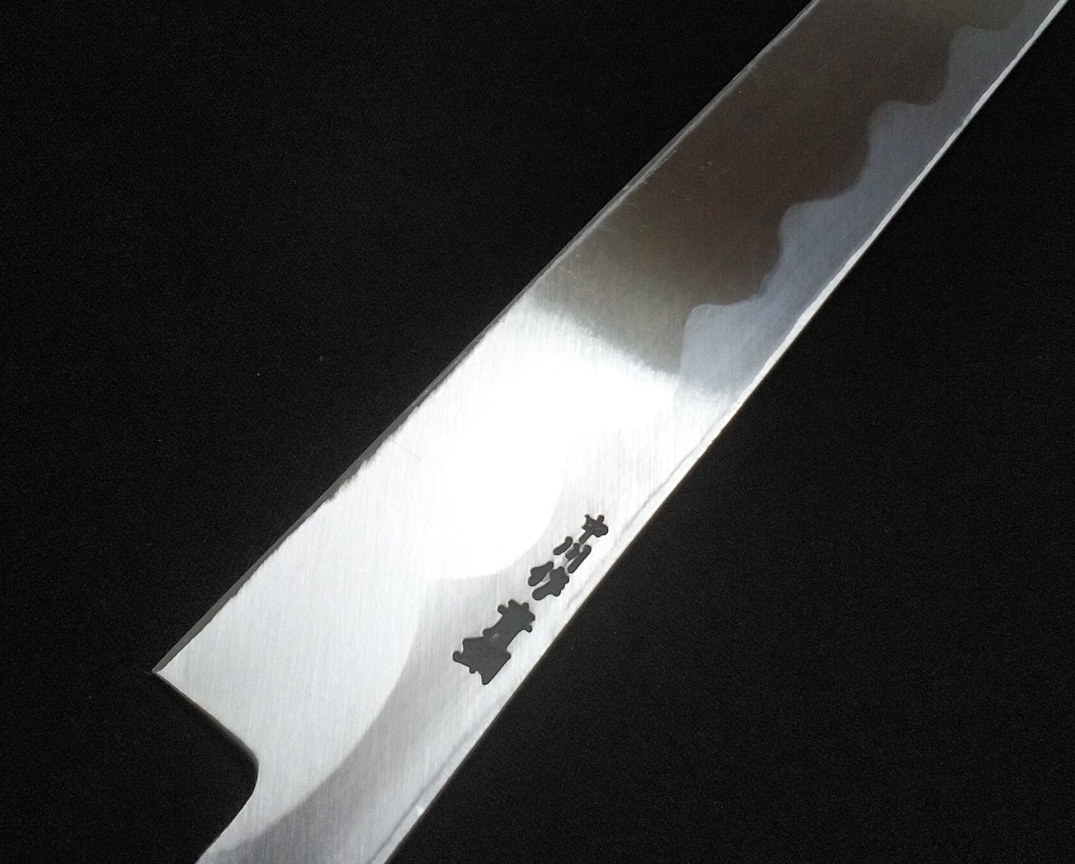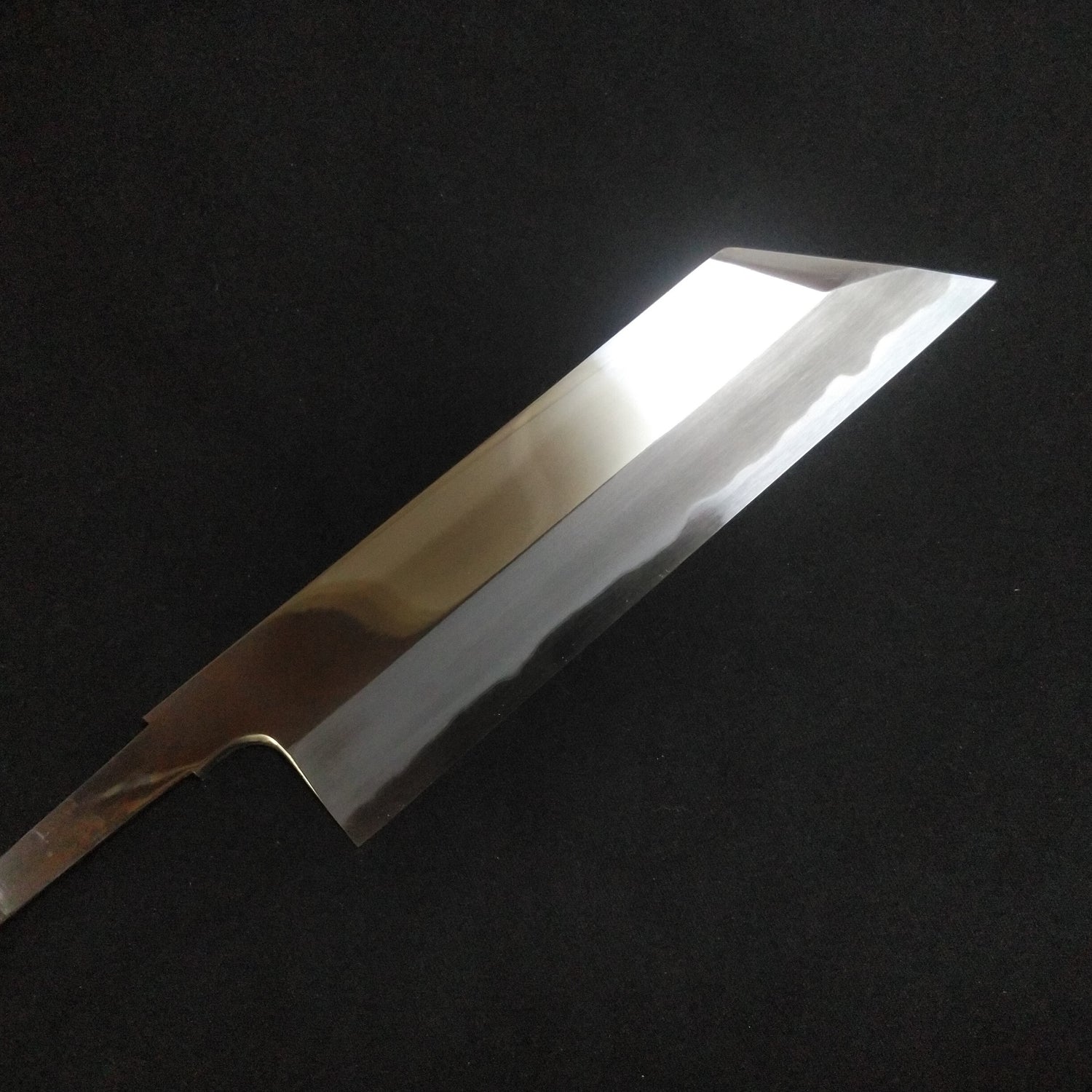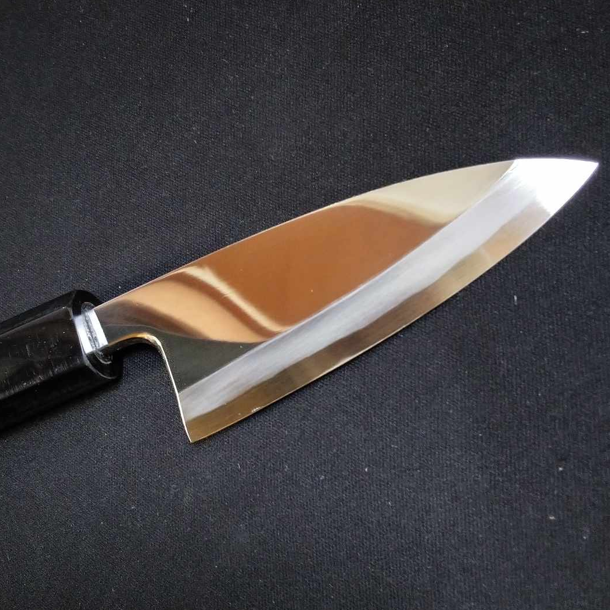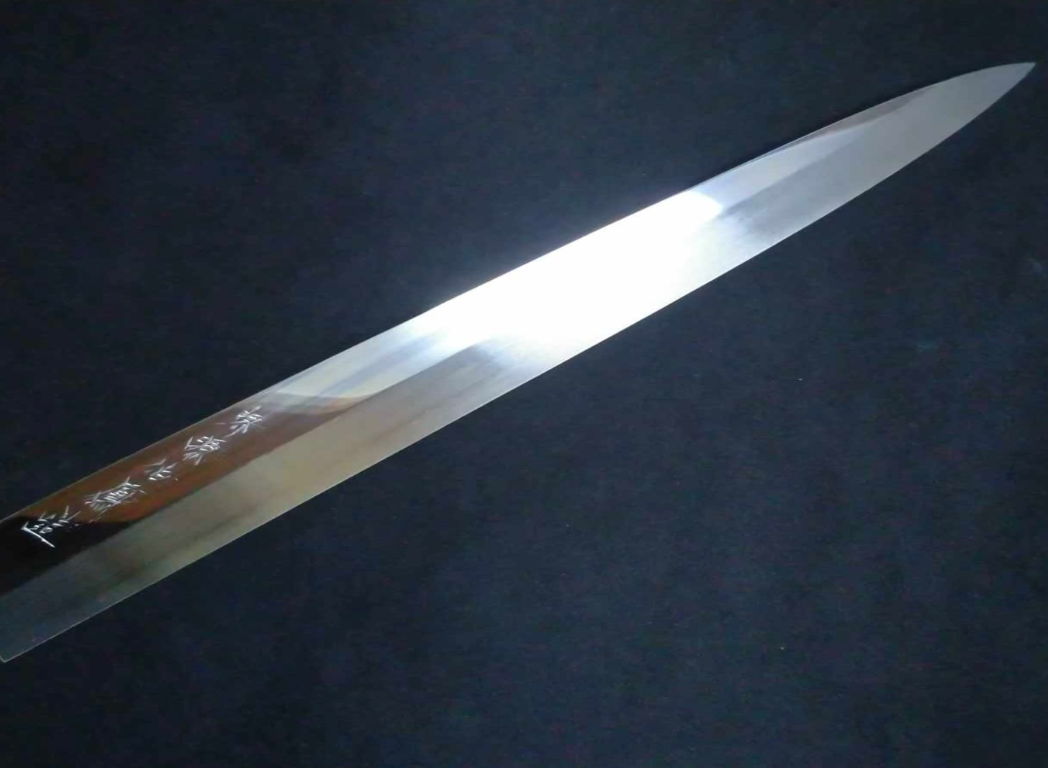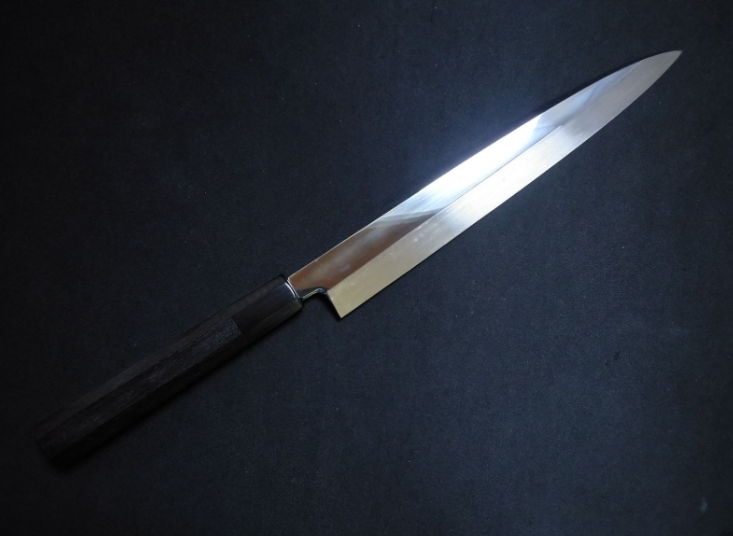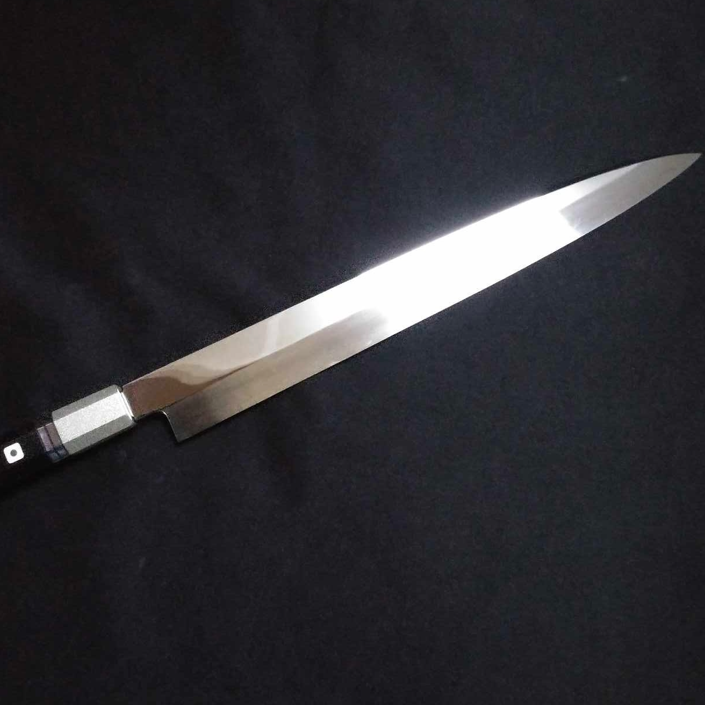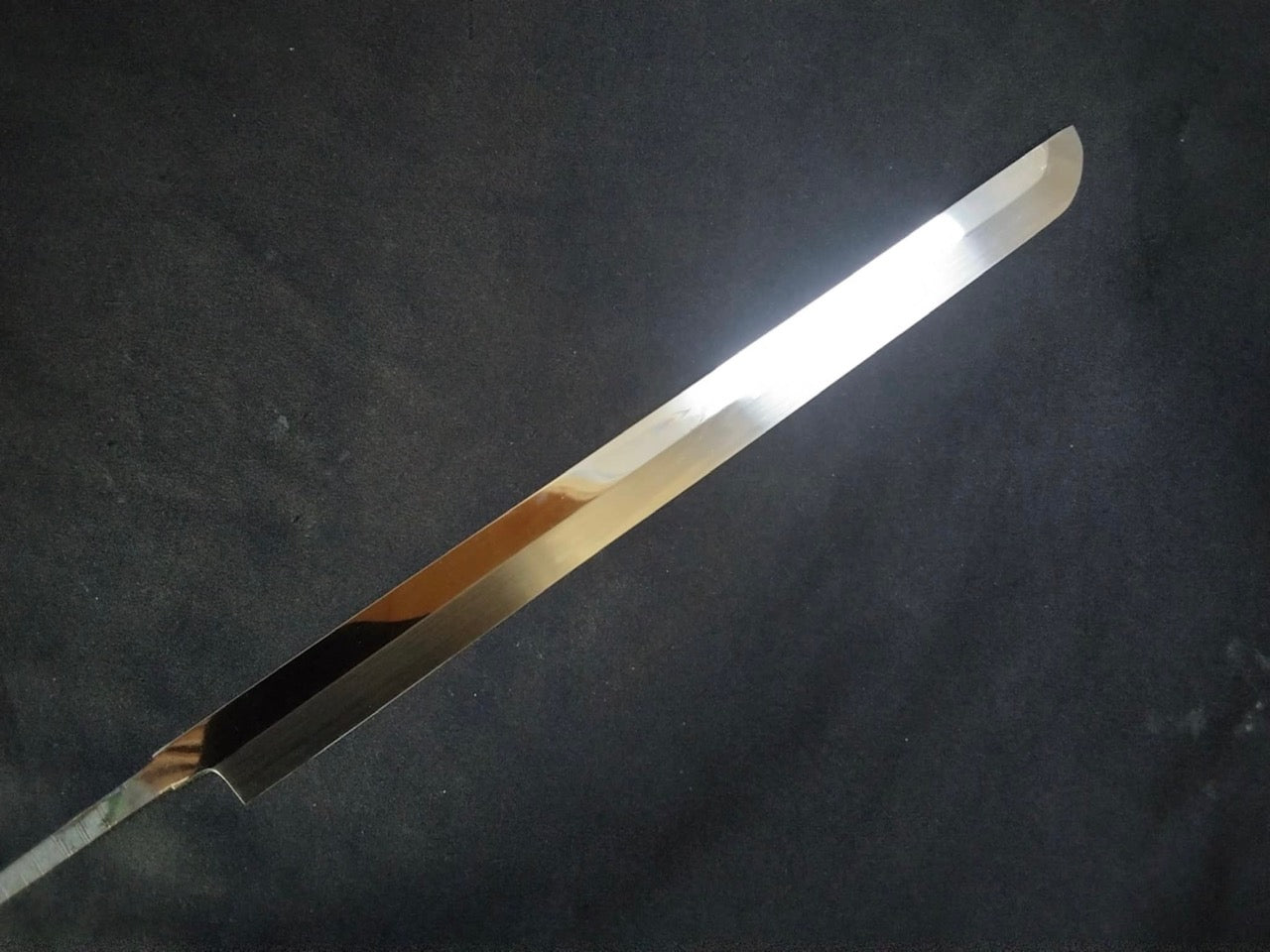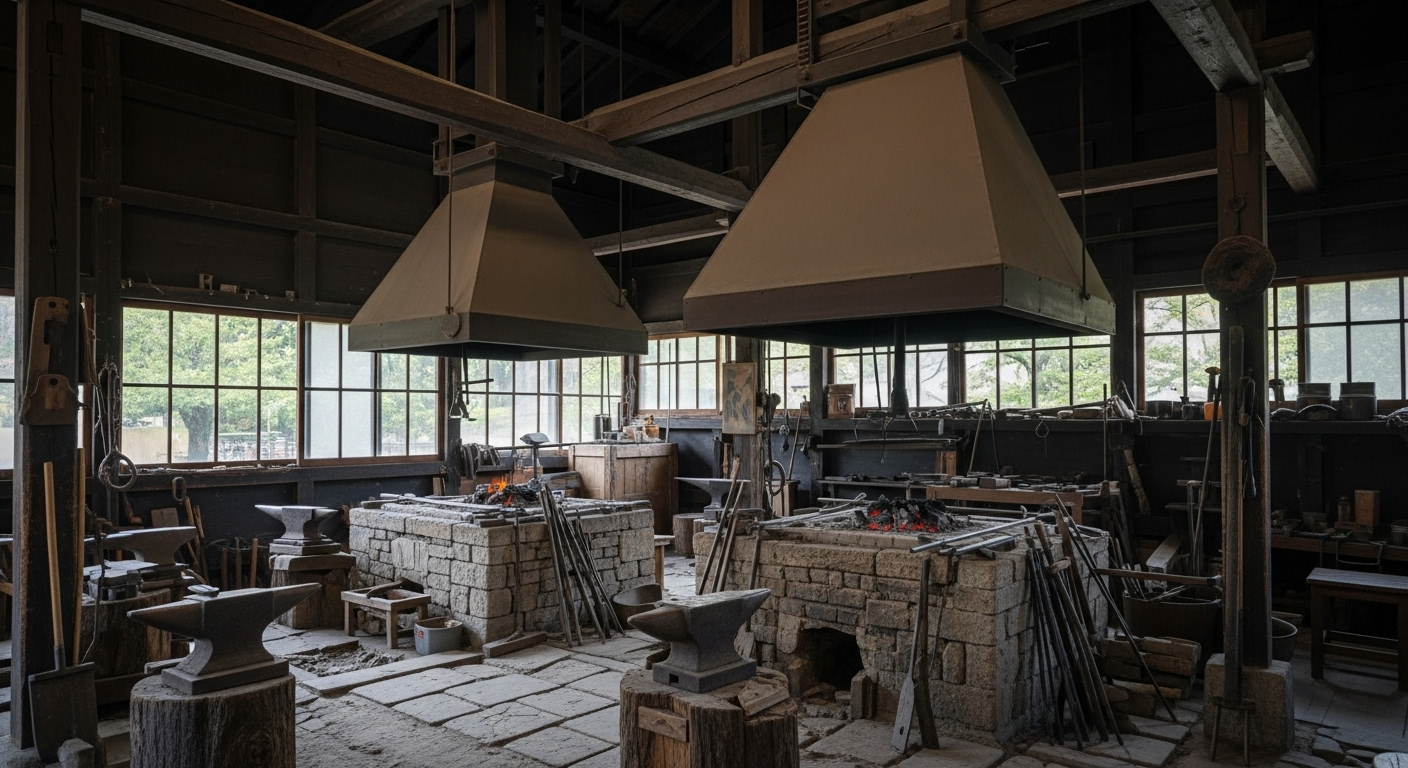
• 堺市工匠制作的日本刀拥有600多年的历史和传统。我们承诺向客户提供这种卓越的品质

  • 28位大师。600年传承。一个标准。

    在日本堺市,头衔不是授予的,而是通过努力赢得的。
    超过12年的培训。严格的国家考试。一生致力于一门手艺。

    如今,只有少数获得认证的传统工匠。
    他们不仅仅是制造刀具。他们传承着一种活生生的传统——以机器无法复制的精准、精神和深厚技艺锻造刀刃。

    每一把刀都凝聚了几十年的经验,由毕生致力于精通这门手艺的双手塑造而成。
    没有捷径。没有妥协。只有经过几代人锤炼的工艺。

    当您手握一把KIREAJI刀具时,您手中所持的便是这些毕生心血的结晶。

  • 堺市的传统工匠代表了日本刀匠技艺的最高水平。
    经过 12 年以上的培训、严格的国家考试以及终身追求精湛技艺,如今只有 28 位获得认证的大师。
    他们是日本古老刀具传统的守护者——传承技艺,提升品质,并以精神、精准和奉献精神锻造刀刃。

  • Sakai 刀具和日本刀具的典型特征是将软铁与钢结合并通过热处理工艺使其变硬的技术。将钢连接到刀片时,适当的温度控制至关重要。将钢连接到软铁的温度约为1000 摄氏度,但如果在此温度下拉伸,钢可能会损坏。因此,在拉伸刀片之前,必须将温度降低到 800 摄氏度左右。这种温度管理极大地影响了刀具的质量

山塚翔吾

一位以精湛技艺锻造堺市珍稀银山钢而闻名的铁匠大师。他于2012年获得传统工匠认证,并深受专业厨师的信赖,负责监督刀具制作的每一个步骤,包括最后的磨刀,确保其精准无误。

山塚翔吾

中川聪

中川是堺市有史以来最年轻的传统工艺师。他30岁时就因其精湛的锻造技艺而备受认可,深受日本和西方顶级厨师的喜爱。他被视为引领堺市下一代工艺的关键人物。

中川聪

土井敬二郎

柳刃和扦物薄刃刀大师,1987 年获得传统工匠认证。1997 年荣获蓝色桐叶奖,2012 年退休,2017 年逝世,留下珍贵的作品。

土井敬二郎

榎波正

传承五代的铁匠,传承古老的火锻技艺,并勇于创新。他于2003年获得认证,并于2007年荣获堺市匠人称号,以精湛的技艺和定制刀具而闻名。

榎波正
Yuzan

宥山

山塚祥吾是一位传奇工匠,精通水烧本烧,堪称世界上最难的锻造技艺之一。他的作品珍稀难寻,其传承至今,传承至今的技艺则由其子山塚翔吾传承至今。

宥山

白木健一

因其精湛的本烧和水淬工艺而闻名,其刀具锋利无比。如今他已退休,其珍稀作品仍被珍藏,其技艺由徒弟中川聪传承。

白木健一

池田達夫

池田刀具第三代掌门人,以本烧锻造和富士波纹而闻名。2009年,他被授予神器勋章。自2015年去世以来,他的作品仍是珍品。

池田達夫

池田義和

堺市打刃物传统工艺师协会会长,池田烧炼所联合创始人。他于1988年获得认证,并于2014年荣获大阪杰出工匠奖,以对完美的不懈追求而闻名。

池田義和
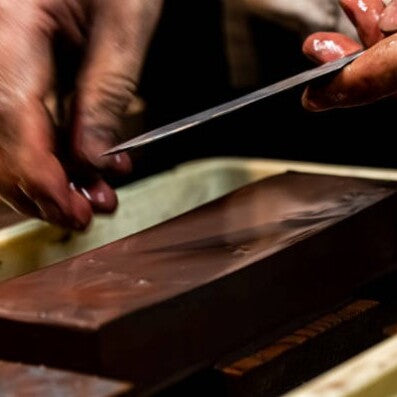
  • 磨刀师不仅仅是一名技师,更是经过多年培训和经验磨练出精湛技艺的专家。磨刀艺术并非一朝一夕就能掌握的;它需要数十年的实践才能达到真正的专业水平。磨刀师从观察和向导师学习开始,通过亲身实践逐渐培养技能,一路上既有失败也有成功。年轻的学徒通常从师傅的指导开始,通过观察学习,最终通过独立建立自己的风格。

山塚忠义

山塚先生于2022年获得传统工艺师认证,凭借其精湛的镜面抛光技艺在堺市享有盛誉。他制作的精美刀刃持续吸引着日本乃至世界各地的厨师。

山塚忠义

野村章太郎

他于1988年获得传统工匠认证,拥有超过60年的磨刀经验。师从传奇人物井野先生,他以打造越用越美观、性能更佳的刀具而闻名。

野村章太郎
  • There is a sound that every serious cook knows — the clean, almost silent draw of a blade through a daikon radish, the way a perfectly sharpened knife seems to fall through fish flesh rather than cut it. That sensation, that near-mystical sharpness, is the soul of the wa-bocho: the traditional Japanese knife.

    And it is disappearing.

  • A Culture on the Brink

    Craftspeople and sharpeners who have dedicated their lives to Japanese knives will tell you plainly: this is a dying culture. Not declining. Not struggling. Dying.

    The reasons are frustratingly practical. Traditional Japanese knives are expensive — increasingly so. They require maintenance that demands time, skill, and patience. A Western-style double-beveled knife, by contrast, is forgiving, durable, and easy. For a busy professional kitchen, the rational choice is obvious. And rationality, it turns out, is one of tradition's most dangerous enemies.

    What is being lost is not merely a product. The techniques that generations of smiths spent centuries refining — the geometry, the metallurgy, the intuition built into every hammer strike — risk becoming what the Japanese call "lost technology": knowledge so specialized, so painstakingly accumulated, that once the last hands that hold it are gone, no archive, no manual, no video can bring it back.

  • The Ground Is Shifting Beneath the Craft

    Every tradition rests on infrastructure, and Japan's knife-making tradition rests on something very specific: specialty steels with names like Shirogami (White Paper Steel) and Aogami (Blue Paper Steel), produced by Hitachi Metals, virtually the sole supplier of these materials to the industry.

    When a single company undergoes restructuring — when investment funds circle, when unprofitable divisions face the axe — the danger is not just commercial. If these steel operations are cut, the human expertise goes with them. The metallurgists, the process engineers, the institutional memory of how to produce a material that exists nowhere else on earth — all of it could simply vanish. And then the question becomes not how to make a Japanese knife, but with what.

    This is the knife's edge on which an entire craft now balances.

  • The Ancestors Already Found the Answer

    Here is something that stops you in your tracks when you first hear it from a master craftsperson: with all of modern technology, with CNC precision and materials science and computer modeling, we have not meaningfully improved upon the wa-bocho.

    The form of the traditional Japanese knife is not a cultural artifact frozen in time. It is a physical answer — a shape that emerged from centuries of empirical refinement until it perfectly obeyed the laws of mechanics and material behavior. The hollow grind on the flat face (urasuki), the asymmetric bevel, the specific balance of hardness and brittleness — these are not aesthetic choices. They are solutions.

    What today's finest craftspeople can do is polish those solutions to a finer degree: tighten the precision of the urasuki, achieve a more consistent grind. But they are the first to say they feel humbled — even overwhelmed — by what the generations before them worked out without computers, without measurement tools beyond their own hands and eyes.

    There is something deeply moving about that. The past reaching forward, still teaching.

  • Keeping the Flame: Mission Over Market

    Faced with all of this, the people who carry these traditions are not waiting for someone else to act.

    Some masters have opened their sharpening technique entirely — offering free workshops, teaching anyone willing to learn the fundamental art of putting an edge on a blade. The reasoning is direct: if people understand why a truly sharp knife feels different, if they experience that quality firsthand, they become advocates. They care. They might even become the next generation of practitioners.

    This is not naivety. It is mission-driven pragmatism. Tradition survives not by being protected behind glass, but by being used, understood, and loved.

    There is also a growing conversation between knife-makers and professional chefs — a dialogue about how the specific qualities of a hand-forged Japanese knife actually change what appears on a plate. A cleaner cut through fish changes texture. A thinner blade through herbs preserves volatile oils. The knife, in this framing, is not separate from the cuisine; it is part of it. Reconnecting craftspeople and cooks in this way is one of the most promising paths to cultural renewal.

  • Even the Stones Are Running Out

    There is one more quiet loss happening alongside all of this. The natural whetstones used to finish these blades — quarried from specific mountains in Japan, each with its own mineral character — are a finite resource. When the seams are exhausted, they are gone. There is no manufacturing a replacement.

    The stones that exist now are, in a real sense, the last ones. Those who work with them speak of using them carefully, of understanding their value not just as tools but as irreplaceable pieces of geological time.

  • Why This Matters Beyond Japan

    You might wonder why any of this should concern someone who has never held a Japanese knife, never visited a forge in Sakai or Seki.

    It matters because this story is not unique to Japan. It is the story of every craft tradition caught between the logic of industrial modernity and the irreplaceable depth of accumulated human knowledge. The question of how a culture holds onto what it has perfected, while still surviving in the present — that is a universal question.

    The wa-bocho is a small, sharp answer to a very large problem. Whether that answer survives depends on whether enough people — cooks, craftspeople, food lovers, and curious outsiders — decide that some things are worth the inconvenience of caring.

日本传统刀具制作技艺的传承

  • 通过学徒制和奉献精神建立的传承

    在堺市,日本制刀的传统已传承数百年,并不断精进。这份传承并非依靠手册或教科书,而是通过亲身实践、观察和师徒指导。技艺传承的基础在于历史悠久的学徒制,年轻的工匠通过多年的严格训练,直接在经验丰富的师傅手下学习。

  • 观察学习:观察和口头传统的力量

    在日本传统工艺中,技艺通常通过“口传”( kuden )和“偷师”(mite nusu me )来传承。“偷师”的字面意思是“边看边学”。这种方法强调观察大师的技艺,并直观地掌握真正工艺的精妙手部动作、节奏和敏感度。

  • 社区支持:培育下一代

    这项技艺的传承并非仅仅依靠传统。堺市和行业组织积极支持技艺传承,提供补贴、培训项目以及“传统工艺”等认证制度。这不仅帮助年轻工匠树立明确的目标,也提升了他们技艺的社会认可度。

  • 在不断变化的世界中保留不变的技术

    堺刀的制作技艺基本保持不变。传统的手工锻造、天然磨刀石的磨砺以及精心的刀柄装配至今仍沿用至今。工匠们继续使用传统材料,例如用于退火的稻草和用于水淬的松木炭,以保持工艺的完整性。

  • 柱子

    这些代代相传的古老技艺,并非为了怀旧而保存,而是因为始终如一地打造出品质卓越的刀具。工匠们对自己作品的自豪感,正是堺市享誉全球的基石。

  • Passing the Flame: How Sakai’s Knife Heritage Lives Through Human Connection

    堺市的制刀传统不是通过手册传承,而是通过直接的人际传授,学徒通过观察、模仿和吸收师傅的精妙技艺来学习。
    这种由社区支持的深厚师徒传承,保护了无法替代的技艺,确保了堺刀剑无与伦比的品质能够世代传承。

为何98%的日本厨师信赖Sakai刀具?

600多年来,堺市精益求精,将锻造、磨砺、精加工等每个环节都精益求精,打造出一门独特的工艺。这一传统使堺市成为日本最值得信赖的刀具的发源地。
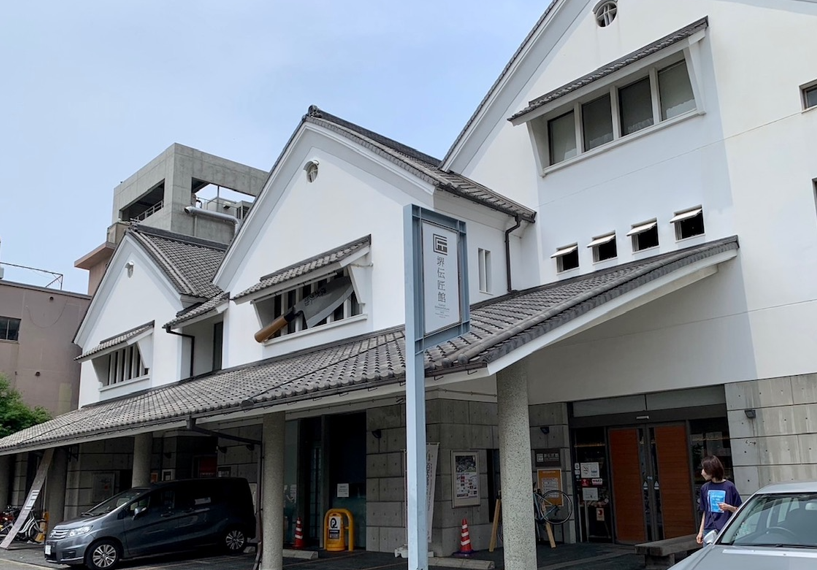
为何98%的日本厨师信赖Sakai刀具?

98% 的统计数据:不仅仅是一个数字

据堺市旅游局称, “98% 的日本厨师都使用堺市刀具。”这个数字并非空穴来风,而是体现了厨师们对堺市百年工艺的深切信赖。

堺市官方英文网站

为什么堺市的日本刀如此锋利?

答案不是一位天才工匠,而是一个让妥协成为不可能的体系。
本文探讨了专业大师、严格的问责制和专注的文化如何打造出锋利而有意义的刀刃——一次打造一把。

堺市的日本刀之道

堺打刃物大师们

在堺市,数百年历史的工艺由政府认证的传统工匠传承。每一把刀不仅仅是一件工具,更是传统、精准和精神的鲜活象征——通过他们的双手得以传承。

堺市的传统工匠

堺刀的保存:挑战、传承与未来

堺市锻造刀具面临着需求萎缩、工匠老龄化和全球价格竞争的挑战。本文探讨了堺市如何通过培训项目、技能数字化和现代推广方式应对这些挑战,揭示了传承千年技艺的秘诀所在。

保护堺刀

酒井法师的日渐式微:岌岌可危的遗产

堺市曾是日本顶级餐具的中心,如今却只剩下寥寥数名铁匠。随着竞争加剧,年轻人的兴趣渐淡,新的市场和新的学徒对堺市的生存至关重要。支持这些工匠,就等于守护600年的文化遗产。

堺市日渐衰落的日本刀具工匠

日本刀的制作方法:堺传统

视频提供:日本传统工艺青山广场 (YOUTUBE)

  • Sakai 锻造刀片——六个世纪的无与伦比的工艺

    堺刀具深受世界各地厨师的喜爱,并受到98% 的日本顶级烹饪专业人士的信赖,它不仅仅是一种工具,更是600 多年精湛工艺的鲜活遗产。

  • 在KIREAJI,我们与日本堺市的城山刀具工坊直接合作,确保每一把刀片都手工锻造,精雕细琢,并从工坊直接运送到世界各地的厨房。没有中间商,没有批量生产。只做正宗的工匠刀具,精雕细琢,提升您的烹饪水平,伴您一生。