

蓝钢 #2 日本刀系列
-
超级钢(本烧)Deba 210mm
原价 $240.00 CAD原价单价 每$0.00 CAD促销价 $240.00 CAD -
超级钢(本烧)Deba 210mm
原价 $300.00 CAD原价单价 每$0.00 CAD促销价 $300.00 CAD -
超级钢(本烧)Deba 210mm
原价 $310.00 CAD原价单价 每$0.00 CAD促销价 $310.00 CAD -
超级钢(本烧)Deba 210mm
原价 $330.00 CAD原价单价 每$0.00 CAD促销价 $330.00 CAD -
超级钢(本烧)Deba 210mm
原价 $340.00 CAD原价单价 每$0.00 CAD促销价 $340.00 CAD -
超级钢(本烧)Deba 210mm
原价 $350.00 CAD原价单价 每$0.00 CAD促销价 $350.00 CAD -
超级钢(本烧)Deba 210mm
原价 $380.00 CAD原价单价 每$0.00 CAD促销价 $380.00 CAD -
超级钢(本烧)Deba 210mm
原价 $385.00 CAD原价单价 每$0.00 CAD促销价 $385.00 CAD -
超级钢(本烧)Deba 210mm
原价 $407.00 CAD原价单价 每$397.00 CAD促销价 $407.00 CAD售罄 -
超级钢(本烧)Deba 210mm
原价 $420.00 CAD原价单价 每$0.00 CAD促销价 $420.00 CAD售罄 -
超级钢(本烧)Deba 210mm
原价 $430.00 CAD原价单价 每$0.00 CAD促销价 $430.00 CAD -
蓝钢 #2 Mukimono 190mm-镜面抛光(单面)
原价 $445.00 CAD原价单价 每$445.00 CAD促销价 $445.00 CAD售罄 -
超级钢(本烧)Deba 210mm
原价 $450.00 CAD原价单价 每$0.00 CAD促销价 $450.00 CAD -
超级钢(本烧)Deba 210mm
原价 $450.00 CAD原价单价 每$0.00 CAD促销价 $450.00 CAD -
超级钢(本烧)Deba 210mm
原价 $460.00 CAD原价单价 每$460.00 CAD促销价 $460.00 CAD售罄 -
超级钢(本烧)Deba 210mm
原价 $460.00 CAD原价单价 每$460.00 CAD促销价 $460.00 CAD售罄

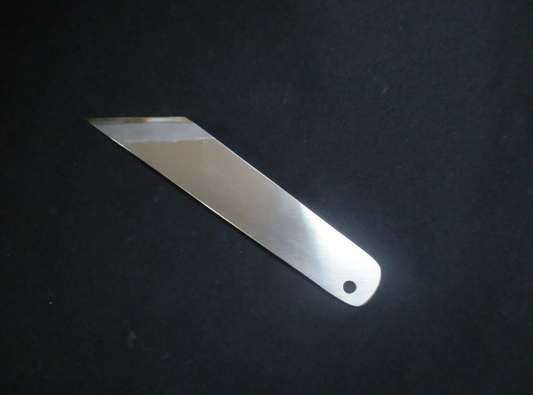

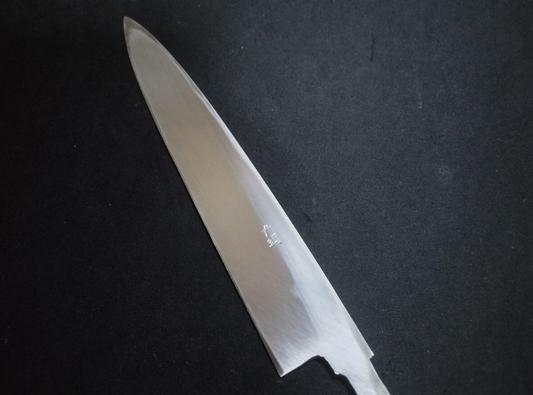

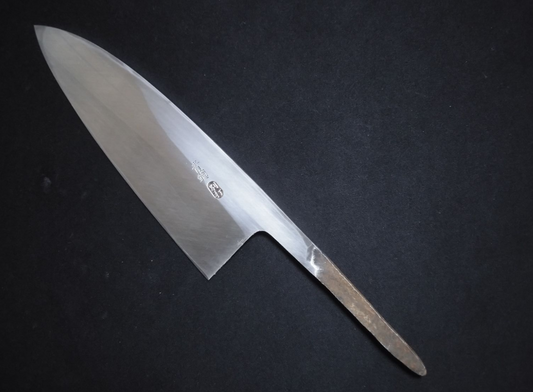

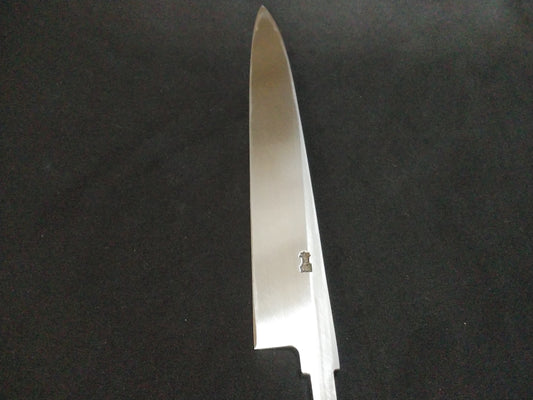

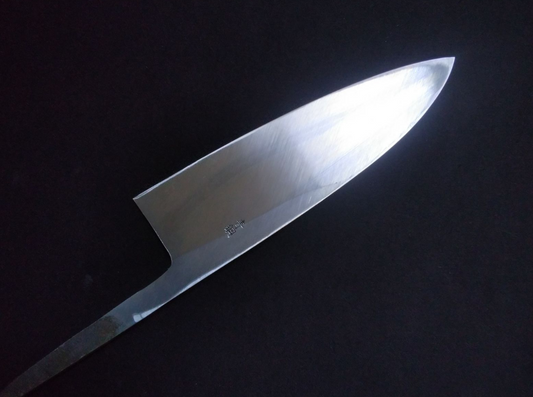

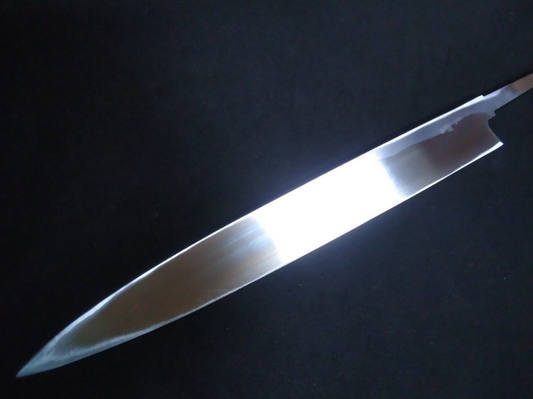


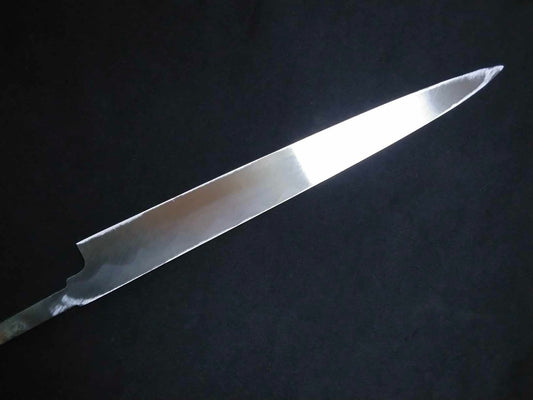

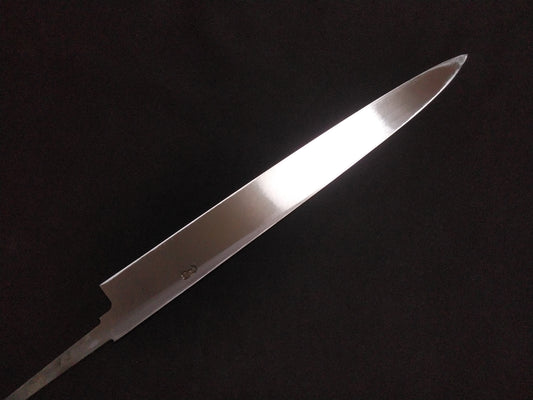

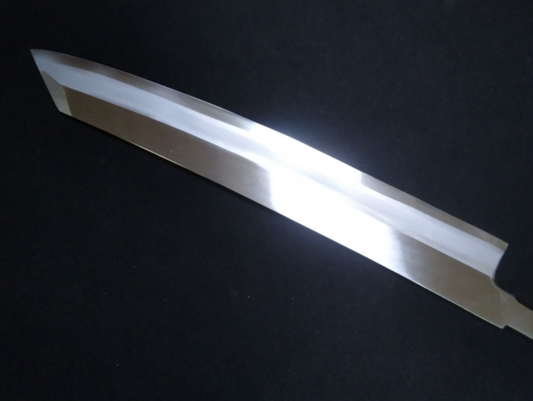


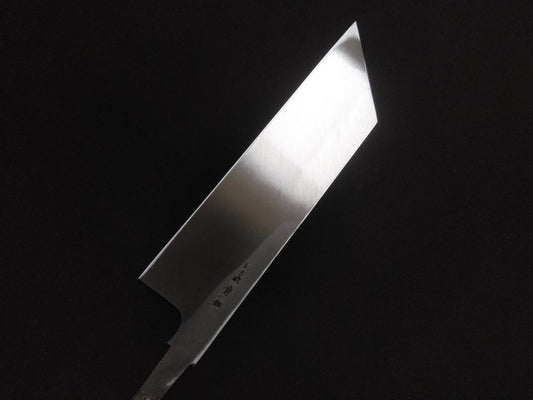

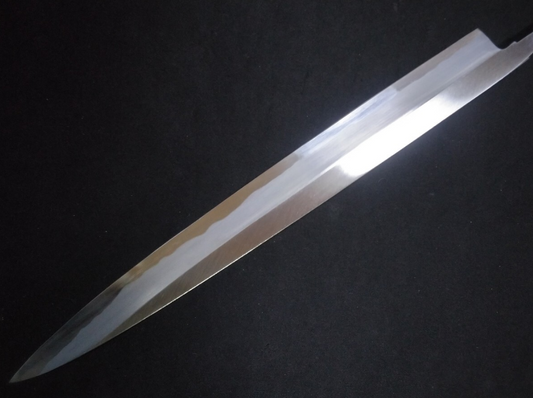

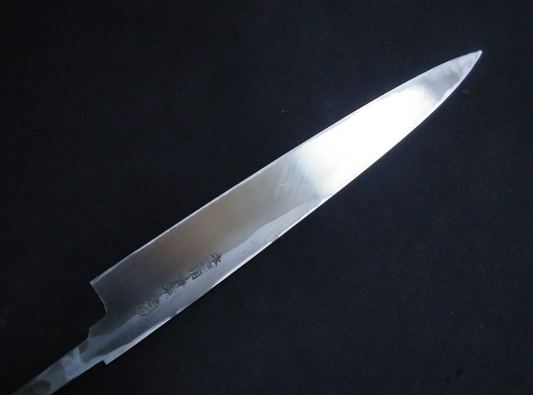

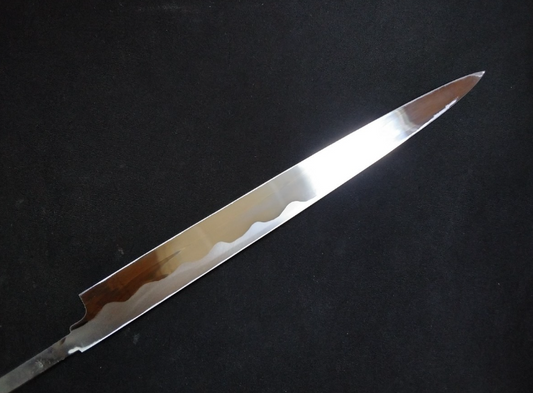

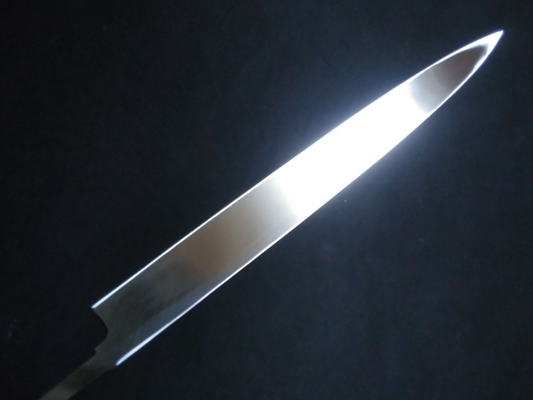
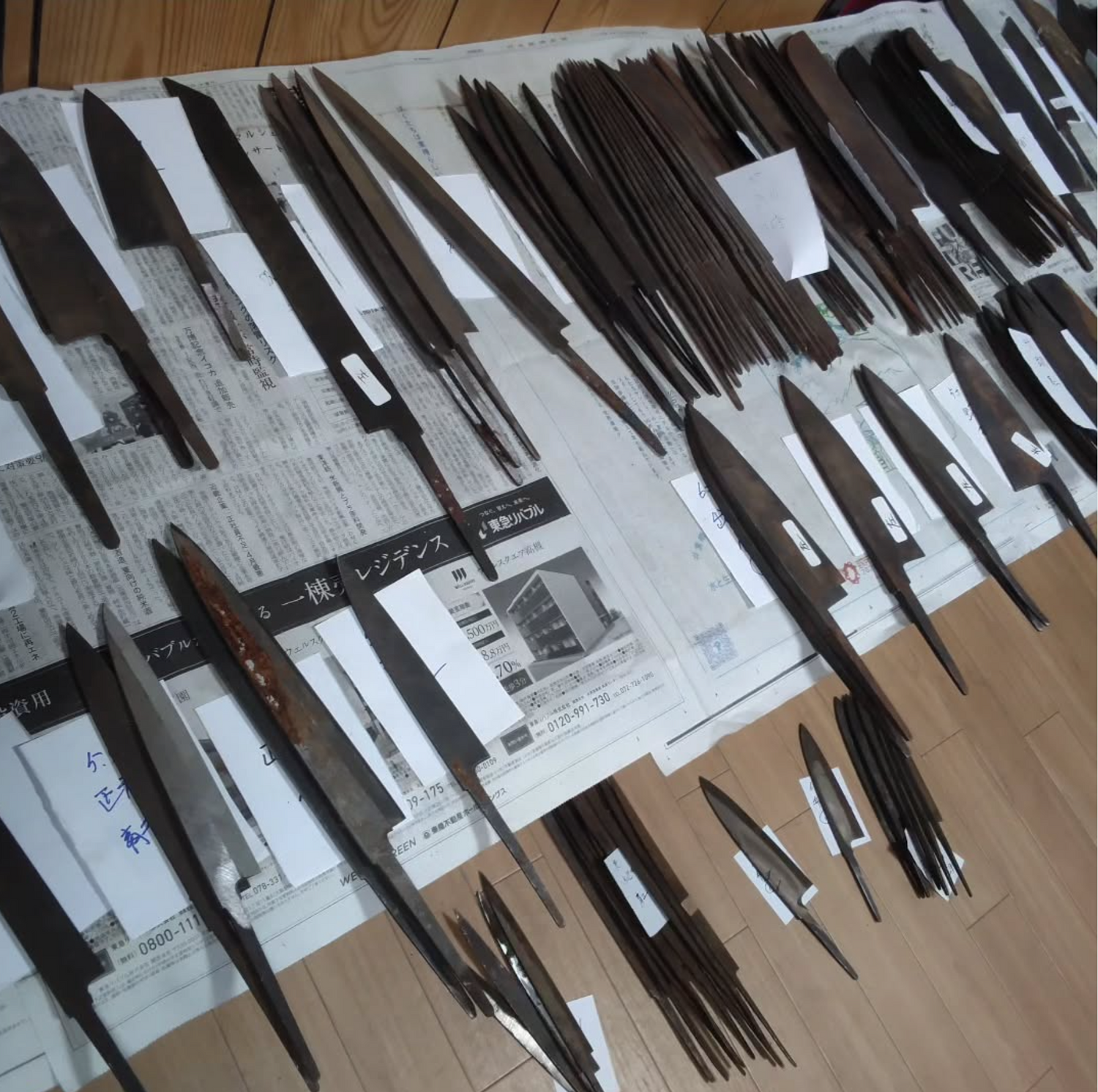
新品发布:退休铁匠的传承之刃
我们从一位关闭锻造厂的铁匠那里收到了一批稀有的手工锻造蓝钢毛坯——用松木炭和历史悠久的技艺塑造而成。
现在它们将被委托给磨刀大师。
如果您正在寻找特定类型、钢材或尺寸,请联系我们。
在 KIREAJI,我们不仅尊重工艺,也尊重其背后的传统。
KIREAJI 对您的三个承诺
-

1. 秉承堺的遗志
堺市——日本著名的专业厨刀发源地——每一把刀都由拥有超过六个世纪传统的工匠精心打造。完美平衡、持久锋利、精湛工艺,每一次切割都蕴含着真正的工艺精髓。
-

2. 贴心呵护,呵护您的日常使用
每把刀都配有手工镶嵌的木兰刀鞘,方便安全存放。我们可根据您的要求提供免费的“本刃付”手工磨刀服务,让您从第一天起就能拥有精准的刀刃。
-

3. 终生的伙伴关系
KIREAJI 刀不仅仅是一件工具,更是您一生的伴侣。我们提供定制的付费售后服务,以维护其锋利和美观,确保它始终如初,精准可靠,如同初次接触您的手。


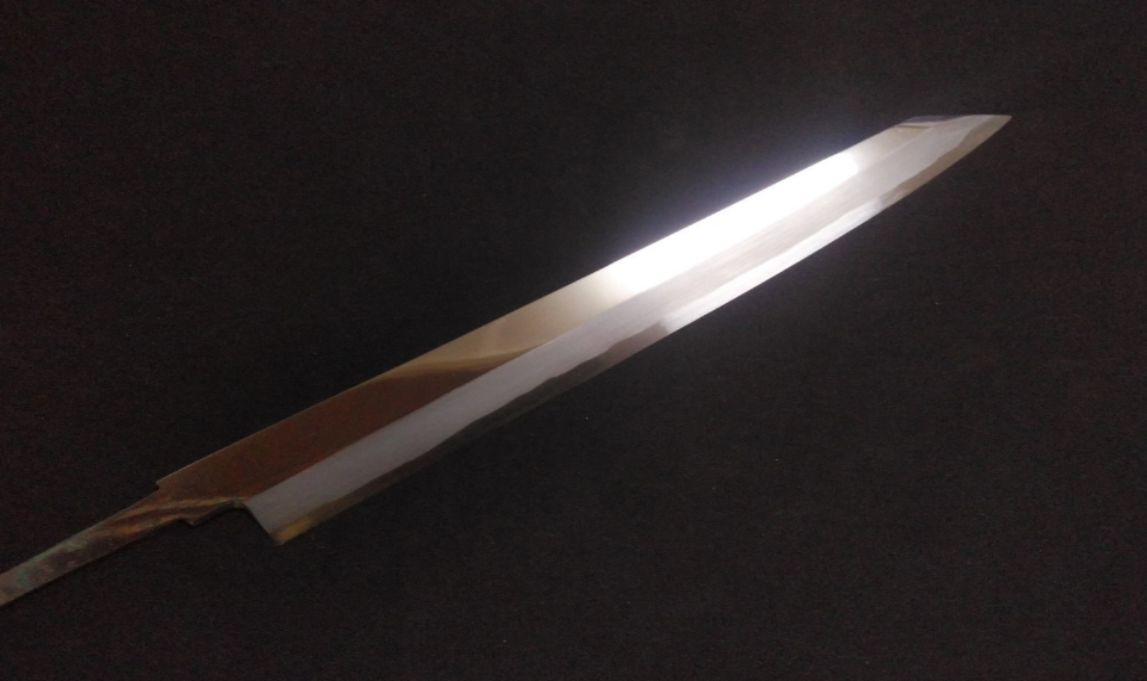
为什么许多产品照片只显示刀片
在KIREAJI,每一把刀都是在日本堺市定制的。照片展示了刀柄安装前的刀身,工匠可以根据您的具体订单,调整刀身的平衡度和刀刃。您的刀具已完成所有工序,为您量身定制。

Sakai 的全球配送
世界各地挑剔的厨师都在寻找来自堺市的正宗日本刀具——堺市是日本传奇的刀具制造城市,拥有 600 多年的传统。
在 KIREAJI,我们与堺市的工匠大师们一起努力实现这一愿望,将真正的手工刀具从工作室直接运送到世界各地的厨房。
蓝钢 #2
-

蓝钢#2 是什么?
蓝钢 2 号是一种高品质钢材,兼具稳定的锋利度和出色的耐用性。蓝钢 2 号的碳含量约为1.05–1.15% ,锋利度可与白钢相媲美,但硬度不如蓝钢 1 号。相反,与白钢相比,它的耐磨性更出色,特别适合每天处理大量食材的专业厨师。
-

《蓝钢》第二期教你欣赏烹饪的过程
烹饪不仅仅是切食物——
它是关于倾听原料、小心运用技巧、并将你的心倾注到每一个动作中。
蓝钢 2 号刀不仅仅是一种工具,它还是创造的伙伴。无论您是在烹制精致的菜肴还是为人群准备饭菜,这种钢材都能默默、熟练且始终如一地为您提供支持。


蓝钢#2 是什么?
-

基地:白钢#2
蓝钢2号的核心是以白钢2号(Shirogami 2号)为基础打造的。白钢2号是一种高度精炼的碳钢,以其锋利的刀刃和易打磨性而闻名。白钢的含碳量约为1.05-1.15% ,锋利度极佳,但韧性和持久的刀刃保持性较差。
这就是“蓝色”转变的开始。

蓝钢#2 的特点
-

稳定的锋利度
蓝钢 #2 以高碳含量而闻名,非常坚硬。这种特性使其一旦磨尖,就能长时间保持锋利。
-

耐磨性
由于硬度较高,用 2 号蓝钢制作的刀具比普通刀具保持锋利的时间更长,具有出色的耐磨性。
-

难以磨砺
与白钢 #2 相比,蓝钢 #2 较硬,更难打磨。但是,它比蓝钢 #1 更容易打磨。


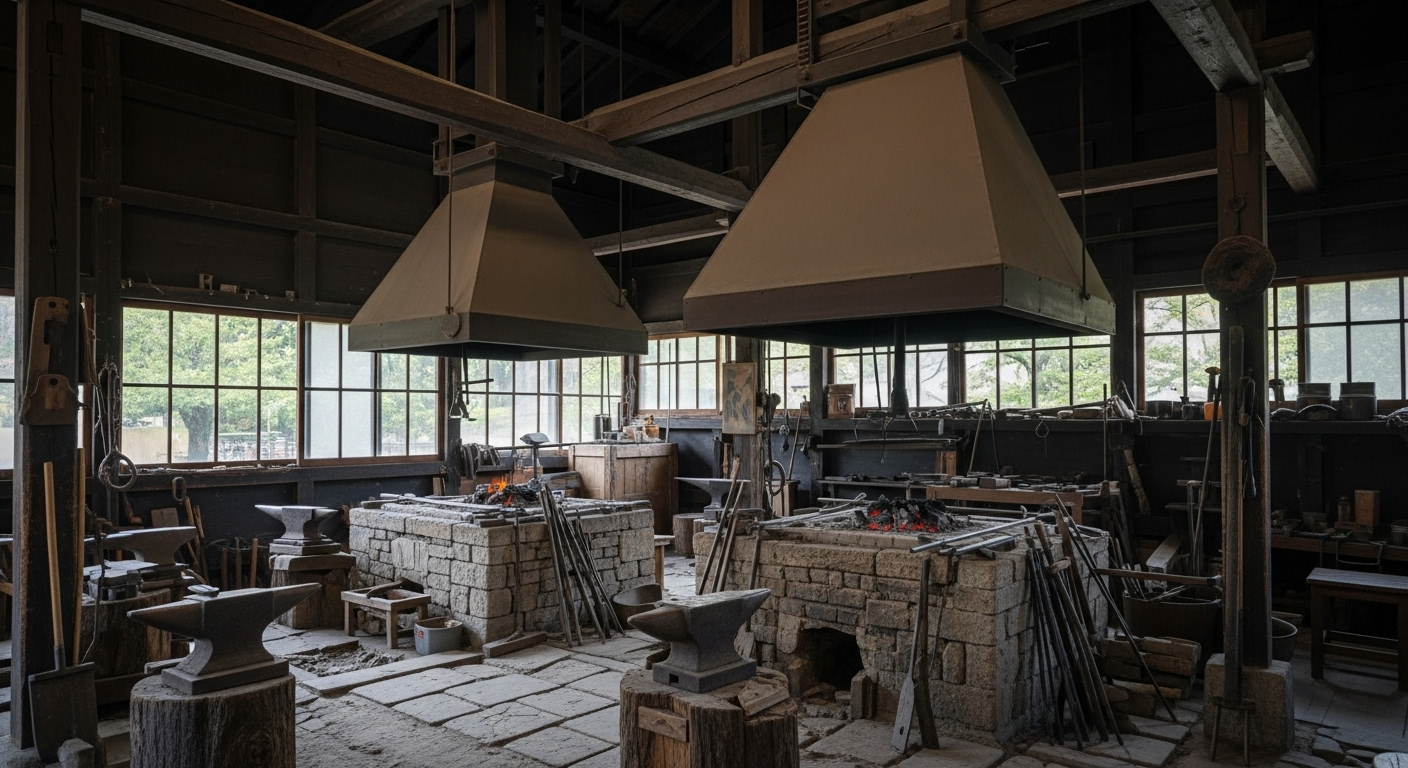
Blue Steel #2: The Steel That Stays With You
-

Why Edge Retention Changes Everything in a Professional Kitchen
The technical term is wear resistance. The practical experience is something more significant: freedom.
A knife that holds its edge through a full service — through hours of fish breakdown, vegetable preparation, protein slicing — is a knife whose cook can think about the food rather than the tool. The edge that begins to degrade halfway through prep does not just cut less well. It changes the cook's relationship with the work. The attention that should be on the ingredient is partly on compensating for what the knife is no longer doing.
Blue Steel #2's tungsten content slows this degradation. Not to zero — no steel holds an edge indefinitely — but enough to change the practical experience of a long working day. The yanagiba that begins service sharp is still performing at a usable standard three hours later. The deba that was touching up bone work in the morning has not required attention by afternoon service.
This is why professional cooks who work through high-volume services tend to reach for Blue Steel #2 for their most-used blades. The mathematics are simple: fewer interruptions for maintenance means more time on the food. And more time on the food means better food.
-

The Knives That Suit It Best
Blue Steel #2 is not the same knife in every application. Its properties make it particularly well-suited to specific types of work, and understanding this helps explain why certain professionals choose it for their entire kit.
The deba. The heavy knife used for fish breakdown — for cutting through bone, separating joints, working through the structural resistance of whole fish — places specific demands on its steel. Hardness alone is not enough. A deba needs toughness: the ability to absorb lateral stress and impact without fracturing. The chromium in Blue Steel #2 provides exactly this. A deba in Blue Steel #2 can take the work that deba work demands — the contact with bone, the occasional twist of the blade — without the chipping risk that a harder, more brittle steel would carry. And when it needs to be touched up, the edge responds to the stone in a reasonable time.
The yanagiba. The demands on a sashimi knife are different: precision over endurance, the clean separation of delicate protein fibres without compression or tearing. Here, Blue Steel #2's amagire quality becomes an advantage. The smooth, flowing entry of the blade through fish flesh produces a cut surface that is clean and consistent, and the edge retention means that the quality of that cut does not degrade over the course of a service. The yanagiba that performs the same in the last order of the evening as it did in the first is the knife that earns the cook's complete trust.
The usuba. Thin-blade vegetable work — the precise cuts that define high-level Japanese vegetable preparation — requires an edge that can be sharpened to real refinement and that holds that refinement through extended use. Blue Steel #2 meets both requirements. The steel's balance of hardness and toughness supports the acute edge geometry of the usuba without the chipping risk that a more brittle steel would carry on the end-grain cuts that vegetable work inevitably includes.
This is why some professional cooks equip themselves entirely in Blue Steel #2 — not because it is the best steel for every knife in theory, but because it is reliably excellent across all of them in practice.
-

Blue or White? The Question Worth Answering Honestly
The comparison between Blue Steel #2 and White Steel #2 is one that comes up constantly in Japanese knife conversations, and it deserves a direct answer rather than a diplomatic deflection.
They are not the same steel with one being better. They are different answers to different questions about what matters most in daily use.
White Steel #2 excels at sharpening response. It gives the stone what the stone asks for, produces feedback that makes learning feel immediate, and rewards a careful sharpener with an edge of particular cleanliness. The cook who sharpens regularly and values the relationship between maintenance and performance will find White Steel deeply satisfying.
Blue Steel #2 excels at performance duration. It does not sharpen as easily, but it holds what it has been given for longer. The cook who works high volume, whose maintenance windows are limited, and who needs a knife that performs consistently through a full day's work without attention will find Blue Steel #2 more practical.
The deeper truth is that neither characteristic is objectively superior. A White Steel knife maintained by a skilled sharpener who touches it up frequently will perform at a level that many Blue Steel knives will not match. A Blue Steel knife in the hands of someone whose sharpening is less frequent but whose technique is adequate will serve a professional kitchen better than a White Steel knife that is being neglected.
The right steel is the one whose characteristics match the way you actually use and maintain your knives — not the way you intend to.
-

The Steel That Grows With You
There is one more quality of Blue Steel #2 that deserves to be named, because it is the quality that keeps experienced cooks returning to it over long careers.
It rewards familiarity.
A Blue Steel #2 knife that has been used and maintained over years develops a relationship with its owner that a newer or more anonymous tool does not have. The cook who has learned how this particular steel responds on this particular stone — who knows how long the edge lasts in their kitchen, at their pace, with their technique — has a tool that is calibrated to them in a way that no specification sheet can describe.
This is what the professionals mean when they talk about Blue Steel #2 as a knife that becomes more personal over time. The steel does not change. The cook's understanding of it deepens. And the result is a performance that comes not just from the material, but from the accumulated knowledge of someone who has paid attention.
That is the steel's real promise. Not the specification. The relationship.


什么是蓝钢?
蓝钢是一种高级钢材,在白钢中添加铬、钨和其他元素,以增强其热处理性能和耐磨性。它的价格略高于白钢。用这种钢材制成的刀具对于不习惯的人来说似乎很难磨锋利,但一旦磨锋利,它们的锋利度就会保持更长时间,从而保持锋利。
蓝钢#1 和#2 有什么区别?
蓝钢 1 号和 2 号的区别在于它们的硬度。数字(1 号、2 号、3 号)代表钢材的硬度等级,数字越低表示硬度越高。因此,随着钢材变硬,刀片的锋利度也会提高。因此,蓝钢 1 号锋利度最好,其次是 2 号,然后是 3 号。此外,较硬的钢材也往往能更长时间保持锋利,从而增强其边缘保持能力。
蓝钢和白钢有什么区别?
蓝钢和白钢的区别在于成分。蓝钢是在白钢中添加少量钨和铬制成的合金钢。由于其韧性和耐磨性增强,据说蓝钢比白钢能更长时间保持锋利。
藍鋼2號的維護方法如何?
为了保养 Blue Steel #2 和其他碳钢刀具,防止生锈至关重要。使用后,请务必在刀片上涂抹防锈油。建议使用不干性油,如山茶油或橄榄油。此外,在弹簧和垫圈之间涂抹蜂蜡或类似的润滑剂可以增强刀片打开和关闭的顺畅度。
Q5. 谁应该选择蓝钢2号?
这种钢材非常适合厨师和刀具爱好者,他们追求锋利与耐用的完美平衡。它适合在专业厨房工作的人,他们注重可靠性和持久耐用性,同时又能享受碳钢灵敏的磨刀手感。
Q6. 我应该如何保养 Blue Steel #2 刀?
保养方法与其他碳钢刀具类似:每次使用后立即清洗并擦干,存放在干燥处,如果长期存放,请涂抹少量油。定期用水磨石打磨,以保持刀刃最佳状态。避免切割骨头、冷冻食品或坚硬表面,以免造成损坏。只要持续保养,Blue Steel #2 刀将成为您数十年可靠的伴侣。

日本刀材料
日本刀的钢材决定了它的锋利度、耐用性和保养要求。从传统的碳钢(例如白钢2号和蓝钢2号)到现代创新钢(例如银山钢和ZDP189),每种钢材都兼具其性能和保养的平衡性。本指南将探讨这些钢材的选择如何塑造我们如今使用的刀具。
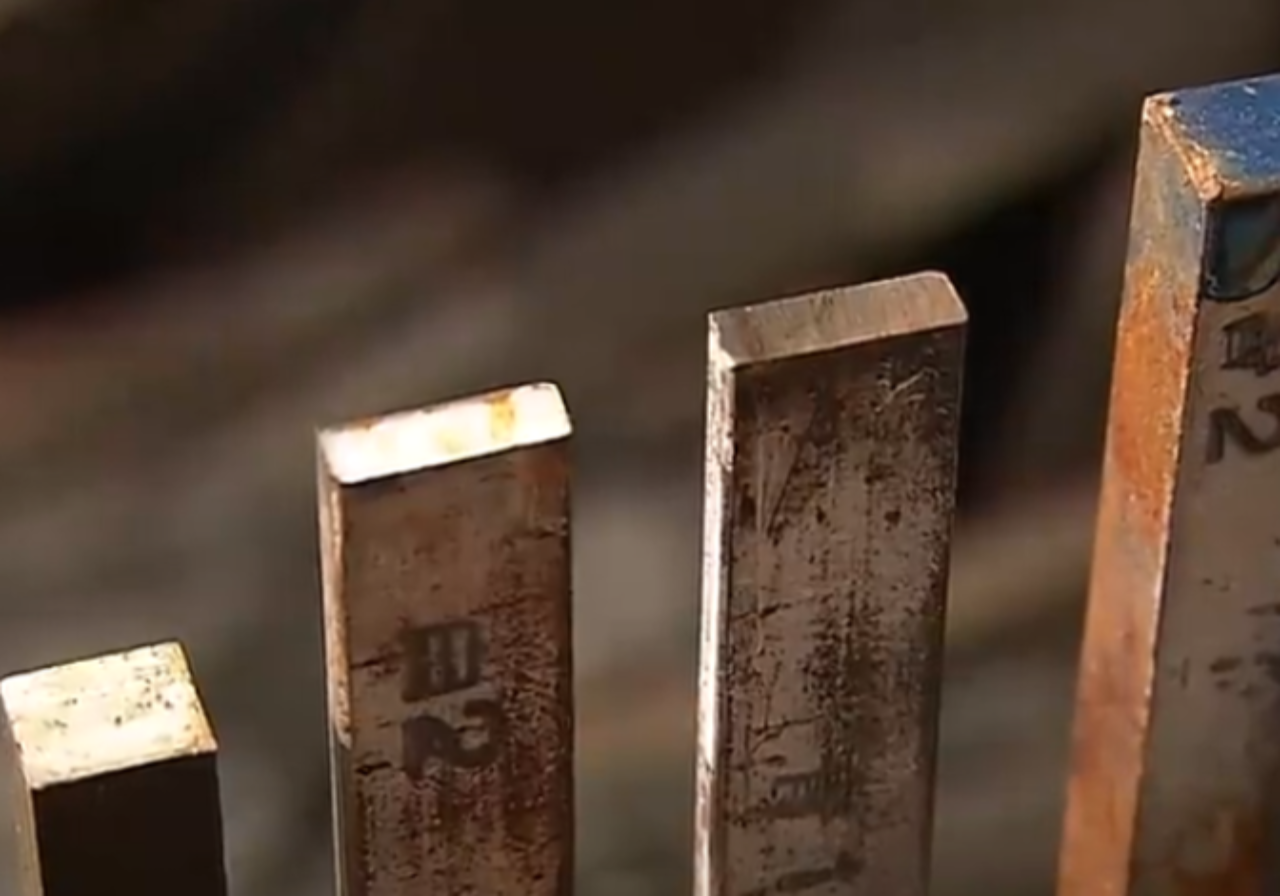
安来钢:日本刀之心
安来钢(Yasuki Steel)长期以来一直是日本刀具制造的传奇核心。随着2023年日立金属公司(Hitachi Metals)向Proterial的过渡,安来钢的未来正处于一个转折点。白钢和蓝钢的持续生产仍充满不确定性,而新的不锈钢材质的出现,也给制造商、用户和收藏家们提出了重要的问题。了解安来钢对于把握日本刀具的未来比以往任何时候都更加重要。
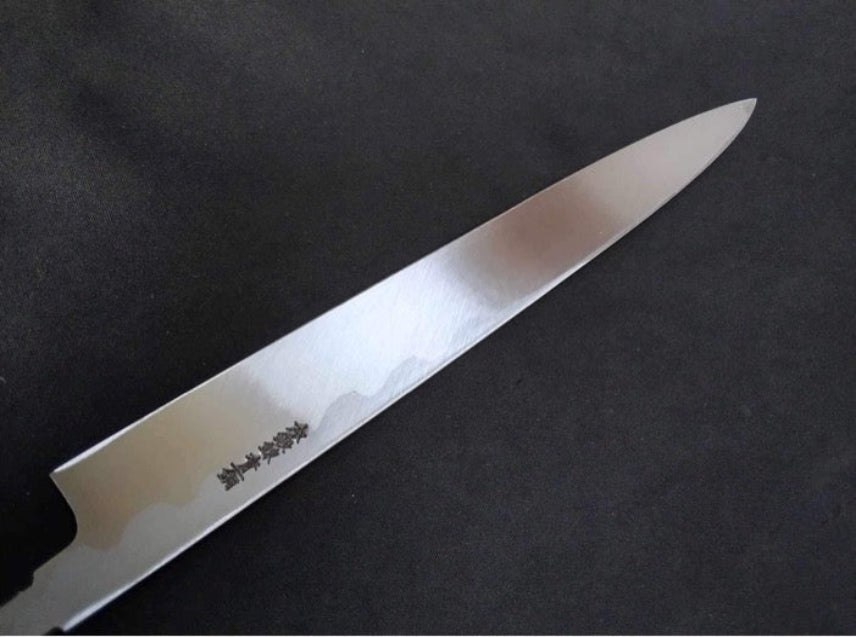
蓝钢#2:锋利与强度的完美平衡
蓝钢2号是日本刀具制造中最受欢迎的材料之一,因其锋利度和耐用性的完美结合而备受推崇。它以其顺滑的“甜美切割”手感和持久的刀刃保持力而闻名,深受专业厨师和热爱烹饪的家庭厨师的青睐。一把蓝钢2号刀能为任何厨房带来精准、愉悦的用刀体验和持久耐用的性能。
