• 选择合适的日本刀可以彻底改变您的烹饪体验——无论是味道还是乐趣。在本指南中,我们将引导您完成三个关键步骤,找到完美的搭配:刀具类型、刀片材质和尺寸。无论您是专业厨师还是家庭厨师,我们都能帮助您找到理想的厨房伴侣。

  • 我真诚地希望您能找到真正适合您需求的完美日本刀

    本指南基于我在东京就读寿司学校并购买第一把刀时获得的知识。

    通过选择合适的刀具并在未来几年内使用它,您会发现烹饪的乐趣质量都有显著的不同。

  • 为了帮助您做出最佳选择,本指南将通过三个简单的步骤引导您完成整个过程:

    步骤 1:选择刀具类型
    步骤 2:选择刀片材料
    步骤 3:选择刀片尺寸

  • 如果我能帮助您找到适合您烹饪之旅的理想刀具,没有什么会让我更高兴。

  • How to Choose a Japanese Knife
  •     

  • Step1 Choosing a Japanese Knife Type

  • The first step is to decide what you will primarily cut with your new knife.
    (Refer to the chart below for matching knife types with ingredients.)

  • Japanese knives come in many shapes, each designed for a specific purpose.

    If you are starting your first set of Japanese knives, the three essential types are:

    • Yanagiba
      — Long, slender blade for slicing sashimi with a single, clean pull.
    • Deba
      — Thick, sturdy blade for filleting fish and cutting through small bones.
    • Usuba
      — Flat-edged vegetable knife for precise, paper-thin cuts.

    By choosing the right knife for each ingredient, you ensure cleaner cuts, better texture, and more enjoyable cooking.

柳场

  • 优雅如剑,锋利无比。

    柳刃——日本标志性的生鱼片刀——以流畅的动作切开鱼,保留了鱼的质地、风味和美感。
    它深受寿司大厨的喜爱,它不仅仅是一把刀,而是一种活生生的传统,由技艺精湛的工匠打造,随时准备激发您的灵感。

德巴

  • 传统的重量掌握在你手中

    厚重的手法,精准的动作——Deba 彻底革新了鱼类料理的艺术。历经数百年的传统锤炼,Deba 让每一次切割都成为对精湛技艺的尊重与诠释。

乌苏巴

  • 每一片都精准

    三种刀刃,三种传统。从精准的薄刃,到多用途的镰刀,再到精致的木物刀,每一次切割都展现出食材中蕴藏的美感。

刀具类型

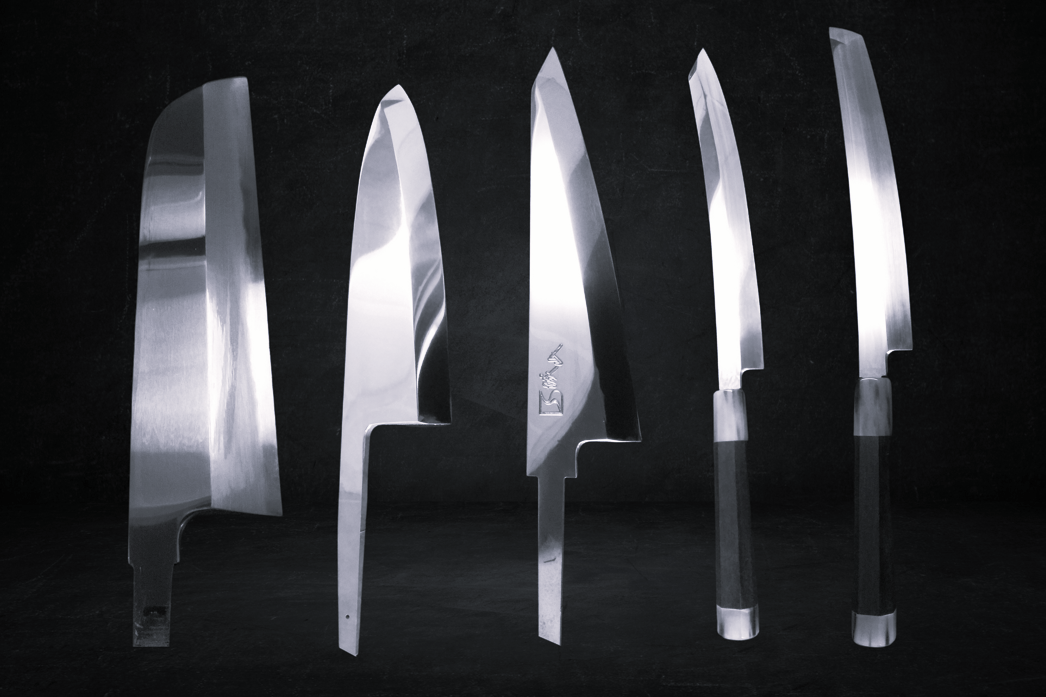
在 KIREAJI,我们提供用于切生鱼片的柳刃刀、用于切鱼的出刃刀、用于切蔬菜的薄刃刀、用途广泛的牛刀、用于精细工作的佩蒂刀以及用于轻松切片肉和鱼的 Garasaki 刀。

刀具类型
  • 确定刀具形状后,下一个关键步骤是根据刀具的预期功能选择最佳的钢材。首选钢材是防锈不锈钢碳钢。防锈刀具的优势在于维护成本较低,而碳钢刀具虽然容易生锈,但更注重刀具的保养和维护

  • Selecting the Blade Material

    将文本与图像配对以关注您选择的产品、产品系列或博客文章。添加有关可用性、样式的详细信息,甚至提供评论。

  • 选择你的刀:别再追逐参数了

  • 最好的刀不是店里最锋利的那把,而是你愿意保养的那把。

    在刀具话题上投入足够多的时间,你会发现一个模式:人们痴迷于钢材等级和洛氏硬度(HRC),然后买了一把刀却让它躺在抽屉里,因为维护起来太麻烦了——或者刀刃崩口,因为刀具不适合他们实际的烹饪方式。

    问题不在于信息匮乏。而是问错了问题。

  • 每一把刀都是一种妥协

    在做出任何购买决定之前,有一个原则值得我们牢记:提升一个特性,其他方面就会有所牺牲。

    更硬的刀刃能保持更久的锋利度——日本工匠称之为“长切れ”(nagagire),即在整个使用过程中保持持续的锋利。但同样的硬度也使得磨刀更慢、更具技术性,也更不易容错。如果用力过猛,刀刃会在侧向应力下崩裂。

    碳钢与不锈钢之间的权衡也遵循相同的逻辑。碳钢(Hagane)锋利度极佳,即使是经验不足的技术也能很好地打磨。代价是其反应性——如果不经常保养,就会生锈。不锈钢则能容忍潮湿和疏忽,但较硬的不锈钢等级在磨刀石上可能反应较慢。

    两者都没有绝对的优劣。它们只是针对不同优先级的不同解决方案。

  • 你首先应该问的问题

    在考虑钢材等级或洛氏硬度之前,请先问一个坦诚的问题:这把刀将如何进行实际维护?

    大多数购买决策的失误并非在于选择本身,而在于刀具的要求与实际使用情况之间的差距。

    对于专业人士:最常见的错误是选择一把技术上卓越但操作上不切实际的刀具。一把硬度高但需要三十分钟才能正确修复的刀,在繁忙的厨房里会成为累赘。结果是:刀具使用过度,刀刃受损,它非但不能帮助厨师,反而给他们带来麻烦。对于年轻的专业人士来说,从一把“刃金(hagane)”刀开始可以培养正确的习惯——它所要求的保养会让你与工具建立起一种联系,这种联系会延续到你拥有的每一把刀上。

    对于家庭厨师:第一个问题甚至更为根本——你真的会磨这把刀吗?如果诚实的回答是偶尔磨或从不磨,那么一把中档不锈钢三德刀是正确的选择。它性能可靠,无需太多维护。如果你会磨刀,或者想学习磨刀,那么“刃金(hagane)”刀就变得真正触手可及——它的磨刀响应也成为一种乐趣而非负担。

  • 唯一重要的规则

    一把刀,如果你对它的要求超出你所能付出的,它永远不如一把你真正爱惜的简单刀具。

    规格固然重要——但前提是你已经回答了更基本的问题:你如何烹饪,如何磨刀,以及你的厨房日常是什么样的。

    适合你实际情况的刀具,永远胜过只符合规格表的刀具。

刀的材质

  • 柱子

    选择一把日本刀乍一看似乎很简单,但实际上是一个非常复杂的过程价格钢材特性锋利度、易磨性耐腐蚀性等因素都会相互影响,理想的刀具因其预期用途和使用者的技能水平而异。本文将探讨适合日本刀的钢材,并为您提供一些技巧,帮助您找到符合您需求的完美刀片

  • (2)选择日本刀的关键:锋利度和刀刃保持性

    在选择日本刀的钢材时,需要考虑的最关键因素是其锋利度刀刃保持性。这些特性直接影响刀具在手中的感觉以及烹饪作品的质量。

  • 柱子

    高端日本刀采用更硬的钢材制成,锋利无比,但需要高超的磨刀技巧。使用合适的磨刀石,再加上时间和精力,可以让刀刃焕然一新,带来非常愉悦的体验。

  • 相比之下,价格更实惠的日本刀通常采用稍软的钢材制成,因此更容易磨砺。这一特点使它们成为初学者的绝佳选择,因为它们更容易打磨,而且不太可能让刀具保养新手不知所措。

  • 磨砺日本刀不仅仅是保养,它还是一个与工具建立联系并培养其潜力的机会。为这段旅程选择合适的刀具是乐趣的一部分——这是掌握护理和工艺艺术的一步。

  • 柱子

    此外,碳钢刀具需要定期保养才能保持刀刃锋利。在繁忙的厨房中,管理和保养刀具会浪费宝贵的时间,干扰其他重要任务。这时,Ginsan 等高品质不锈钢就派上用场了。这些刀具具有出色的刀刃锋利度和耐用性,同时大大减少了保养需求。因此,您可以有更多时间专注于其他任务,在厨房中营造一种平静和清晰的感觉。

  • 柱子

    这种轻松感会对工作质量和烹饪创造力产生深远的影响。减少刀具保养的压力可以让厨师在烹饪时更加自由和大胆,这是这个职业的一个重要方面。

刀具材质

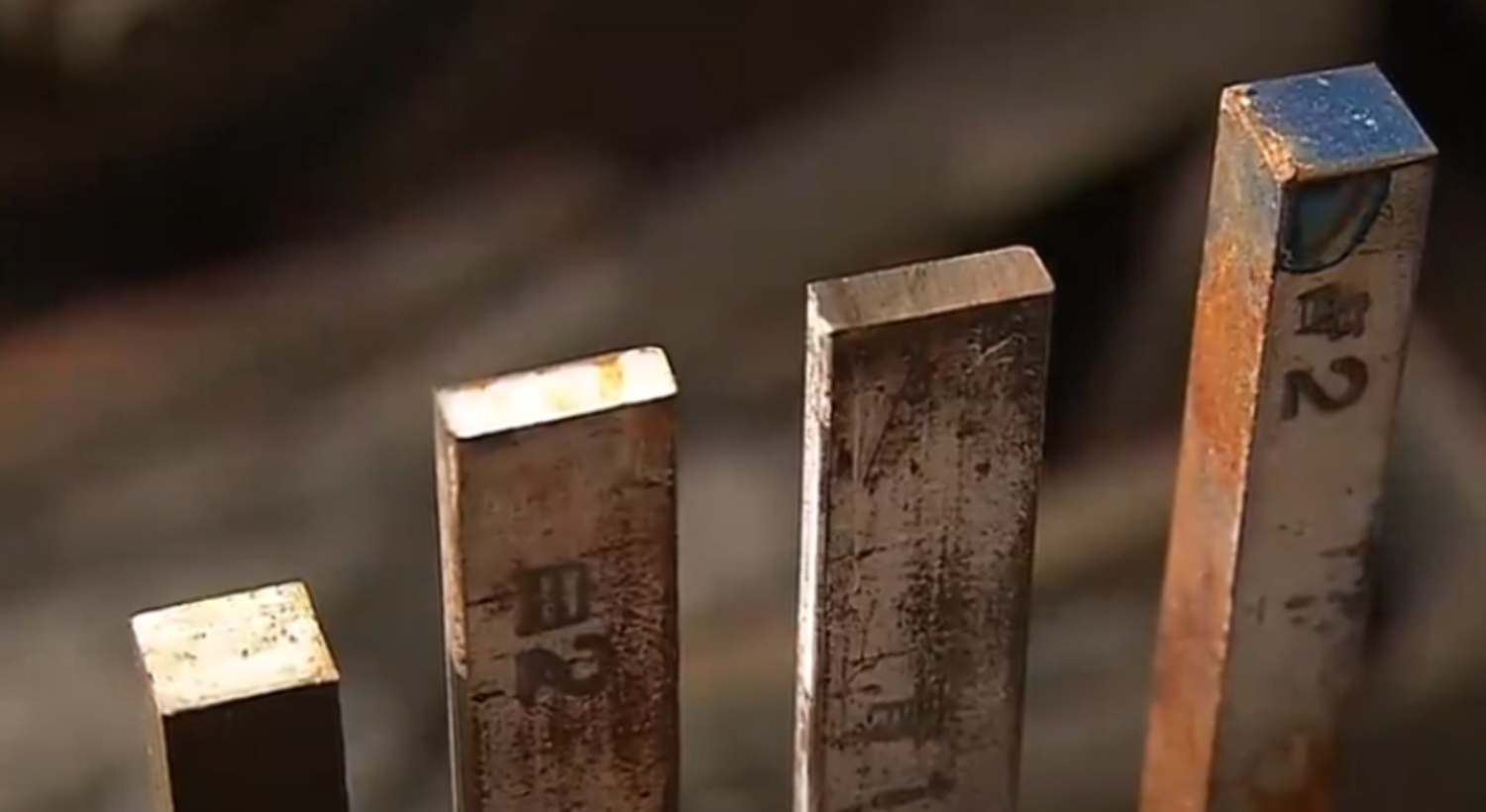
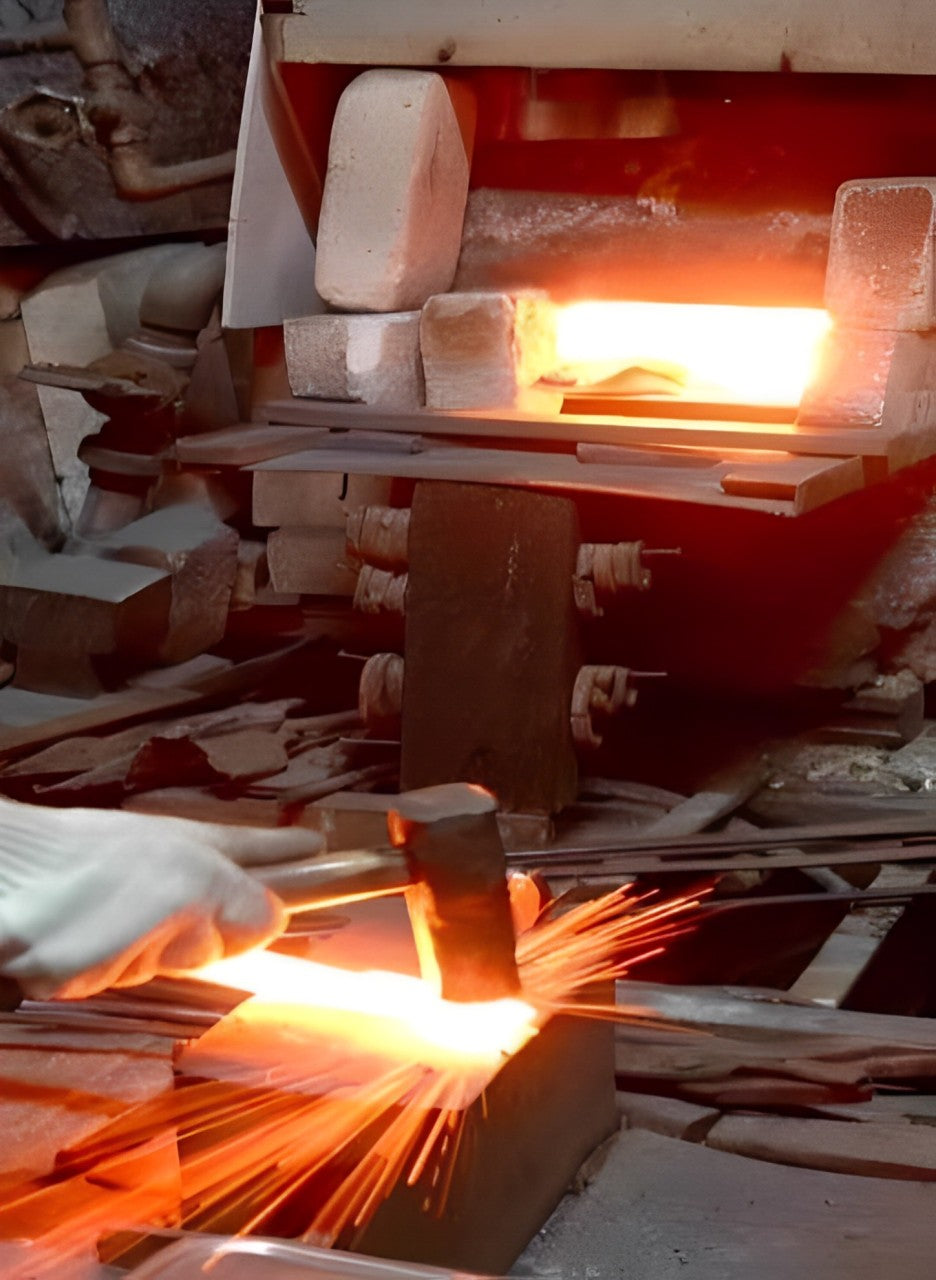
在 KIREAJI,我们使用各种钢材,每种钢材都有其独特的优势。较硬的钢材刀刃更耐用,但需要更多技巧来磨砺;而较软的钢材则更容易保养。了解这些差异有助于您选择最适合您烹饪风格的刀片。

刀具材质

日本刀材质4大要点

一把优质的日本刀由四个特性定义:硬度、耐磨性、韧性和耐腐蚀性。这四个特性共同决定了刀刃的锋利度、耐用性和易保养性。理解这种平衡是鉴赏真正刀具品质的关键。

日本刀材质4大要点
Handle-Ebony

手柄类型

传统的瓦形刀柄兼具轻盈、平衡和舒适,让厨师能够精准操控,减少疲劳。正如刀刃决定性能一样,刀柄也体现了手与刀具之间的和谐统一——因此,它是选择刀具时至关重要的选择。

手柄类型
  • 选择合适的刀片长度不仅仅取决于偏好,还取决于精度、效率和控制
    刀片太短可能会难以完成某些任务,而刀片太长则会感觉笨重。
    理想的尺寸可以平衡您最常准备的食物、您的切割风格以及您使用刀具的舒适度。

  • 通过选择合适的长度,您可以确保每次剪发都干净、自信且毫不费力

  • Ginsan_Honyaki_Yanagiba_Sakimaru_300mm_-Mirror_Polished_both_sides

    柳叶

    建议尺寸: 240mm、270mm、300mm

    对于生鱼片刀,我们建议选择刀刃稍长的。刀刃越长,一次拉动就能切得越干净利落,口感和味道也更好。

    柳叶 
  • Super-Steel-Honyaki-Deba-210mm-Mirror-Polished-both-sides

    德巴

    建议尺寸: 180mm、210mm

    理想的尺寸取决于您要切割的鱼的大小。一般来说,选择与鱼的整体长度和宽度相匹配的Deba,以便更好地控制和提高效率。

    德巴 
  • Usuba made in Sakai City

    薄叶

    建议尺寸: 180mm、210mm、240mm

    如果刀刃太短,制作生鱼片或切葱花等操作会比较困难。为了方便使用,我们建议刀刃长度至少为210毫米。

    乌苏巴 
  • 久藤

    建议尺寸: 240mm、270mm

    Gyuto 是一款多功能刀。稍长的刀刃让它更容易精准地处理诸如切去皮蔬菜之类的任务。

    牛头 
  • Nihonkou-2N-Petty-150m

    小气

    建议尺寸: 210mm

    紧凑型多功能刀,非常适合精细工作或较小的食材。

    小气 
  • 伽拉崎

    建议尺寸: 150mm、180mm

    Garasaki 刀专为分解家禽或小骨头而设计,具有出色的控制力和耐用性。

    炭崎 
  • 选择刀的长度时,重要的是考虑厨房和砧板的尺寸。

  • 例如,专业厨师通常会选择长度在240 毫米到 300 毫米之间的柳刃。这个长度非常适合切生鱼片或鱼片等精细操作——它拥有卓越的平衡性,刀刃能够轻松流畅地划动。当需要精准和干净的切割时,较长的刀刃更能发挥其优势。

  • 要找到最适合你的长度,可以试着用尺子或棍子代替刀。想象一下从刀柄到刀尖的重量和平衡,你就能很快找到最适合你手的尺寸。

  • 刀具不仅仅是一种工具,更是您在厨房的好伙伴。选择一把感觉自然、易于操作的刀具不仅会让烹饪变得更加愉快,还能提高您的效率和精准度。

为什么要用一把好刀?用合适的工具释放你的全部烹饪潜力

  • 寻找完美的日本刀:烹饪之旅的一项值得投资

  • 1. 增强风味,拓展烹饪可能性

    找到一把完美的日本刀是烹饪之旅新篇章的开始。通过这一选择过程,您不仅选择了工具,还与日本传统烹饪文化建立了联系,并深化了自己的烹饪理念。

  • 另一方面,一把锋利、精心锻造的刀可以一刀切得干净利落,保持番茄的结构,并让番茄汁留在原处。用一把好刀,您还可以实现精确切割——从切出边缘完美的生鱼片到将蔬菜切成均匀的块而不压碎。合适的刀可以让您烹饪得更精确、更有创意、更有控制力,将您的菜肴提升到专业水平。

  • 2.减轻压力,提高效率

    您是否曾经费力切开一块鸡肉,却发现刀刃滑落?或者切洋葱时,每次都忍不住流泪?一把锋利、优质的刀具可以消除这些烦恼,让您轻松切开食材,省时又省力。这不仅让烹饪变得更有趣,而且节省时间和精力——无论您是专业厨师还是家庭厨师。

  • 3. 持久且经济高效

    许多人认为好刀很贵,但实际上,好刀是一项长期投资。便宜的刀很快就会失去锋利,需要经常磨刀和更换。相比之下,精心制作的手工锻造刀只要保养得当,可以使用一辈子。有些人仍然使用和保养超过50 年的刀具!从长远来看,投资一把高质量的刀不仅划算,而且还能每天提供卓越的烹饪体验。

  • 虽然一把高品质的日本刀乍一看似乎是一项重大投资,但从长远来看,其成本效益确实非常出色。一把制作精良的刀,如果保养得当,可以使用10 年、20 年甚至 30 年。这意味着,即使最初的价格很高,但多年来每次使用的成本会变得非常低。您还将受益于卓越的耐用性和持久的锋利度,从而提高您在厨房的效率并缩短准备时间。

  • 选择一把优质刀具,您不仅投资于当下烹饪的乐趣和精准度,还投资于长期价值。高品质刀片的可靠性意味着您无需频繁更换更便宜的替代品,从长远来看可以为您节省资金。

  • 您准备好为您的烹饪之旅寻找完美的刀具了吗?

  • 刀工的艺术:一把好刀如何提升每一道菜的品质

  • 一把好刀不仅切得更好——它还能改变你的烹饪方式
    锋利的刀片能保留食材的风味、口感和香气,让备餐变得轻松,精心保养的话可以用一辈子。
    它不仅仅是一件工具,更是你在烹饪方面最值得的投资

  • The short answer is yes — with one important condition that is often overlooked in discussions about knives.

    If you have spent any time in the world of Japanese knives, you have probably encountered both sides of this argument.

    On one side: buy the best knife you can afford. Quality tools can help you improve. A great knife may inspire you to cook more, sharpen more, and develop your skills.

    On the other side: don't spend too much on an expensive knife until you know how to use it. You might chip it, neglect it, or simply not be able to extract the performance it's capable of.

    Both of these positions contain real truth. Neither of them is the complete picture. Here is the honest version.

  • Yes, Buy the Knife You Love

    The first thing to say is this: if you find a knife that draws you in — the steel, the handle, the way it looks in your hand — buy it.

    Enjoyment of the tool is not a secondary consideration. For many people, it is the primary reason they are interested in Japanese knives at all. The knife you find beautiful is the knife you will pick up, care for, and use. That relationship matters.

    There is no rule that says a beginner must start with an entry-level knife. Japanese knife culture is not a credentialing system where you must demonstrate competence at each tier before moving forward. If a knife at a particular price point or in a particular steel speaks to you, the fact that you are new to the tradition is not a reason to wait.

    What you should understand, however, is what the knife will ask of you — and whether you are ready to give it that.

  • The Condition: Performance Requires Maintenance

    Here is the thing that is often overlooked: a knife performs at the level of the edge it currently carries, not the level of the steel it is made from.

    This is not a subtle point. It is one of the most important practical truths in the world of Japanese knives. A perfectly sharpened knife in inexpensive steel will often cut better than a poorly maintained knife in the finest steel available. The steel sets the ceiling of what is possible. The sharpening determines where you actually are.

    Which means that when you buy a high-quality Japanese knife, you are primarily buying potential. The potential becomes performance only when you can maintain the edge — when you can sharpen the knife to the standard the steel allows, and keep it there.

    For a beginner, this creates a specific challenge. In general, steels with higher wear resistance and more complex carbide structures tend to be more demanding to sharpen properly. High-end Japanese knives often use steels that require skill, appropriate stones, and refined technique to maintain properly.

    A beginner who buys a knife in steels such as Aogami Super, or very high-hardness steels such as ZDP-189, and cannot yet sharpen it properly may end up with something that performs below a well-maintained knife in simpler steel — and that may chip or degrade in ways that feel like the knife's fault, but are actually the result of maintenance that the knife demands but is not receiving.

    An expensive knife that cannot be maintained is not a good knife. It is an expensive object that happens to be shaped like a knife.

  • What Happens When Maintenance Fails

    The endpoint of this progression is worth stating plainly. A knife whose edge has degraded, and whose steel makes it difficult for its owner to restore that edge, can begin to feel disappointing in use. The shape is correct. The potential is still there. But without the edge, none of it matters.

    The condition for buying a high-quality knife is not having high-level skills. It is being willing to develop them — to treat sharpening as part of the practice of owning the knife, to invest in learning how to maintain what you have bought.

    If that commitment is genuine, the quality of the knife will reward it over time. The steel that seems demanding at first becomes familiar. The sharpening that seems difficult becomes satisfying. The knife that was expensive becomes, in the fullest sense, worth it.

    If that commitment is not there — if the intention is to use the knife heavily and sharpen it occasionally or never — then the quality of the steel becomes less meaningful. Any knife in that situation will underperform. The high-quality knife will simply underperform more visibly.

  • For Your First Serious Japanese Knife: A Steel Guide

    If you are choosing your first proper Japanese knife and want guidance on steel, one of the strongest traditional starting points is Shirogami No. 2 — White Steel No. 2.

    Shirogami No. 2 is one of the most established traditional steels in Japanese knife-making. It responds to the whetstone with clarity and directness, making it particularly suitable for learning sharpening.

    A beginner who starts with Shirogami No. 2 is working with a steel capable of excellent performance. The quality is genuine. The sharpening, while it requires attention, is more forgiving and instructive than harder, more wear-resistant steels. The mistakes you make while learning to sharpen Shirogami No. 2 are often visible and correctable. The feedback the steel gives you is honest.

  • If Rust Is a Concern: Consider Ginsan

    Carbon steel rusts. This is not a problem for cooks who are disciplined about wiping and drying their blades immediately after use. For cooks who are not — or who know themselves well enough to know they won't be — the prospect of rust can reduce the enjoyment of owning a carbon steel knife.

    Ginsan — Silver Steel No. 3 — offers a strong alternative. It is a stainless steel that, in the hands of a skilled maker, can approach the sharpening response and edge quality of carbon steel more closely than many stainless alternatives. It does not require the same rust vigilance.

    For a beginner who wants the Japanese knife experience without the rust management commitment, Ginsan is an honest and practical recommendation.

  • What to Approach with Caution: Aogami No. 1 and Similar

    Aogami No. 1 — Blue Steel No. 1 — is an exceptional material. It is also, for many beginners, a demanding starting point.

    The hardness and wear resistance that make Aogami No. 1 perform impressively in the hands of an experienced sharpener can make it less forgiving for someone still learning. The technique must be more precise. The margin for error is narrower.

    This is not a permanent limitation. As sharpening skills develop, harder and more complex steels become accessible and rewarding. But starting with a steel whose demands exceed your current maintenance capability is one of the most common ways that expensive knives end up underperforming.

  • The Conversation Worth Having Before You Buy

    A good knife seller will often ask questions before recommending a knife.

    How will you use it? How often? What will you cut? Do you sharpen your own knives? What stones do you have? How comfortable are you with the process?

    These questions help match the knife to your actual use and maintenance habits. A knife that is perfect for one cook may not be suitable for another.

    The goal is to find the knife whose steel, geometry, and maintenance requirements match what you are willing and able to give it now.

  • The Principle Behind the Advice

    The reason this guidance matters is that it reflects how Japanese knife culture often views the relationship between the cook and the tool.

    A knife is not a finished product. It is the beginning of a practice.

    The blade you buy is the blade you will sharpen, adjust, and maintain over years of use. The quality of that relationship is what determines whether the knife you paid for becomes the knife you actually experience.

    The most expensive knife, poorly maintained, performs below its potential.
    The most modest knife, carefully maintained, performs at its ceiling.

    Buy what you love.
    Understand what it will ask of you.
    Commit to giving it that.

    A great knife does not make a great cook. A cook who understands their knife becomes, over time, a great cook — and the knife they have been caring for all along becomes, in the fullest sense, a great knife.

你会带什么东西去太空?

如果空间有限,你会带什么东西去未来?
本文探讨了有意义的消费,以及像日本刀这样的久经考验的工具为何能提供一种不同的选择和生活方式。

你会带什么东西去太空?