

参观堺市的城山刀具工房
-

为什么“看见”很重要
有些理解只能通过亲身经验获得:身临其境,亲手触摸当地制作的物品,并目睹技艺精湛的工匠们工作的环境。
当您参观位于堺市的城山刀具工坊时,您并非走进一个传统的展厅或旅游景点。您参观的是一个活跃的刀具工坊,而这座城市制作刀具已有六百多年的历史。
塑造了日本专业烹饪的传统,至今仍由那些将毕生精力投入到此项工艺中的人们在那里实践着。
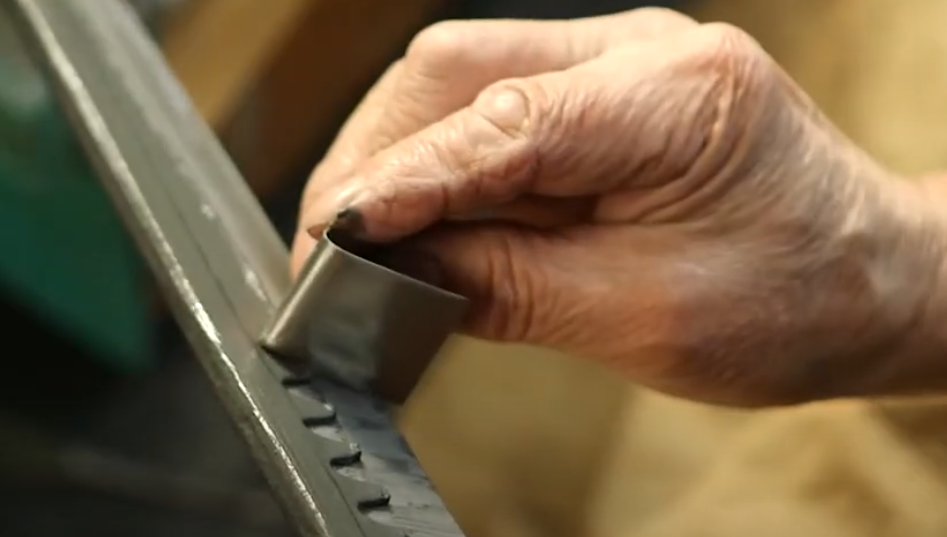
根据您参观时工坊的活动和可用性,您可能会看到处于不同完成阶段的刀具。您也可能有机会在刀柄安装前检查刀片,更清楚地了解为什么每个生产阶段都很重要。
最重要的是,您将能够握住正宗的堺市刀具,体验规格和照片无法完全传达的细节:平衡、重量、轮廓、表面处理,以及刀具在您手中的感觉。
这种直接体验常常在游客离开后很久仍留在他们心中。
您也将置身于堺市,一个对其所制造的产品拥有宁静信心的城市。这里不是为旅游而创建的目的地。这是一个世代相传着严谨工艺的地方,这种历史感可以在工坊、工具、材料和刀具本身中感受到。
-

访问外观
这不是一个亲自动手制作刀具或磨刀的课程,也不是一个有固定行程的结构化观光旅游。
这是KIREAJI为那些对参观和触摸正宗堺刀感兴趣,并可能考虑购买刀具的顾客安排的,对一家运营中的刀具作坊的私人参观。
城山刀具作坊通常在上午9:00至下午1:00之间接待访客。周四和周日通常不提供参观。包括周六在内的其他日期的参观,需提前与作坊咨询并确认。
作坊遵循的是活跃的手工作坊的节奏,而不是零售商店的节奏。作坊正在进行的工作始终是第一位的,因此所有参观都必须提前安排和确认。参观无需付费,也无购买刀具的义务。
有些访客找到了他们一直在寻找的刀具,而另一些访客则对未来可能适合他们的刀具有了更清晰的理解。
每次参观的时长和内容因访客的兴趣、问题以及他们希望查看的刀具类型而异。因此,没有固定的行程或标准时长。
如果您想申请参观,请通过我们的联系表格联系KIREAJI,并提供两到三个首选日期。由于可用性取决于作坊的生产计划,我们建议尽可能选择周四和周日以外的日期。
我们还请您尽可能具体地告诉我们您对哪种刀具感兴趣。有用的信息可能包括:
- 刀具类型,例如柳刃、牛刀、出刃、河豚引或其他款式
- 首选刀片长度
- 首选钢材,例如银三钢、白钢、青钢或其他材料
- 是否对本烧刀感兴趣
- 预期用途
- 您是惯用右手还是左手
提前了解您的偏好,可以让我们与作坊协调,并尽可能为您在参观期间准备好合适的刀具供您查看。
请理解,城山刀具作坊由一个小团队运营,首先是一个正在工作的手工作坊。在您参观当天,不能保证具体的刀具、工匠、生产阶段或作坊活动。
特别是某些刀具——例如左手用单刃刀、某些钢材、尺寸或特殊规格——可能供应有限或需要相当长的生产时间。提前告知我们您的偏好,可以让我们在您参观前与作坊确认,并有助于尽可能避免失望。
一旦我们收到您偏好的日期和刀具兴趣,KIREAJI将直接与城山刀具作坊协商,并告知您是否可以安排参观以及可能有哪些刀具可供您查看。
-

您亲眼所见的刀具,就是您带回家的刀具。
到访工作室还有一个值得一提的意义。
当您亲手握住一把刀时,您处于最佳位置来判断它是否适合您。
您可以感受其平衡,在自然光下检查其表面处理,比较刀型和刀刃长度,并注意到屏幕上难以判断的细微细节。
有些访客带着明确的想法前来,知道自己想要什么样的刀。而另一些人则发现,某种不同风格、钢材、尺寸或刀型的刀用起来比他们预想的更顺手。
工作室可能还有一些目前未在 KIREAJI 网站上列出的刀具。根据库存情况,这些刀具在参观期间也可以进行检查和讨论。
参观的目的不仅仅是看看有什么可用的。它旨在帮助您更深入地了解真正适合您需求的刀具。
欢迎您前来参观,没有购买的义务。
然而,当某把刀在您手中感觉合适时,工作室之行也能让您充满信心做出决定,这是仅凭照片无法提供的。


联系表单
为什么越来越多的刀具爱好者选择堺市
-

Sakai 正在发生一些变化
2024年10月,堺市市长永藤英机分享了一个有趣的新进展。
堺市传统工艺馆在2023财年的销售额达到了约1.82亿日元,大大超过了此前的纪录。
但这笔数字本身并不是最有趣的部分。
市长特别指出,市政府一直收到关于更多海外游客在该工艺馆购买高价值刀具的报告。
在2024财年至今,销售额持续超过上年同期,约为2023财年水平的1.3倍。
这告诉我们一个重要的信息。
国际社会对堺刀的兴趣不再局限于在线浏览或从海外购买。
对于一些游客来说,堺市本身正成为其旅行体验的一部分。
-

堺市正围绕这一体验进行建设
这不仅仅是通过个人旅行者实现的。
堺市本身也越来越将传统工艺视为城市游客体验的一部分。
其新的《堺市2030年基本规划》明确提出,要通过参观生产现场和动手体验工艺品,为人们提供更多机会直接体验工匠的技艺。
堺市还打算加强传统产业、旅游设施和文化景点之间的联系,以鼓励游客前来堺市,探索更多城市风光。
这是一个重要的转变。
传统产业不再仅仅被视为需要保护的事物或待售产品。
它们正成为到访堺市本身的原因之一。
-

海外游客究竟在寻找什么?
也许他们不仅仅是为了买一把刀而旅行。
因为如果目的只是拥有一把锋利的日本刀,就没有理由跋涉数千公里。
优质的日本刀在世界各地都可以买到。
堺市所提供的是不同的东西:
亲近。
亲近作坊。
亲近工匠。
亲近创造了这件物品的文化。
亲眼看到一件工具的来源,会给人一种强大的感觉。
你开始提出仅凭规格无法回答的问题。
这是谁锻造的?
这是谁磨锐的?
谁教他们的?
这个作坊做这行多久了?
这把刀在堺市的悠久传统中代表着什么?
这些问题将购物转变为理解。
-

最好的纪念品可能不是刀具
想象一下你去了堺市,带回一把刀。
几年后,你可能会忘记这次旅行的许多细节。
一家餐厅的名字。
一个火车站。
那天下午你走过的路线。
但这把刀仍在你的厨房里。
你每周都会拿起它。
也许每天都会。
每次你拿起它,你都会想起它来自哪里。
一家作坊。
一位工匠的双手。
磨刀石的声音。
堺市的街道。
这把刀成了旅程与日常生活之间的一种实物连接。
那是一种非常不同的纪念品。
-

为什么这对 KIREAJI 很重要
并非所有日本刀具爱好者都能前往堺市。
对于居住在加拿大、美国、欧洲、澳大利亚或其他地方的人来说,堺市可能远在数千公里之外。
但我们认为,仅仅因为客户无法前往,就不应切断与这个地方的联系。
在 KIREAJI,刀具不会先运到 KIREAJI 的独立仓库,然后再寄出。
它们直接从堺市的 Shiroyama 刀具工坊运送给世界各地的客户。
路径很简单:
堺市 → 您的厨房。
对我们而言,这不仅仅是一种运输方式。
它是透明度的一部分。
刀具送达客户手中的旅程始于同一个城市,正是这个城市的工匠和工坊赋予了它独特的身份。
您可能无法亲临堺市。
但刀具仍然可以直接从那里送到您的手中。
-

也许人们旅行是为了比一把刀更重要的东西
当有人说:
“我想去堺市买一把刀,”
也许他们真正的意思是:
“我想知道它来自哪里。”
“我想了解它背后的文化。”
“我希望我购买的物品有一个我能理解的故事。”
堺市的最新数据显示,已有越来越多的海外游客在那里有意义地购买刀具。
该市未来的战略走得更远,有意将工艺、工坊体验、旅游和国际市场连接起来。
早前的国家旅游研究表明,当国际游客有机会亲身体验堺市的制刀过程时,他们的反应非常积极。
总而言之,这些发展讲述了一个引人入胜的故事。
堺刀不再仅仅通过出口走向世界。
世界也开始更接近堺市。
也许这正是一个活态手工艺应有的发展轨迹。
因为有时,要真正理解一件物品,你需要理解孕育它的地方。
了解地方。了解匠人。了解刀具。


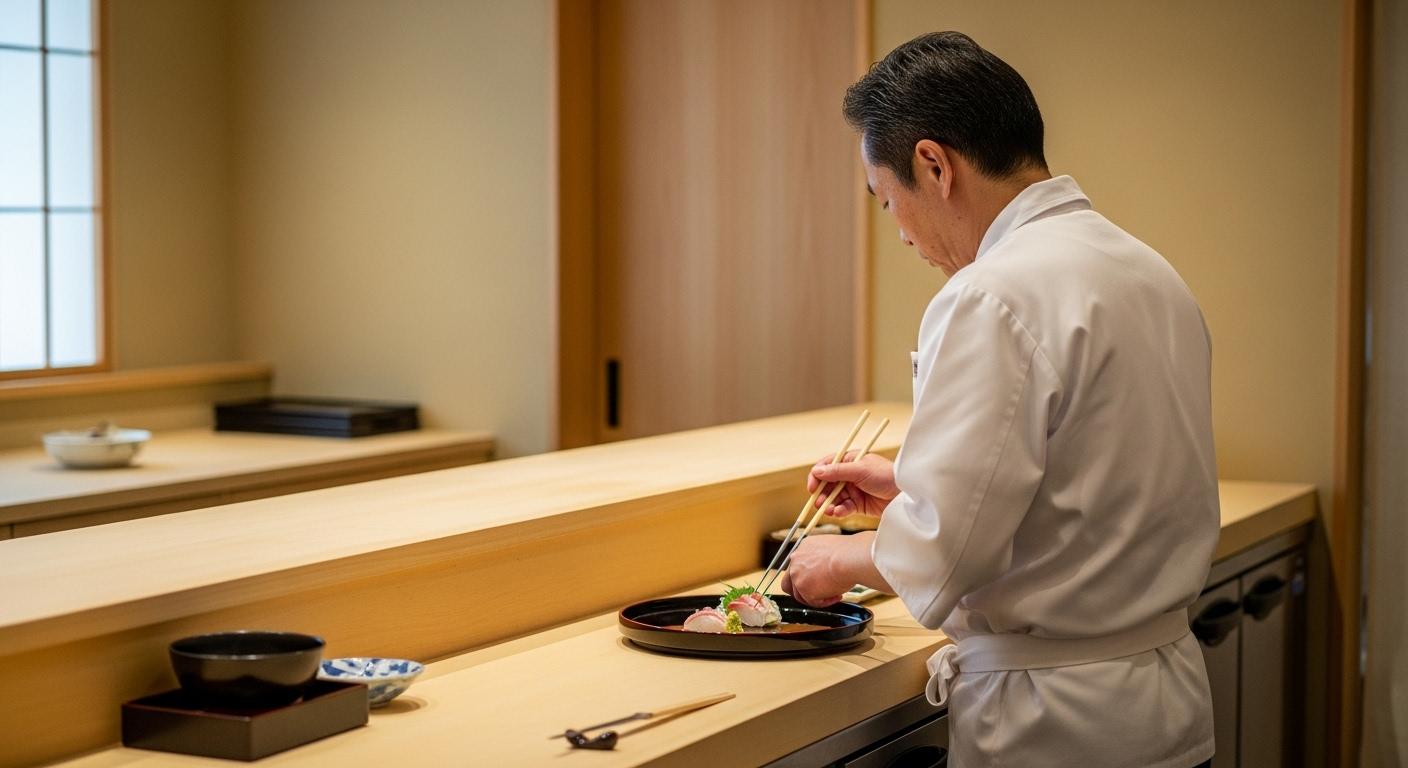
为何98%的日本厨师信赖Sakai刀具?
600多年来,堺市精益求精,将锻造、磨砺、精加工等每个环节都精益求精,打造出一门独特的工艺。这一传统使堺市成为日本最值得信赖的刀具的发源地。
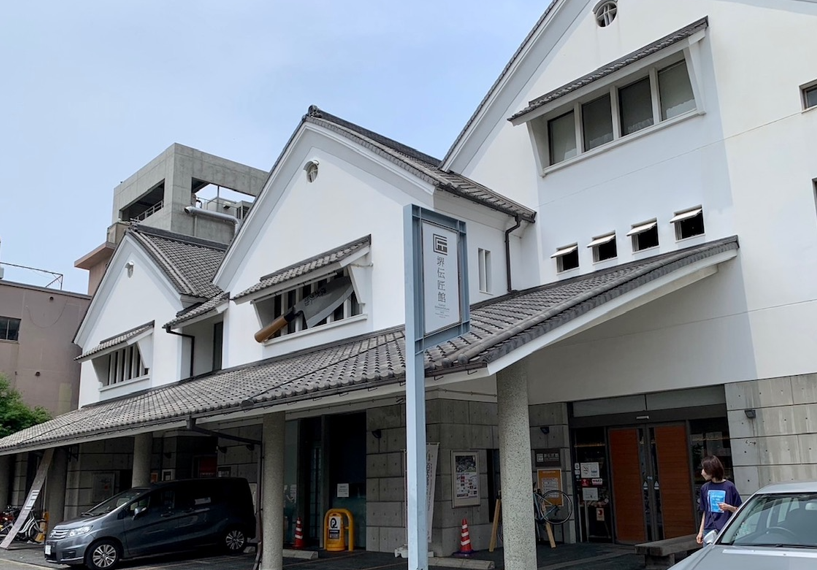

不可复制之物:堺刀背后的意义
技术和设计可以复制,但意义不能。
虽然许多刀具模仿日本刀的外观,但来自日本堺市的正宗刀具却承载着600多年的精湛工艺和文化传承。通过KIREAJI,我们分享这些刀具背后的意义,并邀请世界各地的人们了解、使用和传承堺的精神。