• Forged in Tradition: Japan’s Three Knife Capitals

    Japan is home to three legendary knife-making regions: Sakai, Sanjo, and Seki.
    Each city forged its own identity—shaped by history, environment, and culinary tradition.

    From Sakai’s razor-sharp single-bevel blades, to Sanjo’s versatile double-edged knives, to Seki’s fusion of sword-making heritage and modern mass production—each region brings a distinct spirit to steel.

    Discover the craftsmanship behind Japan’s most respected knives—and why chefs worldwide continue to trust them.

  • Japan’s tradition of knife-making is rooted in three major regions: Sakai City (Osaka), Sanjo City (Niigata), and Seki City (Gifu). Each region has cultivated its own techniques and styles, giving rise to a rich variety of Japanese cutlery that continues to influence kitchens worldwide.

  • Sakai dominates Japan’s professional market, producing more than 98% of chef’s knives used in Japanese cuisine. These knives, prized for precision and sharpness, are trusted by nearly every Japanese chef. In contrast, Seki and Sanjo lead the household market, supplying the majority of everyday kitchen knives thanks to their durability and ease of use.

  • Each region specializes in different knife structures:

    • Sakai (Osaka) excels in single-edged blades like Honyaki and Kasumi, crafted for precision and professional use.
    • Sanjo (Niigata) is known for durable double-edged knives, valued by both professionals and home cooks.
    • Seki (Gifu) combines tradition with mass-production, offering versatile monosteel (Zenkou) and double-edged Kasumi knives.
  • What truly distinguishes Sakai is its uncompromising dedication to handcraftsmanship. While other regions adopted machine production for efficiency, Sakai artisans continue to complete all three critical stages—Forging, Sharpening, and Handle Attachment—entirely by hand. This ensures not only superior sharpness and balance, but also an artisan’s spirit embedded in every blade.

  • Together, these three regions embody the artistry and diversity of Japanese cutlery, offering knives that range from the meticulously hand-forged masterpieces of Sakai to the highly practical and accessible designs of Sanjo and Seki.

  • Japan’s Three Knife Capitals: Where Tradition and Craftsmanship Take Different Paths

    Though united by centuries of Japanese craftsmanship, Sakai, Sanjo, and Seki each forged their own distinct traditions—ranging from fully hand-made precision blades to versatile everyday knives shaped by modern manufacturing. Together, they form the foundation of Japan’s global knife reputation.

1. Sakai - The Sacred Home of Japanese Knives

  • 1-1. A City Shaped by History and Craft

    Facing Osaka Bay, Sakai flourished as a historic port town where Japanese and foreign cultures met. With its mild climate and rich groundwater, the city became the ideal environment for forging blades. What makes Sakai unique is its specialized division of labor system—forging, sharpening, and handle-making are entrusted to different masters. This collaborative model has produced knives of unrivaled precision and quality.

  • 1-2. From Ancient Tombs to Kitchen Knives

  • Sakai’s blade-making roots stretch back over 1,600 years, when blacksmiths gathered to forge tools for Emperor Nintoku’s massive burial mound. Centuries later, during the Edo period, the city became famous for tobacco-cutting knives (tabako hōchō), which set the stage for Sakai’s reputation for sharpness.

  • With the decline of the samurai era, swordsmiths transferred their mastery of forging, quenching, and polishing into the culinary world. From Deba (fish butchering), Usuba (vegetable cutting), and Yanagiba (sashimi slicing), Sakai defined the essential forms of the Japanese kitchen knife still used today.

  • 1-3. Distinctive Features of Sakai Knives

  • 1-3-1 Forged Blade Construction

    Combining hard steel (hagane) with soft iron (jigane) gives strength, flexibility, and lasting sharpness.

  • 1-3-2 Division of Labor Quality Control

    Each process—(1) forging, (2) sharpening, (3) handle fitting—is perfected by specialists, ensuring world-class results.

(1) Forging

The blade material is heated in a furnace and shaped with a hammer. This process involves over 10 steps, with the material being heated in a high-temperature furnace each time, hammered repeatedly, and forged. Finally, the “ji” (base) is shaped into the desired form of the knife.

(2) Sharpening

Multiple sharpening stones are used to bring the blade to a cutting state. Depending on the type of knife, over 10 different sharpening stones might be used for various purposes. This process is called “Hatsuke” or sharpening.
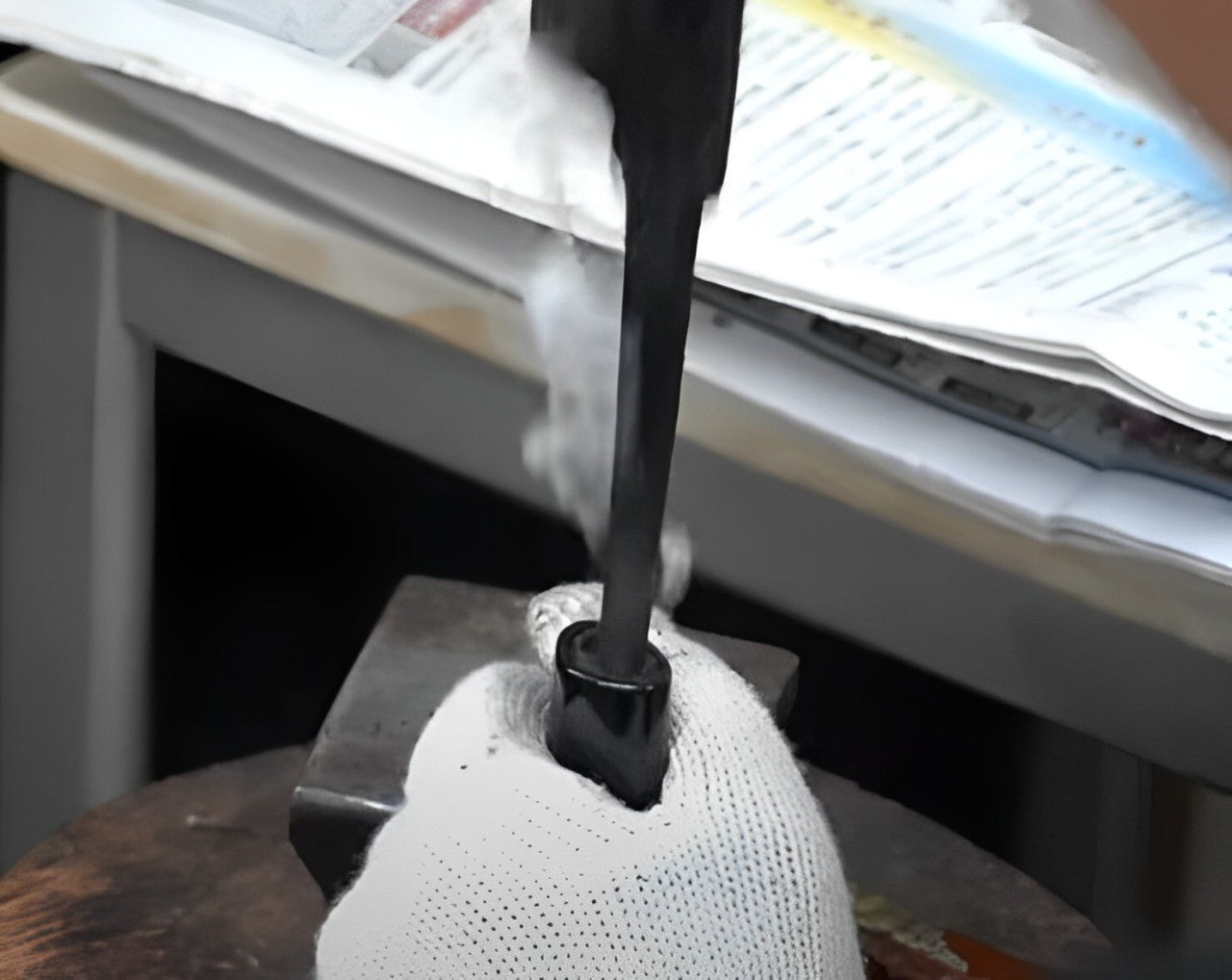
(3) Handle Attachment

This is the process of attaching the handle to the sharpened blade. The part inserted into the handle is heated, inserted, and any distortions are corrected. By making final adjustments to invisible distortions, a high-quality knife with prolonged sharpness is achieved.

  • 1-3-3 Single-Edged Precision — The Secret of Unmatched Sharpness

    Most Sakai knives are single-edged (kataba), a structure rarely found outside Japan. Unlike double-edged Western knives, the single bevel allows the blade to slice with surgical accuracy, minimizing damage to the food’s cellular structure. This precision makes it possible to achieve perfectly straight cuts in vegetables, clean filleting of fish, and the elegant sashimi slices essential to Japanese cuisine.

  • 1-4. Tradition Meets Innovation

    Today, Sakai knives are exported to 30+ countries and praised in Michelin-starred kitchens worldwide. To meet global needs, makers blend Western knife styles with traditional single-edged forms, creating a new generation of hybrid knives.

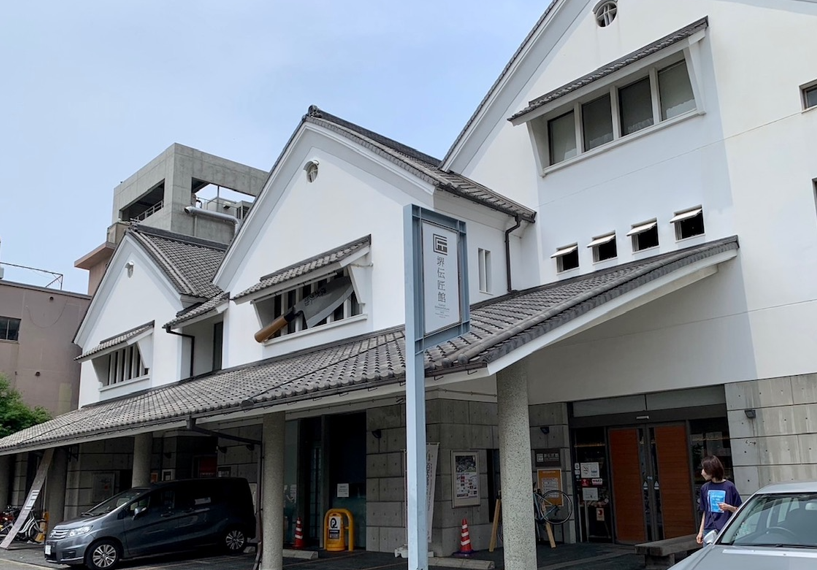
  • Meanwhile, institutions like the Sakai Denshokan and Takumi Shop preserve tradition through hands-on training, cultural promotion, and apprenticeship programs. With sustainability initiatives and international exchanges, Sakai continues to evolve—honoring a 600-year tradition while shaping the future of cutlery.

  • Sakai Knives: Where 1,600 Years of Tradition Meet Unmatched Precision

    For sixteen centuries, Sakai has refined the art of blade-making through a unique division of master craftsmen—each specializing in forging, sharpening, or handle fitting. This uncompromising system of expertise continues to produce some of the world’s sharpest and most respected kitchen knives.

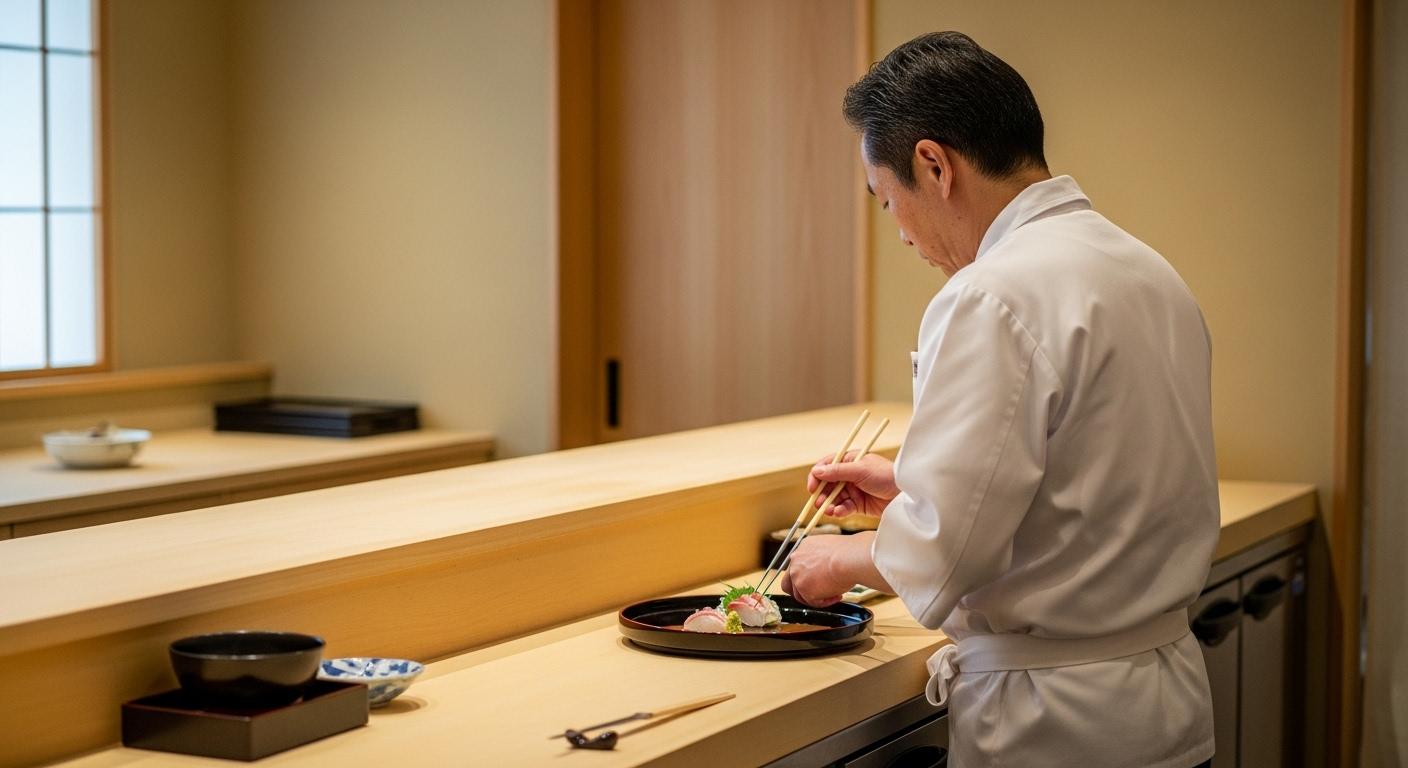
Why Do 98% of Japan’s Chefs Trust Sakai Knives?

For over 600 years, Sakai has perfected a unique craft where each stage—forge, sharpen, finish—is mastered by specialists. This tradition makes Sakai the birthplace of Japan’s most trusted knives.
Why Do 98% of Japan’s Chefs Trust Sakai Knives?

The 98% Statistic: More Than a Number

According to the Sakai Tourism Bureau, “98% of Japanese chefs use Sakai knives.” This figure isn’t just a claim—it reflects the deep trust chefs place in Sakai’s centuries-old craftsmanship.

Sakai City Official English Site

The Master Craftsmen of Sakai Uchihamono

In Sakai, centuries-old techniques are carried forward by government-certified Traditional Craftsmen. Each knife is not just a tool but a living symbol of tradition, precision, and spirit—kept alive through their hands.

Sakai’s Traditional Craftsmen

Sakai Uchihamono: 600 Years of Sharpness and Mastery

From forging to sharpening to handle making, every step in Sakai Uchihamono reflects a tradition perfected over six centuries—crafting blades renowned for their ultimate sharpness and artistry.

Sakai Uchihamono

Sakai’s Dwindling Masters: A Legacy at Risk

Once the heart of Japan’s finest cutlery, Sakai now has only a handful of blacksmiths left. With rising competition and fading interest among the young, new markets and fresh apprentices are vital to survival. Supporting these craftsmen means safeguarding a 600-year cultural legacy.

Sakai's Declining Japanese Knife Craftsmen

2. Sanjo – A City Forged by Nails, Nature, and Innovation

  • Sanjo City in Niigata Prefecture is one of Japan’s foremost centers of cutlery production. Unlike Sakai or Seki, Sanjo’s story does not begin with samurai swords. Instead, its unique identity was forged through nature’s challenges and the resilience of its people, who transformed a small agricultural town into a world-class hub of blade-making.

  • 2-1. A Town Forged by Nature — Geography, Climate, and Artisan Culture

    Nestled between the Shinano and Igarashi Rivers, Sanjo grew in an environment where floods were both destructive and transformative. The abundant water supply became essential for cooling and cleaning steel, while repeated natural disasters cultivated a resilient mindset among its people. Out of this adversity emerged an artisan culture that honed skill “in harmony with nature,” laying the groundwork for Sanjo’s reputation as one of Japan’s top three cutlery regions.

  • 2-2. The Origins of Sanjo's Metalworking — From Nails, Not Swords

  • Sanjo’s blacksmithing heritage began not with swordsmiths, but with nails. In 1625, local magistrate Seibei Otani invited blacksmiths from Edo (Tokyo) to teach farmers how to forge Japanese-style nails (wakugi) as part of a flood-relief effort. This project transformed the struggling town: by 1649, specialized blacksmith villages had formed, and by the Kanbun Era (1661–1673), Sanjo was producing a wide array of tools, from sickles and saws to knives. This heritage of practical, everyday craftsmanship—rather than elite sword-making—became the foundation of Sanjo’s identity.

  • 2-3. The Craft in Every Blade — Double-Edged Versatility

    Unlike Sakai’s single-bevel knives designed for specialized Japanese cuisine, Sanjo is known for its double-edged (ryōba) kasumi-hari awase construction. This design offers a balanced cutting edge, making the knives easier to handle for both professionals and home cooks. Whether slicing meat, chopping vegetables, or preparing Western-style dishes, Sanjo knives are versatile tools suited to global kitchens.


  • Sanjo is rare among Japan’s knife-making regions for cultivating both forged blades (uchihamono) and stamped blades (nukihamono).

    • Forged Blades – The Soul of the Blacksmith
      Each forged knife is hammered by hand, balancing hardness, resilience, and sharpness. Echigo Sanjo uchihamono include gyuto (chef’s knives), santoku, and Damascus steel masterpieces that embody both utility and artistry.
    • Stamped Blades – Efficiency and Modernization
      After WWII, Sanjo pioneered stamped stainless steel kitchen knives for household use. Produced with press machines, they combined consistent quality with affordability, making Sanjo a leader in stainless steel knife innovation.

    This coexistence of artisanal forging and industrial efficiency gives Sanjo unmatched versatility—offering both handcrafted treasures and accessible everyday tools.

  • 2-4. Tradition Meets Innovation — Sanjo Today

    Sanjo continues to evolve without losing its roots. In 2009, Echigo Sanjo Uchihamono was officially designated a Traditional Craft of Japan, recognizing its cultural significance. At the same time, Sanjo’s workshops innovate with VG-10 stainless, Damascus steel, and outdoor or Western-style blades, while artisans launch their own brands and collaborate with chefs worldwide.

  • Here, tradition is not static. From the forging of humble nails to knives revered in Michelin-starred kitchens, Sanjo’s blade-making embodies a living culture—one that adapts, innovates, and continues to captivate the world.

Characteristics of Sanjo Blades

Echigo Sanjo knives are celebrated for durability and versatility, forged through meticulous hammering that strengthens the steel and resists wear. Each blade reflects the individuality of its maker, blending centuries-old craft with modern reliability—a trusted companion in professional kitchens worldwide.

Characteristics of Sanjo Blades
japanese-landscape-scenery

History of Sanjo Blades

Born in the Edo period, Sanjo’s cutlery craft began when farmers forged tools as a side business. Over time, this evolved into the renowned Echigo Sanjo Uchihamono—now recognized as a Traditional Craft of Japan. Today, a close-knit community of artisans continues this legacy, from forging to sharpening.

History of Sanjo Blades
  • Sanjo Knives: Craftsmanship Born from Nature, Perfected Through Resilience

    Sanjo’s knife-making tradition began not with samurai swords but with a community rebuilding from floods. This practical origin shaped a culture of resilient craftsmanship, producing blades known for durability, versatility, and modern innovation—qualities that continue to define Sanjo knives worldwide.

3. Seki - One of the World’s Top Three Cutlery Centers

  • 3-1. A Forge Town Nurtured by Nature— Geography, Climate, and Artisan Culture

    Seki City, located in southern Gifu Prefecture, is blessed with abundant water resources from the clear Nagara River and enjoys a cool, stable climate ideal for metalworking. Known as a “town of blacksmiths,” it has cultivated a rich artisan culture, evolving from master swordsmiths to modern cutlery craftsmen. A well-developed division of labor exists locally, where specialists handle forging, polishing, sharpening, and finishing, ensuring the production of consistently high-quality blades.

  • 3-2. A Legacy of Swordsmith Tradition— The Birthplace of Mino-den and the Legendary Magoroku Kanemoto

    Seki is the birthplace of Mino-den, one of Japan’s most renowned schools of sword-making. From the Muromachi through the Sengoku periods, Mino-den smiths were famed for creating practical, sharp, and easy-to-handle swords. Unique forging methods such as the Shihou-zume technique and distinctive temper patterns (hamon) became hallmarks of this tradition.

    The 16th-century master swordsmith Magoroku Kanemoto stands as a symbol of Seki’s heritage. His blades—celebrated as “unbreakable, unbendable, and razor-sharp”—were treasured by samurai warriors and cemented his reputation as one of Japan’s legendary craftsmen. His spirit of excellence continues to inspire Seki’s modern cutlery industry today.

  • 3-3. Characteristics of Seki Cutlery— A Fusion of Traditional Mino-den Techniques and Modern Mass Production

    To better understand Seki’s distinctive cutlery construction, it is useful to compare the two representative double-edged types made in this region: Zenkou (single-layer construction) and Kasumi Hari Awase (clad construction). Each method carries unique advantages and limitations, reflecting how Seki balances tradition and innovation in blade-making.

  • The Zenkou type offers sharp performance and ease of customization but is more prone to large chips. In contrast, Kasumi Hari Awase produces a stronger blade through cladding, though its quality depends heavily on the craftsman’s skill and remains less suited to mass production. Together, these two approaches illustrate Seki’s dual identity—where artisanal precision coexists with industrial efficiency.

  • Seki’s strength lies in its ability to merge centuries-old sword-making expertise with modern innovation.

    ■ Forged Blades Carrying Mino-den’s Spirit
    Traditional forging techniques are applied to create steel blades that perfectly balance hardness and toughness. Skilled artisans polish and sharpen each blade by hand, producing knives that embody both functionality and beauty—often with mirror finishes or lacquered handles that reflect Japan’s artistry.

    ■ Automated Mass Production of Household Knives
    At the same time, Seki is world-famous for its efficient production of household knives through press-stamping methods. By integrating advanced robotics, computer-controlled systems, and precision engineering, even complex processes such as grinding have been automated. These technologies do not replace craftsmanship but enhance consistency and efficiency, allowing high-quality knives to be made available at accessible prices for households around the world.

    ■ High-Quality Materials and Finishes
    Seki manufacturers utilize premium steels such as VG-10 and layered stainless steel, tailoring knives for diverse culinary needs. Renowned for their sharpness, corrosion resistance, and ease of maintenance, Seki knives are trusted by both home cooks and professional chefs worldwide.

  • 3-4. Tradition and Innovation in Harmony— Seki’s Cutlery Culture on the Global Stage

    Today, Seki is internationally recognized as one of the World’s Three Great Cutlery Centers, alongside Sheffield (UK) and Solingen (Germany). This distinction highlights the city’s rare ability to uphold its Mino-den heritage while excelling in modern automated manufacturing—achieving both superior quality and global competitiveness.

  • The annual Seki Cutlery Festival draws visitors and buyers from across the globe, showcasing traditional craftsmanship and innovative technologies side by side. Local artisans continue to protect heritage techniques while actively experimenting with new materials and designs, ensuring that Seki’s legacy evolves with the times.

  • The Blade that Cuts Into the Future

    Every Seki blade carries the soul of the Mino-den tradition, sharpened by centuries of history yet propelled by modern innovation. From the legendary swords of Magoroku Kanemoto to today’s stainless steel kitchen knives, Seki continues to embody Japan’s cultural spirit, technological progress, and enduring pursuit of excellence.

The Characteristics of Seki Blades

Seki City in Gifu Prefecture stands alongside Solingen and Sheffield as one of the world’s great cutlery centers. Forged from high-purity steel with centuries-old techniques, Seki knives are prized for sharpness, durability, and chip resistance. A refined division of labor ensures consistent quality, trusted by chefs and home cooks worldwide.

The Characteristics of Seki Blades
KIREAJI Japanese knife direct

The History of Seki Blades

Seki’s blade-making tradition began in the Kamakura period with swordsmith Genju. Blessed with natural resources like clay and pine charcoal, the city soon became an ideal hub for forging. By the Muromachi period, over 300 craftsmen had gathered, producing swords celebrated for sharpness and durability. Today, that legacy lives on in world-class kitchen knives that blend tradition with innovation.

The History of Seki Blades
  • Seki stands at the crossroads of centuries-old sword-making mastery and cutting-edge innovation.
    Its craftsmen preserve the spirit of Mino-den swordsmiths while embracing modern automation and high-performance steels, creating knives that blend heritage, precision, and global accessibility.

  • When browsing online shops, you often see knives labeled as "Made in ○○." However, this does not always mean they were actually produced in that region.

    In some cases, only the final steps, such as engraving the brand name, are performed locally, yet the knife is still labeled as "Made in ○○." Even worse, there are instances where knives are falsely marketed as originating from a region when they were never made there in the first place. Always be cautious when making a purchase.

  • At KIREAJI, we work directly with Shiroyama Knife Workshop in Sakai City and ship handcrafted knives straight from the workshop to customers worldwide. We guarantee that every knife comes authentically and directly from the hands of skilled craftsmen.