

Gyuto Collection
-
Super Steel (Honyaki) Gyuto 240mm-Kido Finishing
Regular price $630.00 CADRegular priceUnit price per$0.00 CADSale price $630.00 CAD -
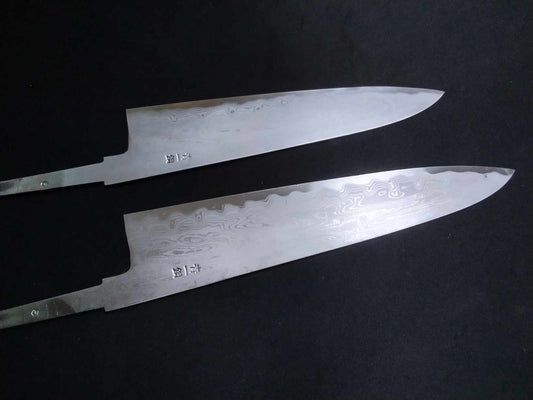
Blue Steel #1 Damascus Gyuto 240mm- Mirror Polished Blur Finish
Regular price From $631.00 CADRegular priceUnit price per -
ZDP189 Gyuto 240mm-Mirror Polished (both sides)
Regular price $710.00 CADRegular priceUnit price per$0.00 CADSale price $710.00 CAD -
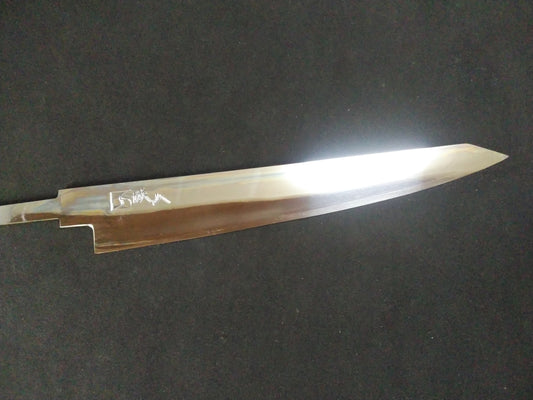
ZDP189 Gyuto (Kiritsuke) 270mm -Mirror Polished (both sides)
Regular price $750.00 CADRegular priceUnit price per$0.00 CADSale price $750.00 CAD -
Ginsan (Honyaki) Gyuto 240mm -Mirror Polished (both sides)
Regular price $800.00 CADRegular priceUnit price per$655.00 CADSale price $800.00 CADSold out -

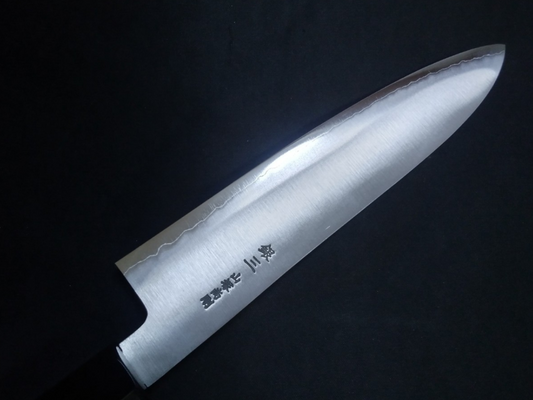 Sold out
Ginsan Gyuto 225mm
Regular price $810.00 CADRegular priceUnit price per$0.00 CADSale price $810.00 CADSold out -
Super Steel (Honyaki) Sword-style Gyuto 360mm-Mirror Polished (both sides)
Regular price $1,200.00 CADRegular priceUnit price per$0.00 CADSale price $1,200.00 CADSold out







The KIREAJI Difference
KIREAJI Complimentary Services
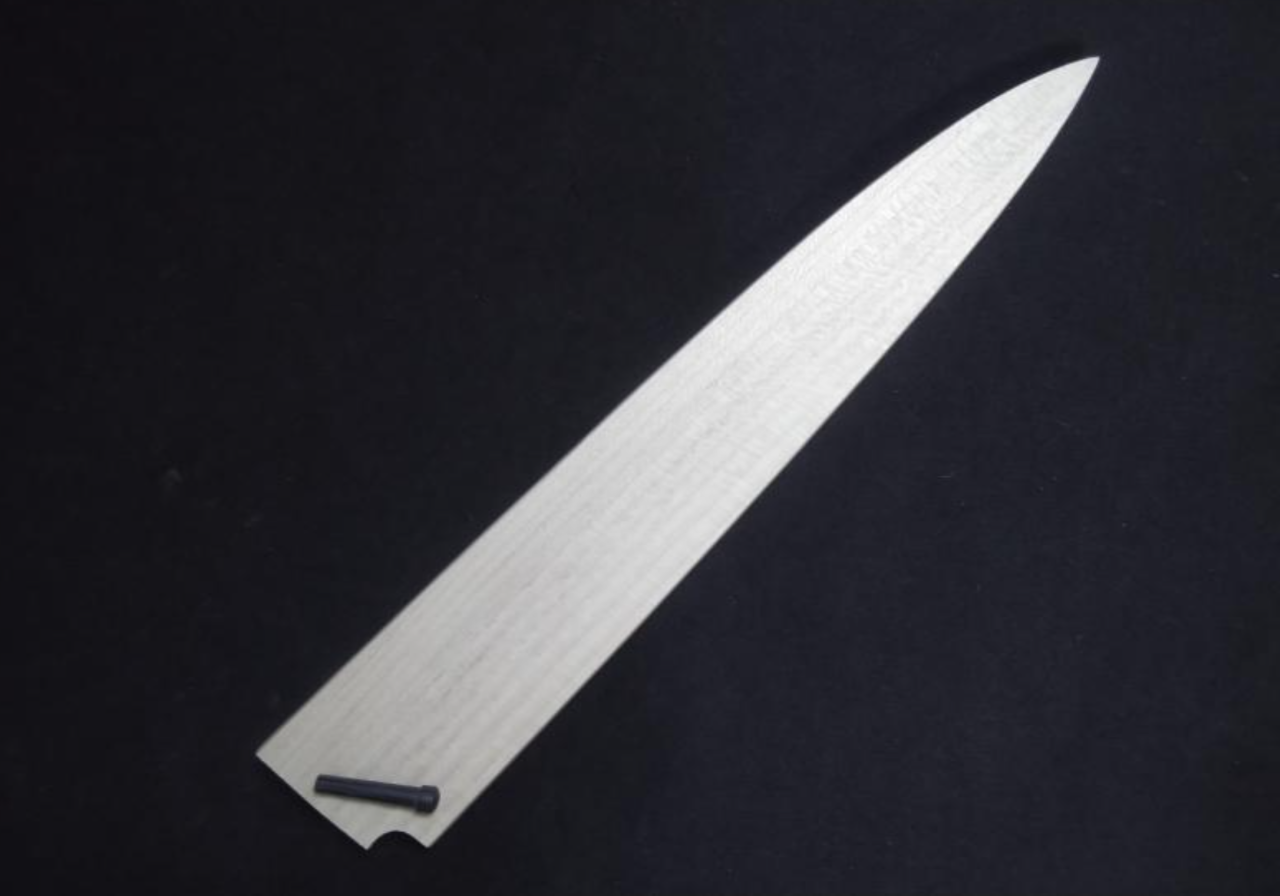
Every knife includes a magnolia wood saya, carefully selected and fitted to provide safe storage and protection. Upon request, we also provide complimentary Honbazuke, a practical initial hand-sharpening intended to prepare the knife for first use while allowing the owner to further refine the edge over time according to their own preferences.
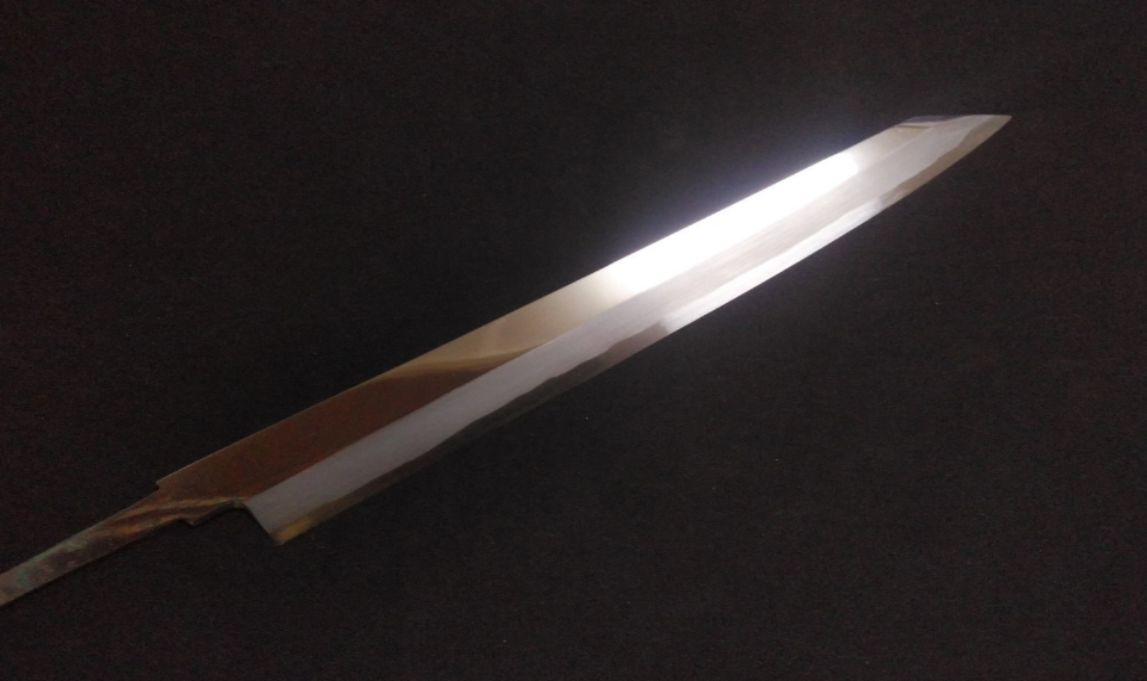
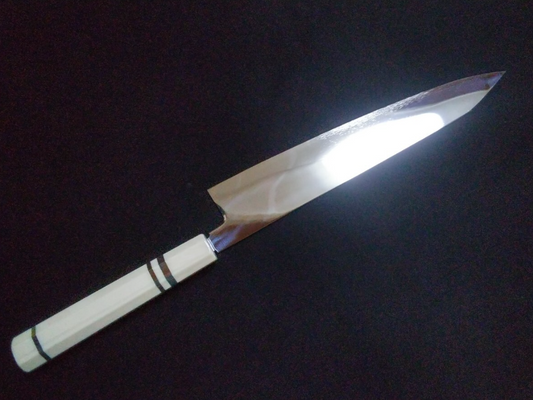
Why Many Product Photos Show Only the Blade
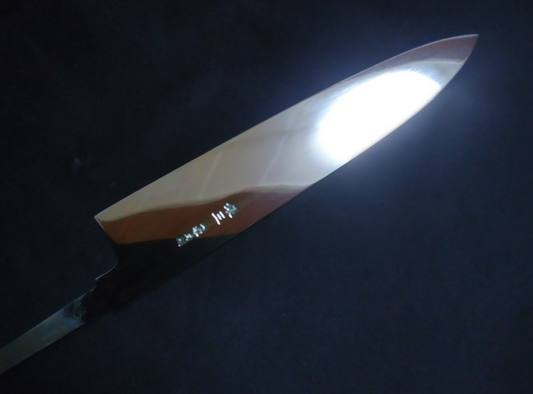
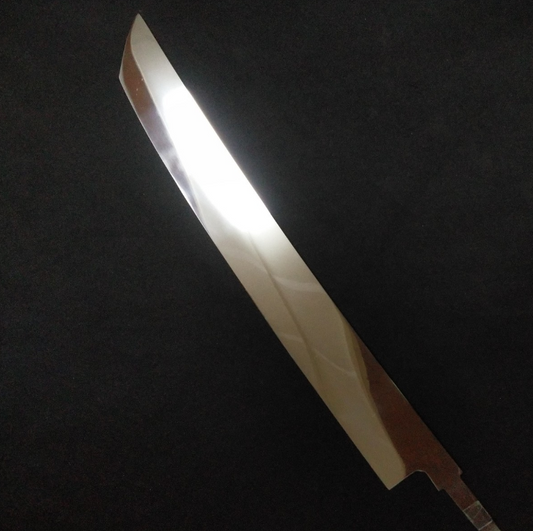
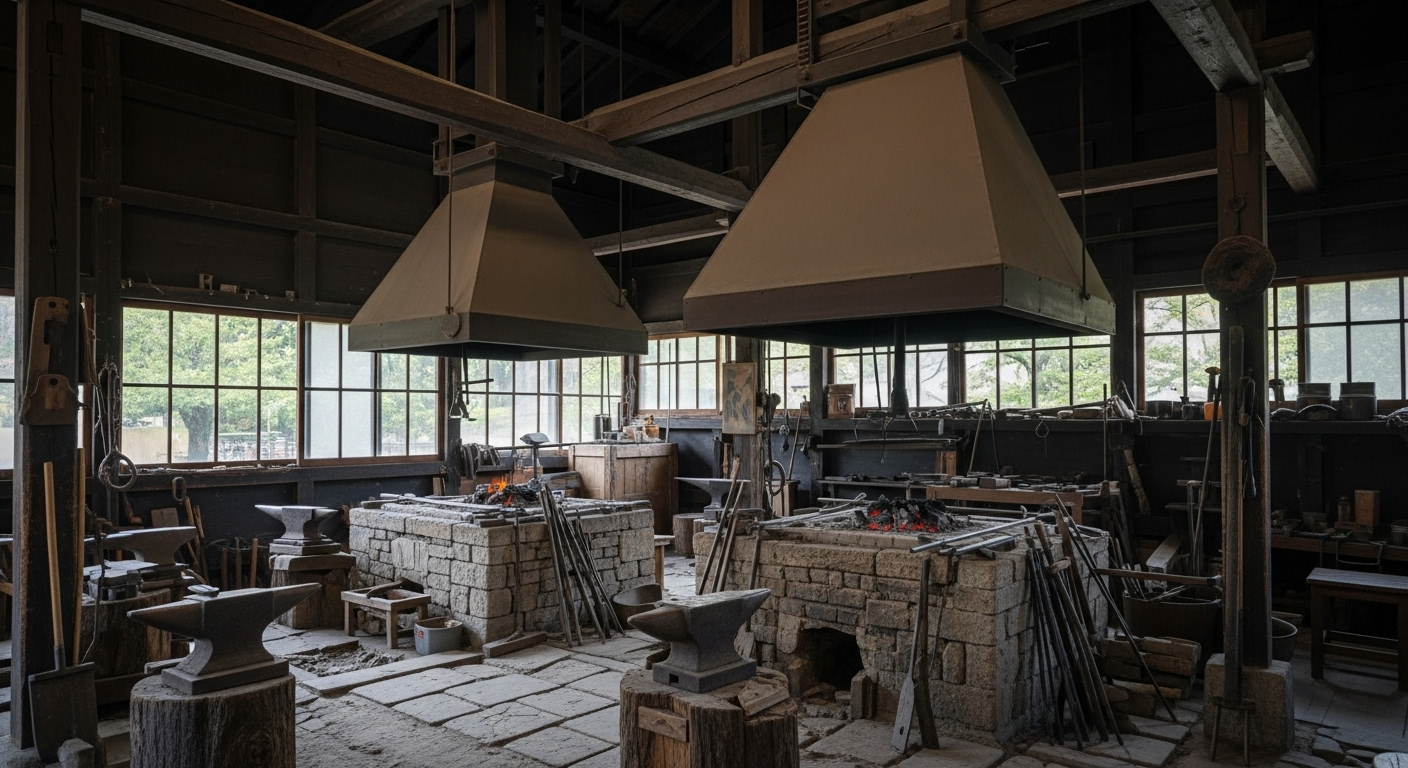
At KIREAJI, every knife is made to order in Sakai, Japan. Photos show the blade before the handle is attached, allowing artisans to perfect the balance and edge for your specific order. Your knife arrives fully finished — tailored just for you.

Global Delivery from Sakai
Across the world, discerning cooks seek authentic Japanese knives from Sakai — Japan’s legendary knife-making city with over 600 years of tradition.
At KIREAJI, we work alongside master artisans in Sakai to fulfill that desire, shipping genuine handcrafted knives directly from the workshop to kitchens worldwide.
Gyuto
-

Features and Uses of the Gyuto
— A Western Foundation Refined by Japanese Technique
While the Gyuto’s roots lie in Western culinary tradition, it has taken on new dimensions thanks to Japan’s dedication to fine craftsmanship.
One key feature is the thin, lightweight blade, which allows for highly controlled, fluid movement—ideal for chefs who value precision over brute force. Unlike heavier Western knives that rely on weight, a Gyuto responds intimately to the movements of your hand.
Common Uses:
- Slicing meat and trimming fat or sinew
- Chopping vegetables with speed and precision
- Filleting fish or preparing sashimi in delicate slices
In short, it is a true all-purpose knife that fits seamlessly into both professional kitchens and home settings.
-

Conclusion
The Gyuto is more than a Japanese chef’s knife—it’s a cultural bridge between Western utility and Japanese sensitivity.
Whether you're slicing beef, chiffonading herbs, or making sashimi, the Gyuto adapts to your hand, your style, and your vision. For anyone seeking a truly versatile, precise, and beautifully made kitchen knife, the Gyuto is a choice that won’t disappoint.
It is, simply put, a knife that elevates your craft.


Ⅰ. Why a Longer Gyuto Blade Can Transform Your Cooking
-

Control and Flexibility in Every Cut
A longer Gyuto gives you options. You can choose the exact part of the blade that best suits the ingredient — whether it’s the razor-sharp tip for delicate herbs or the midsection for a hearty roast. This flexibility means greater control, precision, and consistency in your cooking.

-

-

How to Decide
Choose the Santoku if you value maneuverability and want a compact, easy-to-control blade for all-purpose use.
Choose the Gyuto if you often work with larger ingredients, need fluid cutting motions, and appreciate the adaptability of both push- and pull-cutting techniques.


Santoku vs. Gyuto: Finding the Knife That Fits Your Style
-

The Santoku offers compact control, excelling in everyday chopping with an easy, agile feel. In contrast, the Gyuto delivers length and fluidity, making long, smooth slices effortless across larger ingredients. Understanding this balance—control vs. reach—helps you choose the knife that naturally extends your own cooking rhythm.


Q1. What is a Gyuto knife used for?
The Gyuto (牛刀) is the Japanese counterpart of the Western chef’s knife, designed for versatility across a wide range of kitchen tasks. It excels in meat preparation such as trimming fat, slicing steaks, and carving roasts, while also performing beautifully with vegetables for chopping, slicing, and julienning. For fish, it is effective in boneless tasks like filleting or removing skin. From herbs to sandwiches, the Gyuto adapts seamlessly to both Japanese and Western cooking styles, making it a favorite of home cooks and professional chefs alike.
Q2. What are the key advantages of a Gyuto?
The Gyuto is prized for its precision and efficiency. Its thin blade cuts with minimal resistance, while the fine edge delivers clean slices without crushing food. The pointed tip allows detailed work like trimming or scoring, and the long blade is ideal for smooth drawing cuts, such as slicing roast beef or sashimi blocks. Together, these features provide excellent control and performance in both everyday and professional settings.
Q3. Why do chefs prefer Gyuto knives?
Chefs appreciate the Gyuto for its balance of power, precision, and adaptability. The narrow blade reduces drag, improving slicing efficiency, while the length allows for long, clean strokes. It supports both push-cutting and pull-cutting techniques, making it highly versatile across cuisines. Its refined appearance also makes it a favorite in open kitchens and chef’s counters where presentation matters as much as performance.
Q4. Why is it called a “Gyuto”?
“Gyuto” literally translates to “beef sword” in Japanese. The name reflects its Western origins: the Gyuto was inspired by European chef’s knives, which were initially designed for cutting large cuts of beef. As Western cuisine spread in Japan, the term “Gyuto” was adopted to describe this style of knife.
Q5. Are there any disadvantages to using a Gyuto?
While the Gyuto is versatile, it has some limitations. Its sharp pointed tip can be more hazardous than a Santoku if handled carelessly. It is not intended for cutting through bones or frozen foods, and its longer blade may feel unwieldy in small kitchens or for beginners. Some heavier models can also cause fatigue during extended use. With proper care and technique, however, these drawbacks are easily managed.
Q6. What is the difference between a Gyuto and a Santoku?
Both are multipurpose knives, but they differ in design and character. The Gyuto has a longer, narrower blade with a pointed tip, making it ideal for precise slicing, trimming, and handling larger ingredients. The Santoku, on the other hand, is shorter, with a wider blade and a rounded tip, optimized for home kitchens and general tasks. In short, the Gyuto offers greater reach and precision, while the Santoku provides ease of use and versatility for everyday cooking.

The Wa-Gyuto: The Knife That Refused to Choose
Discover the wa-gyuto, a Japanese knife that combines the versatility of the Western chef’s knife with the balance, wooden handle, and craftsmanship of Japan.
