

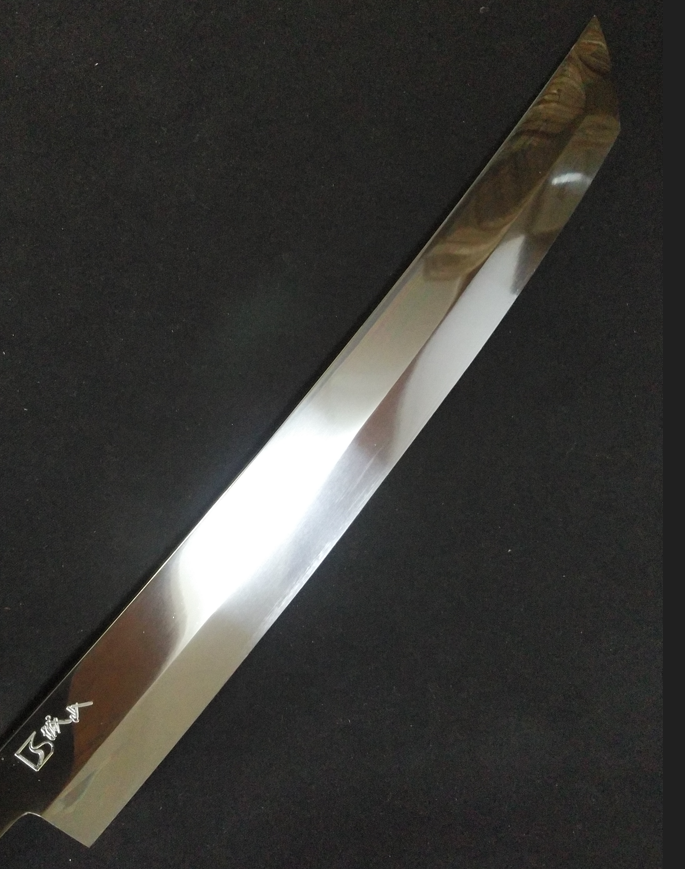
Q1. Which type of Japanese kitchen knife should I choose?
Start by considering what kinds of ingredients you most often prepare—meat, fish, or vegetables. Select a blade shape designed for those tasks, such as a Deba for fish or a Yanagiba for sashimi. Then, choose the steel based on your priorities: ultimate sharpness, durability, ease of maintenance, or comfort in daily use.
Q2. What is the difference between Western-style and Japanese-style kitchen knives?
Traditionally, Japanese-style knives were single-edged, while Western knives were double-edged. Today, however, both types exist in both traditions. A more practical distinction lies in the handle: Japanese knives typically feature wooden handles that can be replaced, while Western knives often have riveted or integrated handles designed for durability.
Q3. What determines the price difference of Japanese knives?
The price is influenced by both materials and craftsmanship. Premium steels, such as White Steel or Blue Steel, and advanced forging methods add to the cost. Expert finishing, from forging to sharpening, ensures sharpness, durability, and resistance to chipping—qualities that increase the knife’s value.
Q4. What exactly is a “Wa-bocho”?
A Wa-bocho is a traditional Japanese kitchen knife developed specifically for Japanese cuisine. Typically single-edged, these knives come in specialized forms such as Yanagiba (for sashimi), Deba (for fish butchery), and Usuba (for vegetables). Each design reflects centuries of refinement alongside Japan’s food culture.
Q5. What is Super Steel (Honyaki)?
Super Steel Honyaki refers to a professional-grade Japanese knife made from advanced, rust-resistant steels. These knives maintain exceptional sharpness for long periods and offer outstanding durability, making them prized by chefs who demand peak performance.
Related websites
Super Steel (Honyaki)
Q6. What is the hardening process called “Honyaki”?
Honyaki is a traditional method in which a knife is forged from a single piece of high-grade steel, not laminated layers. Through precise heat treatment, different parts of the blade achieve varying hardness, creating unmatched sharpness, resilience, and cutting power. The process is similar to Japanese swordsmithing, and the results are knives highly valued by professionals.
Related websites
Honyaki
Q7. Why are Japanese knives from Sakai City so highly regarded?
Sakai City, with over 600 years of history in blade-making, is home to some of Japan’s most respected artisans. Known for exceptional sharpness, balance, and durability, Sakai knives are used by more than 90% of professional Japanese chefs and are trusted worldwide for their quality.
Collaboration:
Sakai City official siteCollaboration: Sakai City official site
Q8. What is Honbazuke, and why does it matter?
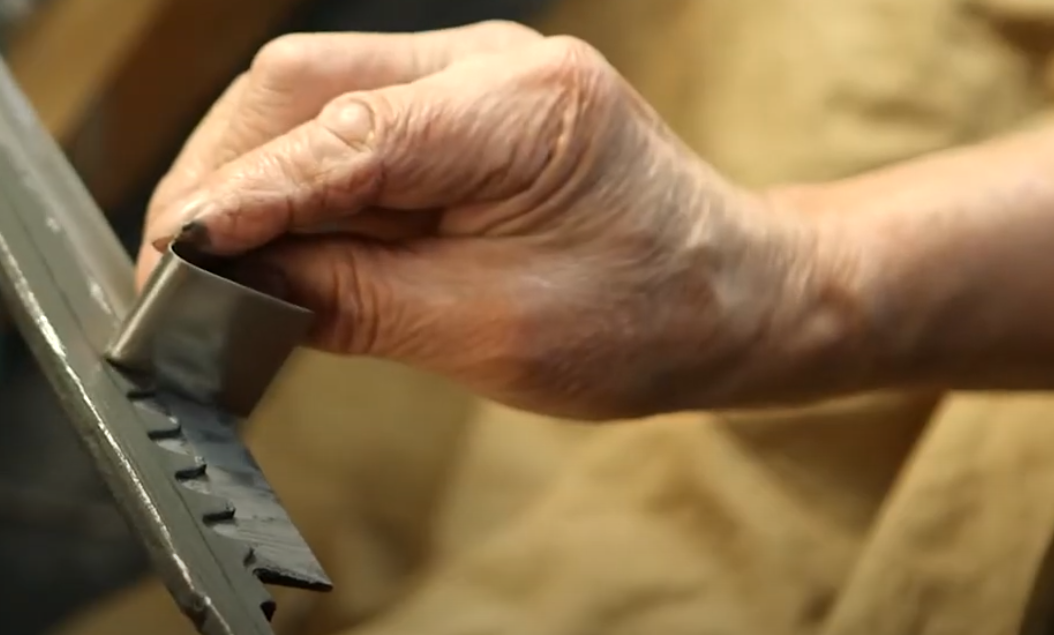
Honbazuke is the final hand-sharpening process applied by skilled craftsmen to bring the knife to its peak sharpness. While many knives are shipped with a slightly dull edge for protection, KIREAJI ensures each knife receives Honbazuke finishing in Sakai, so it arrives sharp and ready to use. Simply select “Honbazuke: Yes” at checkout to request this complimentary service.
Q9. What is the difference between double-edged and single-edged knives?
Double-edged knives are sharpened on both sides and are versatile for general use. Single-edged knives, sharpened on only one side, allow for extremely precise, clean cuts with minimal damage to ingredients—especially valued in dishes like sashimi.
Q10. What is forging, and how does it affect quality?
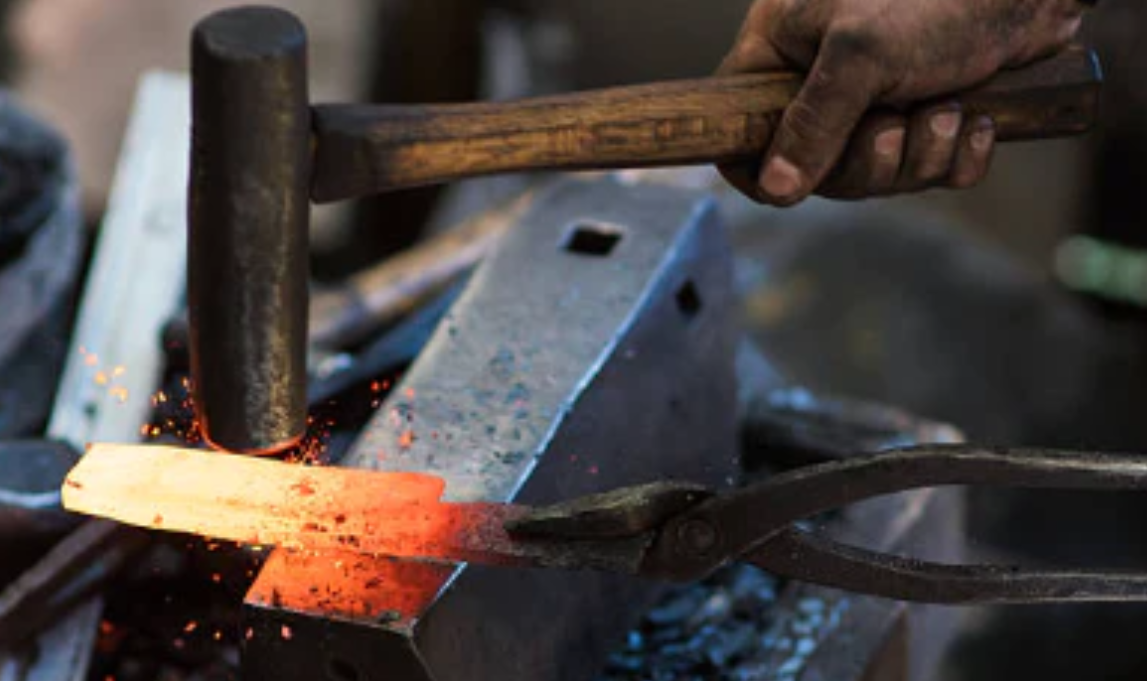
Forging involves heating steel at high temperatures and hammering it into shape. This traditional process refines the internal structure of the steel, enhances durability, and improves resistance to chipping—producing a knife that performs reliably for years.
Q11. If a knife is labeled “meat” or “vegetable,” can I still use it for other purposes?
Yes, but with care. While a knife designed for meat or vegetables can be used for other foods, avoid cutting bones, frozen ingredients, or excessively hard materials. Instead, use gentle pressure around joints and dedicated tools for frozen foods to protect the blade.
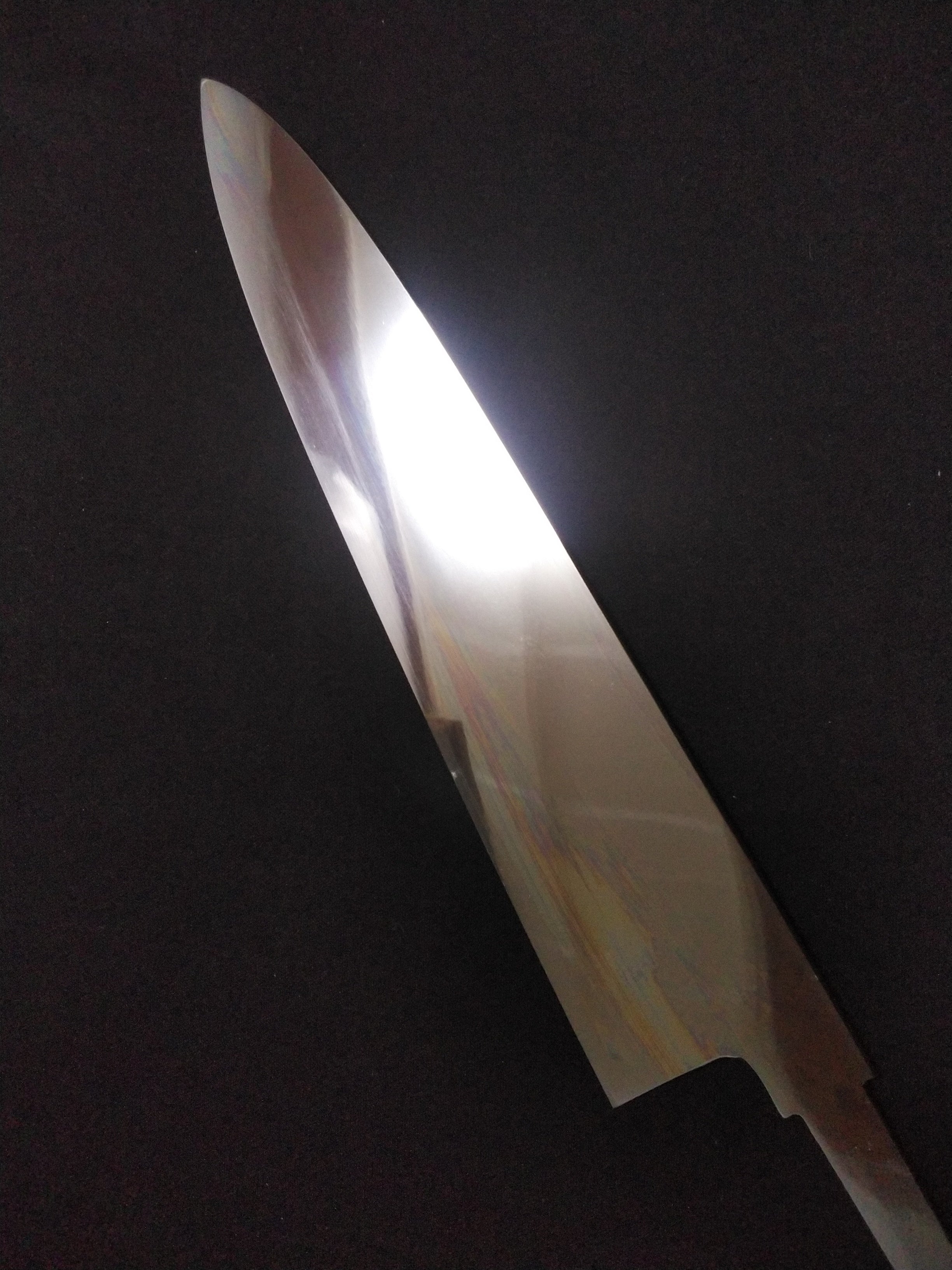
Q1. How should I properly care for my Japanese kitchen knife after each use?
After each use, gently wash the knife with mild detergent and a soft sponge, ideally rubbing the blade along the cutting board rather than across it to avoid accidental damage. Rinse thoroughly with clean water and dry the knife completely with a soft cloth. Preventing moisture buildup is the single most important step to protect the blade.
Q2. Can I safely clean my Japanese knife in a dishwasher or dish dryer?
We strongly advise against it. The high heat, harsh detergents, and water pressure in dishwashers and dryers can damage the blade and deform natural wooden handles, significantly shortening the knife’s lifespan. Always hand-wash your Japanese knife.
Q3. How should I store a Japanese knife if I only use it occasionally?
For long-term storage, lightly coat the blade with a thin layer of protective oil, such as camellia oil. Wrap the knife in breathable material, such as newspaper, to protect it from moisture while allowing airflow. Store it in a cool, dry place.
Related websites
Daily care of Japanese knife
Q4. How often should I sharpen my Japanese knife to maintain optimal performance?
Sharpen the knife whenever you feel resistance or notice a decline in sharpness. Frequency depends on how often you cook, the foods you cut, and the type of cutting board used. Softer cutting boards, such as cypress or ginkgo, help preserve the edge for longer.
Q5. My Japanese knife purchased from KIREAJI has developed a chip. What should I do?
KIREAJI offers repair services exclusively for knives purchased from us. In collaboration with the Shiroyama Knife Workshop in Sakai City, we inspect each case and provide an estimate if repair is possible.
Q6. The handle of my Japanese knife has an unpleasant odor. Can it be removed?
The odor is harmless and usually caused by moisture absorption in the wooden handle. Wash it gently, dry thoroughly, and allow it to air-dry naturally. The smell will gradually fade with time.
Q7. My kitchen knife has rusted. Why did this happen, and what should I do?
All knives can rust depending on care. Carbon steel can show rust within minutes if left damp, and even stainless steel may rust when exposed to chlorine or high humidity. To prevent rust, always wash, dry, and store the knife in a dry place. If rust occurs, gently rub it with a wine cork and mild cleanser, or use a rust eraser designed for knives.
Q8. I accidentally damaged the Damascus pattern on the surface of my knife while sharpening. Can it be restored?
Unfortunately, once the Damascus pattern on the blade’s surface is worn or damaged, it cannot be restored. Please sharpen carefully to preserve the beauty of this distinctive layered design.
Q9. Is it safe to pour boiling water over my Japanese knife?
We do not recommend frequent use of boiling water. Daily exposure may cause warping, especially in single-edged knives. However, occasional boiling-water rinses followed by thorough drying can help prevent rust during long-term storage. Never expose the knife to open flames or excessive heat, as it will damage the steel’s hardness and edge.
Q10. How long can I expect a high-quality Japanese knife to last with proper care?
A high-quality Japanese knife can last for decades with proper maintenance. Its lifespan depends on usage, sharpening, and care. If you notice major changes in balance, thinness from repeated sharpening, or structural damage, it may be time to replace it.

Before Using a Knife
A knife is more than a tool—it’s the heart of cooking. Learning how to use it properly helps protect its quality, durability, and safety, so you can enjoy it for years while elevating every meal.

Daily Care of a Japanese Knife
With the right daily care, your knife will stay sharp and reliable for a long time. Here, we share the key points to keep it in peak condition and extend its lifespan.
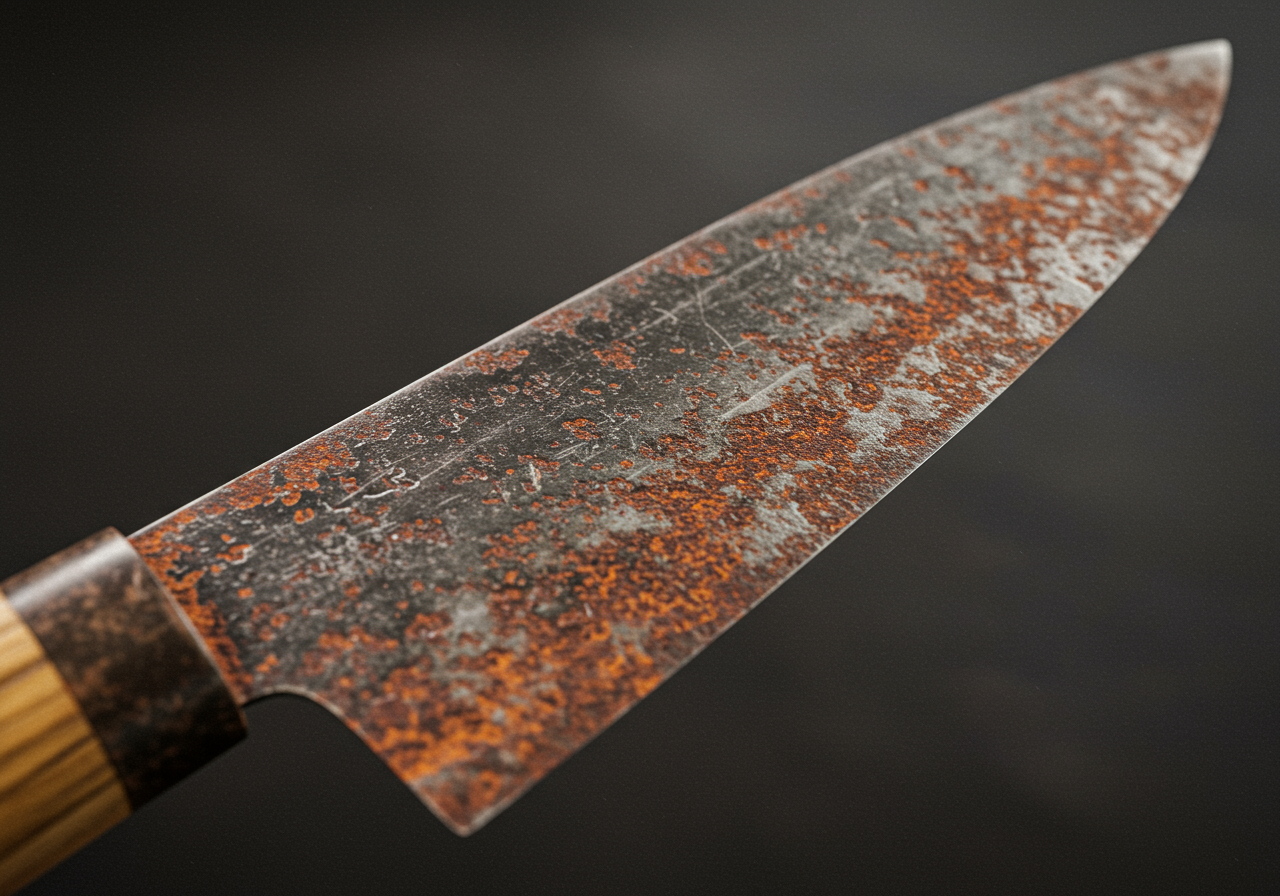
Preventing Rust in Japanese Knives
Japanese knives are prized for their sharpness and beauty, but without proper care they can rust. Here, we explain why rust occurs, how different steels react, and the best ways to maintain, store, and restore your knife—so it stays in top condition for years.
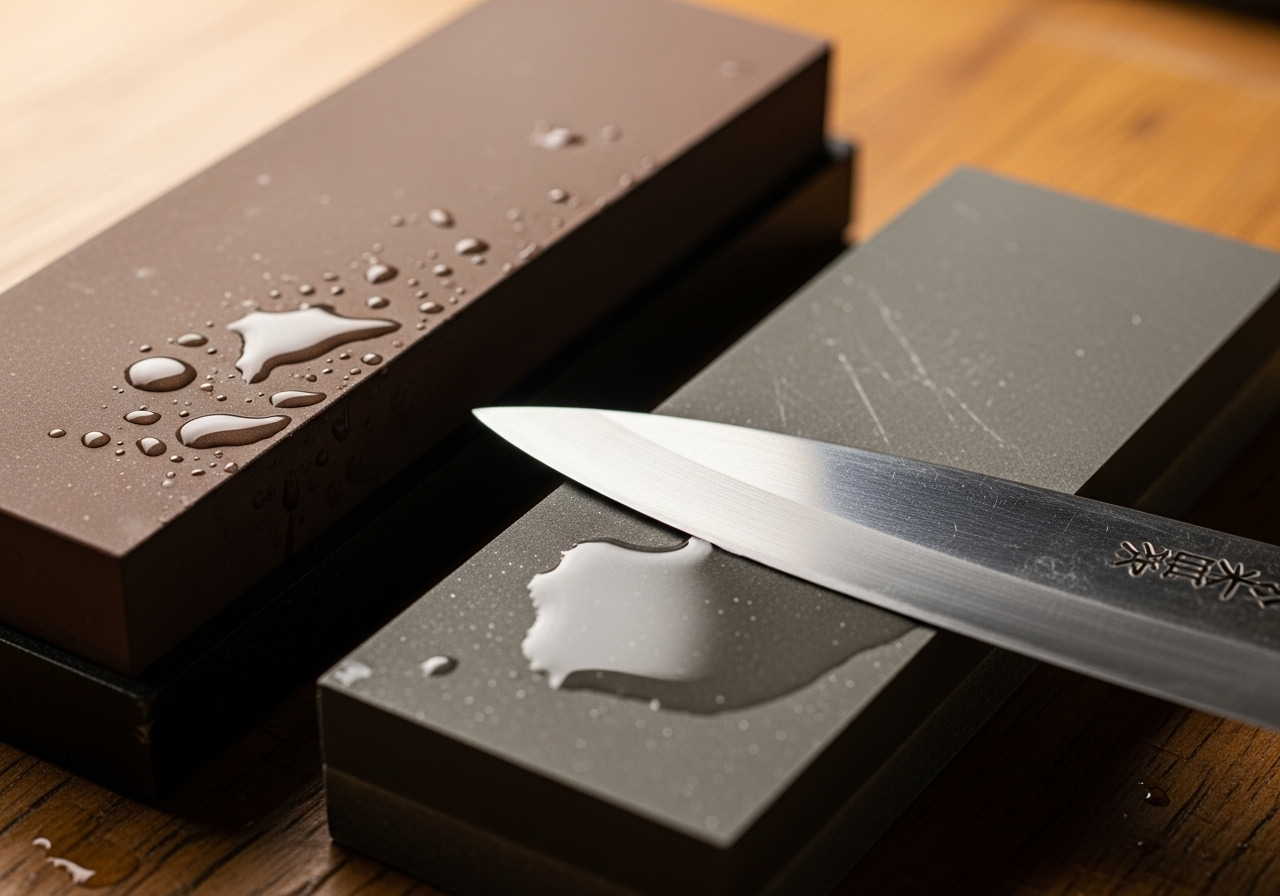
After-Sales Service
At KIREAJI, we ensure your knife can be cherished for years with our dedicated after-sales service, provided by the Shiroyama Knife Workshop. For repairs or maintenance, please apply through the link below.
-

Blades in Celebrations Around the World
Across cultures, blades have marked the start of something new:
- Ceremonial scissors at ribbon-cuttings — symbolizing new beginnings
- Ceremonial axe at ship launchings — ensuring safe voyages
- Wedding knife at receptions — a couple’s first shared act
- Traditional Hocho-shiki in Japan — honoring food and the art of cooking
-

A Blade as a Gift — Cutting a Path Forward
A true gift celebrates life’s new journeys.
In Japan, gifting a fine knife is a way to honor that journey — whether for a young chef, a newlywed couple, or someone beginning a new home. A well-crafted blade is not just a tool, but a lifelong companion, representing strength, resilience, and excellence.
Far from being unlucky, blades embody protection, renewal, and hope. They are a powerful symbol of new beginnings — a gift that celebrates the future.


The True Meaning of the Blade: A Symbol of Protection and New Beginnings
-

Across cultures, a blade is more than a cutting tool—it is a symbol of protection, renewal, and the courage to create a new beginning.
In Japan, its meaning is rooted in warding off misfortune and opening a hopeful path forward.


KIREAJI's Three Promises to You
-

1. Forged in the Legacy of Sakai
From Sakai City—Japan’s renowned birthplace of professional kitchen knives—each blade is crafted by master artisans with over six centuries of tradition. Perfectly balanced, enduringly sharp, and exquisitely finished, every cut carries the soul of true craftsmanship.
-

2. Thoughtful Care for Everyday Use
Every knife includes a hand-fitted magnolia saya for safe storage. Upon request, we offer a complimentary Honbazuke final hand sharpening—giving you a precise, ready-to-use edge from day one.
-

3. A Partnership for a Lifetime
A KIREAJI knife is more than a tool—it is a lifelong companion. With our bespoke paid aftercare services, we preserve its edge and beauty, ensuring it remains as precise and dependable as the day it first met your hand.


