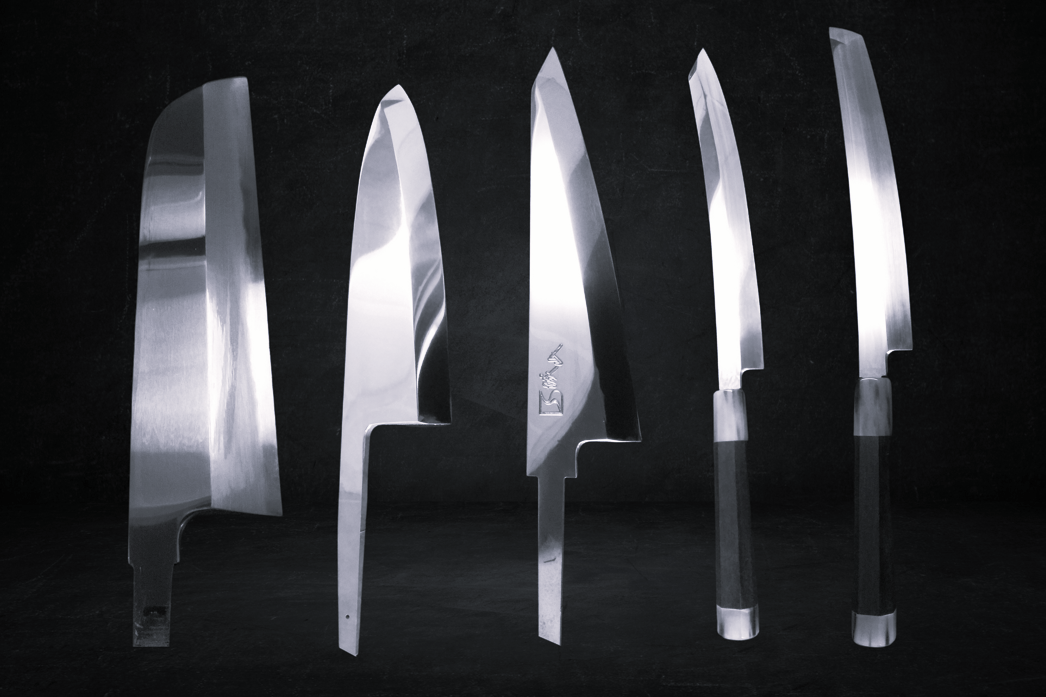
How to Choose a Japanese Knife
-
Choosing the right Japanese knife can completely transform your cooking experience—both in flavor and joy. In this guide, we’ll walk you through the 3 key steps to find the perfect match: knife type, blade material, and size. Whether you're a professional chef or a home cook, let us help you find your ideal companion in the kitchen.
-
-
I hope this guide helps you find the Japanese knife that perfectly matches your needs.
It draws on the knowledge I gained while attending sushi school in Tokyo, where I purchased my very first knife. That experience taught me just how much the right knife can transform both the joy and the quality of cooking.
By choosing a knife that suits your style and using it for years, you’ll notice a lasting improvement in precision, ease, and overall satisfaction in the kitchen.
-
To make your selection process clear and simple, we’ll walk through it in three steps:
STEP 1: Choose the Knife Type
STEP 2: Select the Blade Material
STEP 3: Decide on the Blade Size -
If this guide helps you discover the ideal knife for your culinary journey, I couldn’t be happier.
-
Step1 Choosing a Japanese Knife Type
-
-
The first step is to decide what you will primarily cut with your new knife.
(Refer to the chart below for matching knife types with ingredients.) -
Japanese knives come in many shapes, each designed for a specific purpose.
If you are starting your first set of Japanese knives, the three essential types are:- Yanagiba
— Long, slender blade for slicing sashimi with a single, clean pull. - Deba
— Thick, sturdy blade for filleting fish and cutting through small bones. - Usuba
— Flat-edged vegetable knife for precise, paper-thin cuts.
By choosing the right knife for each ingredient, you ensure cleaner cuts, better texture, and more enjoyable cooking.
- Yanagiba
Yanagiba
-
Graceful like a sword. Sharp like no other.
The Yanagiba — Japan’s iconic sashimi knife — glides through fish in a single, fluid motion, preserving its texture, flavor, and beauty.
Beloved by master sushi chefs, it is more than a knife — it is a living tradition, forged by skilled hands and ready to inspire yours. -
Deba
-
The Weight of Tradition in Your Hands
Heavy in hand, precise in action — the Deba transforms the art of preparing fish. Forged through centuries of tradition, it turns every cut into an act of respect and skill.
-
Usuba
-
Precision in Every Slice
Three blades. Three traditions. From the straight precision of the Usuba to the versatile Kamausuba and the delicate Mukimono, each cut reveals the beauty hidden in every ingredient.
-
Type of Knife
At KIREAJI, each knife serves a distinct purpose: Yanagiba for sashimi, Deba for filleting fish, Usuba for vegetables, Gyuto as the versatile chef’s knife, Petty for detailed tasks, and Garasaki for slicing meat and fish with ease.
Step2 Selecting the Blade Material
-
Once you’ve chosen the knife type, the next step is selecting the steel that best suits your needs. Japanese knives are typically made from either carbon steel or stainless steel—each with unique strengths.
-
Carbon steel offers unmatched sharpness and a traditional feel but requires attentive care to prevent rust.
Stainless steel is easier to maintain and, with modern advancements, can now rival carbon steel in sharpness and durability.
Selecting the Blade Material
-
1. Price & Purpose — Matching Steel to Your Needs
Some steels, such as Blue Steel #1, White Steel #1, and ZDP189, offer maximum hardness for exceptional edge longevity—perfect for chefs who have the skill and time for meticulous maintenance.
Others, like Super Steel, Ginsan, and Blue Steel #2, provide a refined balance of sharpness, durability, and ease of care, making them highly versatile for both professional and serious home kitchens.
Steels such as White Steel #2 deliver excellent sharpenability and approachability, ideal for those beginning their journey with Japanese knives while still seeking authentic performance. -
2. Sharpness & Edge Retention
A knife’s sharpness is primarily influenced by the hardness of the steel, which is determined by its carbon content.
For example:- White Steel #1 delivers a razor-sharp, crisp edge ideal for precise, delicate cuts.
- Blue Steel #1, with added chromium and tungsten, offers a smoother cutting feel and longer edge retention.
If your priority is unmatched precision, White Steel is an excellent choice; for long-term performance, Blue Steel is often the better option.
-
-
3. Ease of Sharpening
Harder steels retain their edge longer but require advanced sharpening skills and more effort to maintain.
-
- White Steel #2 and Ginsan are easier to sharpen, making them suitable for beginners or those who value quick, forgiving maintenance.
- High-hardness steels like Blue Steel #1 or ZDP189 can be more challenging to sharpen but reward skilled hands with extraordinary performance.
-
Sharpening a Japanese knife isn’t just maintenance; it’s an opportunity to connect with your tool and nurture its potential. Choosing the right knife for this journey is part of the joy—a step toward mastering the art of care and craftsmanship.
-
4. Corrosion Resistance
If your work environment has strict hygiene requirements or you prefer low-maintenance tools, stainless steels like Super Steel, Ginsan, and ZDP189 excel.
They offer high corrosion resistance without sacrificing performance—freeing up more time for cooking and creativity, rather than maintenance.
Carbon steels such as White Steel and Blue Steel can achieve a finer edge but will require attentive care to prevent rust. -
In summary:
Selecting the right steel is about more than just sharpness—it’s about matching your knife to your skill level, maintenance style, and cooking environment. By understanding these differences, you’ll find a knife that elevates your cooking and becomes a trusted partner for years to come.
Material of Knife
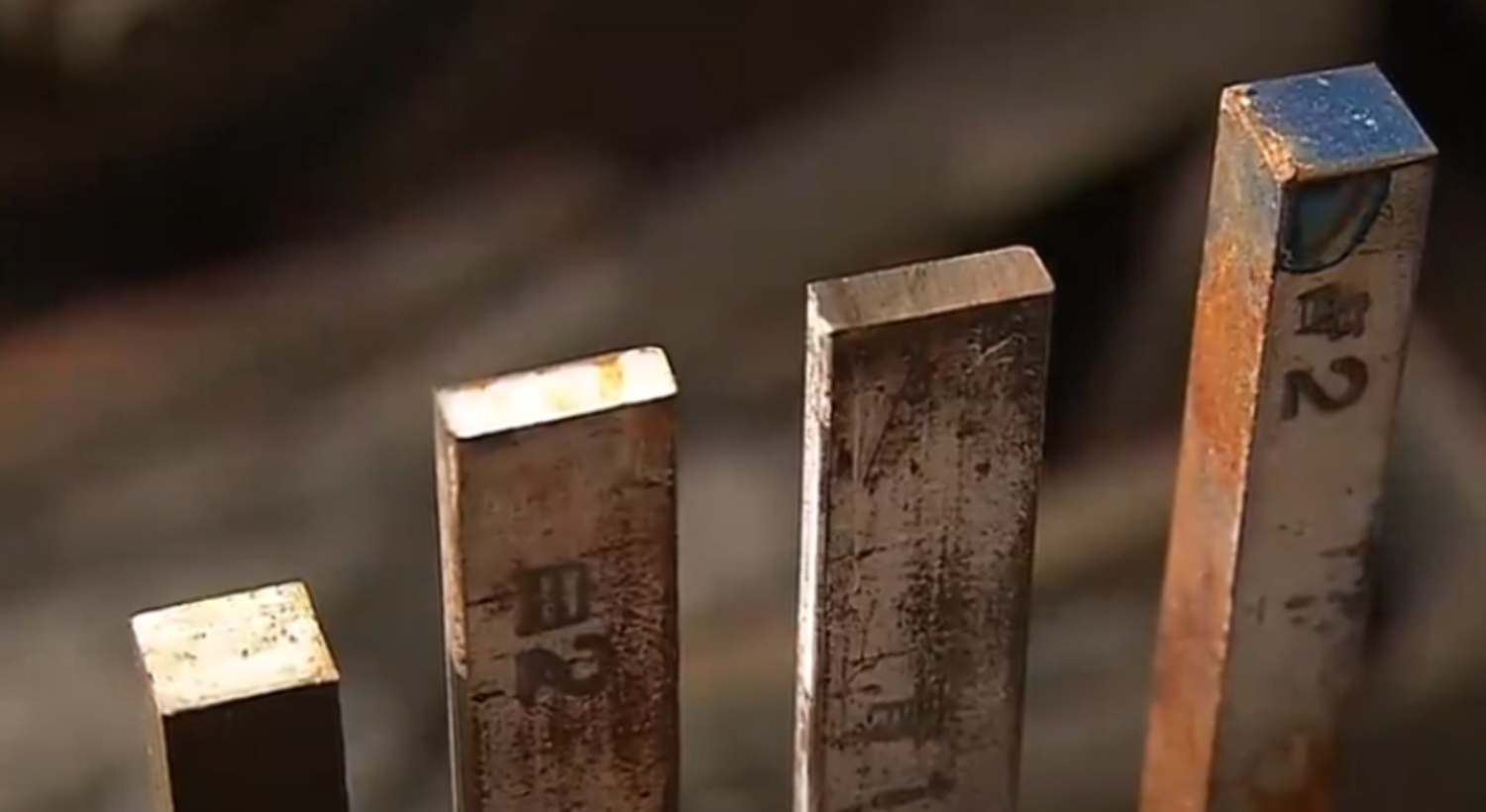
At KIREAJI, we use a range of steels, each offering distinct benefits. Harder steels hold their edge longer but require more skill to sharpen, while softer steels are easier to maintain. Knowing these differences helps you choose the blade that best fits your cooking style.
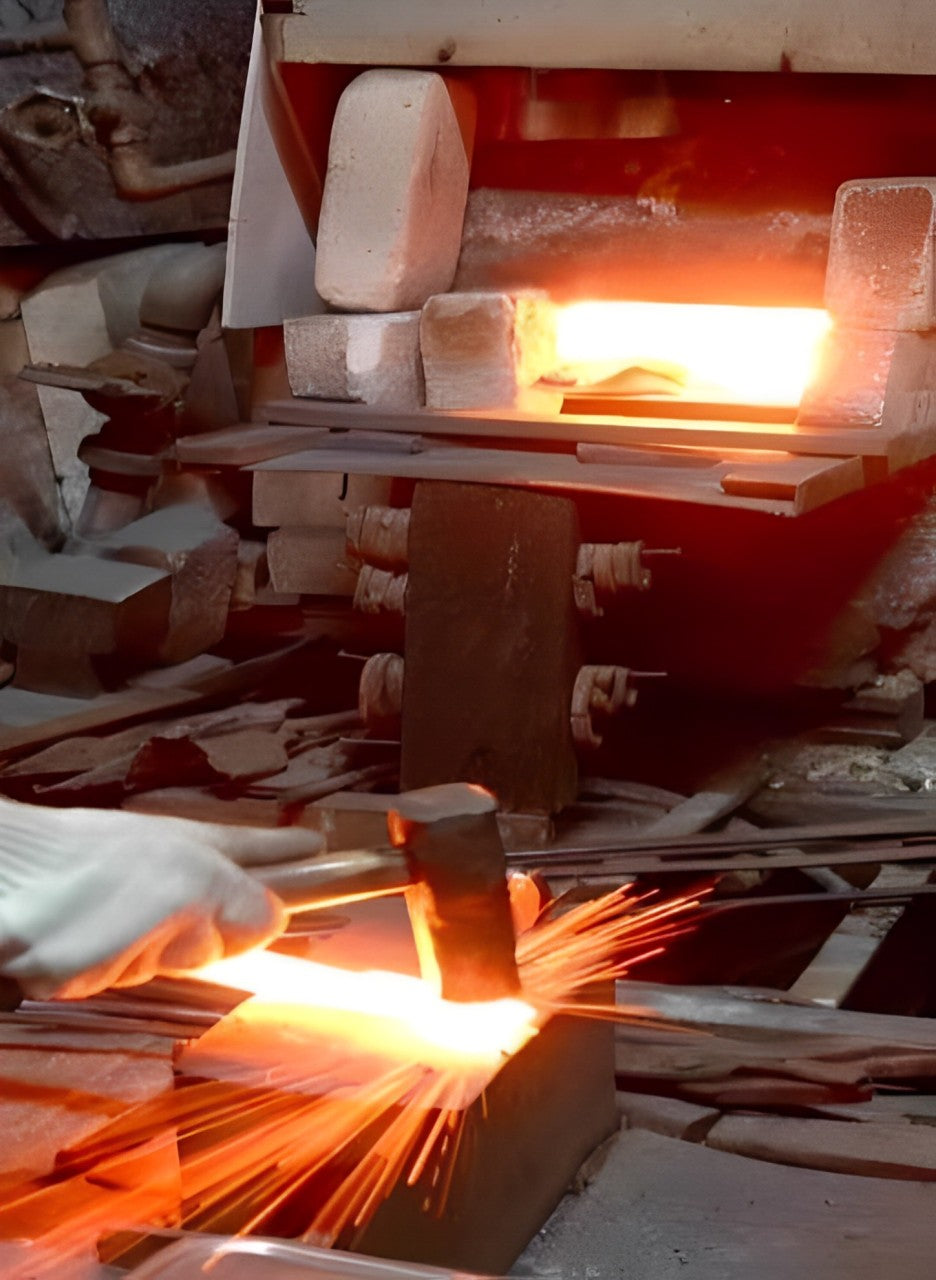
Japanese Knife Materials 4 Points
A fine Japanese knife is defined by four qualities: hardness, wear resistance, toughness, and corrosion resistance. Together, they shape the blade’s sharpness, durability, and ease of care. Understanding this balance is the key to appreciating true knife quality.
Type of Handle
Traditional wa-handles combine lightness, balance, and comfort, giving the chef precise control with less fatigue. Just as the blade defines performance, the handle completes the harmony between hand and tool—making it an essential choice in selecting a knife.
Step 3 – Selecting the Blade Size
-
Choosing the right blade length is not just about preference—it’s about precision, efficiency, and control.
A blade that’s too short may struggle with certain tasks, while one that’s too long can feel unwieldy.
The ideal size balances the food you prepare most often, your cutting style, and your comfort in handling the knife. -
By selecting the right length, you ensure every cut is clean, confident, and effortless.
-
Yanagiba
YanaibaRecommended Sizes: 240mm, 270mm, 300mm
For sashimi knives, we recommend choosing a slightly longer blade. The longer the blade, the cleaner and smoother the slice when pulling in a single motion—resulting in better texture and taste. -
Deba
DebaRecommended Sizes: 180mm, 210mm
The ideal size depends on the size of the fish you intend to cut. As a general guide, select a Deba that matches the overall length and width of the fish for better control and efficiency. -
Usuba
UsubaRecommended Sizes: 180mm, 210mm, 240mm
If the blade is too short, it becomes difficult to use for tasks like namasu preparation or slicing green onions. We recommend a blade length of at least 210mm for ease of use. -
Gyuto
GyutoRecommended Sizes: 240mm, 270mm
The Gyuto is a versatile, all-purpose knife. A slightly longer blade makes it easier to handle tasks like slicing peeled vegetables with precision. -
Petty Knife
Petty KnifeRecommended Size: 210mm
A compact utility knife, ideal for detailed work or smaller ingredients. -
Garasaki
GarasakiRecommended Sizes: 150mm, 180mm
Designed for breaking down poultry or small bones, Garasaki knives provide excellent control and durability.
Selecting the Blade Size – Advice from a Traditional Craftsman
-
When choosing the length of your knife, consider the size of your kitchen, your cutting board, and the type of ingredients you handle most often.
-
For example, professional chefs often select a Yanagiba between 240mm and 300mm. This length is ideal for delicate tasks like slicing sashimi or filleting fish—providing exceptional balance and allowing the blade to glide effortlessly in a single, smooth stroke. Longer blades excel when precision and clean cuts are essential.
-
To find the length that best suits you, try holding a ruler or stick in place of a knife. Imagine the weight and balance from handle to tip, and you’ll quickly discover the size that feels most natural in your hand.
-
In the hands of its owner, the right knife becomes a trusted companion—refining every movement, every dish. Choosing one that feels comfortable and responsive will make cooking not only more enjoyable, but also more precise and efficient.
KIREAJI Complimentary Services
-
A Knife Is Just the Beginning — What Comes With It Matters Even More.
KIREAJI Complimentary ServicesAt KIREAJI, we believe receiving your knife should feel like the start of a meaningful journey.
That’s why we offer complimentary services designed to protect your blade, support your craft, and bring you closer to the soul of Japanese knife-making.
From a handcrafted wooden saya to expert finishing touches — everything is done with care, so you can begin with confidence. -
Why Every Great Chef Swears by a Good Knife
-
A knife is more than just a tool. It reflects your passion for cooking, helps you refine your skills, and brings out the best in your ingredients. But why is it so important to use a good knife?
-
1. Enhance Flavor and Expand Your Culinary Possibilities
A high-quality knife preserves the integrity of ingredients, keeping their flavors and nutrients intact. Take a tomato, for example—using a dull knife will cause the skin to tear unevenly, requiring extra force that crushes the flesh and releases excess juice. This not only affects presentation but also diminishes the natural taste and texture of your dish.
-
On the other hand, a sharp, well-forged knife slices cleanly in one stroke, maintaining the structure of the tomato and keeping its juices where they belong. With a good knife, you can also achieve precise cuts—from finely slicing sashimi with perfectly defined edges to cutting vegetables into uniform pieces without crushing them. The right knife allows you to cook with more precision, creativity, and control, elevating your dishes to a professional level.
-
2. Reduce Stress and Improve Efficiency
Have you ever struggled to cut through a piece of chicken, only to find it slipping under the blade? Or battled with onions, bringing yourself to tears with every chop? A sharp, high-quality knife eliminates these frustrations by gliding effortlessly through ingredients with minimal effort. This not only makes cooking more enjoyable but also saves time and energy—whether you're a professional chef or a home cook.
-
3. Long-Lasting and Cost-Effective
Many people assume that good knives are expensive, but in reality, they are a long-term investment. Cheaper knives lose their edge quickly, requiring frequent sharpening and replacements. In contrast, a well-crafted, hand-forged knife can last a lifetime with proper care. Some people still use and maintain knives that are over 50 years old! In the long run, investing in a high-quality knife is not only cost-effective but also provides a superior cooking experience every day.
-
-
Using a good knife naturally improves your cooking skills. A well-balanced, razor-sharp blade makes you more aware of each cut, leading you to refine your techniques, enhance presentation, and develop a deeper appreciation for the art of cooking. As you see the difference in your dishes, cooking becomes even more enjoyable—a cycle of learning, creating, and improving that only a great knife can inspire.
-
Choose the Right Knife to Elevate Your Culinary Journey
Some may say that "a knife alone doesn’t make the chef," but in reality, a great tool unlocks great potential. Whether you're just starting out or already a seasoned professional, the right knife opens doors to new possibilities in the kitchen. -
Are you ready to find the perfect knife for your culinary adventure?
The Art of the Cut: How a Quality Knife Elevates Every Dish
-
A quality knife doesn’t just cut better—it transforms your cooking.
A sharp blade preserves flavor, texture, and aroma, makes prep effortless, and lasts a lifetime with care.
More than a tool, it is the most impactful culinary investment you can make. -