

Honyaki Japanese Knife Collection
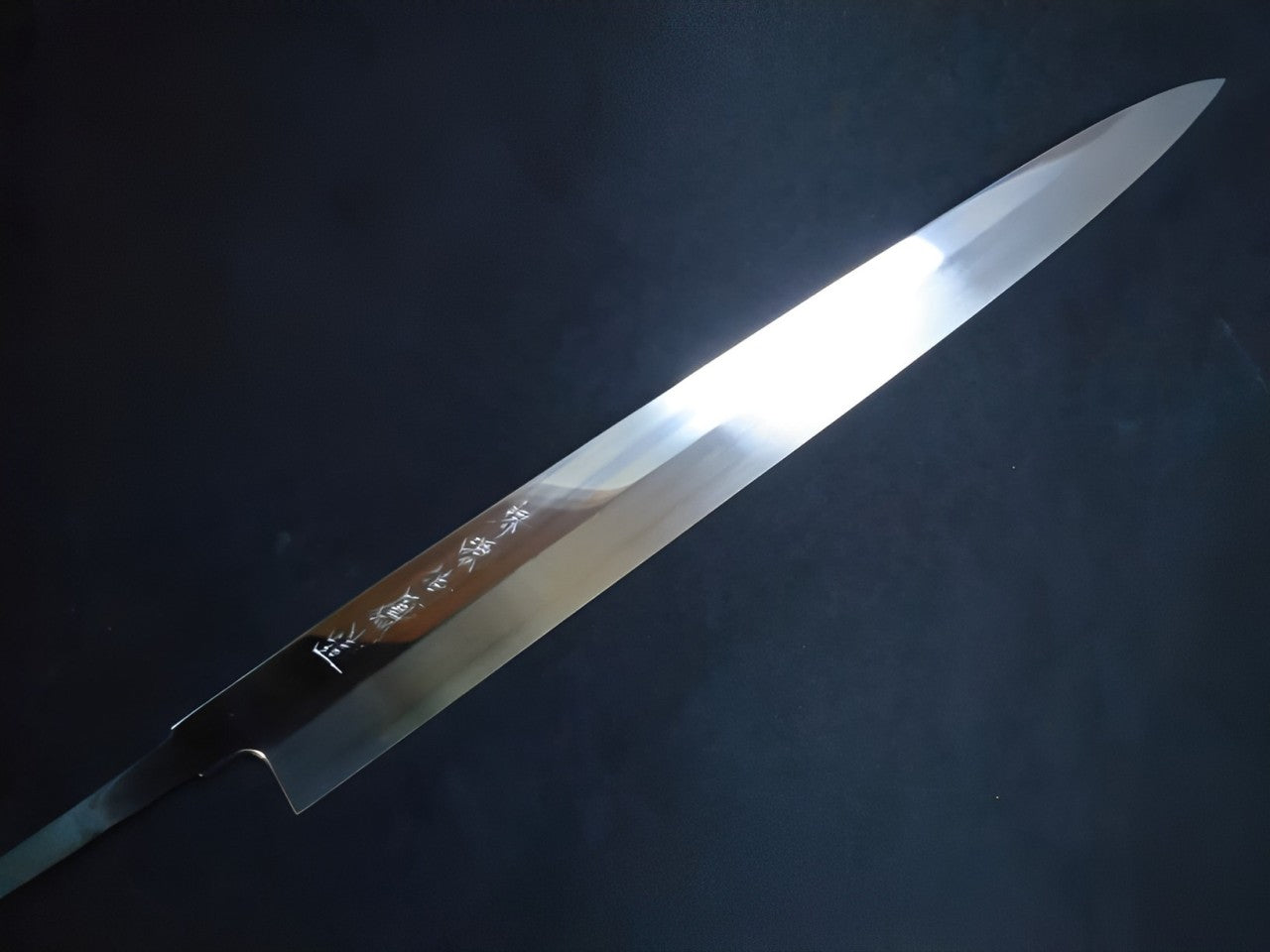
White Steel #2 (Honyaki -Mizuyaki)
Forged in Sakai using the legendary Mizuyaki water-quenching technique, this White Steel #2 embodies uncompromising sharpness and precision.
Its ultra-pure carbon steel and meticulous forging deliver maximum edge retention, rewarding chefs who demand nothing less than perfection.
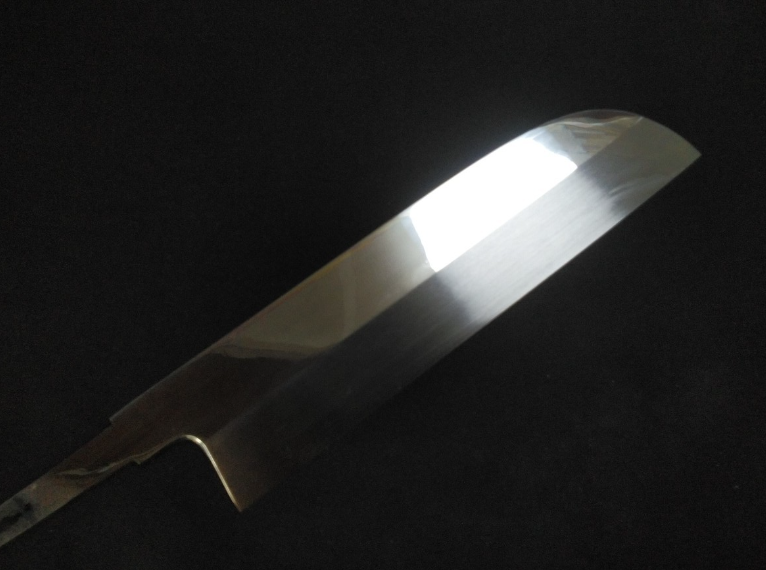
White Steel #2 (Honyaki -Aburayaki)
Oil-quenching cools the blade more gradually than water, giving it subtle flexibility and reducing the risk of chipping.
This method preserves the hallmark sharpness of Honyaki while adding practical durability, making it ideal for chefs who value both performance and ease of maintenance.

Blue Steel #2 (Honyaki -Mizuyaki)
Also crafted in Sakai with the Mizuyaki water-quench, Blue Steel #2 combines high hardness with refined toughness.
It unleashes the steel’s distinctive cutting power, delivering long-lasting sharpness and reliability for the most demanding professional kitchens.

Super Steel (Honyaki)
Crafted exclusively by a select group of master artisans in Sakai, Super Steel Honyaki knives combine exceptional hardness and durability.
These high-performance blades embody the pinnacle of Japanese forging techniques and are highly regarded by professionals worldwide.

Ginsan (Honyaki)
Ginsan stainless steel merges corrosion resistance with the single-steel forging mastery of Honyaki.
It offers clean, precise cuts without the upkeep required for carbon steel, making it a trusted choice for chefs who seek modern convenience without sacrificing traditional performance.
Honyaki — The Pinnacle of Japanese Blade Craftsmanship
-

-

Forging Temperatures — Low vs. High
Honyaki knives are forged at around 800°C, a low temperature that preserves the steel’s carbon content and prevents grain coarsening.
This meticulous process minimizes the risk of decarburization and ensures the blade delivers unmatched sharpness and durability.In contrast, Kasumi blades require high-temperature forging (1000–1200°C) to weld the steel and soft iron layers together, a process that carries a higher risk of damaging the steel’s microstructure.
-

Honyaki blades are fading from the world, yet their rarity reveals a deeper truth:
they endure as irreplaceable expressions of human skill and cultural spirit, impossible for machines to replicate.


-

1. Forging – Shaping the Soul of the Blade
The journey begins with heating a single piece of steel until it glows white-hot, then hammering it into form. Each strike compresses and refines the steel’s grain, creating a dense, strong structure. This is where the knife’s lasting strength, precision, and cutting potential are born.
-

2. Clay Coating – Harmonizing Hardness and Flexibility
A special clay-and-whetstone mixture is applied — thick on the spine, thin near the edge. This controls how heat leaves the steel during quenching, allowing the edge to reach peak hardness while the spine retains a gentle resilience. The result: a single-material blade with an internal balance that feels alive in the hand.
-

3. Quenching – Breathing Life into Steel
The coated blade is heated again to about 800°C (1470°F). In the heartbeat between glowing orange and deep red, the smith plunges it into water — a moment that decides success or failure. The edge hardens to an extraordinary sharpness, while the spine remains flexible — a perfect harmony born of precision and experience.


The Three Steps of Honyaki: How a Single Steel Becomes a Living Blade
-

Honyaki knives represent the pinnacle of Japanese blade-making: a single piece of steel, crafted with ancient sword-forging techniques and brought to life through a demanding, three-step process.
Each stage shapes a different part of the knife’s identity—its strength, hardness, and living responsiveness.

-

Three Types of Quenching and Their Signatures
1. Water Quenching – Maximum Sharpness, Highest Risk
The most traditional — and most unforgiving — method. The blade meets water in an instant, producing unrivaled hardness and edge retention, but at the cost of a high risk of cracking. Only the most skilled masters dare to attempt it.
-

3. Air Quenching – The Stainless Specialist
Used mainly for stainless steels, air quenching allows the blade to cool naturally, preventing warping and cracking. It complements the corrosion resistance of stainless steel, creating blades that are durable, low-maintenance, and reliable in any kitchen.


Fire & Steel: Understanding the Three Quenching Methods in Japanese Knife Making
-

Quenching determines a Japanese knife’s hardness, sharpness, and structural stability.
Different steels demand different cooling methods, and each comes with its own balance of performance and risk.Water quenching delivers maximum hardness and sharpness, the traditional hallmark of elite carbon-steel knives.
However, the rapid cooling brings a high risk of cracking or warping, making it a technique reserved for expert smiths.Oil quenching cools more gently, producing balanced sharpness with lower breakage risk.
Many professional-grade knives rely on this method for its reliability and consistent performance.Air quenching is the method of choice for stainless steels with high hardenability.
Natural cooling minimizes deformation, leading to durable, low-maintenance blades ideal for everyday or professional use.Each quenching method shapes not only the blade’s edge, but the entire philosophy behind how it will perform in a chef’s hands.

-

2. Purity of Materials — Steel That Shapes the Soul
Honyaki is traditionally made from White Steel (clarity, ease of sharpening) or Blue Steel (edge retention, durability). Some artisans now use Ginsan stainless steel for easier maintenance, or even Super Steels for extreme performance.
But steel alone doesn’t define the knife. Craftsmanship decides everything — two blades from the same steel can feel worlds apart depending on the smith’s heat treatment.
-

3. The Vanishing Masters — A Craft at Risk
Today, fewer than a handful of artisans can make top-grade honyaki. Aging masters, low wages, and long apprenticeships deter young successors. Many workshops now seek survival through premium branding and overseas markets, while rethinking training systems to pass on both skill and spirit.


Honyaki: Why the Rarest Japanese Knives Demand Unmatched Skill
-

Honyaki knives represent the highest tier of Japanese bladesmithing, forged from a single piece of high-carbon steel and shaped through a process so unforgiving that only a few remaining masters can execute it.
Unlike laminated knives, Honyaki blades contain no soft iron layers to buffer mistakes. Every hammer strike, every degree of temperature, and every second in quenching determines success or catastrophic failure.
The result is a legendary blade—but one that comes at a high price.During quenching, the steel is heated to extreme temperatures and over 30% of blades crack or warp beyond repair.
This demanding process is stabilized only through the tsuchioki clay coating, which selectively hardens the edge while preserving resilience in the spine.Yet the steel alone does not define a Honyaki knife.
Two blades forged from the same billet may differ dramatically because craftsmanship—not material—is the true differentiator.
Only a handful of artisans in Japan still possess this mastery, making Honyaki not just a blade, but a disappearing cultural treasure.

-

3. Preserving Tradition — A Living Heritage
Forged with techniques rooted in Japanese sword-making, each Honyaki represents centuries of blacksmithing tradition. Skills are passed from master to apprentice over decades, along with philosophy and spirit. In owning one, you honor this heritage and support the craftsmen keeping it alive.

Ⅵ. Sharpening and Maintaining the Honyaki — Mastering the Ultimate Japanese Blade
-

Choosing the Right Stones
- Use only high-quality synthetic whetstones kept perfectly flat
- Coarse stones only for major repairs—focus on medium and finishing stones
- Natural stones are beautiful but unpredictable; approach them only with advanced skill
-

The Reward
Treat a Honyaki with patience and respect, and it will reward you for decades—becoming not just a knife, but a partner in your craft, delivering flawless slices every time.


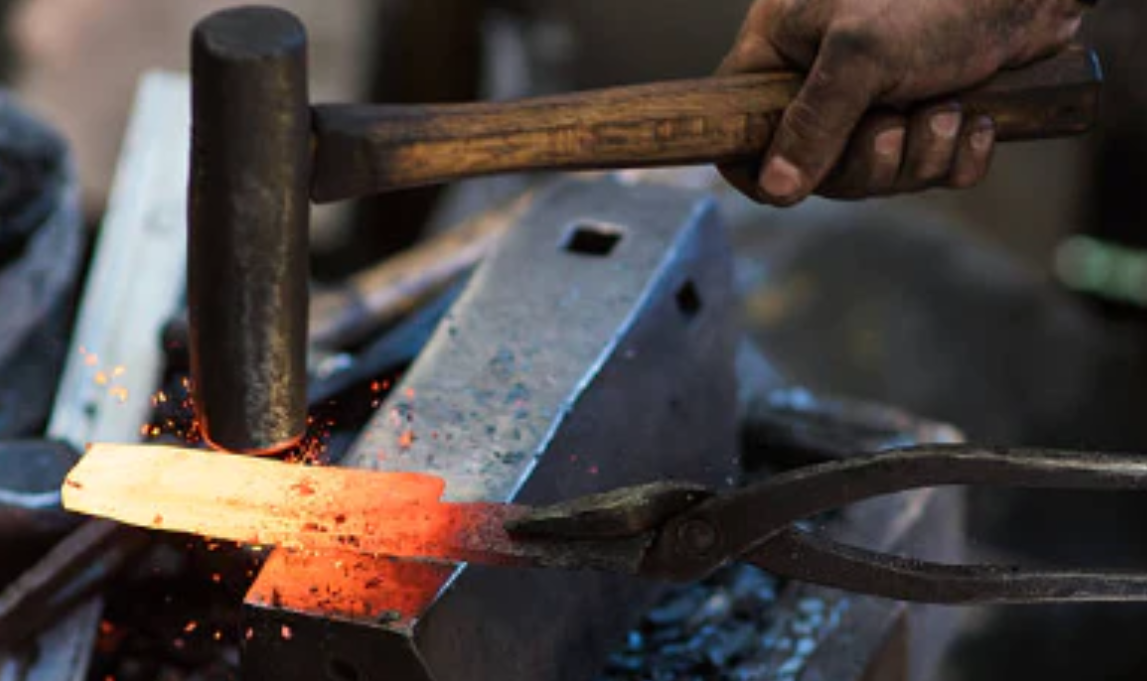
Q1. What is a Honyaki knife?
A Honyaki knife is forged from a single piece of steel—whether traditional high-carbon steel or modern stainless steel such as Ginsan or other advanced alloys—using techniques rooted in Japanese sword-making. Unlike laminated knives that combine different metals, Honyaki blades embody purity and strength in their construction, resulting in extraordinary sharpness and hardness.
Q2. What makes Honyaki knives special?
Honyaki knives are exceptional because of their unrivaled hardness, cutting performance, and artistry. Forged from a single solid block of steel—be it traditional carbon steel or modern stainless steel—they maintain a remarkably sharp edge for an extended time, making them ideal for precise cuts in traditional Japanese cuisine, such as sashimi or delicate vegetable work. More than just tools, each Honyaki knife represents a masterpiece of craftsmanship, requiring advanced forging and heat treatment techniques that only a handful of artisans in Japan are capable of performing today.
Q3. How are Honyaki knives different from Kasumi knives?
The key difference lies in construction. Honyaki knives are forged entirely from a single piece of steel, while Kasumi knives are made by laminating a hard steel core with a softer iron jacket. This gives Honyaki knives superior edge retention and hardness, though it also means they require more care and skill in use and sharpening. Kasumi knives, while also sharp, are generally easier to maintain and more forgiving for everyday use.
Visually, Honyaki knives are often admired for their distinctive appearance and refined finish, while Kasumi knives feature a softer, misty look with a subtle elegance. Price also sets them apart: Honyaki knives command significantly higher prices because of the time, skill, and precision required, whereas Kasumi knives are more affordable and accessible to a broader range of chefs and enthusiasts.
Q4. Why is hardening important in knife making?
Hardening is the decisive step that gives a blade its strength, sharpness, and character. By heating the steel to high temperatures and rapidly cooling it, the internal structure of the blade transforms, producing exceptional hardness and a keen edge. In Honyaki knives, this process is especially vital—not only does it create their legendary performance, but it also symbolizes the fusion of tradition and artistry, much like in the forging of Japanese swords.
Q5. Are Honyaki knives suitable for beginners?
Honyaki knives are best suited for experienced users and professional chefs. Their high hardness makes them extremely sharp and long-lasting, but also more delicate and challenging to sharpen compared to other knives. For beginners, Kasumi or stainless-steel knives may be more practical, while Honyaki remains an ultimate choice for those seeking the pinnacle of Japanese craftsmanship.
Q6. Why are Honyaki knives so expensive?
The price of a Honyaki knife reflects the extraordinary level of craftsmanship and time involved. Unlike laminated knives, each Honyaki blade demands advanced forging and heat treatment techniques that only a handful of artisans can perform. The process often requires multiple attempts to achieve perfection, which makes every successful Honyaki knife rare and valuable—a true collector’s piece as well as a professional tool.

The Ultimate Sharpness: The Allure of Honyaki
Forged from a single piece of high-carbon steel, Honyaki knives demand the highest level of craftsmanship. Using the traditional Tsuchioki clay-tempering method, they embody purity and precision unlike layered Kasumi blades. The result is a knife of extraordinary sharpness and beauty—delicate yet powerful, a lifelong partner for chefs who seek perfection.

Methods of Quenching in Japanese Knives
Quenching—where fire meets water or oil—gives a blade its soul. This transformation hardens the steel, shaping both its resilience and character. Water quenching offers unmatched sharpness and edge retention, while oil quenching ensures stability and consistency. More than technique, quenching is an art that defines the very identity of a Japanese knife.