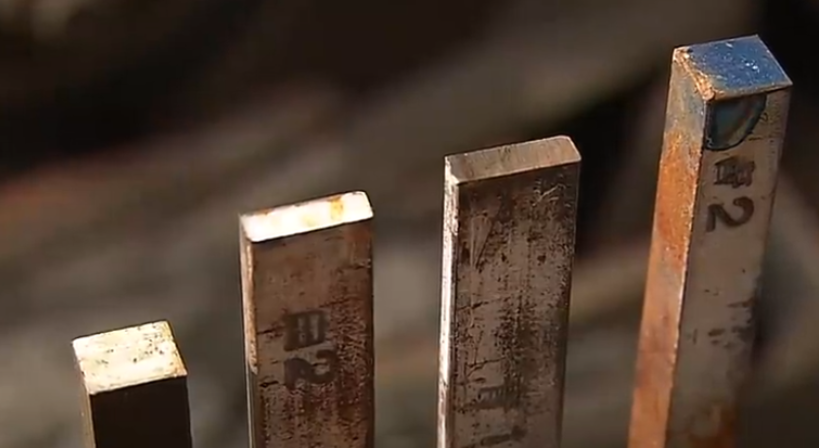
White Steel #1 Japanese Knife Collection
-
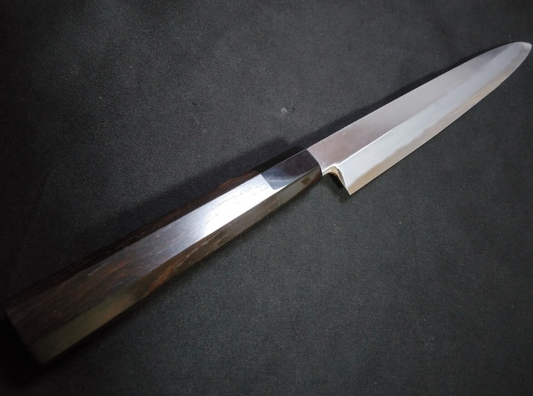
White Steel #1 Yanagiba 270mm-Kido Finishing
Regular price $380.00 CADRegular priceUnit price per -
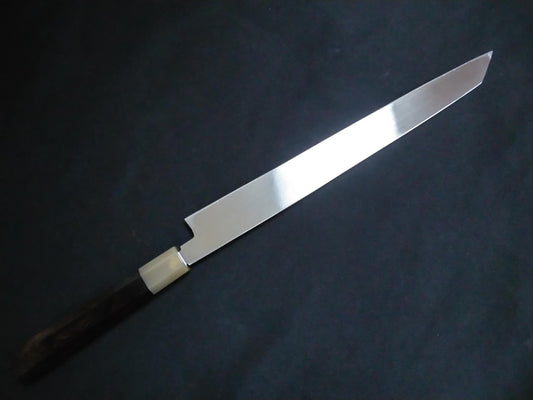
White Steel #1 (Honyaki) Yanagiba (Kiritsuke) 300mm-Mirror Polished(one side)
Regular price $900.00 CADRegular priceUnit price per$0.00 CADSale price $900.00 CADSold out


KIREAJI's Three Promises to You
-

1. Forged in the Legacy of Sakai
From Sakai City—Japan’s renowned birthplace of professional kitchen knives—each blade is crafted by master artisans with over six centuries of tradition. Perfectly balanced, enduringly sharp, and exquisitely finished, every cut carries the soul of true craftsmanship.
-

2. Thoughtful Care for Everyday Use
Every knife includes a hand-fitted magnolia saya for safe storage. Upon request, we offer a complimentary Honbazuke final hand sharpening—giving you a precise, ready-to-use edge from day one.
-

3. A Partnership for a Lifetime
A KIREAJI knife is more than a tool—it is a lifelong companion. With our bespoke paid aftercare services, we preserve its edge and beauty, ensuring it remains as precise and dependable as the day it first met your hand.


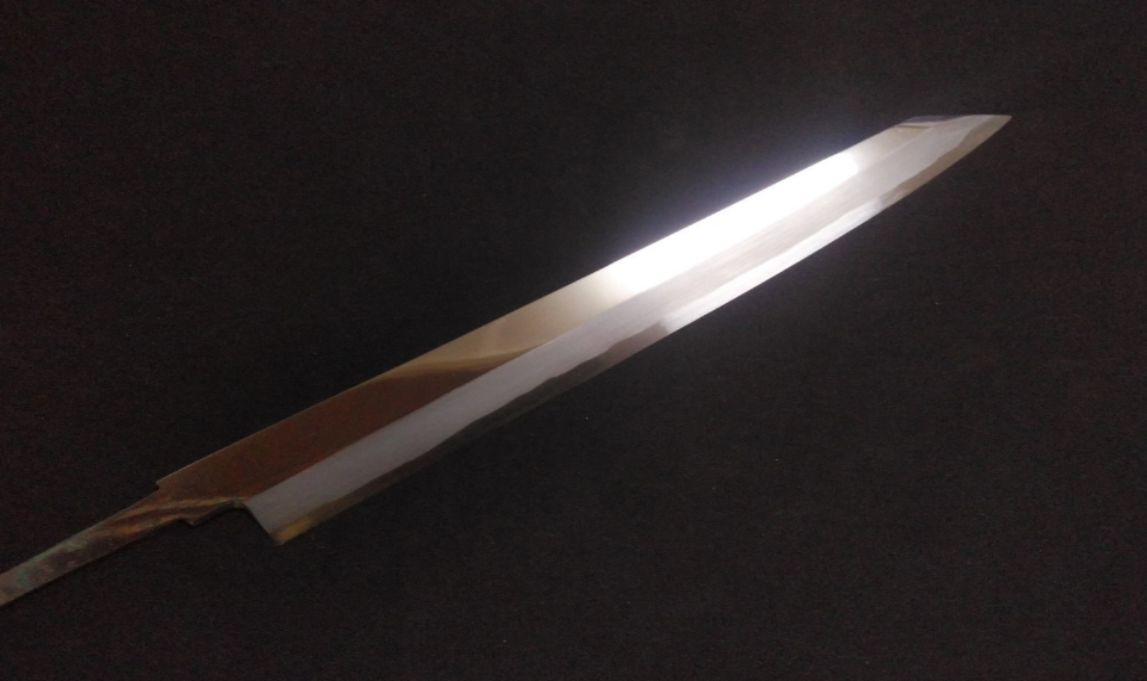
Why Many Product Photos Show Only the Blade
At KIREAJI, every knife is made to order in Sakai, Japan. Photos show the blade before the handle is attached, allowing artisans to perfect the balance and edge for your specific order. Your knife arrives fully finished — tailored just for you.

Global Delivery from Sakai
Across the world, discerning cooks seek authentic Japanese knives from Sakai — Japan’s legendary knife-making city with over 600 years of tradition.
At KIREAJI, we work alongside master artisans in Sakai to fulfill that desire, shipping genuine handcrafted knives directly from the workshop to kitchens worldwide.
White Steel #1: The Pure Steel for Ultimate Sharpness and Precision
-

The Meaning of “Pure”
White Steel #1 is defined by its extreme purity, with impurities such as phosphorus and sulfur reduced to a minimum.
Unlike many modern steels, it contains no alloying elements like chromium, molybdenum, or tungsten.
As a result, it delivers a sharpening experience that feels clean, direct, and intuitive—a steel that does not interfere with the instincts of the sharpener.This means the steel doesn’t “resist” the chef, allowing the edge to respond precisely to the smallest adjustments. In short, White Steel #1 is a material that lets you communicate with your blade.
-

Why Do Chefs Still Choose It?
Precisely because of these challenges, White Steel #1 continues to be a favorite among top chefs worldwide.
- For chefs who want to feel every nuance of the blade
- For knife enthusiasts who enjoy sharpening as a craft
- For professionals in Japanese cuisine, French fine dining, or sushi, where edge control is everything
White Steel #1 is not just a material. It is a philosophical tool—one that transforms cutting into a form of artistic expression.


What Is White Steel #1?
-

Composition Features
- With its high carbon content, it is exceptionally hard, allowing the edge to stay sharp for a long time.
- Impurities such as phosphorus and sulfur are minimized to the utmost, resulting in a steel of very high purity.
- It contains almost no alloying elements like chromium or tungsten. This simple composition ensures ease of sharpening and a beautifully finished blade.

Features of White Steel #1
-

Exceptional Sharpness and Hardness
With an increased carbon content, White Steel #1 achieves exceptional sharpness and boasts a high hardness rating of HRC66, making it an ideal material for Japanese knives, particularly those used in traditional cuisine.
-

Ease of Sharpening
Due to its low levels of additives and impurities, White Steel #1 is surprisingly easy to sharpen with a whetstone, a rare quality for such a high-hardness knife steel.
-

Pure Steel Composition
Free from tungsten (W) and chromium (Cr), which are commonly found in blue steel, White Steel #1 is praised for its purity and ease of maintenance, offering a balance between sharpness and usability despite being less wear-resistant than blue steel.


Recommended Users for White Steel #1
-

1. Precision-Driven Chefs
Excels in fine, detail-oriented work such as sashimi slicing or katsuramuki, where maximum sharpness is essential.

White Steel #1: The Pinnacle of Sharpness and Craftsmanship
-

White Steel #1 represents the highest expression of purity and sharpness in Japanese knife steel.
With its exceptionally high carbon content and nearly alloy-free composition, it delivers a razor-thin edge that few materials can match.
However, this performance comes with a demand: only skilled hands—both in forging and sharpening—can unlock its full potential, making it a favored choice among elite chefs and master sharpeners who value absolute control and artistic precision.

Q1. What is White Steel #1?
White Steel #1 (Shirogami No.1) is a high-carbon, ultra-pure Japanese steel with a slightly higher carbon content than White Steel #2. This results in greater hardness and the potential for a razor-sharp edge of extraordinary refinement. Forged without alloying elements, it offers a traditional, responsive feel—every cut reflecting the technique and precision of the user.
Q2. How does it differ from White Steel #2?
The key difference lies in carbon content. White Steel #1 contains more carbon, giving it higher hardness and longer edge retention than White Steel #2. However, this also makes it more brittle and less forgiving. White Steel #1 is suited for those who prioritize sharpness above all else—and who have the skill to handle it with precision.
Q3. Does it rust easily?
Yes. Like all carbon steels, White Steel #1 lacks chromium and is highly reactive to water, salt, and acidic foods. To prevent rust, rinse and dry the blade immediately after use, avoid leaving it in contact with acidic residues, and apply a thin coat of oil for long-term storage. With proper care, the steel will reward you with unmatched clarity in cutting.
Q4. Is it easy to sharpen?
Yes, but it requires precision. Because it has no alloying elements, White Steel #1 responds beautifully to whetstones and takes on an extremely fine edge. However, its high hardness also makes it less forgiving—too much pressure can cause chips, and overheating during sharpening can reduce hardness. Mastering White Steel #1 means learning control, care, and attention to detail.
Q5. Who is it for?
White Steel #1 is for professionals, skilled sharpeners, and those who see their knife not just as a tool, but as an extension of their craft. It rewards chefs who value absolute sharpness, precision, and the pursuit of mastery. For those who enjoy refining their technique, White Steel #1 offers a level of performance few steels can match.
Q6. How should I maintain it?
Wash and dry the knife immediately after each use, avoid prolonged exposure to acidic or salty foods, and only use it on appropriate cutting surfaces. For long-term storage, apply a thin coat of oil. White Steel #1 does not tolerate shortcuts, but with care, it becomes a lifelong companion—one that grows with you as your skills deepen.

Comprehensive Guide to White Steel and Blue Steel
White Steel #2 vs. Blue Steel #2: Discover the key differences that shape sharpness, durability, and performance in Japanese knives.
Comprehensive Guide to White Steel #1 and White Steel #2
White #1 vs. White #2: Compare edge sharpness, ease of sharpening, and professional vs. daily kitchen performance.
Japanese Knife Materials
The steel behind a Japanese knife defines its sharpness, durability, and care. From traditional carbon steels like White #2 and Blue #2 to modern innovations such as Ginsan and ZDP189, each material offers its own balance of performance and maintenance. This guide explores how these choices shape the knives we use today.
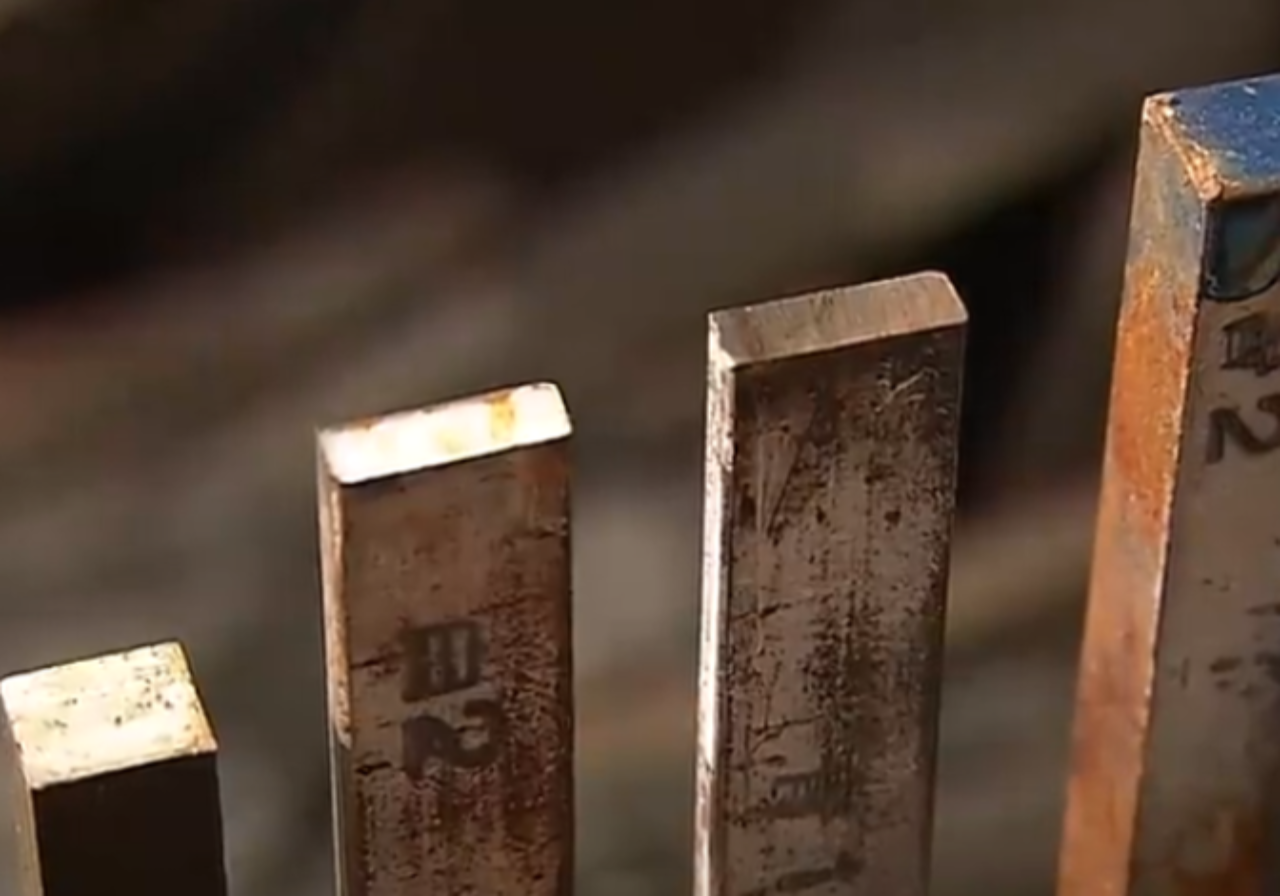
Yasuki Steel: The Heart of Japanese Knives
Yasuki Steel has long been the legendary core of Japanese knife-making. With the 2023 transition from Hitachi Metals to Proterial, its future is at a turning point. The continued yet uncertain production of White and Blue Steel—and the arrival of new stainless options—raises important questions for makers, users, and collectors alike. Understanding Yasuki Steel is more essential than ever to grasp the future of Japanese knives.
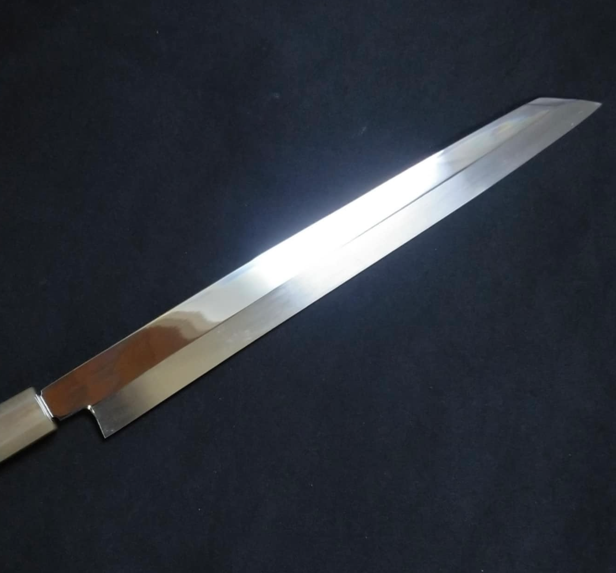
White Steel #1: Seeking Ultimate Sharpness and Ease of Sharpening
White Steel #1 is a traditional Japanese knife steel known for its exceptional sharpness and ease of sharpening. This highly pure carbon steel is prized by chefs and knife enthusiasts worldwide for its unrivaled cutting performance and ability to hold an edge. Learn about the history, characteristics, and benefits of Shirogami: White Steel #1 and why it's considered the soul of Japanese knives.