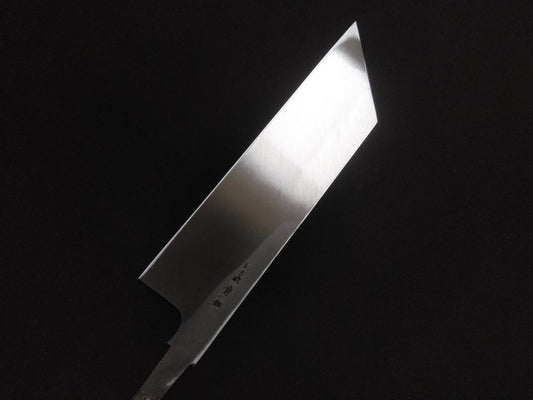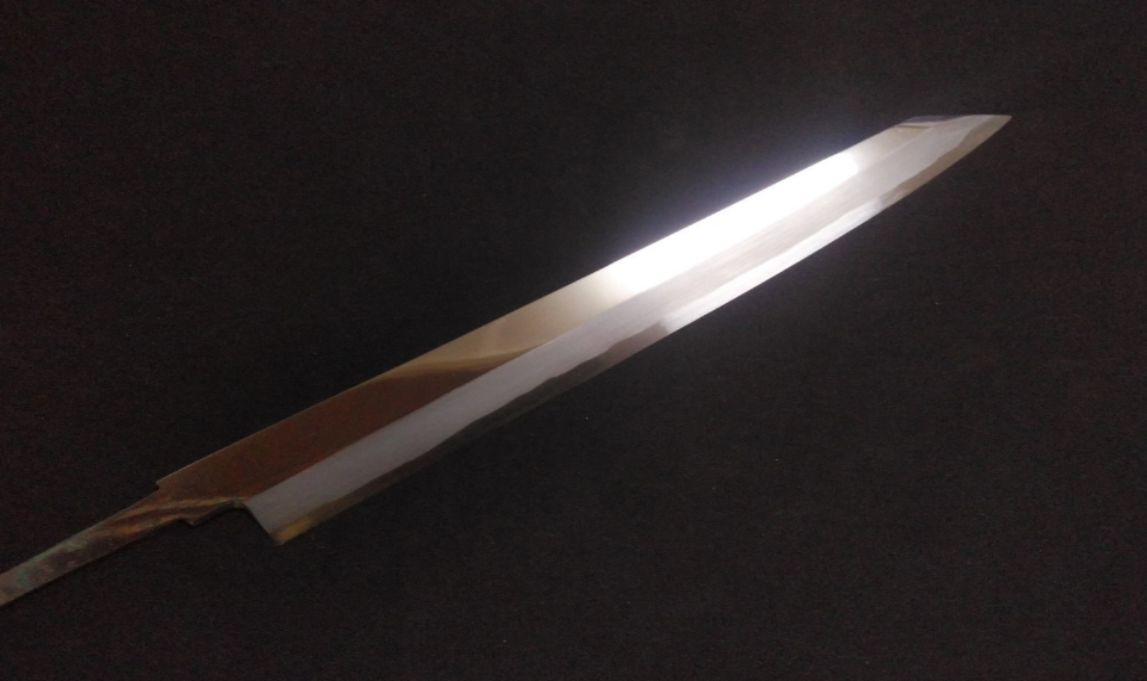
• In Sakai, where master artisans have forged blades for centuries, one man’s legacy continues to inspire.

    Keijiro Doi, a master of the yanagiba and mukimono usuba, dedicated his life to perfecting the art of Japanese knife-making. Though he passed in 2017, his spirit and techniques live on through his family and apprentices, preserving over 70 years of tradition.

Sakai Traditional Craftsman Collection: Keijiro Doi

  • A Heritage Forged in Steel

    Born in 1927 in Sakai City, Keijiro Doi followed in the footsteps of his father, master craftsman Kazuo Doi. At the age of 19, he began his lifelong journey as a blacksmith, dedicating decades to perfecting the art of forged Japanese knives.

  • Exceptional Craftsmanship

    Renowned for his yanagiba and mukimono usuba, Doi’s knives have been treasured by professional chefs for their unmatched sharpness, balance, and aesthetic beauty.

  • Recognition and Legacy

    In 1987, he was officially certified as a Traditional Craftsman by Japan’s Ministry of International Trade and Industry, and in 1997, he received the prestigious Blue Kiriba Award. His craftsmanship continues through his son, Itsuo Doi, and the many apprentices he trained, preserving the Doi family’s more than 70-year legacy.

  • japanese_knife_made_in_Sakai

    1. Forged in the Legacy of Sakai

    From Sakai City—Japan’s renowned birthplace of professional kitchen knives—each blade is crafted by master artisans with over six centuries of tradition. Perfectly balanced, enduringly sharp, and exquisitely finished, every cut carries the soul of true craftsmanship.

  • 2. Thoughtful Care for Everyday Use

    Every knife includes a hand-fitted magnolia saya for safe storage. Upon request, we offer a complimentary Honbazuke final hand sharpening—giving you a precise, ready-to-use edge from day one.

  • 3. A Partnership for a Lifetime

    A KIREAJI knife is more than a tool—it is a lifelong companion. With our bespoke paid aftercare services, we preserve its edge and beauty, ensuring it remains as precise and dependable as the day it first met your hand.

Why Many Product Photos Show Only the Blade

At KIREAJI, every knife is made to order in Sakai, Japan. Photos show the blade before the handle is attached, allowing artisans to perfect the balance and edge for your specific order. Your knife arrives fully finished — tailored just for you.

Made-to-order Japanese knives

Global Delivery from Sakai

Across the world, discerning cooks seek authentic Japanese knives from Sakai — Japan’s legendary knife-making city with over 600 years of tradition.
At KIREAJI, we work alongside master artisans in Sakai to fulfill that desire, shipping genuine handcrafted knives directly from the workshop to kitchens worldwide.

Global Delivery from Sakai
  • A Life Dedicated to the Forge

    Born in 1927 in Sakai City, Keijiro Doi grew up surrounded by the sights and sounds of his father Kazuo Doi’s blacksmith workshop. At 19 years old, he committed himself fully to the art of forging, a craft that demands both physical endurance and a profound sense of precision.

  • Master of the Yanagiba and Kama-gata Usuba

    Doi’s handcrafted yanagiba and mukimono usuba knives earned deep respect from professional chefs. Known for their razor-sharp edges, impeccable balance, and refined aesthetics, his knives transformed cooking from a skill into an art form.

  • Official Recognition

    In 1987, Doi was honored as a Traditional Craftsman by the Ministry of International Trade and Industry—recognition reserved for artisans who exemplify the highest standards of Japanese craftsmanship. In 1997, he received the prestigious Blue Kiriba Award, further cementing his status as a master of his craft.

  • A Legacy Passed On

    Over a career spanning decades, the Doi family name became synonymous with quality forged knives. In 2012, Keijiro Doi retired from active work, passing his knowledge and tools to his son, Itsuo Doi, who carries forward the family’s more than 70-year tradition.

  • Enduring Value

    Since his passing in 2017, Keijiro Doi’s knives are no longer produced, making them rare and highly sought-after treasures for collectors and chefs alike. Each remaining blade carries with it a piece of Sakai’s history and the spirit of a true master.

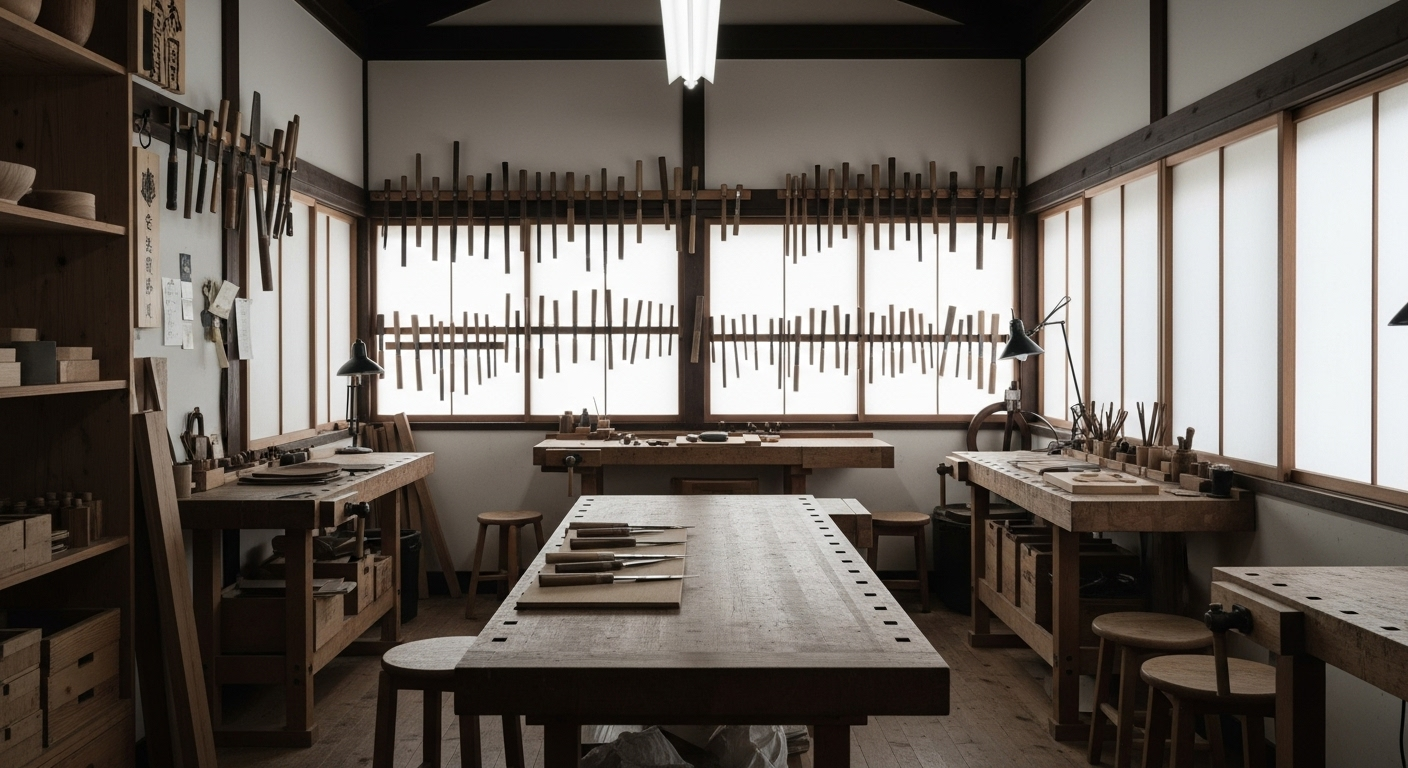
The Master Craftsmen of Sakai Uchihamono

In Sakai, centuries-old techniques are carried forward by government-certified Traditional Craftsmen. Each knife is not just a tool but a living symbol of tradition, precision, and spirit—kept alive through their hands.
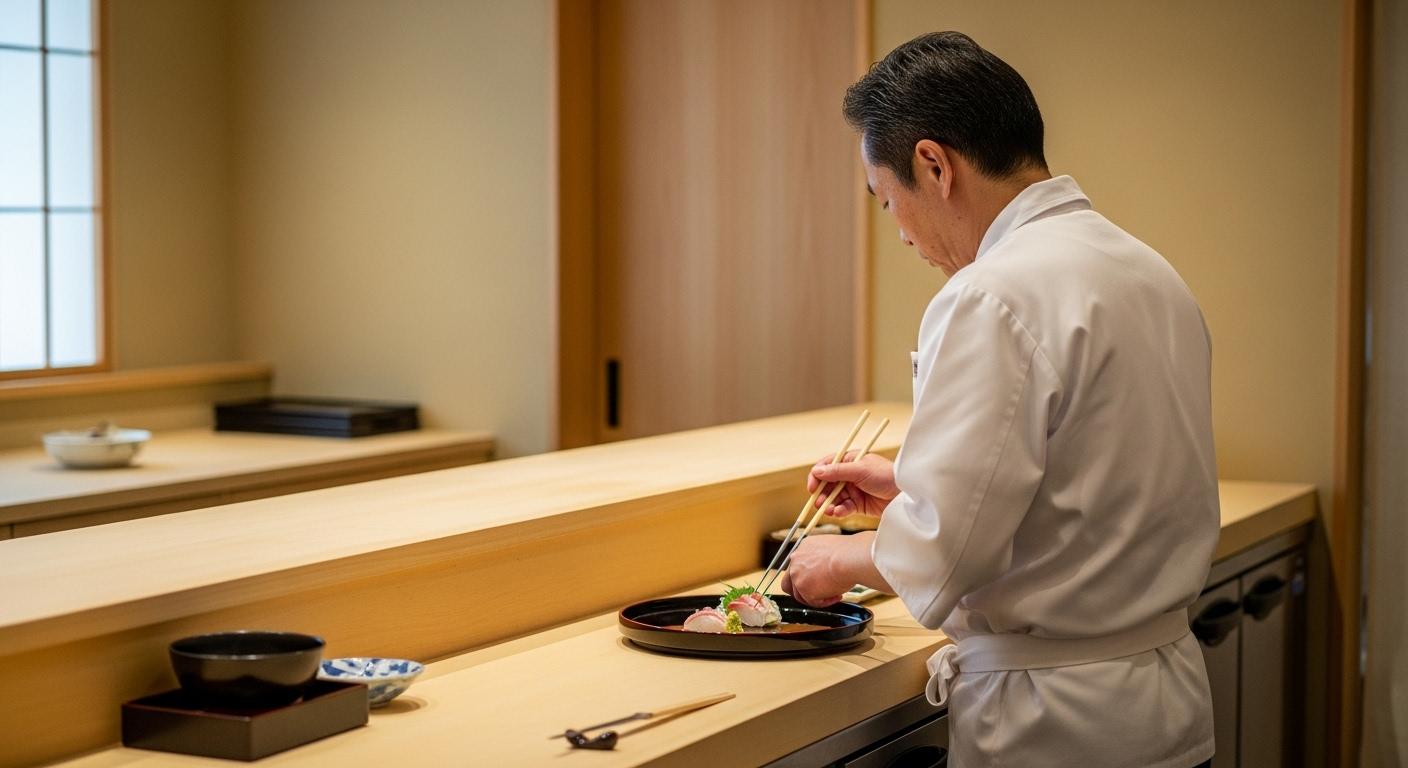
Sakai’s Traditional Craftsmen

Why Do 98% of Japan’s Chefs Trust Sakai Knives?

For over 600 years, Sakai has perfected a unique craft where each stage—forge, sharpen, finish—is mastered by specialists. This tradition makes Sakai the birthplace of Japan’s most trusted knives.
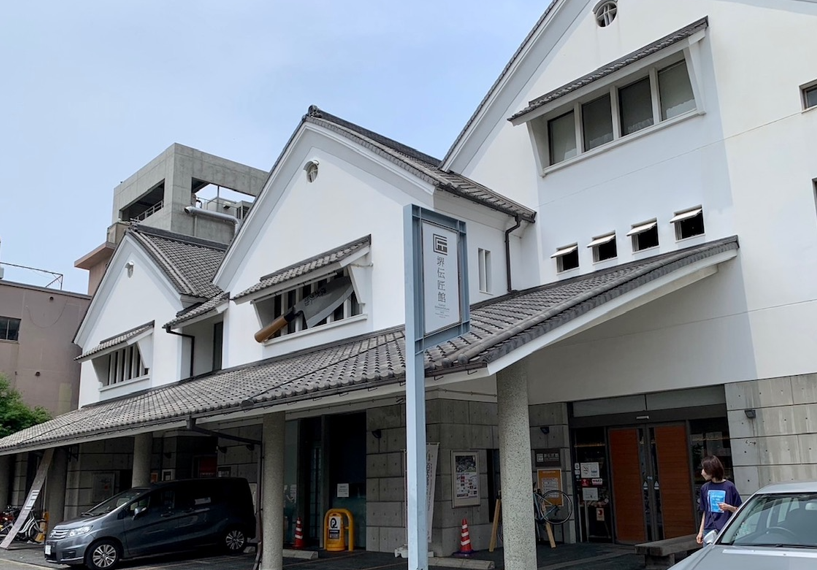
Why Do 98% of Japan’s Chefs Trust Sakai Knives?

The 98% Statistic: More Than a Number

According to the Sakai Tourism Bureau, “98% of Japanese chefs use Sakai knives.” This figure isn’t just a claim—it reflects the deep trust chefs place in Sakai’s centuries-old craftsmanship.

Sakai City Official English Site

Sakai’s Dwindling Masters: A Legacy at Risk

Once the heart of Japan’s finest cutlery, Sakai now has only a handful of blacksmiths left. With rising competition and fading interest among the young, new markets and fresh apprentices are vital to survival. Supporting these craftsmen means safeguarding a 600-year cultural legacy.
Sakai's Declining Japanese Knife Craftsmen
  • Moments of Forging Steel and Spirit

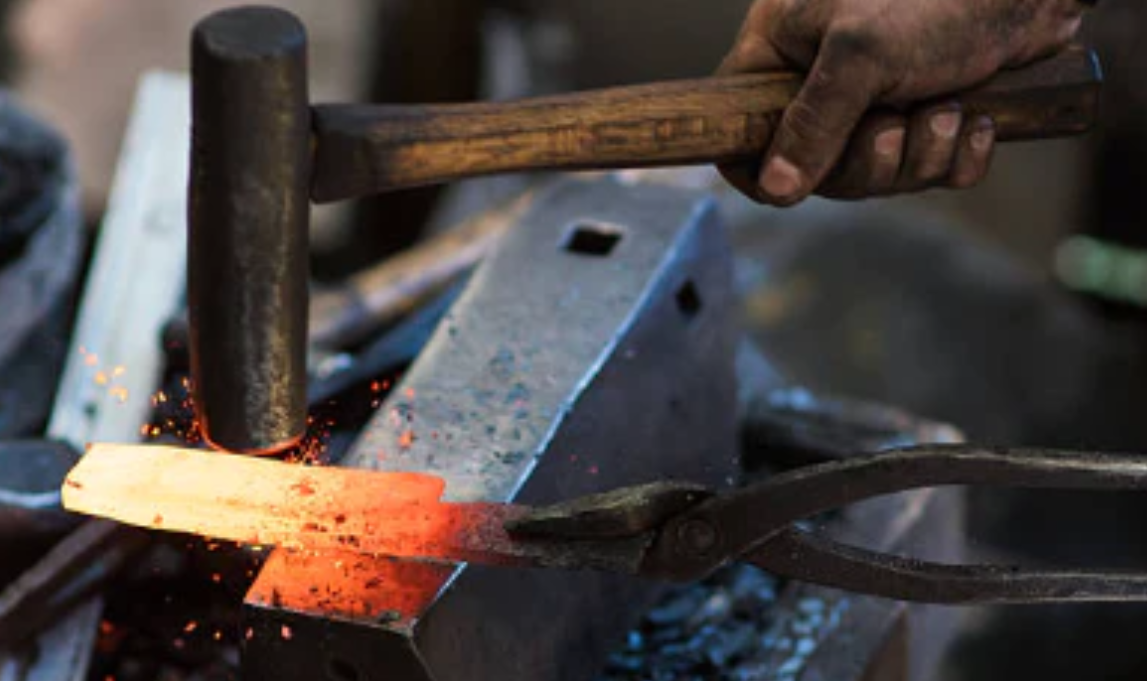
    Steel, when forged, does not simply harden—it is reborn. This transformation is not achieved by strength alone, but through precise control of heat, timing, and intuition, refined over decades at the forge.

  • For me, the journey of steel mirrors the journey of human spirit. Just as fire and hammer shape raw metal into a resilient blade, challenges and failures shape the heart of a craftsman. Every setback, every fracture, becomes a necessary strike—teaching, refining, and strengthening both steel and self.

  • Each knife I forged carried not only the strength of tempered steel, but also the essence of a spirit refined through years of dedication. When a chef takes such a blade in hand, it is my wish that every slice resonates with the life, perseverance, and devotion embedded within it.

  • To forge steel is to forge oneself. This endless cycle of discipline and renewal is where I found the true joy of being a craftsman.

How Japanese Knives Are Made: The Sakai Tradition

VIDEO PROVIDED: JAPAN TRADITIONAL CRAFTS AOYAMA SQUARE (YOUTUBE)

  • Sakai Forged Blades — Six Centuries of Unrivaled Craftsmanship

    Loved by chefs around the world and trusted by 98% of Japan’s top culinary professionals, Sakai knives are more than tools—they are the living legacy of over 600 years of master craftsmanship.

  • At KIREAJI, we work directly with the Shiroyama Knife Workshop in Sakai, Japan, ensuring every blade is hand-forged, finished to perfection, and shipped straight from the workshop to kitchens across the globe. No middlemen. No mass production. Only authentic, artisan-made knives, crafted to elevate your cooking for a lifetime.