A New Chapter at KIREAJI: The Birth of Japanese Knife Academy
-
August 22, 2025.
-
For centuries, Japanese knives have carried the quiet strength of history, craftsmanship, and spirit. They are more than cutting tools—they are vessels of culture, artistry, and devotion.
-
Yet today, this tradition faces an urgent challenge. The number of master artisans in places like Sakai has dwindled dramatically, and with them, centuries of knowledge risk being lost. At KIREAJI, we believe the best way to honor and protect this craft is to share it with the world—so that more people can understand, appreciate, and pass it on.
-
That is why we are proud to introduce Japanese Knife Academy, a new category on KIREAJI dedicated entirely to the knowledge, culture, and spirit of Japanese knives.
-
Why We Created Japanese Knife Academy
Our wish is simple:
That people everywhere will not only use Japanese knives, but also know their stories and share their meaning. -
When someone falls in love with a Yanagiba or Usuba, they begin to tell its story—to friends, family, colleagues. Those stories spark curiosity, and curiosity spreads. We imagine a world where conversations about Japanese knives ripple outward, connecting people across cultures, and helping sustain the artisans whose lives are devoted to this craft.
-
Japanese Knife Academy is built so that more people can join this chain of appreciation—so that a tradition in danger of fading may instead grow stronger, carried forward into kitchens around the world.
-
Origins & History
Origins & HistoryHere, we trace the roots of Japanese knives, from the forging of samurai swords to their transformation into modern kitchen tools. You’ll discover how centuries of tradition shaped the unique values of sharpness, beauty, and precision that define Japanese cutlery today.
-
Regions & Craftsmen
Regions & CraftsmenJapanese knives are inseparable from their places of origin. This section introduces the great forging regions of Japan—especially Sakai—and the master artisans who dedicate their lives to the craft. Each region has its own style and history, and each knife carries the spirit of its birthplace.
-
Materials
MaterialsThe heart of a knife lies in its materials. Here, we explore the steels that determine sharpness and durability, as well as the woods used for handles that influence balance and comfort. Understanding materials means understanding why each knife feels and performs the way it does.
-
Structure & Features
Structure & FeaturesJapanese knives are renowned for their unique structure. From single-bevel geometry to the urasuki hollow on the blade’s back, this section explains the design features that give Japanese knives their unmatched precision and character.
-
Crafting Process
Crafting ProcessFrom forging and quenching to sharpening and finishing, this section reveals the painstaking steps that transform raw steel into a living blade. Each stage reflects centuries of knowledge, discipline, and artistry—techniques preserved by generations of craftsmen.
-
Types of Knives
Types of KnivesJapanese cuisine values precision, and its knives reflect this through specialization. From the long, graceful yanagiba for sashimi to the sturdy deba for fish, and the usuba for delicate vegetables, each knife has a role shaped by centuries of culinary tradition. Understanding these types reveals why Japanese knives are more than tools—they are purpose-built companions for every stage of cooking.
-
Usage & Care
Usage & CareA great knife lasts not just because of how it was made, but because of how it is treated. This section teaches the etiquette of using, maintaining, and sharpening Japanese knives. By caring for your knife, you preserve its edge, beauty, and spirit for years to come.
-
Mindset & Philosophy
Mindset & PhilosophyAt the core of Japanese knives lies more than technique—it is a way of thinking. Here, we explore the discipline, humility, and respect that connect chef and knife. To understand the philosophy is to see why Japanese knives endure not only as tools, but as living works of art.
-
Each section is more than knowledge—it is a bridge that links the soul of Japan’s knife-making tradition to kitchens across the globe.
-
An Invitation to the World
The Japanese Knife Academy is not just a resource—it is a lifeline.
Every page, every story, is part of keeping a living tradition alive in the face of decline.When you learn about these knives, when you choose one, when you speak about it—you help carry forward the voices of artisans whose numbers are shrinking, but whose spirit endures in every blade.
Because these knives are not mere instruments.
They are living stories—an enduring testament to tradition, innovation, and the soul of craftsmanship.We hope this Academy becomes a home for chefs and home cooks who care about flavor, feel, and the hands behind the blade—anyone, anywhere, ready to cook with skill and with heart.
-
The journey begins here.
Welcome to the Japanese Knife Academy.
Let us keep alive the spirit of Japanese knives—together.
Why Do 98% of Japan’s Chefs Trust Sakai Knives?
For over 600 years, Sakai has perfected a unique craft where each stage—forge, sharpen, finish—is mastered by specialists. This tradition makes Sakai the birthplace of Japan’s most trusted knives.

The 98% Statistic: More Than a Number
According to the Sakai Tourism Bureau, “98% of Japanese chefs use Sakai knives.” This figure isn’t just a claim—it reflects the deep trust chefs place in Sakai’s centuries-old craftsmanship.
The Master Craftsmen of Sakai Uchihamono
In Sakai, centuries-old techniques are carried forward by government-certified Traditional Craftsmen. Each knife is not just a tool but a living symbol of tradition, precision, and spirit—kept alive through their hands.
Sakai Uchihamono: 600 Years of Sharpness and Mastery
From forging to sharpening to handle making, every step in Sakai Uchihamono reflects a tradition perfected over six centuries—crafting blades renowned for their ultimate sharpness and artistry.
Sakai’s Dwindling Masters: A Legacy at Risk
Once the heart of Japan’s finest cutlery, Sakai now has only a handful of blacksmiths left. With rising competition and fading interest among the young, new markets and fresh apprentices are vital to survival. Supporting these craftsmen means safeguarding a 600-year cultural legacy.
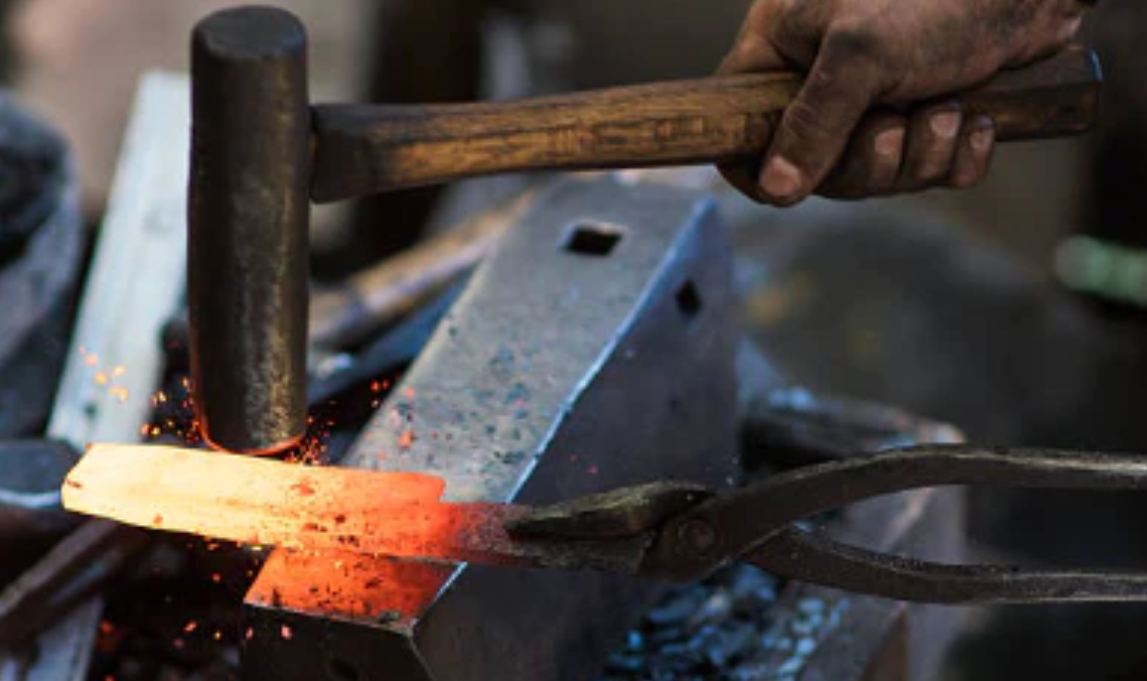
The Soul of Craftsmanship
-
A Quiet Blade, A Lasting Tradition
The Japanese Knife Academy was founded with a single wish: to carry forward what has been entrusted to us and to share it with the world. A Japanese knife is not merely a tool—it is a vessel of spirit, embodying the care of the maker and the respect of the user.
-
Within its edge and balance lies a silent dialogue between tradition and daily life, between past and future. If this Academy allows even one more person to feel that depth—to recognize that a knife can be something greater than steel and wood—then the tradition will not only endure.
It will live on, quietly yet powerfully, growing in kitchens and hearts across the world.
Experience the sharpness trusted by 98% of Japan’s top chefs — handcrafted in Sakai City.
Through our exclusive partnership with Shiroyama Knife Workshop, we deliver exceptional Sakai knives worldwide. Each knife comes with free Honbazuke sharpening and a hand-crafted magnolia saya, with optional after-sales services for lasting confidence.
KIREAJI's Three Promises to You
-
1. Forged in the Legacy of Sakai
From Sakai City—Japan’s renowned birthplace of professional kitchen knives—each blade is crafted by master artisans with over six centuries of tradition. Perfectly balanced, enduringly sharp, and exquisitely finished, every cut carries the soul of true craftsmanship.
-
2. Thoughtful Care for Everyday Use
Every knife includes a hand-fitted magnolia saya for safe storage. Upon request, we offer a complimentary Honbazuke final hand sharpening—giving you a precise, ready-to-use edge from day one.
-
3. A Partnership for a Lifetime
A KIREAJI knife is more than a tool—it is a lifelong companion. With our bespoke paid aftercare services, we preserve its edge and beauty, ensuring it remains as precise and dependable as the day it first met your hand.