• KIREAJI’s Subzero Treatment technology elevates knife performance to the highest standard. By cooling steel to extreme sub-zero temperatures, the process transforms its internal structure—greatly enhancing hardness, durability, and edge retention. Rooted in traditional Japanese craftsmanship yet advanced with modern science, Subzero Treatment produces knives of extraordinary sharpness and longevity.

  • Conventional hardening heats steel to high temperatures and then rapidly cools it. While this increases hardness, it often leaves behind “retained austenite”—an unstable structure that can cause warping or dimensional changes over time.

  • Subzero Treatment overcomes this issue. By cooling the steel below 0°C with liquid nitrogen, retained austenite is forced to transform into martensite, creating a dense, uniform structure. The result is consistent hardness across the entire blade and a foundation for exceptional durability.

  • The Science Behind Subzero Treatment

    • Quenching: Rapid cooling transforms most austenite into martensite, a hard and stable steel phase.
    • Retained Austenite: Conventional quenching leaves some areas untransformed, which can shift later and cause warping.
    • Subzero Effect: Cooling below 0°C completes the transformation, minimizing instability and maximizing martensite formation.
      The outcome: a precise, stable microstructure that resists distortion and preserves sharpness over time.
  • White_Steel_2_Honyaki-Mizuyaki_Yanagiba_360mm-Mirror_Polished_both_sides
    • Superior Wear Resistance: Reduces chipping, keeping the edge sharp longer.
    • Dimensional Stability: Prevents subtle warping or shape changes.
    • Long-Lasting Sharpness: Fewer resharpenings are required.
  • Where Steel Reaches Its Peak The Power of Subzero Treatment

    Subzero treatment unlocks a blade’s fullest potential by transforming unstable steel into strong, uniform martensite, giving the knife superior wear resistance, dimensional stability, and long-lasting sharpness.
    It is an invisible step—but one that profoundly elevates real-world performance.

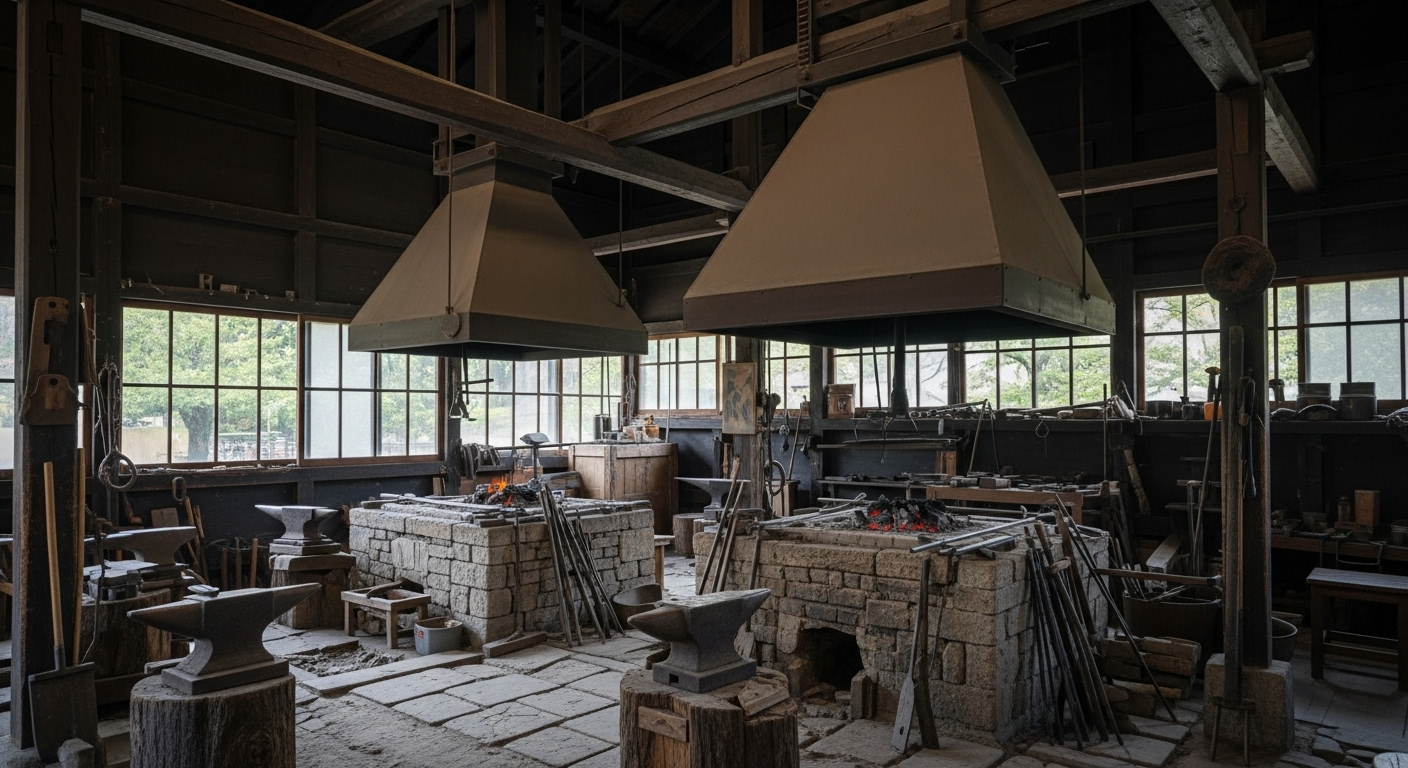
  • At Shiroyama Knife Workshop, Subzero Treatment is more than a technique—it is a philosophy of uncompromising quality. By combining carefully chosen steel with decades of artisanal expertise, they create blades that stand at the forefront of performance and tradition. Professional chefs worldwide praise their balance of precision, durability, and beauty.

  • Knife_forging_process
  • At KIREAJI, we proudly offer knives treated with Shiroyama’s Subzero Treatment. These are not simply cooking tools—they are precision instruments that elevate your culinary expression. Whether you’re a professional or an enthusiastic home cook, their sharpness and resilience will transform your cooking experience.

  • Enhance your kitchen with the perfect blend of Japanese tradition and advanced science—choose a knife crafted with Subzero Treatment.

Why do 98% of Japanese Chefs Use Knives from Sakai?

The secret lies in Sakai’sdivision of labor and fully handcrafted process.
This feature explores thetradition and artisan culturebehind Japan’s most trusted knives.
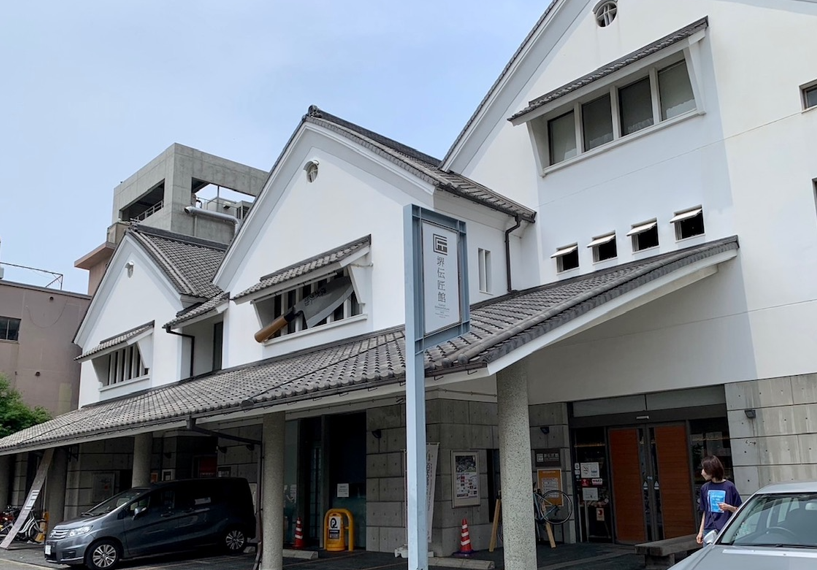
Why do 98% of Japanese Chefs Use Knives from Sakai City?

The 98% Statistic: A Trusted Source

The Sakai Tourism Bureau states that "98% of Japanese chefs use Sakai knives" in their articleAppeal of World Renowned Sakai Knives. This claim underscores the enduring reputation of Sakai craftsmanship.

Sakai City Official English Site

Sakai Uchihamono: The Ultimate Sharpness and Craftsmanship Forged by 600 Years of History

Sakai Uchihamono reflects a legacy of exquisite craftsmanship, embodying the art and tradition of blade-making in Sakai City through meticulous forging, sharpening, and handle attachment processes.

Sakai Uchihamono

Sakai's Declining Japanese Knife Craftsmen

Sakai's esteemed cutlery tradition, renowned for its sharpness and craftsmanship, is at risk with only a dozen blacksmiths remaining. Facing competition and declining interest, strategies such as exploring new markets and fostering youth interest are vital for survival. This situation underscores a broader challenge in cultural preservation. Supporting Sakai’s craftsmen is crucial to maintaining this legacy.

Sakai's Declining Japanese Knife Craftsmen
  • Chasing My Father's Shadow

    From a young age, I watched my father forge blades—his back straight, his focus unwavering, every strike filled with purpose. To me, it was more than work; it was a sacred ritual that breathed life into steel.

  • There were times I failed, times I doubted myself. Yet, whenever I felt lost, the image of my father’s back gave me strength to rise again.

  • Now, when customers say, “This knife inspires me,” I feel the greatest reward. I began by chasing my father, but through each blade I create, I’ve found my own pride—and a way to honor his legacy.

  • japanese_knife_made_in_Sakai

    1. Forged in the Legacy of Sakai

    From Sakai City—Japan’s renowned birthplace of professional kitchen knives—each blade is crafted by master artisans with over six centuries of tradition. Perfectly balanced, enduringly sharp, and exquisitely finished, every cut carries the soul of true craftsmanship.

  • 2. Thoughtful Care for Everyday Use

    Every knife includes a hand-fitted magnolia saya for safe storage. Upon request, we offer a complimentary Honbazuke final hand sharpening—giving you a precise, ready-to-use edge from day one.

  • 3. A Partnership for a Lifetime

    A KIREAJI knife is more than a tool—it is a lifelong companion. With our bespoke paid aftercare services, we preserve its edge and beauty, ensuring it remains as precise and dependable as the day it first met your hand.