


Q1. Can I use both sides of my cutting board?
Yes—if both sides are made of the same material. Rotating sides helps reduce stress on the board and prevents long-term warping.
Q2. Does the type of knife affect which cutting board I should use?
Not directly. It’s less about the steel and more about your cutting style. For heavy chopping or pounding, avoid delicate wooden boards and instead use plastic or softer synthetic boards designed for high-impact work. Wooden boards are best reserved for slicing and precision cutting.
Q3. My cutting board warped—can I fix it?
Sometimes. Minor warping on wooden boards may be corrected by planing or sanding the surface. However, warping can also indicate deeper structural issues. It’s best to consult your retailer or the manufacturer for advice. Consistent care—wiping dry and storing properly—is the best prevention.
Q4. There’s mold on my cutting board. What should I do?
For plastic boards, cleaning with diluted bleach and a thorough scrub usually removes mold effectively. For wooden boards, bleach should not be used, as it strips natural oils from the wood. Instead, mold can be removed by gently sanding or polishing the surface.
Q5. My cutting board is turning black. Is that normal?
Yes, this is especially common with wooden boards. For plastic boards, bleach usually restores the surface, while wooden boards can be refreshed by sanding or filing. In open kitchens, some chefs even choose black cutting boards because they conceal stains, though regular cleaning remains essential.
Q6. Can I sun-dry my cutting board?
Direct sunlight is not recommended. Rapid temperature changes and ultraviolet rays can cause wood to warp or crack. The safest approach is to wipe the board thoroughly and dry it indoors in a cool, well-ventilated space
Q7. My board has deep scratches—should I be worried?
Yes. Deep scratches can harbor bacteria and may even pose a risk of injury. To restore a safe surface, consider professional resurfacing, or sand and polish the board at home on a regular basis.
Q8. Is pouring boiling water on a board safe?
Occasionally pouring boiling water on a wooden board can help disinfect it, but frequent use may lead to warping and cracks. For plastic boards, boiling water should be avoided entirely, as it causes irreversible deformation.
Q9. Can I bleach my cutting board?
Bleach is safe for plastic boards. Wooden boards, however, should not be bleached because it removes natural protective oils. Instead, rubbing the surface with coarse salt or lemon and rinsing thoroughly is a safer method for wood.
Q10. How often should I disinfect my cutting boards?
Disinfecting regularly is highly recommended. A simple alcohol spray applied daily is effective for both wood and plastic. Stronger treatments such as bleach are not necessary every day but should be included periodically in your routine to ensure hygiene.
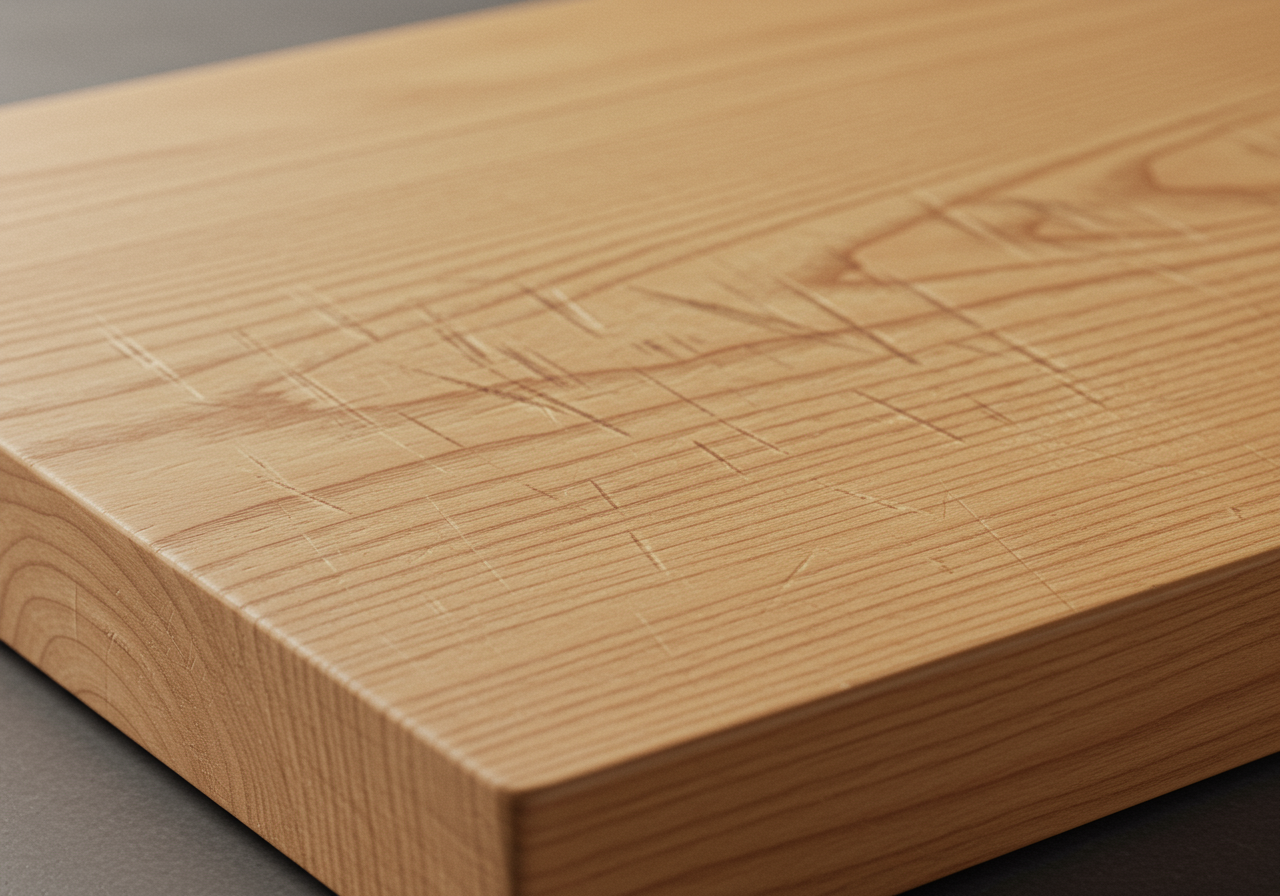
Before Using a Cutting Board
A well-chosen, well-cared-for cutting board protects your knife and keeps your kitchen hygienic. Learn how to prepare and maintain it before every use.
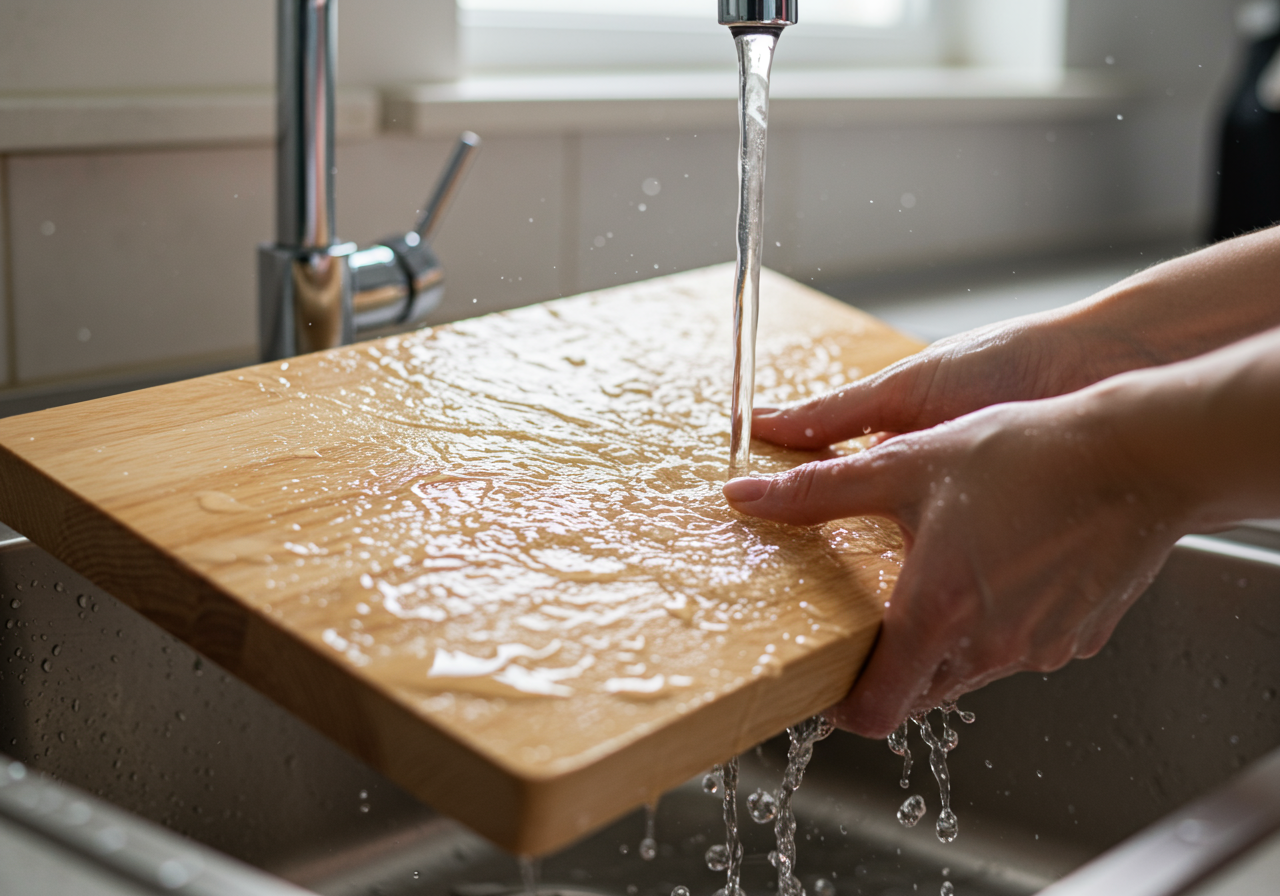
Daily Care of a Cutting Board
Like knives and whetstones, cutting boards need regular care. Because they touch every type of food, hygiene is vital, and issues like scratches or warping can shorten their life. By learning how to prevent and manage these problems, you can keep your board clean, safe, and long-lasting.
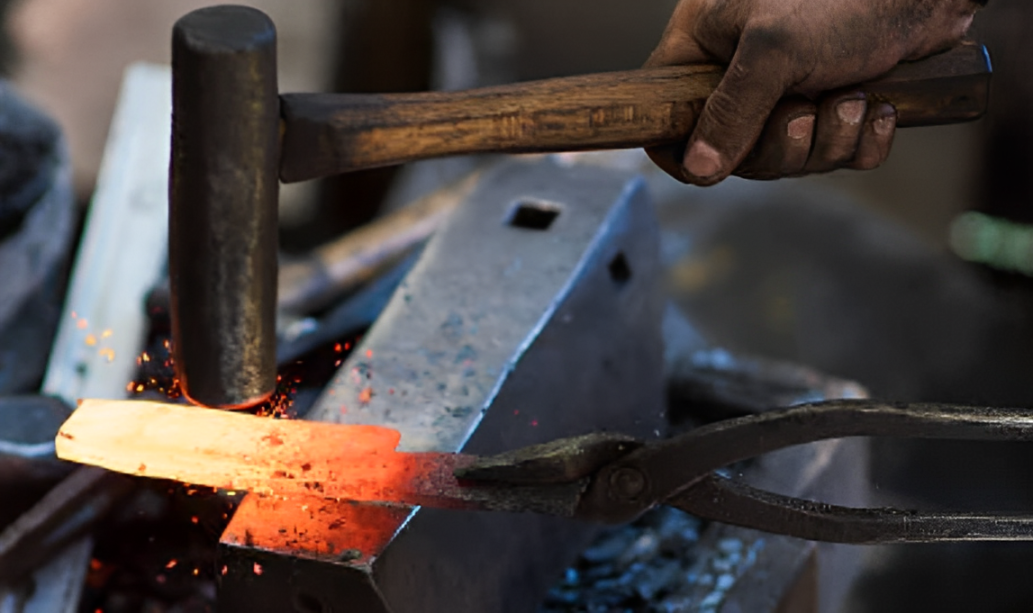

KIREAJI's Three Promises to You
-

1. Forged in the Legacy of Sakai
From Sakai City—Japan’s renowned birthplace of professional kitchen knives—each blade is crafted by master artisans with over six centuries of tradition. Perfectly balanced, enduringly sharp, and exquisitely finished, every cut carries the soul of true craftsmanship.
-

2. Thoughtful Care for Everyday Use
Every knife includes a hand-fitted magnolia saya for safe storage. Upon request, we offer a complimentary Honbazuke final hand sharpening—giving you a precise, ready-to-use edge from day one.
-

3. A Partnership for a Lifetime
A KIREAJI knife is more than a tool—it is a lifelong companion. With our bespoke paid aftercare services, we preserve its edge and beauty, ensuring it remains as precise and dependable as the day it first met your hand.


