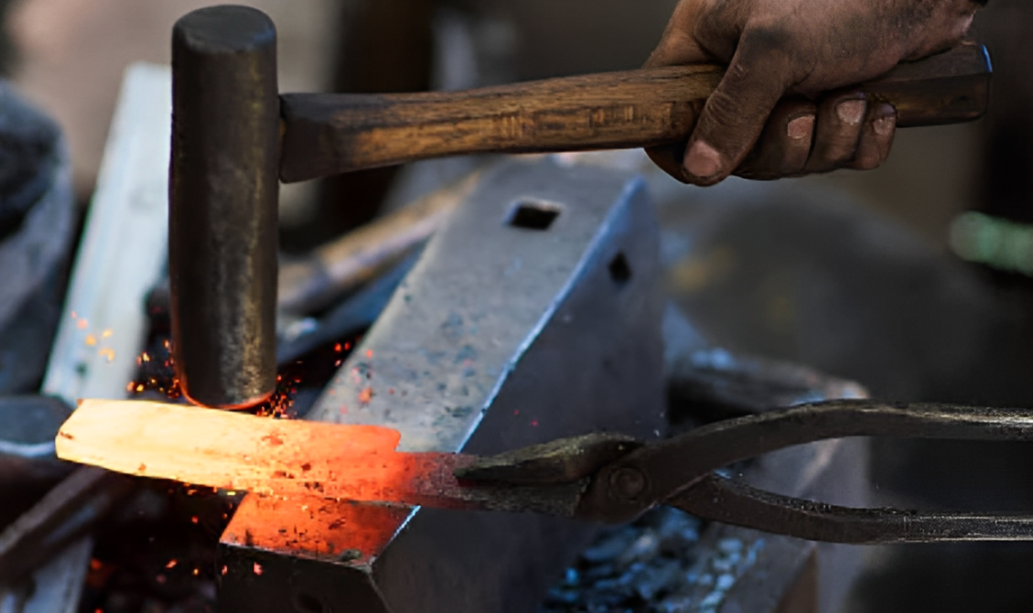
Reason 1: Specialization That Perfects Every Stage
-

Sakai’s knives are born from a division-of-labor system where each critical stage is executed by a different master:

-

The Bladesmith
Forges and shapes the blade’s profile and structure.
-

The Sharpener
Creates the cutting edge, often using a progression of many whetstones for micro-level precision.
-

The Handle Maker
Fits, balances, and aligns the handle for lasting comfort and control.


Reason 2: Handcraftsmanship at Every Step

Why Sakai Knives Stand Above the Rest: The Craft Behind Japan’s Most Trusted Blades
-
 Source (98% data): Sakai Tourism Bureau
Sakai’s strength lies in a craft built over centuries—where each blade is created by multiple masters, each perfecting one essential stage.
This division of mastery produces knives with a sharpness, balance, and soul that mass production can never replicate.*

-

Why Urasuki Exists
The urasuki reduces the surface area of the blade that comes into contact with food. This:
- Minimizes friction, allowing smoother cuts.
- Prevents food from sticking to the blade.
- Enables extremely thin, precise slicing without tearing or crushing the food’s cellular structure.
For Japanese cuisine — especially when preparing sashimi — this means a cleaner cut that preserves both the flavor and presentation of the ingredient.
-

Why Machines Can’t Replicate It
Creating urasuki requires skilled handcraftsmanship.
The curvature must be perfectly even from heel to tip, with subtle variations depending on the knife type and intended use.
Any inconsistency will cause uneven cuts or poor food release.
Machines can grind a flat surface, but achieving the urasuki’s precise, shallow concavity demands decades of experience and a craftsman’s trained eye. -

The Sakai Difference
In other knife-making regions, such as Sanjo and Seki, double-edged knives for household use are more common.
Their symmetrical profiles are well-suited to machine production.
By contrast, Sakai’s single-bevel knives require deep knowledge of steel composition, heat treatment, and sharpening angles — expertise that only seasoned artisans possess. -

The deba knife, for instance, originated in Sakai. Its thick spine and robust construction make it ideal for cutting through bones, while its edge is refined enough for delicate fish filleting. This balance of strength and precision is deeply tied to Sakai’s centuries-old craftsmanship.


The Hidden Engine of Precision: Understanding the Urasuki
-
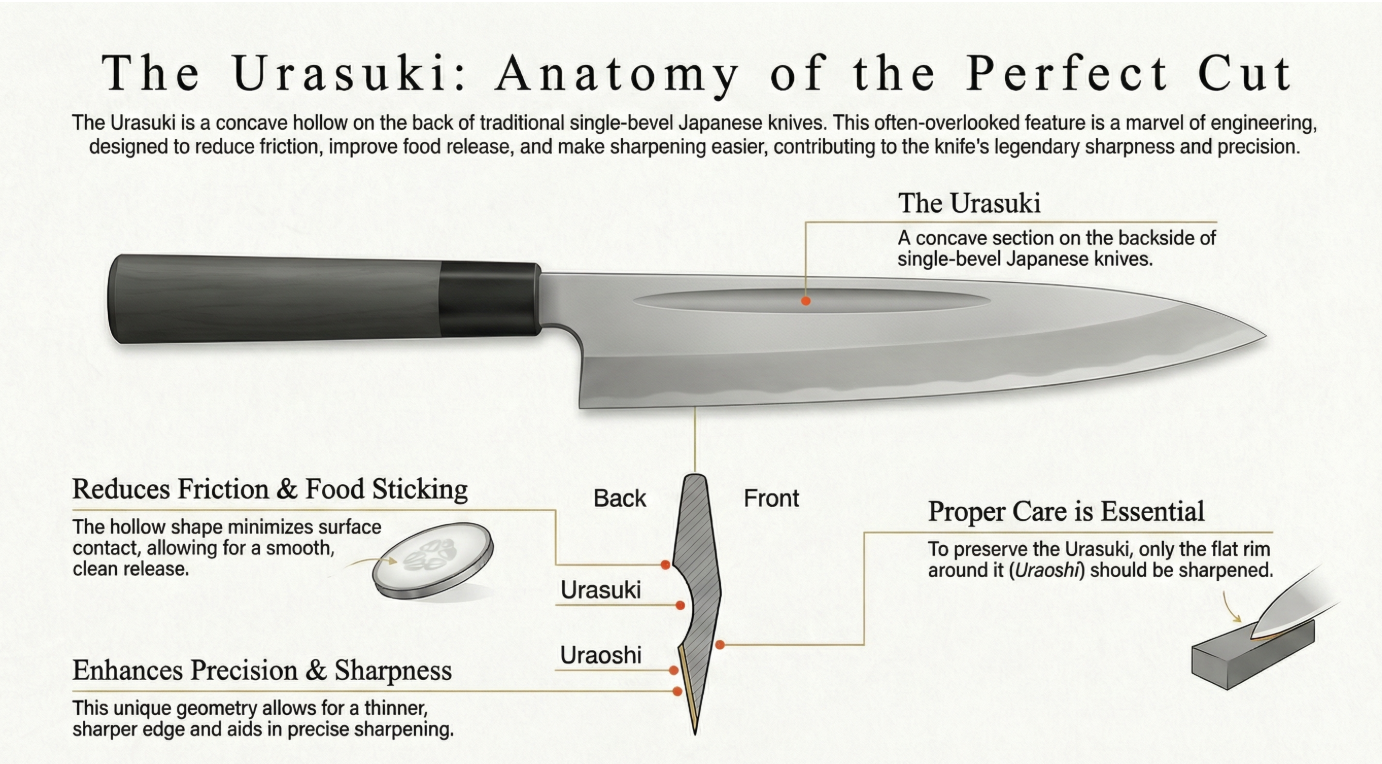
The urasuki is one of the most important—and least understood—elements of a traditional single-bevel Japanese knife.
This subtle concave hollow on the backside dramatically reduces friction, improves food release, and makes sharpening easier and more precise.Its engineered geometry supports a thinner, sharper cutting edge and is a key contributor to the knife’s legendary performance.
To maintain this structure, only the surrounding flat rim (uraoshi) should be sharpened—preserving the urasuki and ensuring the blade performs at its highest potential.
Ⅱ. Sakai Knives: Where Six Centuries of Tradition Meet Modern Precision
-

-

-

The Passion Behind Every Blade
For Sakai’s artisans, these knives are more than tools — they are a legacy.
Each blade carries the pride of a craft honed over centuries, refined with care, and trusted by chefs across the globe.


01. What makes Sakai forged knives special?
The defining feature of Sakai forged knives is their "single-bevel design." While double-bevel knives are the standard around the world, Sakai knives have a sharp, acute edge, resulting in a clean and precise cut. The smooth, beautiful cross-sections they produce allow you to cut even delicate ingredients like sashimi without damaging fibers or cell membranes. This helps preserve the flavor inside the ingredients and maintains their texture.
02. Why do Sakai forged knives have such good sharpness?
Sakai knives are traditionally made using a "forging" process that combines soft iron (jigane) with steel (hagane) for the blade. This single-bevel design requires far more effort and craftsmanship compared to mass-production methods like pressing and stamping. However, this results in a stronger, more resilient blade that resists chipping and retains its sharpness for a long time.
03. What makes Sakai forged knives durable?
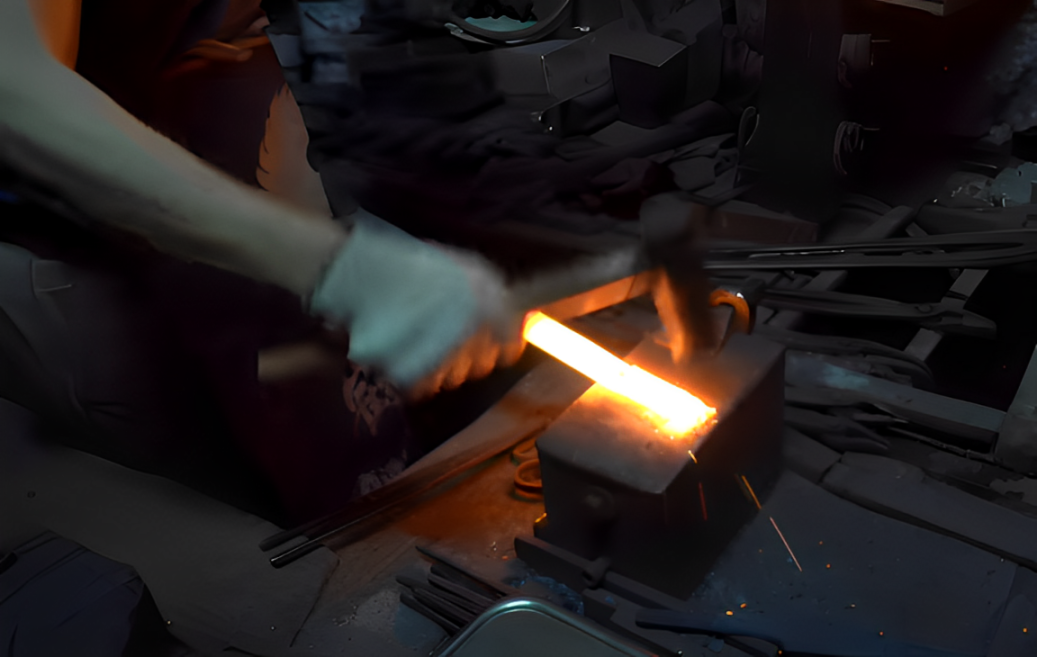
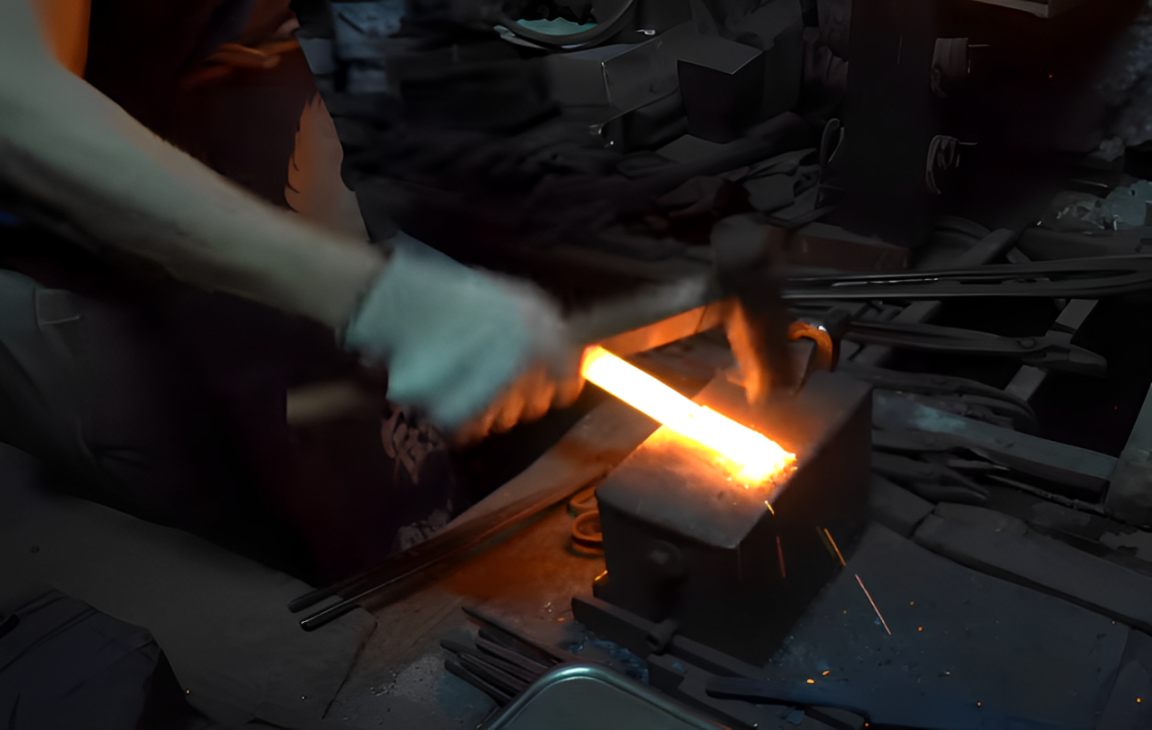
In Sakai forged knives, the combination of hard steel (hagane) and softer iron (jigane) gives them both strength and flexibility. The blades are heated in a furnace and repeatedly hammered to densify the metal structure, creating knives with exceptional sharpness and durability.
04. Why do professionals use knives made in Sakai?
The tradition of knife-making in Sakai has long been based on a division of labor, with separate specialists responsible for forging (tanzō), blade sharpening (hatsuke), and handle attachment (etsuke). Each knife is carefully crafted by hand, and their unmatched sharpness and beauty have made them popular among professional chefs worldwide.
05. What challenges do Sakai forged knives face?
Although Sakai forged knives boast 600 years of tradition, they are currently facing challenges due to a shortage of skilled craftsmen. With an aging workforce and a chronic lack of labor, there is a pressing need to train young artisans to ensure these traditional techniques are passed down to future generations.
06. What is the market share of Sakai forged knives?
Sakai City is known as one of Japan’s three major knife production areas. Sakai forged knives, made using the traditional division of labor between blacksmiths (fire forging) and sharpeners (blade finishing), are especially renowned. It’s estimated that knives used by professional chefs in Japanese cuisine account for around 90% of the domestic market share.
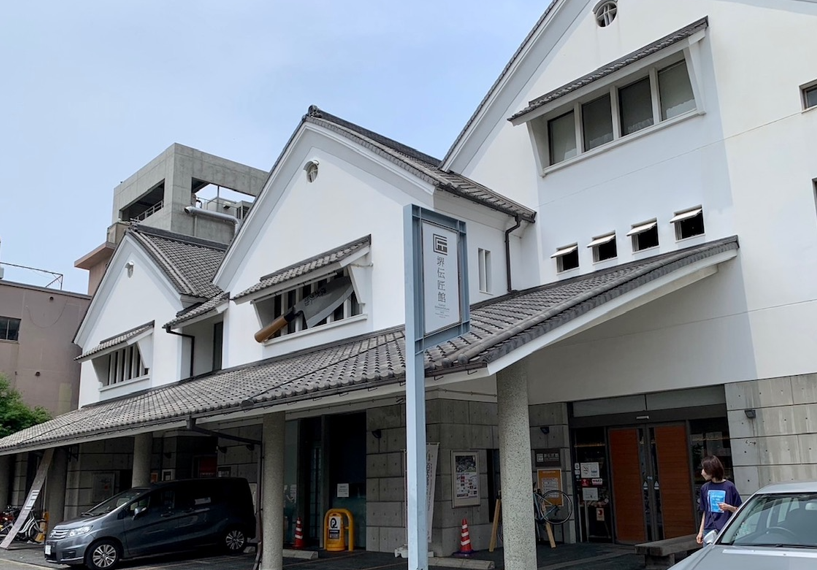
The 98% Statistic: More Than a Number
According to the Sakai Tourism Bureau, “98% of Japanese chefs use Sakai knives.” This figure isn’t just a claim—it reflects the deep trust chefs place in Sakai’s centuries-old craftsmanship.

The Master Craftsmen of Sakai Uchihamono
In Sakai, centuries-old techniques are carried forward by government-certified Traditional Craftsmen. Each knife is not just a tool but a living symbol of tradition, precision, and spirit—kept alive through their hands.

Sakai Uchihamono: 600 Years of Sharpness and Mastery
From forging to sharpening to handle making, every step in Sakai Uchihamono reflects a tradition perfected over six centuries—crafting blades renowned for their ultimate sharpness and artistry.

Sakai’s Dwindling Masters: A Legacy at Risk
Once the heart of Japan’s finest cutlery, Sakai now has only a handful of blacksmiths left. With rising competition and fading interest among the young, new markets and fresh apprentices are vital to survival. Supporting these craftsmen means safeguarding a 600-year cultural legacy.