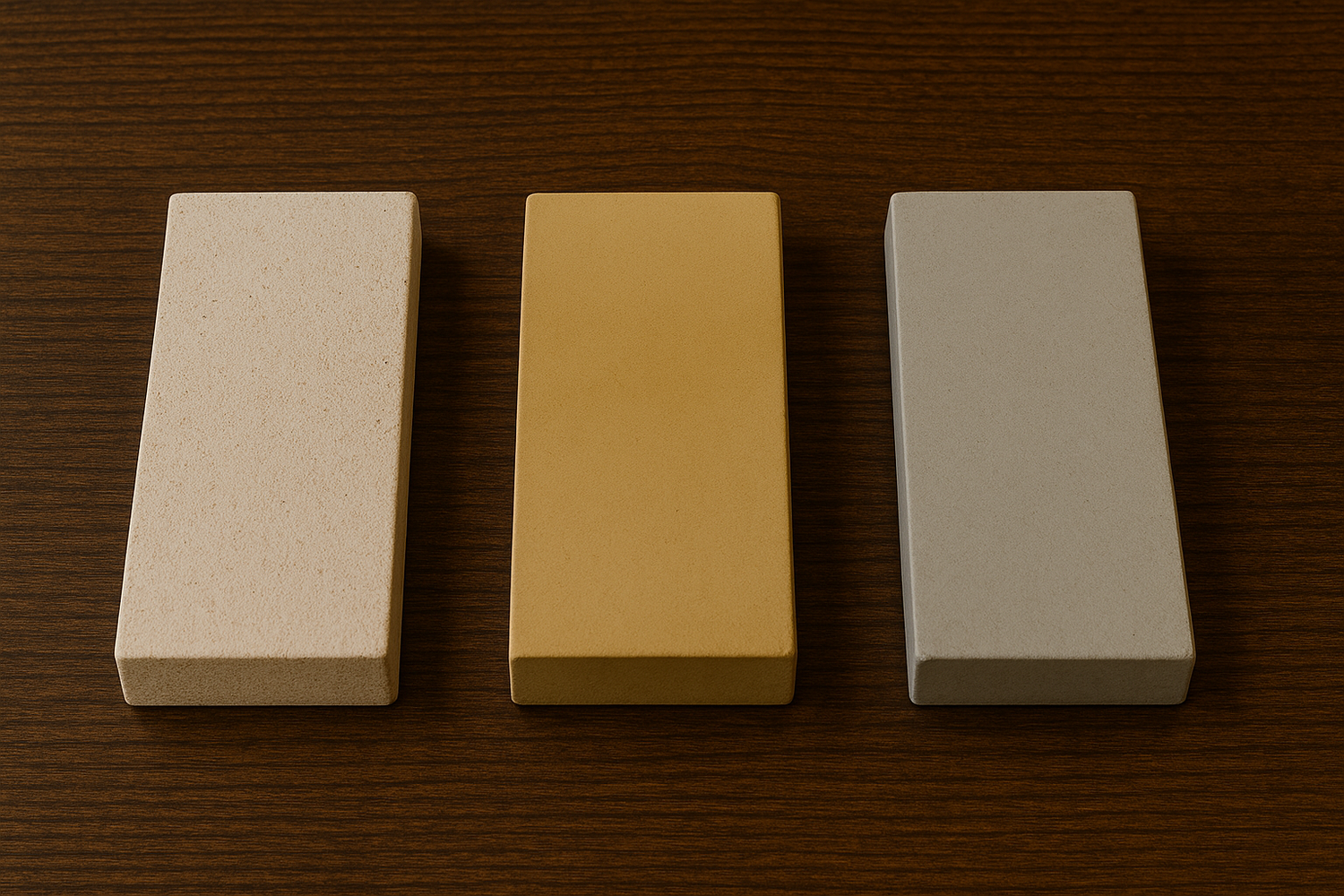
• Your Whetstone, Your Knife’s Best Partner

    A sharp knife depends on a healthy whetstone.
    But did you know that your whetstone also needs care? Without proper maintenance, it can warp, dent, or lose its effectiveness—leaving your knives dull no matter how well you sharpen.

    In this video, we’ll show you the essential daily habits to keep your whetstone flat, clean, and long-lasting. From rinsing and drying to proper storage, discover how simple care can transform your whetstone into a reliable partner that keeps your knives razor-sharp for years.

  • A sharp knife begins with a healthy whetstone. Just like blades can rust, whetstones face their own risks—chiefly warping and denting. With the right daily care, your stone will stay flat, clean, and ready to deliver precise sharpening for years to come.

  • 1. Keep It Flat

    The golden rule of whetstone care is maintaining a flat surface. If the stone warps or dips, even the best sharpening technique will produce a distorted edge.

    • Check regularly: Look for unevenness before sharpening.
    • Flatten when needed: Use refacing tools such as vitrified wheels (affordable but wear out) or diamond wheels (more expensive but long-lasting).
  • 2. Rinse After Every Use

    Each sharpening creates grit—a mix of stone and metal particles. If left behind, this residue clogs the surface and can even rust inside the stone. Rinse thoroughly with water after every session, whether sharpening or resurfacing, to keep the surface clean and effective.

  • 3. Store It Right

    Properly storing your whetstone after use is crucial to maintaining its condition. Here are the steps for proper storage:

    1. Rinse thoroughly after use.
    2. Air-dry naturally in a shaded, ventilated place—avoid direct sun and sudden heat changes.
    3. Wrap properly in newspaper or breathable cloth if no case is available (especially for magnesia stones, which dislike water).
    4. Store in a dry space just like knives and cutting boards.
  • With these habits, your whetstone will remain a reliable partner—ensuring your knives are always sharpened to perfection.

  • Your Whetstone’s Health Determines Your Knife’s Future

    A sharp knife depends on a healthy whetstone.
    By keeping the stone flat, clean, and dry, you preserve its cutting power — and ensure your knife performs the way a Japanese blade should.

Is Whetstone Maintenance Really Necessary?

  • A sharp knife begins with a healthy whetstone. While stones don’t demand daily care like knives, the way you store and maintain them makes the difference between years of reliable use and sudden cracks or dull, uneven sharpening.

  • Preventing Cracks — The Biggest Risk

    Have you ever heard of a whetstone splitting in half? It happens more often than you think. Whetstones, especially natural ones, are extremely sensitive to moisture and temperature changes. The simplest daily habits can prevent irreversible damage:

    • Dry completely after each use — wipe away moisture and let it air dry fully.
    • Avoid direct sunlight — rapid drying causes cracks.
    • Keep in stable conditions — sudden humidity or temperature changes weaken the stone.
    • Store individually — stacking stones adds pressure that can lead to breakage.
  • To Soak, or Not to Soak?

    Not all whetstones are the same. Their manufacturing method determines whether soaking is beneficial—or harmful.

    • Soak-friendly: Vitrified whetstones, fired at high temperatures, gain sharpening efficiency when water fills their pores.
    • Do not soak: Magnesia and resinoid whetstones can deteriorate if submerged, as water weakens their bonding agents.
  • Preventing Clogging for Smooth Sharpening

    Over time, a whetstone may feel too smooth, refusing to “bite” into the blade. This clogging comes from metal debris filling the surface. To restore performance:

    • Rub stones together to refresh the abrasive surface.
    • Use a dressing stone designed to clear clogged particles.
  • In Summary

    Caring for your whetstone isn’t complicated, but it’s essential.

    • Prevent cracks with mindful storage.
    • Know whether your stone should be soaked.
    • Refresh the surface to avoid clogging.


    With these simple steps, your whetstone will last longer—and your knives will stay razor-sharp.

  • Whetstone Longevity Guide Simple Habits That Protect Performance

    A whetstone lasts longest when it is stored carefully, matched to the right soaking method, and kept free of clogging.
    Avoid heat shocks and stacking, soak only the stones designed for it, and refresh the abrasive surface whenever it feels smooth.
    These habits ensure consistent sharpening performance and extend your stone’s life for years.

Types of Whetstones

Owning a fine knife means choosing the right whetstone to care for it. From coarse to finishing stones, each plays a role in sharpening and maintenance. Understanding their differences helps you keep your blade at peak performance and know how often to use each one.

Types of Whetstones
  • Continuing to use a dull knife is nothing short of limiting your potential to develop proper skills.

    From the perspective of a traditional craftsman, tools are not just instruments—they are partners in refining technique. When a knife loses its sharpness, no matter how carefully it is used, achieving precise cuts becomes nearly impossible. Over time, this can lead to the unintended development of poor habits, such as unnatural force application or unstable motions, while the opportunity to learn correct techniques slips away.

  • A knife is like a mirror reflecting the skill of its user. With a sharp knife, you can cut precisely with minimal effort, allowing your hands to move naturally and efficiently. This not only brings out the enjoyment and depth of cooking but also fosters skill development as you engage with your craft more intuitively.

  • "When tools are in perfect condition, skills are sharpened as well." This belief lies at the heart of our craft. A dull knife isn’t just inconvenient; it’s an obstacle that hinders your growth. Take a moment to restore your knife’s sharpness. From that moment, you’ll notice your cooking experience begin to transform—new discoveries and the joy of improvement await you on this journey.

After-Sales Service

  • A knife is more than a tool — it’s a lifelong partner in your kitchen.

    At KIREAJI, we stand behind every blade we craft. That’s why we offer dedicated after-sales service to ensure your knife stays sharp, strong, and beautiful for years to come.
    Whether it’s routine maintenance or expert repair, your knife returns to the same hands that forged it — the master artisans at Shiroyama Knife Workshop in Sakai, Japan.
    Because true craftsmanship doesn’t end at the sale — it continues, as part of your culinary journey.