

Visitez l'atelier de couteaux Shiroyama à Sakai
-

Pourquoi la vision est importante
Il existe une forme de compréhension qui ne s'acquiert que par l'expérience directe : être présent dans un lieu, manipuler les objets qui y sont fabriqués et voir l'environnement dans lequel travaillent des artisans qualifiés.
Lorsque vous visitez l'atelier de couteaux Shiroyama à Sakai, vous n'entrez pas dans une salle d'exposition conventionnelle ou une attraction touristique. Vous visitez un atelier de couteaux en activité dans une ville qui produit des lames depuis plus de six cents ans.
Les traditions qui ont contribué à façonner la cuisine professionnelle japonaise y sont encore pratiquées aujourd'hui par des personnes qui ont consacré leur vie professionnelle à cet artisanat.
En fonction des activités de l'atelier et de la disponibilité au moment de votre visite, vous pourrez peut-être voir des couteaux à différents stades de fabrication. Vous aurez peut-être aussi l'occasion d'examiner les lames avant que leurs manches ne soient ajustés et de mieux comprendre pourquoi chaque étape de la production est importante.
Par-dessus tout, vous pourrez tenir d'authentiques couteaux de Sakai et découvrir des détails que les spécifications et les photographies ne peuvent pas entièrement communiquer : l'équilibre, le poids, le profil, la finition et la sensation du couteau dans votre propre main.
Cette expérience directe reste souvent avec les visiteurs longtemps après leur départ.
Vous serez aussi simplement à Sakai, une ville qui a une confiance tranquille en ce qu'elle fabrique. Ce n'est pas une destination créée pour le tourisme. C'est un lieu où l'artisanat sérieux se perpétue depuis des générations, et cette histoire se ressent dans l'atelier, les outils, les matériaux et les couteaux eux-mêmes.
-

Déroulement de la visite
Il ne s'agit pas d'un cours pratique de fabrication ou d'affûtage de couteaux, ni d'une visite touristique structurée avec un itinéraire fixe.
Il s'agit d'une visite personnelle d'un atelier de coutellerie en activité, organisée par KIREAJI pour les clients qui souhaitent voir et manipuler d'authentiques couteaux de Sakai et qui envisagent éventuellement d'en acheter un.
L'atelier de coutellerie Shiroyama accueille généralement les visiteurs entre 9h00 et 13h00. Les visites ne sont généralement pas possibles les jeudis et dimanches. Les visites les autres jours, y compris les samedis, sont soumises à une consultation et une confirmation préalables avec l'atelier.
L'atelier suit le rythme d'un atelier artisanal actif plutôt que celui d'un magasin de détail. Le travail en cours dans l'atelier passe toujours en premier, c'est pourquoi toutes les visites doivent être organisées et confirmées à l'avance.
La visite est gratuite et il n'y a aucune obligation d'acheter un couteau.
Certains visiteurs trouvent le couteau qu'ils recherchaient, tandis que d'autres acquièrent simplement une meilleure compréhension de ce qui pourrait leur convenir à l'avenir.
La durée et le contenu de chaque visite varient en fonction des intérêts du visiteur, de ses questions et des types de couteaux qu'il souhaite examiner. Pour cette raison, il n'y a pas d'itinéraire fixe ni de durée standard.
Si vous souhaitez demander une visite, veuillez contacter KIREAJI via notre formulaire de contact et indiquer deux ou trois dates préférées. La disponibilité dépendant du calendrier de production de l'atelier, nous vous recommandons d'inclure des dates autres que les jeudis et dimanches lorsque cela est possible.
Nous vous demandons également de nous indiquer, le plus précisément possible, les types de couteaux que vous souhaitez voir. Les informations utiles peuvent inclure :
- Type de couteau, tel que Yanagiba, Gyuto, Deba, Fuguhiki ou un autre style
- Longueur de lame préférée
- Acier préféré, tel que Ginsan, acier blanc, acier bleu ou un autre matériau
- Si vous êtes intéressé par le Honyaki
- Usage prévu
- Si vous êtes droitier ou gaucher
Connaître vos préférences à l'avance nous permet de coordonner avec l'atelier et, si possible, d'identifier les couteaux appropriés que vous pourrez examiner lors de votre visite.
Veuillez comprendre que l'atelier de coutellerie Shiroyama est géré par une petite équipe et est avant tout un atelier artisanal en activité. Des couteaux spécifiques, des artisans, des étapes de production ou des activités de l'atelier ne peuvent être garantis le jour de votre visite.
En particulier, certains couteaux – tels que les couteaux à simple biseau pour gauchers, certains aciers, tailles ou spécifications spécialisées – peuvent avoir une disponibilité limitée ou nécessiter un temps de production considérable. Partager vos préférences avec nous à l'avance nous permet de vérifier auprès de l'atelier avant votre visite et aide à éviter les déceptions lorsque cela est possible.
Une fois que nous aurons reçu vos dates préférées et vos intérêts en matière de couteaux, KIREAJI consultera directement l'atelier de coutellerie Shiroyama et vous fera savoir si une visite peut être organisée et quels couteaux peuvent être disponibles pour vous.
-

Le couteau que vous voyez en personne est peut-être le couteau que vous ramènerez chez vous
Il y a une autre dimension à la visite de l'atelier qui mérite d'être mentionnée.
Lorsque vous tenez un couteau en personne, vous êtes dans la meilleure position possible pour comprendre s'il vous convient.
Vous pouvez sentir l'équilibre, examiner la finition à la lumière naturelle, comparer les profils et les longueurs de lame, et remarquer des détails subtils qu'il est difficile de juger à travers un écran.
Certains visiteurs arrivent avec une idée claire du couteau qu'ils veulent. D'autres découvrent qu'un style, un acier, une taille ou un profil différent leur semble plus naturel qu'ils ne l'avaient imaginé.
L'atelier peut également avoir des couteaux qui ne sont pas actuellement répertoriés sur le site web de KIREAJI. Selon la disponibilité, ces couteaux peuvent être examinés et discutés pendant la visite.
Le but de la visite n'est pas simplement de voir ce qui est disponible. Il s'agit de vous aider à développer une compréhension plus éclairée du couteau qui pourrait vraiment répondre à vos besoins.
Vous êtes les bienvenus sans aucune obligation d'achat.
Cependant, lorsqu'un couteau particulier vous semble juste en main, la visite de l'atelier peut également vous donner la confiance nécessaire pour prendre une décision que les photographies seules ne pourraient pas fournir.


Formulaire de contact
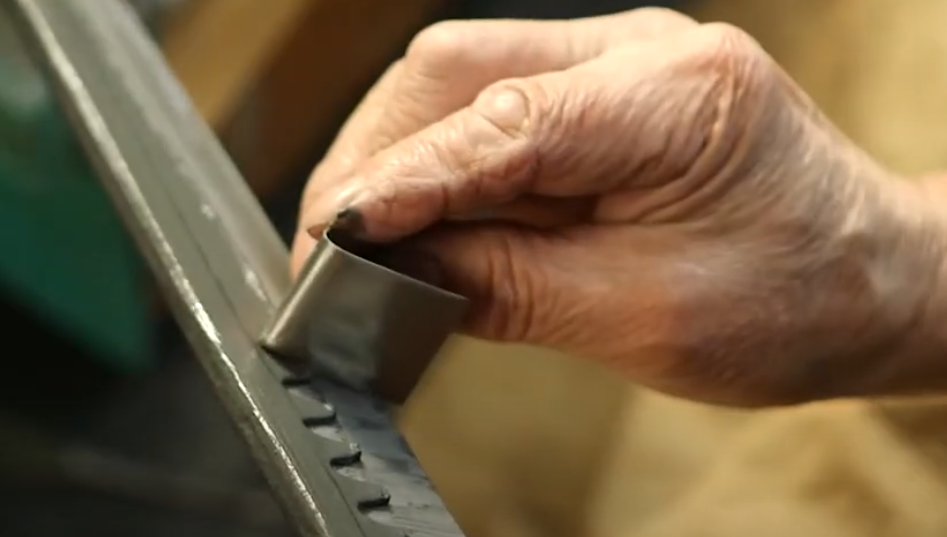
Pourquoi de plus en plus d'amateurs de couteaux découvrent Sakai
-

Des changements en vue dans Sakai
En octobre 2024, Hideki Nagafuji, maire de la ville de Sakai, a fait part d'une évolution intéressante.
Les ventes au Musée des arts et métiers traditionnels de Sakai avaient atteint environ 182 millions de yens pour l'exercice 2023, dépassant considérablement le record précédent.
Mais le chiffre en lui-même n'était pas le plus intéressant.
Le maire a spécifiquement noté que la ville avait entendu des rapports indiquant que davantage de visiteurs étrangers achetaient des couteaux de grande valeur au musée.
À ce stade de l'exercice 2024, les ventes continuaient de dépasser celles des mêmes mois de l'année précédente, atteignant environ 1,3 fois le niveau de l'exercice 2023.
Cela nous dit quelque chose d'important.
L'intérêt international pour les couteaux de Sakai ne se limite plus à les voir en ligne ou à les acheter à l'étranger.
Pour certains voyageurs, Sakai elle-même fait partie de l'expérience.
-

La ville de Sakai capitalise désormais sur cette expérience
Cela ne se produit pas seulement par l'intermédiaire de voyageurs individuels.
La ville de Sakai elle-même intègre de plus en plus l'artisanat traditionnel à l'expérience des visiteurs de la ville.
Son nouveau Plan de base de la ville de Sakai 2030 appelle spécifiquement à créer davantage d'opportunités pour les gens de découvrir directement les compétences des artisans par des visites de sites de production et des expériences artisanales pratiques.
La ville a également l'intention de renforcer les liens entre les industries traditionnelles, les installations touristiques et les attractions culturelles afin d'encourager les visiteurs à venir à Sakai et à explorer davantage la ville.
C'est un changement important.
Les industries traditionnelles ne sont plus considérées uniquement comme des choses à préserver ou des produits à vendre.
Elles deviennent une des raisons de visiter Sakai.
-

Que recherchent réellement les visiteurs étrangers ?
Peut-être ne voyagent-ils pas seulement pour un couteau.
Car si l'objectif était uniquement de posséder un couteau japonais bien aiguisé, il n'y aurait aucune raison de parcourir des milliers de kilomètres.
D'excellents couteaux japonais peuvent déjà être achetés partout dans le monde.
Ce que Sakai offre est quelque chose de différent :
la proximité.
La proximité avec l'atelier.
La proximité avec l'artisan.
La proximité avec la culture qui a créé l'objet.
Il y a quelque chose de puissant à voir d'où vient un outil.
Vous commencez à poser des questions auxquelles les spécifications seules ne peuvent répondre.
Qui a forgé ceci ?
Qui l'a affûté ?
Qui leur a appris ?
Depuis combien de temps cet atelier fait-il cela ?
Que représente cette lame dans la grande tradition de Sakai ?
Ces questions transforment le shopping en compréhension.
-

Le meilleur souvenir n'est peut-être pas le couteau
Imaginez que vous visitez Sakai et que vous rentrez chez vous avec un couteau.
Des années plus tard, vous avez peut-être oublié de nombreux détails du voyage.
Le nom d'un restaurant.
Une gare.
L'itinéraire que vous avez parcouru cet après-midi-là.
Mais le couteau reste dans votre cuisine.
Vous le prenez chaque semaine.
Peut-être tous les jours.
Et chaque fois que vous le faites, vous vous rappelez quelque chose sur son origine.
Un atelier.
Les mains d'un artisan.
Le son d'une pierre à aiguiser.
Les rues de Sakai.
Le couteau devient un lien physique entre un voyage et la vie quotidienne.
C'est un souvenir d'un genre très différent.
-

Pourquoi c'est important pour KIREAJI
Tous ceux qui aiment les couteaux japonais ne peuvent pas se rendre à Sakai.
Pour quelqu'un qui vit au Canada, aux États-Unis, en Europe, en Australie ou ailleurs, Sakai peut se trouver à des milliers de kilomètres.
Mais nous pensons que le lien avec le lieu ne doit pas disparaître simplement parce que le client ne peut pas s'y rendre.
Chez KIREAJI, les couteaux ne sont pas d'abord acheminés vers un entrepôt KIREAJI distinct avant d'être expédiés.
Ils sont expédiés directement de l'atelier de couteaux Shiroyama à Sakai aux clients du monde entier.
Le chemin est simple :
Sakai → Votre cuisine.
Pour nous, c'est plus qu'une méthode d'expédition.
Cela fait partie de la transparence.
Le voyage du couteau vers le client commence dans la même ville dont les artisans et les ateliers lui donnent son identité.
Vous ne pourrez peut-être pas vous rendre à Sakai vous-même.
Mais le couteau peut toujours venir directement de là jusqu'à vous.
-

Peut-être les gens voyagent-ils pour quelque chose de plus grand qu'un couteau
Quand quelqu'un dit :
« Je veux aller à Sakai pour acheter un couteau »,
ce qu'il veut peut-être dire en réalité, c'est :
« Je veux savoir d'où il vient. »
« Je veux découvrir la culture qui le sous-tend. »
« Je veux que l'objet que j'achète ait une histoire que je puisse comprendre. »
Des données récentes de la ville de Sakai suggèrent qu'un nombre croissant de visiteurs étrangers y effectuent déjà des achats significatifs de couteaux.
La future stratégie de la ville va plus loin, reliant délibérément l'artisanat, les expériences d'atelier, le tourisme et les marchés internationaux.
Et les précédentes recherches nationales sur le tourisme ont montré que les visiteurs internationaux réagissaient fortement lorsqu'on leur donnait l'occasion de découvrir de première main la fabrication des couteaux de Sakai.
Pris ensemble, ces développements racontent une histoire captivante.
Les couteaux de Sakai n'atteignent plus le monde uniquement par le biais des exportations.
Le monde commence aussi à se rapprocher de Sakai.
Et c'est peut-être exactement ce qui devrait se passer avec un artisanat vivant.
Parce que parfois, pour vraiment comprendre un objet, il faut comprendre l'endroit qui l'a rendu possible.
Connaître le lieu. Connaître le fabricant. Connaître le couteau.


À propos de l'atelier de couteaux Shiroyama
Découvrez la philosophie, l'histoire et l'approche directe au client qui définissent l'atelier de couteaux Shiroyama depuis près de quatre décennies.

Œuvres culturelles de Sakai
Des couteaux japonais extraordinaires créés au plus haut niveau de l'artisanat de Sakai.
Présentant une œuvre culturelle rare forgée, affûtée et achevée par des maîtres artisans — sélectionnés comme prix du championnat national de sushi du Japon prévu pour juin 2026.
Exclusivement disponible via KIREAJI.

Quand les maîtres sushis choisissent leur prix
Découvrez pourquoi un couteau artisanal de l'atelier Shiroyama Knife à Sakai a été choisi comme prix du championnat pour un concours professionnel de sushi au Japon. Explorez le lien entre l'artisanat du sushi, la tradition de division du travail de Sakai et l'esprit de l'artisanat japonais.

Les maîtres artisans de Sakai Uchihamono
À Sakai, des artisans traditionnels certifiés par le gouvernement perpétuent des techniques ancestrales. Chaque couteau n'est pas un simple outil, mais un symbole vivant de tradition, de précision et d'esprit, perpétué par leurs mains.
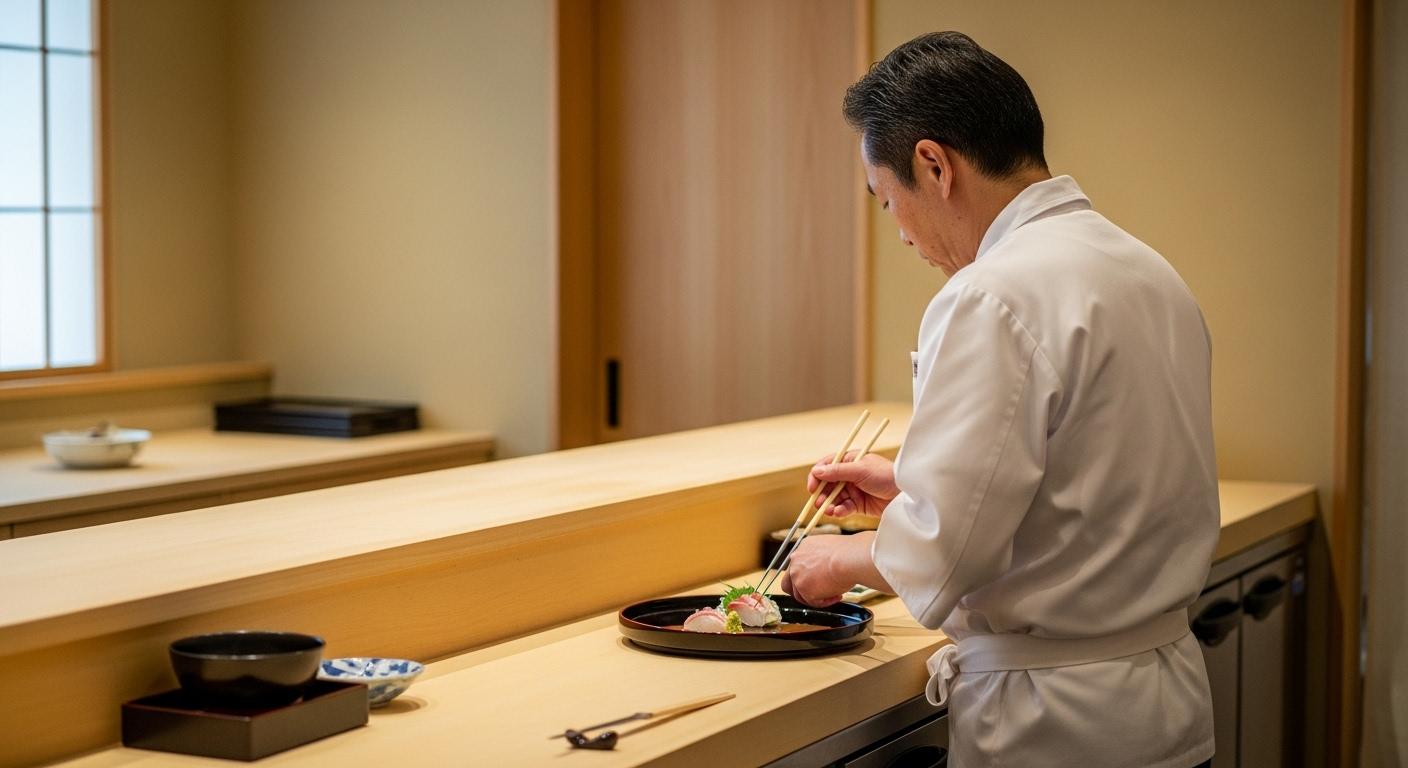
Pourquoi 98 % des chefs japonais font-ils confiance aux couteaux Sakai ?
Depuis plus de 600 ans, Sakai perfectionne un savoir-faire unique où chaque étape – forge, affûtage, finition – est maîtrisée par des spécialistes. Cette tradition fait de Sakai le berceau des couteaux les plus réputés du Japon.
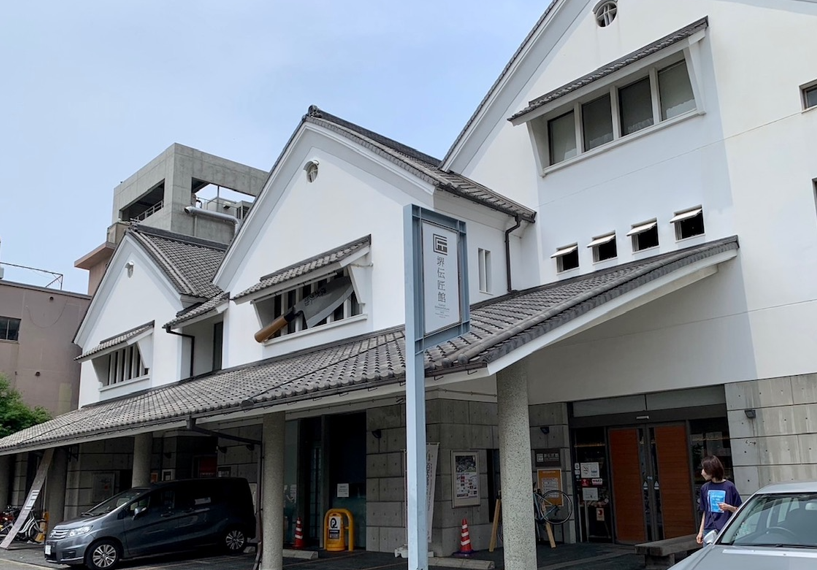
La statistique des 98 % : plus qu'un chiffre
Selon l'Office du tourisme de Sakai, « 98 % des chefs japonais utilisent des couteaux Sakai ». Ce chiffre n'est pas une simple affirmation : il reflète la confiance profonde que les chefs accordent au savoir-faire séculaire de Sakai.

Ce qui ne peut être copié : la signification des couteaux Sakai
La technologie et le design peuvent être copiés, mais le sens, lui, ne le peut pas .
Si de nombreux couteaux imitent l'apparence des lames japonaises, les authentiques couteaux de Sakai, au Japon, incarnent plus de 600 ans de savoir-faire et de patrimoine culturel . À travers KIREAJI, nous partageons la signification de ces couteaux et invitons le monde entier à découvrir, utiliser et partager l'esprit de Sakai.