

Qui fabriquera les couteaux de Sakai dans 20 ans ?
-

Une tradition coutelière bâtie par les gens
Les couteaux de Sakai sont souvent décrits à travers leurs matériaux et leurs techniques : acier au carbone ou acier inoxydable, forgeage, traitement thermique, affûtage, polissage.
Mais ces techniques n'existent pas de manière indépendante.
Elles existent parce que des gens savent comment les mettre en œuvre.
La tradition coutelière de Sakai dépend particulièrement d'artisans spécialisés. Plutôt qu'une seule personne réalisant nécessairement toutes les étapes de fabrication d'un couteau, différents spécialistes peuvent être responsables du forgeage, de l'affûtage, du montage du manche et d'autres processus.
Le savoir impliqué ne se transmet pas simplement en conservant un vieux couteau ou en enregistrant une procédure de fabrication.
Une grande partie doit être apprise par une pratique répétée — observer, essayer, faire des erreurs, ajuster et travailler aux côtés de personnes qui ont passé des années à développer leurs compétences.
Cela rend la question de la succession fondamentale pour l'avenir des couteaux de Sakai.

-

Découvrir où les couteaux de Sakai sont réellement fabriqués
Un détail du programme est particulièrement significatif pour nous chez KIREAJI.
Les deux entreprises listées comme recherchant des stagiaires pour la formation en forge sont Enami Knife Manufacturing et Yamatsuka Knife Manufacturing.
Ce ne sont pas des noms inconnus dans l'univers que KIREAJI partage avec ses clients.
L'artisan traditionnel Tadashi Enami est l'un des forgerons de Sakai dont nous avons présenté le travail par l'intermédiaire de KIREAJI.
Et Shogo Yamatsuka, représentant de Yamatsuka Knife Manufacturing, est un artisan traditionnel dont les lames forgées se retrouvent dans bon nombre des couteaux que nous proposons à nos clients dans le monde entier.
Cela crée un lien remarquable entre le couteau qu'une personne possède aujourd'hui et les couteaux qui pourraient exister dans plusieurs décennies.
Un atelier où un artisan expérimenté forge des lames aujourd'hui peut également devenir un lieu où une personne actuellement inconnue du monde de la coutellerie commence à apprendre le métier de forgeron.
L'importance ne réside pas dans le fait qu'un successeur ait déjà été trouvé. Former un artisan qualifié prend du temps, et aucun programme ne peut garantir que chaque participant finira par maîtriser le métier ou y consacrera sa vie.
Ce qui compte, c'est qu'une opportunité de transmission soit créée.

-

Ce n'est pas la première tentative
Il existe un autre pan important de l'histoire derrière le programme 2026.
Sakai a déjà tenté cette approche par le passé.
Les archives municipales montrent qu'un précédent programme de formation d'artisans couteliers de Sakai a été mené il y a environ une décennie. Huit participants ont terminé ce programme et ont ensuite été embauchés par des entreprises liées à la coutellerie.
Ce résultat antérieur ne garantit pas ce qu'il adviendra du nouveau groupe.
Mais cela montre que l'idée de mettre les aspirants artisans directement en contact avec des entreprises de coutellerie en activité est plus qu'une réponse abstraite aux préoccupations concernant la succession. Sakai a déjà utilisé ce modèle par le passé pour attirer de nouvelles personnes dans l'industrie.
Le programme 2026 remet cette question au goût du jour.
Qui souhaite apprendre ?
Quels ateliers ont besoin de nouveaux artisans ?
Et les deux peuvent-ils être réunis de manière à ce que le savoir puisse continuer à se transmettre d'une génération à l'autre ?

-

Transmettre bien plus qu'un couteau
Chez KIREAJI, nous parlons souvent de l'entretien d'un bon couteau afin qu'il puisse être utilisé pendant de nombreuses années, et parfois transmis à la génération suivante.
Le même principe s'applique de l'autre côté de la lame.
Un couteau de Sakai n'est pas seulement un objet dont son propriétaire peut hériter. Le savoir-faire requis pour le fabriquer doit également être hérité.
Les artisans qui travaillent aujourd'hui à Sakai ont reçu un savoir qui existait avant eux. L'avenir de ce métier dépendra de la capacité de ce savoir à poursuivre son voyage entre d'autres mains.
Le programme de formation des artisans couteliers de Sakai ne peut pas répondre à lui seul à la question de savoir qui fabriquera les couteaux de Sakai dans 20 ans.
Mais quelque part, parmi ceux qui décident de franchir le seuil de ces ateliers pour apprendre, une partie de cette réponse pourrait commencer à se dessiner.

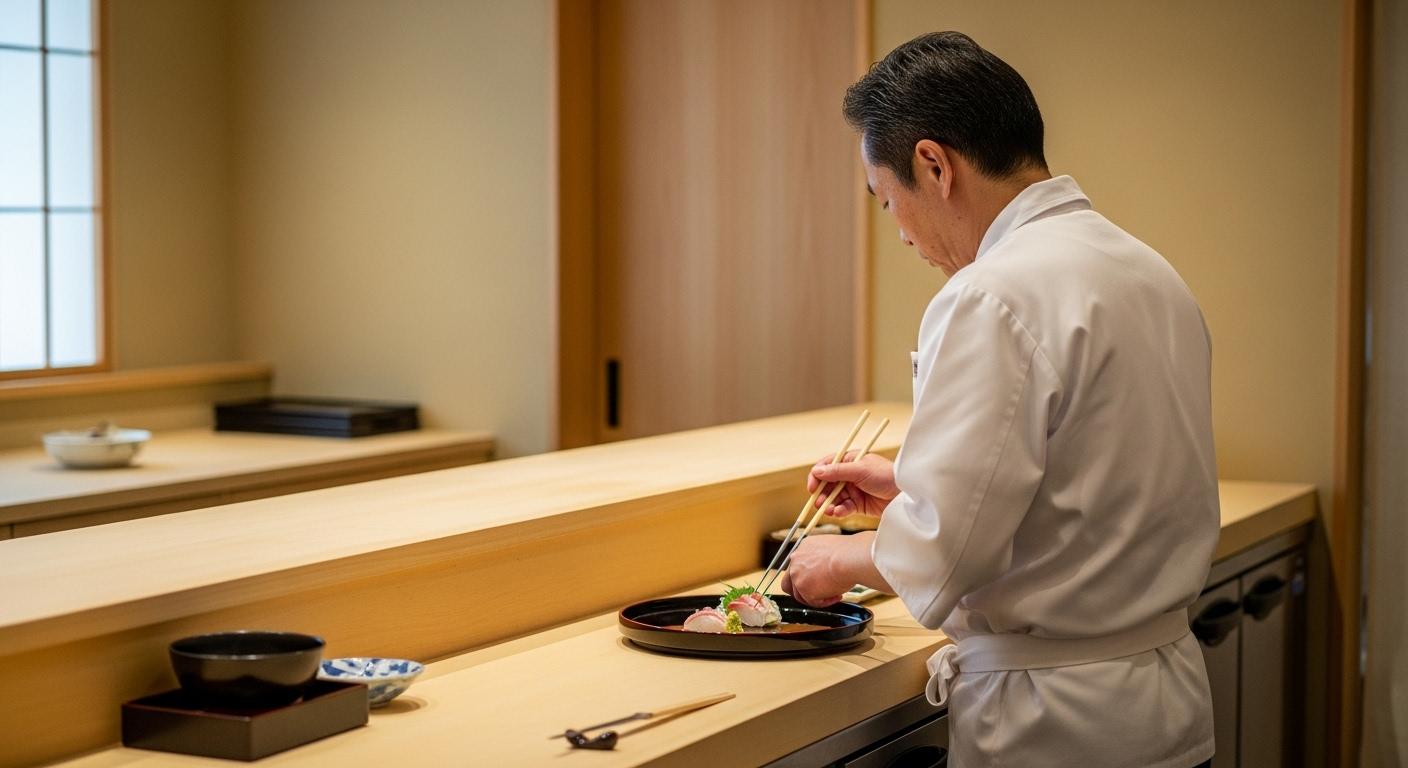
Pourquoi 98 % des chefs japonais font-ils confiance aux couteaux Sakai ?
Depuis plus de 600 ans, Sakai a perfectionné un savoir-faire unique où chaque étape – forge, affûtage, finition – est maîtrisée par des spécialistes. Cette tradition fait de Sakai le berceau des couteaux les plus fiables du Japon.

Pourquoi les couteaux japonais Sakai sont-ils si aiguisés ?
La réponse n'est pas un artisan de génie, mais un système qui rend tout compromis impossible.
Cet article explore comment des maîtres spécialistes, une responsabilité stricte et une culture de la concentration créent un tranchant significatif, une lame à la fois.

L'évolution millénaire des couteaux de Sakai
Des anciens outils en fer aux épées, aux armes à feu et aux couteaux de cuisine modernes, les lames de Sakai reflètent plus de mille ans d'innovation continue. Cet article retrace comment les techniques historiques ont façonné le tranchant et la précision inégalés des couteaux de Sakai, connus dans le monde entier aujourd'hui.

Les maîtres en déclin de Sakai : un héritage en péril
Autrefois la capitale de la coutellerie japonaise, Sakai ne compte aujourd’hui qu’une poignée de forgerons. Face à la concurrence croissante et au désintérêt des jeunes, de nouveaux marchés et de nouveaux apprentis sont essentiels à sa survie. Soutenir ces artisans, c’est sauvegarder un héritage culturel de 600 ans.
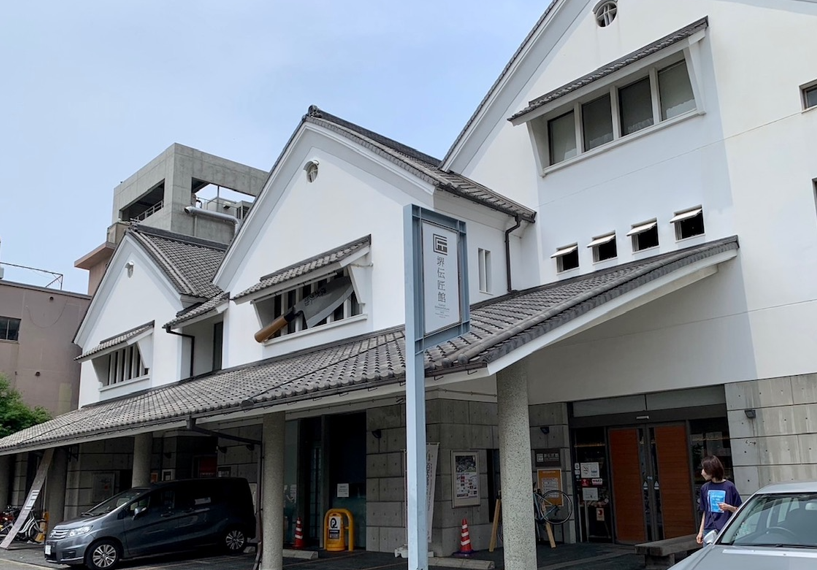
Sakai Denshokan : là où l'esprit des couteaux japonais perdure
Une visite au Sakai Denshokan révèle comment les couteaux japonais sont façonnés par l'histoire, la culture régionale et la vie quotidienne. Des couteaux massifs pour le thon aux lames spécifiques pour l'anguille, cet article explique pourquoi Sakai reste le cœur de la tradition japonaise des lames.
