The Evolution of Sakai Knives: A Legacy of Over a Thousand Years
-
October 10, 2025
-
Sakai City is renowned as one of Japan’s top cutlery-producing regions. However, the history of its blades extends far beyond kitchen knives. From iron tools in the Kofun period to swords, matchlock guns, tobacco knives, and eventually modern Japanese knives, Sakai's blacksmithing techniques have evolved over centuries.
-
Throughout history, Sakai’s craftsmen have continuously refined their skills, adapting to new demands and perfecting their techniques. This article explores how Sakai knives became globally recognized for their superior quality by tracing the transformation of metalworking techniques through the ages.
1. The Kofun Period: The Birth of Blacksmithing Culture
-
The origins of Sakai’s blacksmithing date back to the 5th century Kofun period, when massive burial mounds were constructed. These projects required a large number of iron farming tools and construction equipment, leading to the emergence of skilled blacksmithing communities in the region.
-
Advancements in Ironworking During the Kofun Period
- Blacksmithing expertise from across Japan converged in Sakai, establishing a hub for metalworking.
- Large-scale production of iron tools such as plows and hoes facilitated the construction of burial mounds.
- The techniques for forging and shaping iron became the foundation for later weapon and knife manufacturing.
-
These ironworking techniques laid the groundwork for the development of sword-making and, eventually, Japanese kitchen knives.
2. The Heian to Sengoku Periods: The Rise of Swordsmithing
-
By the late Heian period, Sakai’s ironworking had evolved into sword-making, producing high-quality blades for samurai warriors. Sakai’s swordsmiths refined their techniques, developing methods that are still used in modern knife-making.
-
Advanced Swordsmithing Techniques in Sakai
- Forging (Tanzo): Heating iron and steel to high temperatures and hammering them into shape.
- Repeated Folding (Orikaeshi-Tanren): Folding and reforging steel multiple times to create a uniform and strong blade.
- Precision Sharpening (Hazuke): Developing extremely sharp edges through meticulous polishing and grinding.
-
These advancements in swordsmithing directly influenced the craftsmanship behind Japanese kitchen knives, ensuring their legendary sharpness and durability.
3. The Sengoku Period: Matchlock Gun Manufacturing and Technical Innovation
-
In the 16th century, the introduction of matchlock guns (tanegashima) revolutionized warfare. Recognizing the power of firearms, Oda Nobunaga commissioned Sakai’s craftsmen to mass-produce matchlock guns, propelling Japan to become the world’s largest firearms manufacturer within just 30 years.
-
Technological Advancements from Matchlock Guns
- Precision Metalworking: Techniques used to ensure straight, uniform gun barrels were later applied to knife blade crafting.
- Metal Stretching Techniques: The ability to extend and shape metal for guns influenced the forging of longer, thinner blades.
- Division of Labor System: The specialized, step-by-step manufacturing process for firearms became the basis for modern knife production.
-
The craftsmanship developed during this period contributed to the high-precision forging methods still used in Sakai’s cutlery industry today.
4. The Edo Period: The Birth of the Tobacco Knife and Its Impact on Japanese Knives
-
With the decline in demand for swords following the end of the Sengoku period, Sakai’s craftsmen shifted their expertise to everyday tools, most notably the tobacco knife.
-
What is the Tobacco Knife?
When Portuguese traders introduced tobacco to Japan in the 16th century, finely cut tobacco leaves became popular. Sakai’s blacksmiths developed the tobacco knife (tabako-bocho) to precisely cut tobacco into thin, uniform strips.
-
Key Innovations from the Tobacco Knife
- Superior Sharpness: Required to cut delicate tobacco leaves without crushing them.
- Precision Sharpening Techniques: Ensured consistency in cutting, a skill later applied to kitchen knives.
- Exceptional Durability: The need for long-lasting blades refined steel hardening techniques.
-
These innovations paved the way for the creation of Sakai’s world-class Japanese kitchen knives.
5. The Birth of the Modern Japanese Knife and Its Global Influence
-
Building on the skills developed through sword-making, gun production, and tobacco knife crafting, Sakai became the center of Japanese knife manufacturing during the Edo period. Today, the city is renowned for producing professional-grade Japanese kitchen knives, including the Yanagiba (sashimi knife) and Deba (fish-cutting knife).
-
The Characteristics of Sakai Knives
- Inherited Techniques from Samurai Swords: Ensuring exceptional durability and sharpness.
- Precision Metalworking from Matchlock Guns: Allowing for ultra-thin and razor-sharp blades.
- Fine Sharpening Techniques from Tobacco Knives: Delivering superior cutting performance.
-
Today, over 90% of professional chefs in Japan use Sakai knives, and they are highly regarded worldwide for their unparalleled sharpness and craftsmanship.
Tradition and Innovation: Shaping the Future of Sakai Knives
-
The blacksmithing tradition of Sakai began with iron tools in the Kofun period, evolved into sword-making, adapted to firearms, transitioned to tobacco knives, and ultimately led to the creation of world-class kitchen knives.
-
Through centuries of innovation and refinement, Sakai’s craftsmen have preserved their techniques while continuously improving them. A Sakai knife is not just a cooking tool—it is the culmination of over a thousand years of Japanese craftsmanship and dedication.
-
As these techniques continue to be passed down, Sakai knives will remain a symbol of excellence, shaping the future of culinary arts worldwide.
Sakai Knives A Legacy Forged Over Centuries
-
Sakai knives are the product of a millennium of refinement, where the strength of samurai swords, the precision of matchlock guns, and the sharpness of tobacco knives converged to create Japan’s most trusted culinary blade.
-
Sakai Knives: 600 Years of Craft Forged into Every Blade
FAQ About Sakai Uchihamono
What makes Sakai forged knives special?
The defining feature of Sakai forged knives is their "single-bevel design." While double-bevel knives are the standard around the world, Sakai knives have a sharp, acute edge, resulting in a clean and precise cut. The smooth, beautiful cross-sections they produce allow you to cut even delicate ingredients like sashimi without damaging fibers or cell membranes. This helps preserve the flavor inside the ingredients and maintains their texture.
Why do Sakai forged knives have such good sharpness?
Sakai knives are traditionally made using a "forging" process that combines soft iron (jigane) with steel (hagane) for the blade. This single-bevel design requires far more effort and craftsmanship compared to mass-production methods like pressing and stamping. However, this results in a stronger, more resilient blade that resists chipping and retains its sharpness for a long time.
What makes Sakai forged knives durable?
In Sakai forged knives, the combination of hard steel (hagane) and softer iron (jigane) gives them both strength and flexibility. The blades are heated in a furnace and repeatedly hammered to densify the metal structure, creating knives with exceptional sharpness and durability.
Why do professionals use knives made in Sakai?
The tradition of knife-making in Sakai has long been based on a division of labor, with separate specialists responsible for forging (tanzō), blade sharpening (hatsuke), and handle attachment (etsuke). Each knife is carefully crafted by hand, and their unmatched sharpness and beauty have made them popular among professional chefs worldwide.
What challenges do Sakai forged knives face?
Although Sakai forged knives boast 600 years of tradition, they are currently facing challenges due to a shortage of skilled craftsmen. With an aging workforce and a chronic lack of labor, there is a pressing need to train young artisans to ensure these traditional techniques are passed down to future generations.
What is the market share of Sakai forged knives?
Sakai City is known as one of Japan’s three major knife production areas. Sakai forged knives, made using the traditional division of labor between blacksmiths (fire forging) and sharpeners (blade finishing), are especially renowned. It’s estimated that knives used by professional chefs in Japanese cuisine account for around 90% of the domestic market share.
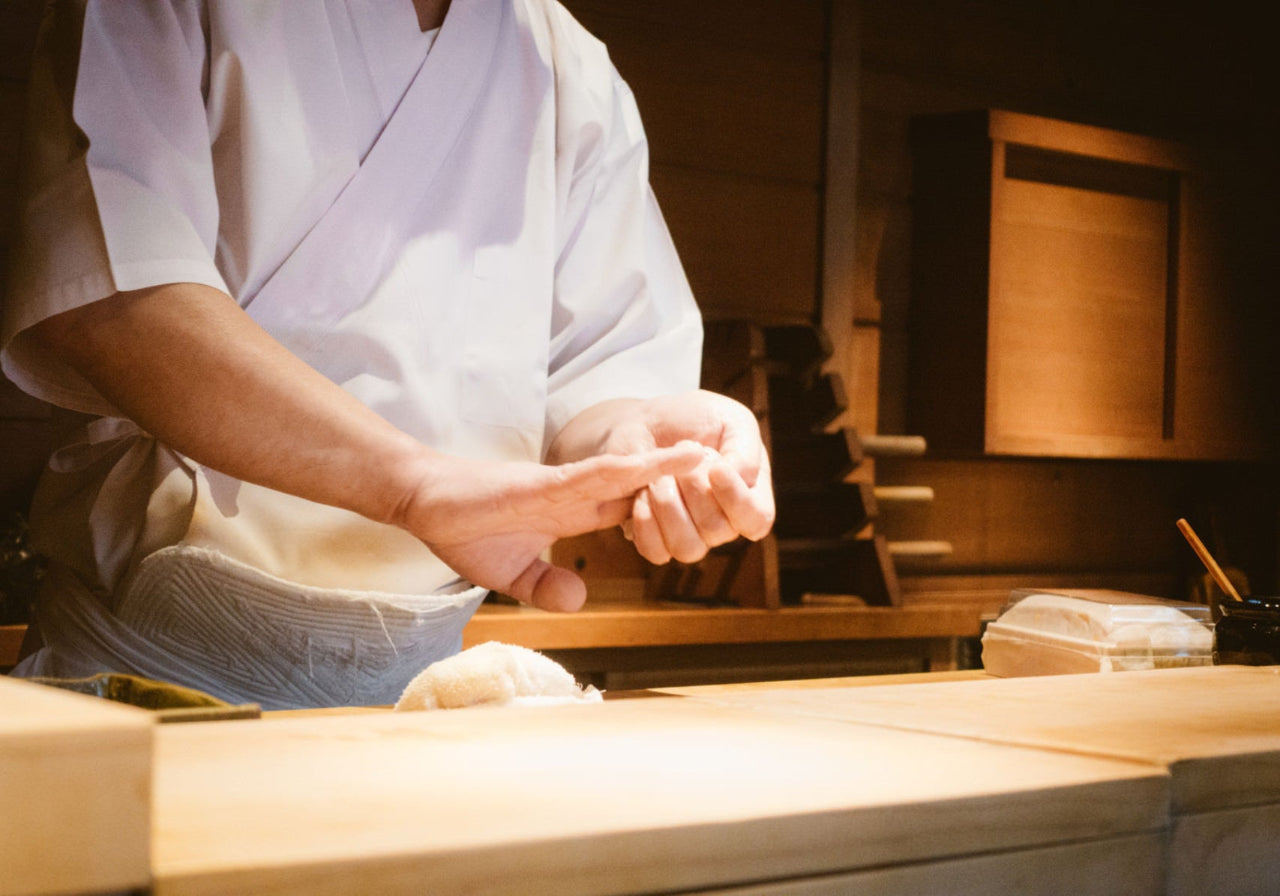
Why Do Professionals Choose Sakai Knives?
The secret is in theirunmatched sharpness, crafted fromcenturies-old techniquesblended withmodern innovation. The moment you hold one, your culinary passioncomes alive.
Sakai's Declining Japanese Knife Craftsmen
Sakai's esteemed cutlery tradition, renowned for its sharpness and craftsmanship, is at risk with only a dozen blacksmiths remaining. Facing competition and declining interest, strategies such as exploring new markets and fostering youth interest are vital for survival. This situation underscores a broader challenge in cultural preservation. Supporting Sakai’s craftsmen is crucial to maintaining this legacy.
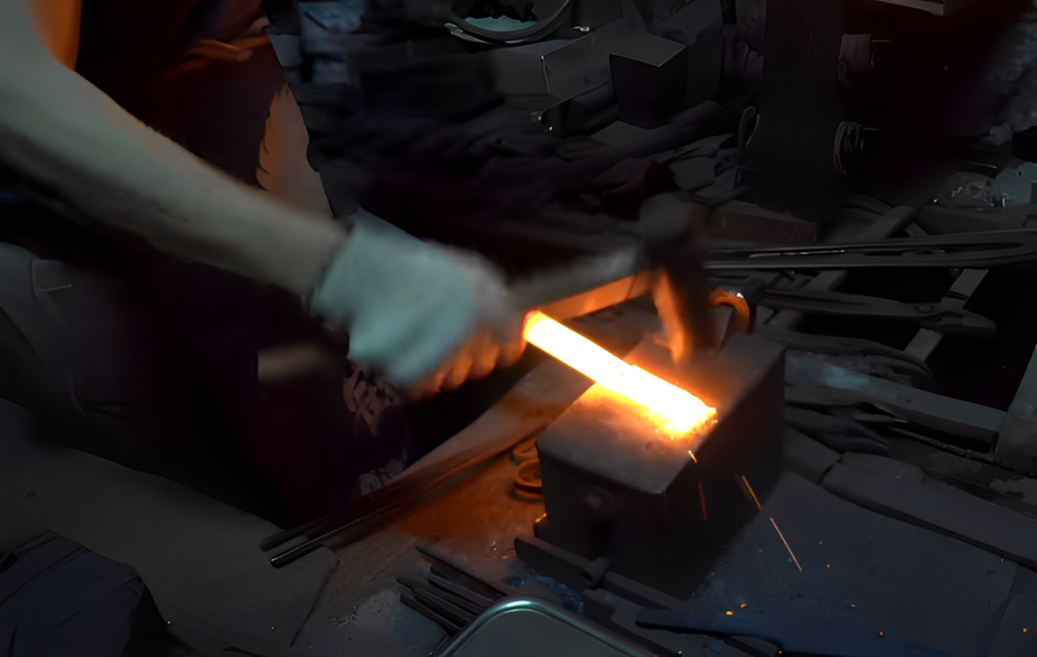
The Origin of Craftsmanship
-
The Soul in the Blade—The Life of a Traditional Japanese Knife Artisan
"What do you want to do? The moment you clarify that, something begins to happen."
This phrase is one we traditional craftsmen often reflect upon in our daily work with steel. -
Creating a Japanese knife is not just a technical endeavor—it’s an art of understanding the potential of the material and continuously questioning one’s own heart. As we hammer and polish the steel, we constantly ask ourselves, "What do I want to create? How will this knife serve the person who uses it?"
-
Without a clear purpose, even the most skilled hands will leave traces of uncertainty in the final product. But the moment you set a singular goal in your heart, the material begins to respond. This response emerges in subtle ways—through the feel of the steel under the hammer, the heat of the fire, or the sound of the whetstone.
-
We artisans want to convey the importance of asking yourself, "What do I want to do?" This principle applies to everyday life as well. When someone cooks with the intention of making someone smile, the flavors of that dish naturally deepen. And when you pick up a knife, there might be a moment when you consider how its edge could transform someone’s life. That moment creates a magical connection between the user and the maker.
-
Through Japanese knives, we are not merely crafting tools for cutting. We aim to support and enrich people’s lives. With every blade, we pour our soul into creating something meaningful.
-
To all readers, I encourage you to take a moment and ask yourself, "What do I want to do?" The answer may empower you to carve out a future far more vibrant than you imagined.
Experience the sharpness trusted by 98% of Japan’s top chefs — handcrafted in Sakai City.
Through our exclusive partnership with Shiroyama Knife Workshop, we deliver exceptional Sakai knives worldwide. Each knife comes with free Honbazuke sharpening and a hand-crafted magnolia saya, with optional after-sales services for lasting confidence.
KIREAJI's Three Promises to You
-
1. Forged in the Legacy of Sakai
From Sakai City—Japan’s renowned birthplace of professional kitchen knives—each blade is crafted by master artisans with over six centuries of tradition. Perfectly balanced, enduringly sharp, and exquisitely finished, every cut carries the soul of true craftsmanship.
-
2. Thoughtful Care for Everyday Use
Every knife includes a hand-fitted magnolia saya for safe storage. Upon request, we offer a complimentary Honbazuke final hand sharpening—giving you a precise, ready-to-use edge from day one.
-
3. A Partnership for a Lifetime
A KIREAJI knife is more than a tool—it is a lifelong companion. With our bespoke paid aftercare services, we preserve its edge and beauty, ensuring it remains as precise and dependable as the day it first met your hand.