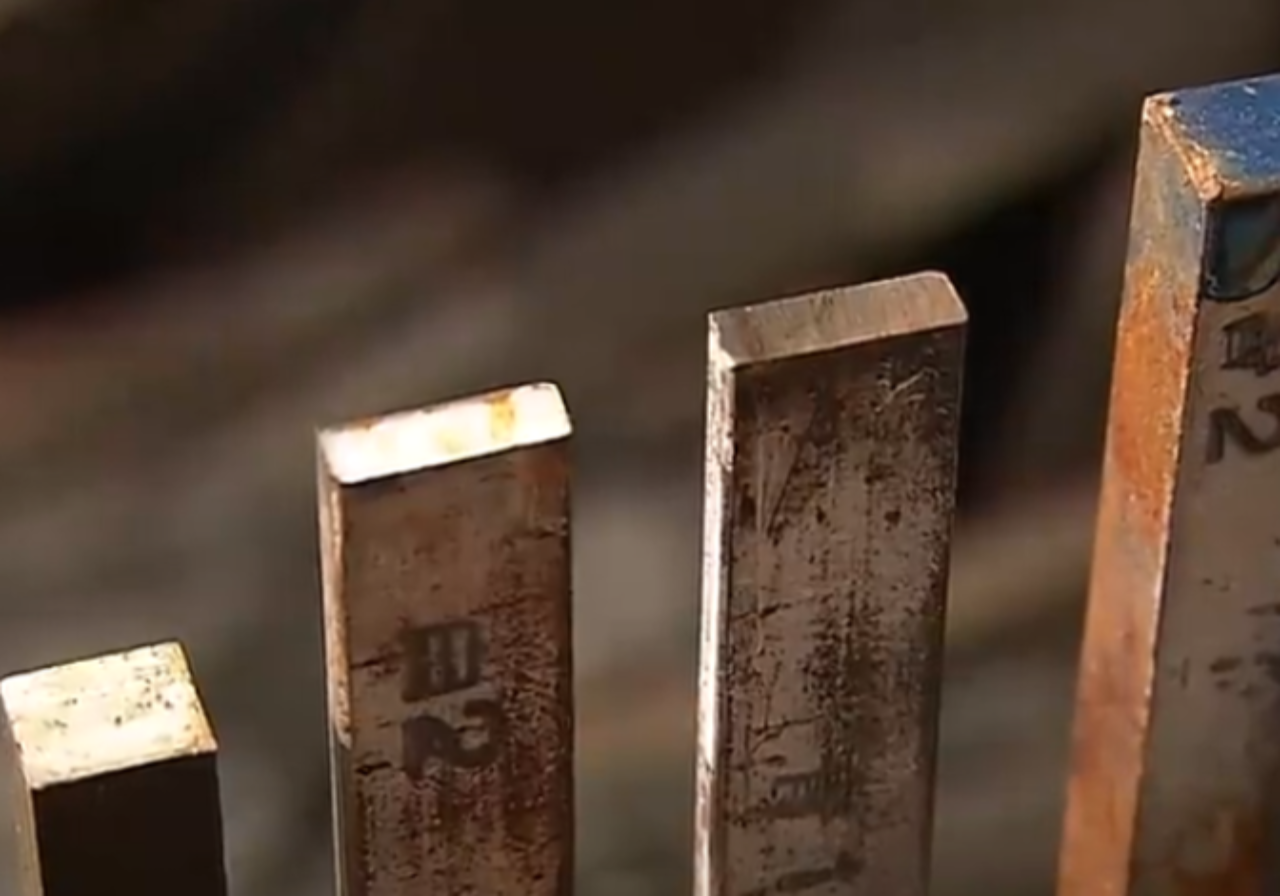
Yasuki Steel: The Soul of Japanese Knives and Its Future
-
-
May 14, 2025
-
Japanese knives are admired worldwide for their unmatched sharpness and craftsmanship. At the heart of this tradition lies Yasuki Steel, a material born from Japan’s ancient tatara ironmaking and refined in Yasugi City, Shimane Prefecture. For over a century, it has been the foundation of Japanese swords and knives—and today, it faces both opportunity and uncertainty.
-
-
White Steel & Blue Steel: The Classics
- White Steel (Shirogami): Pure, high-carbon steel with almost no impurities. Easy to sharpen and capable of the sharpest edge—perfect for precise work like sashimi.
- Blue Steel (Aogami): White Steel with added tungsten and chromium. Retains sharpness longer and endures heavy use, making it a favorite in professional kitchens.
These two grades have defined the essence of Japanese knives: sharpness versus longevity.
- White Steel (Shirogami): Pure, high-carbon steel with almost no impurities. Easy to sharpen and capable of the sharpest edge—perfect for precise work like sashimi.
-
-
A Changing Landscape Under Proterial
In 2023, Hitachi Metals—longtime producer of Yasuki Steel—was acquired and rebranded as Proterial. Since then, concerns have surfaced:
- Will traditional carbon steels be phased out?
- Will profitability outweigh heritage?
For now, White Steel and Blue Steel remain in production, but their long-term future is unclear.
- Will traditional carbon steels be phased out?
-
-
-
New Alloys: Tradition Meets Innovation
Proterial has introduced YBS1 and YBS2, stainless steels with hardness up to HRC 64. These steels combine sharpness, durability, and rust resistance—qualities once thought impossible to unite. While they may feel different in sharpening and “taste,” they represent a promising evolution.
-
Rising Global Demand
Collectors and chefs worldwide are already reacting:
- Prices for Blue Steel knives are climbing.
- Limited-production artisan models are becoming more common.
- Overseas, Yasuki Steel knives are valued as cultural treasures as much as tools.
- Prices for Blue Steel knives are climbing.
-
Conclusion: Choosing More Than a Knife
Yasuki Steel stands at a crossroads between heritage and innovation. White and Blue Steels embody centuries of tradition, while new alloys point toward the future.
The knife you choose is more than a kitchen tool—it reflects your values:
- Will you preserve tradition and the unmatched edge of carbon steel?
- Or embrace new materials that promise resilience and convenience?
Either way, understanding steel is the key to making a meaningful choice—one that connects you to both the history and the future of Japanese craftsmanship.
- Will you preserve tradition and the unmatched edge of carbon steel?
Tradition at a Crossroads: Choosing the Future of Japanese Knife Steel
-
Japan’s iconic knife steels now stand between heritage and innovation,
inviting users to choose whether they value the soul of tradition or the convenience of modern materials. -
Yasuki Steel
-
The soul of a great knife lies in its steel.
Have you ever wondered what makes Japanese knives so sharp, so precise, and so loved by chefs worldwide?
Behind their brilliance lies Yasuki Steel—a legendary material born from centuries of tradition, refined through the spirit of Japanese craftsmanship.This video takes you inside the world of Yasuki Steel: its history rooted in Tatara ironmaking, its role in shaping the famed Sakai knives, and its uncertain future.
Discover why this extraordinary steel is not just a material—but the soul of Japanese blades. -
Yasuki Steel
Yasuki Steel has long been the soul of Japanese knife-making, giving birth to legendary materials such as White Steel and Blue Steel. Today, as the industry undergoes change, its future is at a crossroads. This article explores Yasuki Steel’s legacy, current state, and what lies ahead for craftsmen and knife lovers worldwide.
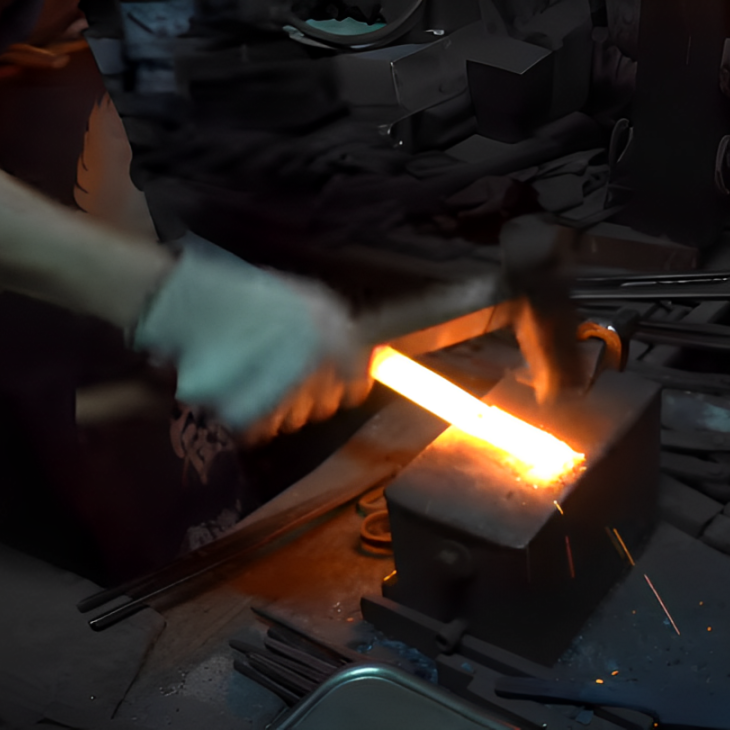
Japanese Knife Materials
The steel behind a Japanese knife defines its sharpness, durability, and care. From traditional carbon steels like White #2 and Blue #2 to modern innovations such as Ginsan and ZDP189, each material offers its own balance of performance and maintenance. This guide explores how these choices shape the knives we use today.
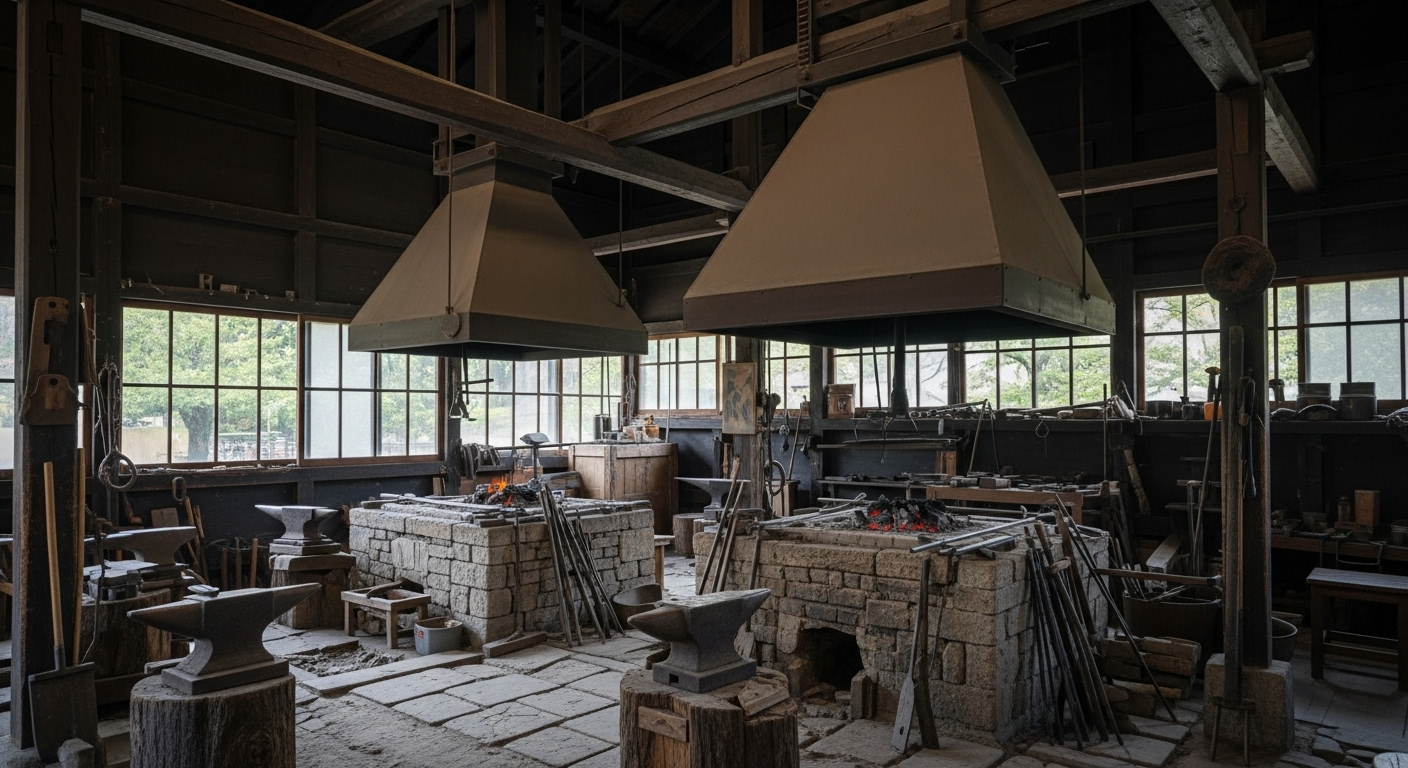
The Soul of Craftsmanship
-
“We Sharpen Not Just Steel, But Soul” – A Master Craftsman Reflects on Yasuki Steel's Uncertain Future
“For decades, I have forged blades from White Steel and Blue Steel—materials that breathe life into a knife like no other. When I sharpen them, it feels as though I am not merely honing metal, but awakening its spirit.
-
Lately, more and more people ask me:
‘Will these steels be discontinued?’‘Will tradition be sacrificed for profit?’ -
The truth is, I do not know what the future holds. But I do know this: no stainless alloy, no modern substitute can replicate the soul of a blade forged from Yasuki Steel.
-
When a chef wields a knife of White Steel, they are not simply slicing fish or vegetables. They are touching centuries of Japanese craftsmanship, carried within the edge of the blade. That spirit cannot be mass-produced.
-
If these materials disappear, we lose more than steel. We lose a living fragment of cultural identity.
I am not against new technology. There is beauty in evolution, and progress must continue. But I hope people understand what is at stake—and that they will treasure these knives while they still exist. -
Because each one carries more than sharpness. Each one carries a story.”
— A craftsman with over 40 years of experience, Sakai, Japan
Experience the sharpness trusted by 98% of Japan’s top chefs — handcrafted in Sakai City.
Through our exclusive partnership with Shiroyama Knife Workshop, we deliver exceptional Sakai knives worldwide. Each knife comes with free Honbazuke sharpening and a hand-crafted magnolia saya, with optional after-sales services for lasting confidence.
KIREAJI's Three Promises to You
-
1. Forged in the Legacy of Sakai
From Sakai City—Japan’s renowned birthplace of professional kitchen knives—each blade is crafted by master artisans with over six centuries of tradition. Perfectly balanced, enduringly sharp, and exquisitely finished, every cut carries the soul of true craftsmanship.
-
2. Thoughtful Care for Everyday Use
Every knife includes a hand-fitted magnolia saya for safe storage. Upon request, we offer a complimentary Honbazuke final hand sharpening—giving you a precise, ready-to-use edge from day one.
-
3. A Partnership for a Lifetime
A KIREAJI knife is more than a tool—it is a lifelong companion. With our bespoke paid aftercare services, we preserve its edge and beauty, ensuring it remains as precise and dependable as the day it first met your hand.