Navigating the World of Knife Hardness: What You Need to Know
-
MAY 25, 2023
-
When choosing or using a knife, one of the most important—yet often misunderstood—factors is hardness. Finding the right balance between hardness and toughness is what separates an excellent knife from a fragile one.
-
Understanding Knife Hardness
It’s often said that “the harder the knife, the better the cut.” This idea is usually expressed in the HRC (Rockwell Hardness Scale) rating, where higher numbers mean greater hardness. Hardness is measured by pressing a pointed instrument into the steel and assessing the indentation.
A harder knife will indeed slice with precision. But hardness alone doesn’t guarantee a superior knife—because it always comes with trade-offs. -
The Trade-Offs of Hardness
A knife with very high hardness can:
- Deliver razor-sharp cuts
- But also chip more easily
- Become harder to sharpen
- Be more vulnerable to rust, even if made from stainless steel
On the other hand, a knife with moderate flexibility may not reach extreme sharpness but offers greater durability, easier maintenance, and longer-lasting usability.
-
-
Balancing Hardness and Toughness
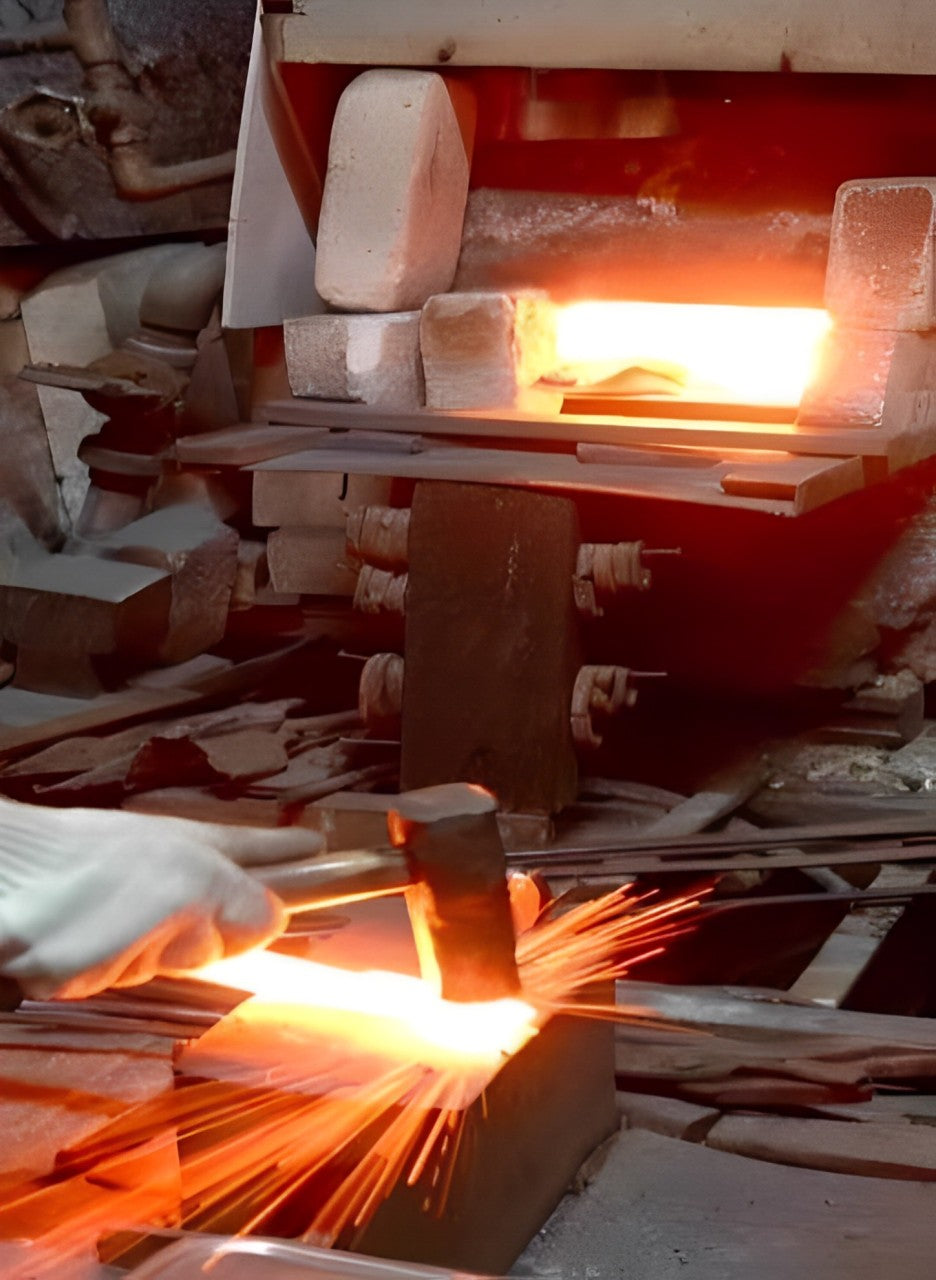
In knife making, the art of heat treatment and tempering is about achieving the right harmony between hardness and toughness. Just like stone walls (hard but brittle) and rubber (soft but resilient), steel must strike a middle ground.
This balance is not uniform; depending on the manufacturer and their techniques, different parts of the same blade may be treated differently to achieve optimal performance. -
What Defines Sharpness?
Sharpness is not about hardness alone. It is influenced by three key elements:
- The hardness of the material
- The blade’s structure and grind
- The angle of the edge itself
A knife that is too hard may cut well initially, but is also more brittle and more likely to chip.
- The hardness of the material
-
-
Wear Resistance and Practical Cooking Use
High hardness improves wear resistance, meaning the blade holds its edge longer and requires less frequent sharpening. But in real cooking, you aren’t cutting metal—you’re cutting vegetables, fish, and meat. This makes practicality just as important as performance.
A knife that’s too hard may resist wear, but when the time comes to sharpen it, you’ll need more skill and patience. -
Choosing the Right Knife for You
Ultimately, the “best” knife isn’t the hardest one—it’s the one that fits your cooking style, skill level, and maintenance routine.
Think of it like driving: a Formula One car may be impressive, but it’s not practical for daily use. Similarly, the right knife is the one that feels comfortable in your hand, stays sharp for your needs, and is easy enough for you to care for properly.
Sharpness as a Philosophy: The Hidden Science Behind Japanese Knives
-
True sharpness is not just a physical edge—
it is the harmony of blade geometry, traditional technique, and a cultural respect for ingredients. -
Material of Knife
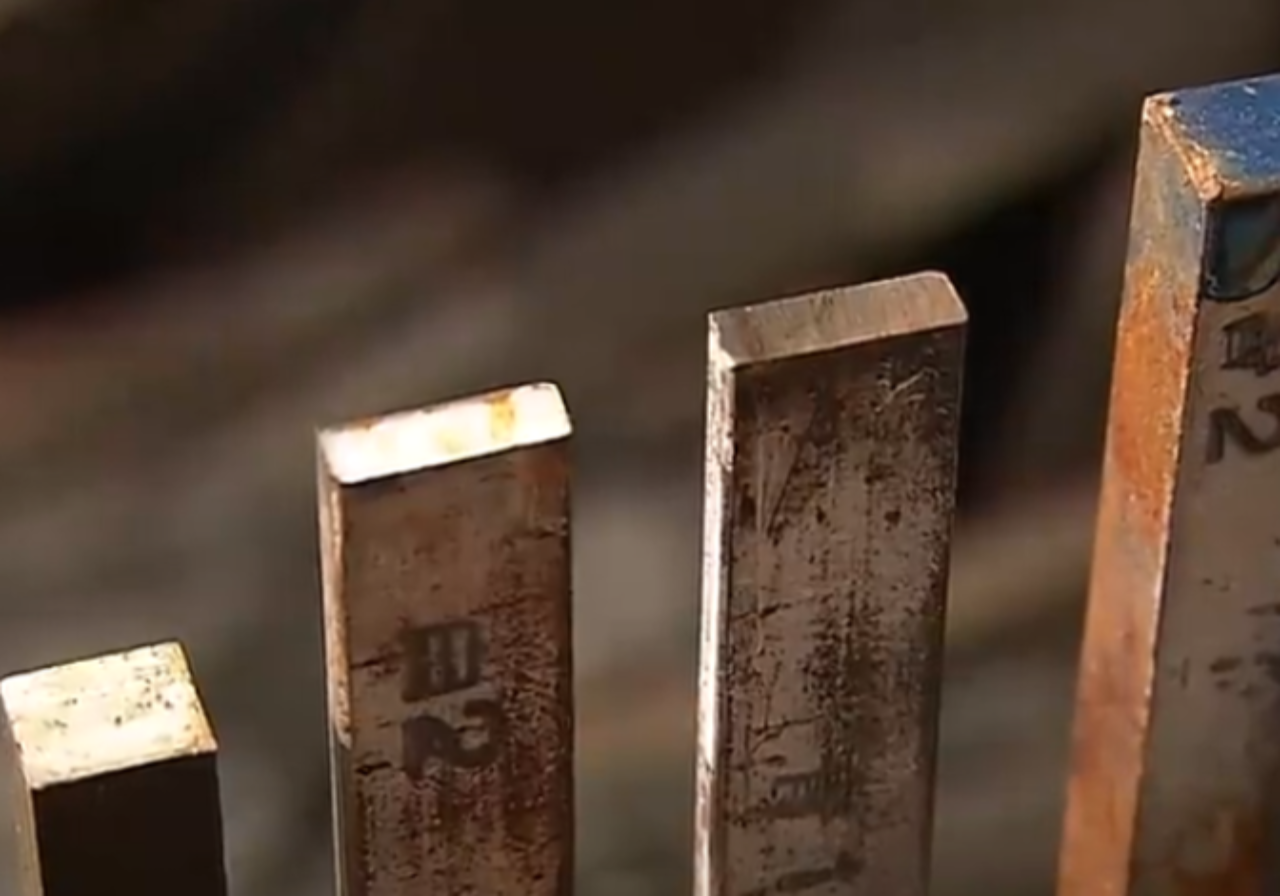
The steel behind a Japanese knife defines its sharpness, durability, and care. From traditional carbon steels like White #2 and Blue #2 to modern innovations such as Ginsan and ZDP189, each material offers its own balance of performance and maintenance. This guide explores how these choices shape the knives we use today.
Japanese Knife Materials 4 Points
A fine Japanese knife is defined by four qualities: hardness, wear resistance, toughness, and corrosion resistance. Together, they shape the blade’s sharpness, durability, and ease of care. Understanding this balance is the key to appreciating true knife quality.
The Soul of Craftsmanship
-
Failure Guides Us, But Passion Shapes Our Soul
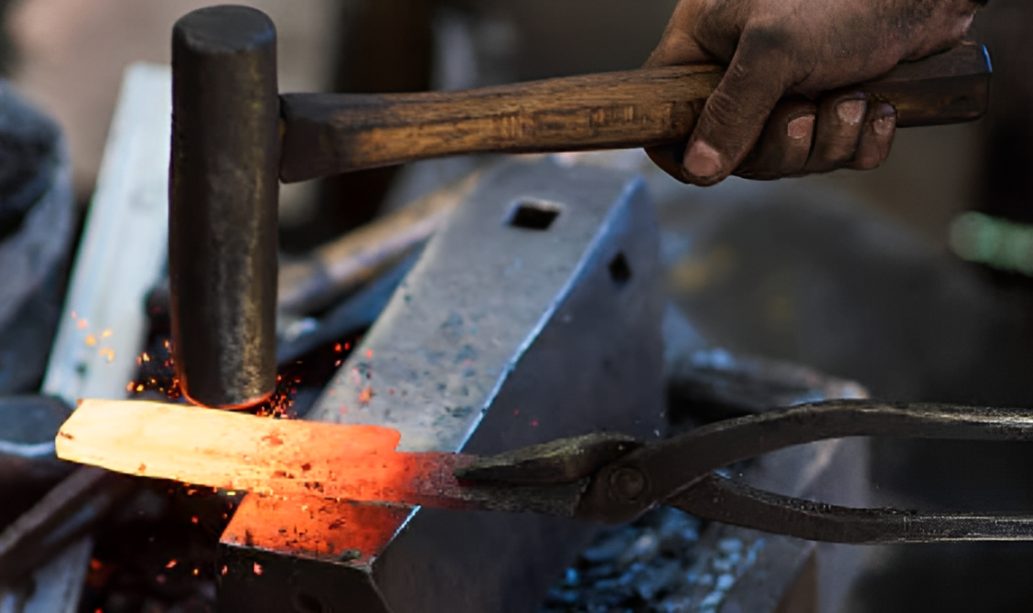
For us as traditional artisans, crafting is life itself. A single failure may ruin a piece, but what is far more dangerous is when the hands move without the heart. If the spirit is absent, true craftsmanship can never be born.
-
Failure can be painful, yes—but it is also a teacher. Every setback carries within it the seeds of discovery and growth. The key is not to fear failure, but to give your all to the present moment. With passion and dedication, failure becomes nothing more than a temporary challenge on the path forward.
-
Through each creation, we hope to convey this way of living. When you commit yourself wholeheartedly to something, you create moments that resonate deeply with others. And in those moments, the true beauty of life reveals itself.
-
Let passion, not fear, guide your journey.
Experience the sharpness trusted by 98% of Japan’s top chefs — handcrafted in Sakai City.
Through our exclusive partnership with Shiroyama Knife Workshop, we deliver exceptional Sakai knives worldwide. Each knife comes with free Honbazuke sharpening and a hand-crafted magnolia saya, with optional after-sales services for lasting confidence.
KIREAJI's Three Promises to You
-
1. Forged in the Legacy of Sakai
From Sakai City—Japan’s renowned birthplace of professional kitchen knives—each blade is crafted by master artisans with over six centuries of tradition. Perfectly balanced, enduringly sharp, and exquisitely finished, every cut carries the soul of true craftsmanship.
-
2. Thoughtful Care for Everyday Use
Every knife includes a hand-fitted magnolia saya for safe storage. Upon request, we offer a complimentary Honbazuke final hand sharpening—giving you a precise, ready-to-use edge from day one.
-
3. A Partnership for a Lifetime
A KIREAJI knife is more than a tool—it is a lifelong companion. With our bespoke paid aftercare services, we preserve its edge and beauty, ensuring it remains as precise and dependable as the day it first met your hand.