The Appeal of Sakai Uchihamono — The True Value as a Tool
-

Harmonizing with the Craftsmanship
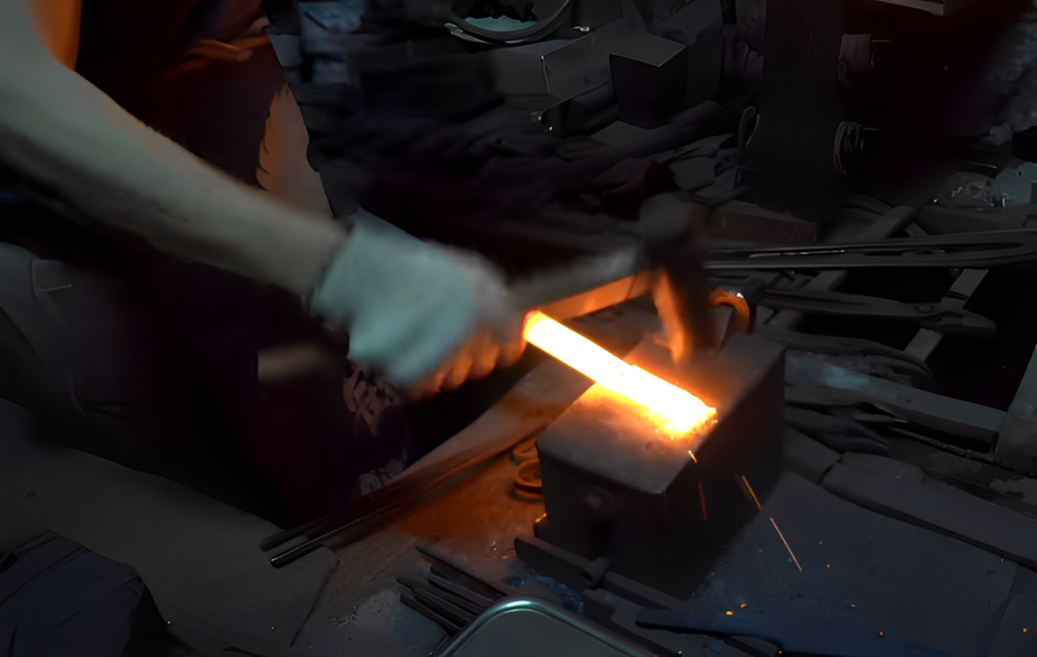
Sakai Uchihamono is crafted using traditional techniques passed down through generations. Each knife is created through the collaborative effort of blacksmiths, sharpeners, and handle makers, each an expert in their field. This division of labor is the key to producing high-quality tools. A Sakai knife, meticulously finished by skilled artisans, resonates with the user’s technique, allowing them to perform at their best.
-

A Relationship with the Tool
Sakai Uchihamono is easy to sharpen and can last for decades with proper care. When chefs sharpen their knives themselves, they deepen their understanding of the tool, developing a sense of unity with it. Rather than a disposable product, a well-maintained Japanese knife becomes a lifelong partner.
-

Conclusion
A Sakai Uchihamono is a tool that evolves with its user’s skill. Its precision craftsmanship, specialized functionality, unique single-bevel design, and long-term usability create an appeal unmatched by ordinary products. Owning one allows chefs to refine their techniques and reach new heights in their craft. Furthermore, with proper care, it can be a lifelong companion, making it more than just a tool—it is a valuable investment. As a cornerstone of Japanese culinary culture, Sakai Uchihamono continues to prove its worth as the ultimate tool.


Sakai Knives: Where Craftsmanship Turns Cost into Value
-

Sakai knives carry a price born not from luxury, but from craft.
Each blade is shaped by specialists, premium materials, and time-honored techniques, turning high cost into lasting cultural value.
A Sakai knife is not purchased—it is inherited.


What makes Sakai forged knives special?
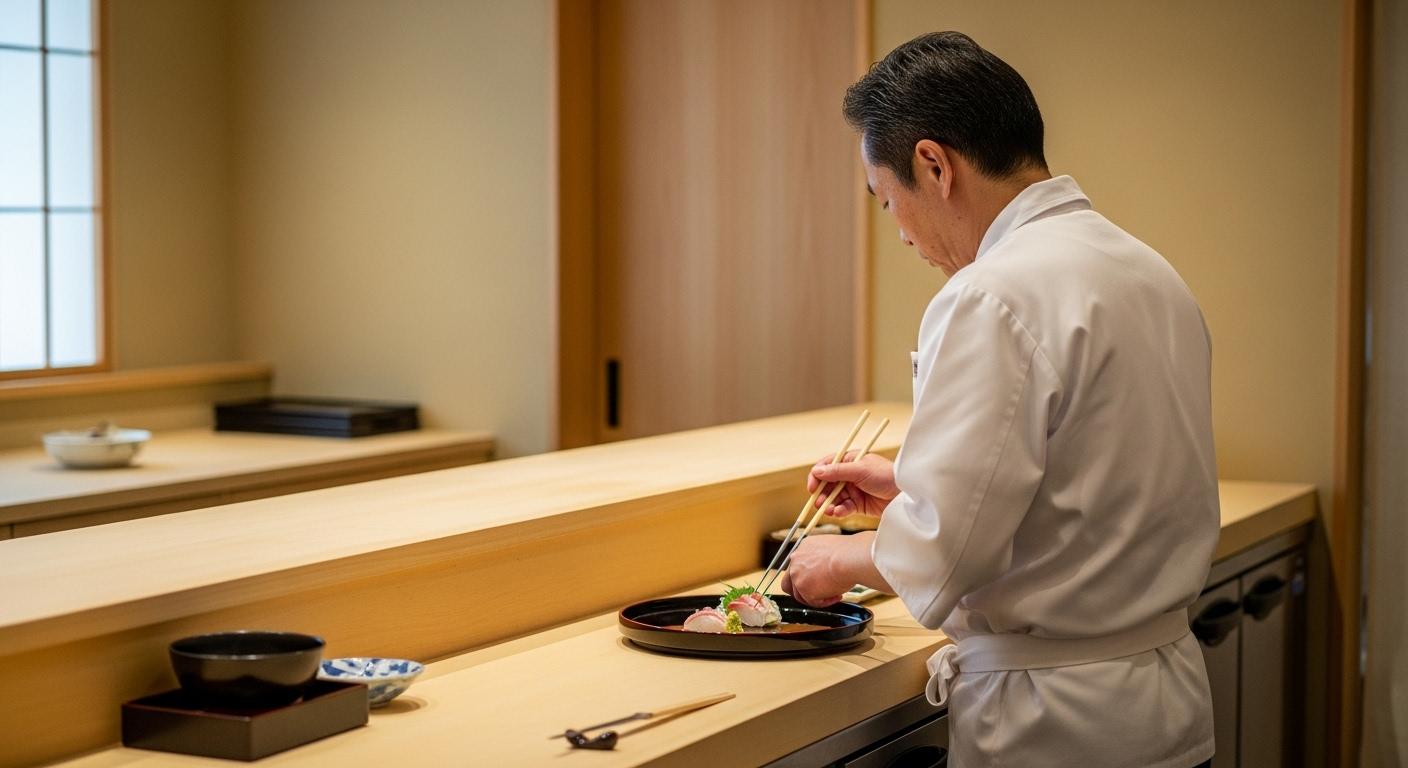
The defining feature of Sakai forged knives is their "single-bevel design." While double-bevel knives are the standard around the world, Sakai knives have a sharp, acute edge, resulting in a clean and precise cut. The smooth, beautiful cross-sections they produce allow you to cut even delicate ingredients like sashimi without damaging fibers or cell membranes. This helps preserve the flavor inside the ingredients and maintains their texture.
Why do Sakai forged knives have such good sharpness?
Sakai knives are traditionally made using a "forging" process that combines soft iron (jigane) with steel (hagane) for the blade. This single-bevel design requires far more effort and craftsmanship compared to mass-production methods like pressing and stamping. However, this results in a stronger, more resilient blade that resists chipping and retains its sharpness for a long time.
What makes Sakai forged knives durable?
In Sakai forged knives, the combination of hard steel (hagane) and softer iron (jigane) gives them both strength and flexibility. The blades are heated in a furnace and repeatedly hammered to densify the metal structure, creating knives with exceptional sharpness and durability.
Why do professionals use knives made in Sakai?
The tradition of knife-making in Sakai has long been based on a division of labor, with separate specialists responsible for forging (tanzō), blade sharpening (hatsuke), and handle attachment (etsuke). Each knife is carefully crafted by hand, and their unmatched sharpness and beauty have made them popular among professional chefs worldwide.
What challenges do Sakai forged knives face?
Although Sakai forged knives boast 600 years of tradition, they are currently facing challenges due to a shortage of skilled craftsmen. With an aging workforce and a chronic lack of labor, there is a pressing need to train young artisans to ensure these traditional techniques are passed down to future generations.
What is the market share of Sakai forged knives?
Sakai City is known as one of Japan’s three major knife production areas. Sakai forged knives, made using the traditional division of labor between blacksmiths (fire forging) and sharpeners (blade finishing), are especially renowned. It’s estimated that knives used by professional chefs in Japanese cuisine account for around 90% of the domestic market share.

Traditional Craftsmen of Sakai Uchihamono
In Sakai, Japan, centuries-old techniques live on through the hands of master artisans.
Each knife is more than a tool—it’s a reflection of tradition, precision, and spirit.
This is the story of those who keep that legacy alive.
Why do 98% of Japanese Chefs Use Knives from Sakai?
The secret lies in Sakai’sdivision of labor and fully handcrafted process.
This feature explores thetradition and artisan culturebehind Japan’s most trusted knives.

Sakai's Declining Japanese Knife Craftsmen
Sakai's esteemed cutlery tradition, renowned for its sharpness and craftsmanship, is at risk with only a dozen blacksmiths remaining. Facing competition and declining interest, strategies such as exploring new markets and fostering youth interest are vital for survival. This situation underscores a broader challenge in cultural preservation. Supporting Sakai’s craftsmen is crucial to maintaining this legacy.

Sakai Traditional Craftsmen Collection
The Japanese knives crafted by the artisans of Sakai City boast over 600 years of history and tradition. We promise to deliver this exceptional quality to our customers.