• January 18, 2025

  • Knives are essential tools in the kitchen, but mishandling them can damage the tool and even lead to serious injuries. In this article, we will share three critical points to keep in mind when using knives.

  • 1. Avoid Cutting Frozen Foods

    Never use a knife to cut frozen foods. The steel used in knife blades becomes brittle at low temperatures due to a property known as low-temperature brittleness. When you attempt to cut hard frozen food in this state, the blade is subjected to significant stress, which can cause it to chip.

    In severe cases, the blade may chip as large as a fingernail. While small chips can often be repaired at home, large chips are much more challenging to fix. If this happens, don’t rush to discard the knife—consult the store where you purchased it. Most of the time, repairs can make the knife usable again, so there’s no need to worry.

  • 2. Don’t Use Knives to Chop Bones

    Many people want to use their chef’s knives or slicing knives to fillet fish, but these knives are not designed for chopping through bones. Chef’s knives are typically made with thinner blades for cutting meat, vegetables, and fillets, which makes them unsuitable for heavy-duty tasks like chopping bones.

  • You might have seen professional chefs using chef’s knives to fillet fish on social media or YouTube. However, these professionals are highly skilled and have a deep understanding of the structure of fish, including the shape of bones and joint positions. This expertise allows them to perform such tasks smoothly.

  • If you frequently need to chop or fillet bones, it is highly recommended to use a Deba, which is specifically designed for these purposes. While Western-style knives can be versatile, applying strong impacts can cause the blade to bend or chip. Always use knives with a full understanding of their intended purpose.

  • 3. Do Not Wash Knives in a Dishwasher

    Knives should ideally be hand-washed. This is especially true for knives with wooden handles, as dishwashers can damage the handle. Even for stainless steel knives, hand washing is the better option.

  • Here are the main reasons:

    1. Incomplete Cleaning: Dishwashers often leave behind grease or small food particles that can stick to the knife during the drying cycle. This can lead to rust, depending on the knife material.
    2. Risk of Chipping: The high-pressure water in dishwashers can cause knives to collide with other dishes, leading to small chips on the blade. This can significantly dull the knife in just one wash.
  • After using a knife, wash it promptly by hand and dry it thoroughly before storing it.

  • How to Make Your Knife Last Longer

    By using knives correctly, you can maximize their performance and longevity. Proper handling makes food preparation easier and enhances the flavors of the ingredients. On the other hand, incorrect use can damage the knife and even cause injuries.

  • To enjoy your knife for years to come, keep today’s tips in mind. If you’ve been handling your knives incorrectly, now is the time to make a change. Following these guidelines will ensure that your knife remains a reliable partner in your culinary endeavors.

Before Using a Knife

A knife is more than a tool—it’s the heart of cooking. Learning how to use it properly helps protect its quality, durability, and safety, so you can enjoy it for years while elevating every meal.

Before Using a Knife

Daily Care of a Japanese Knife

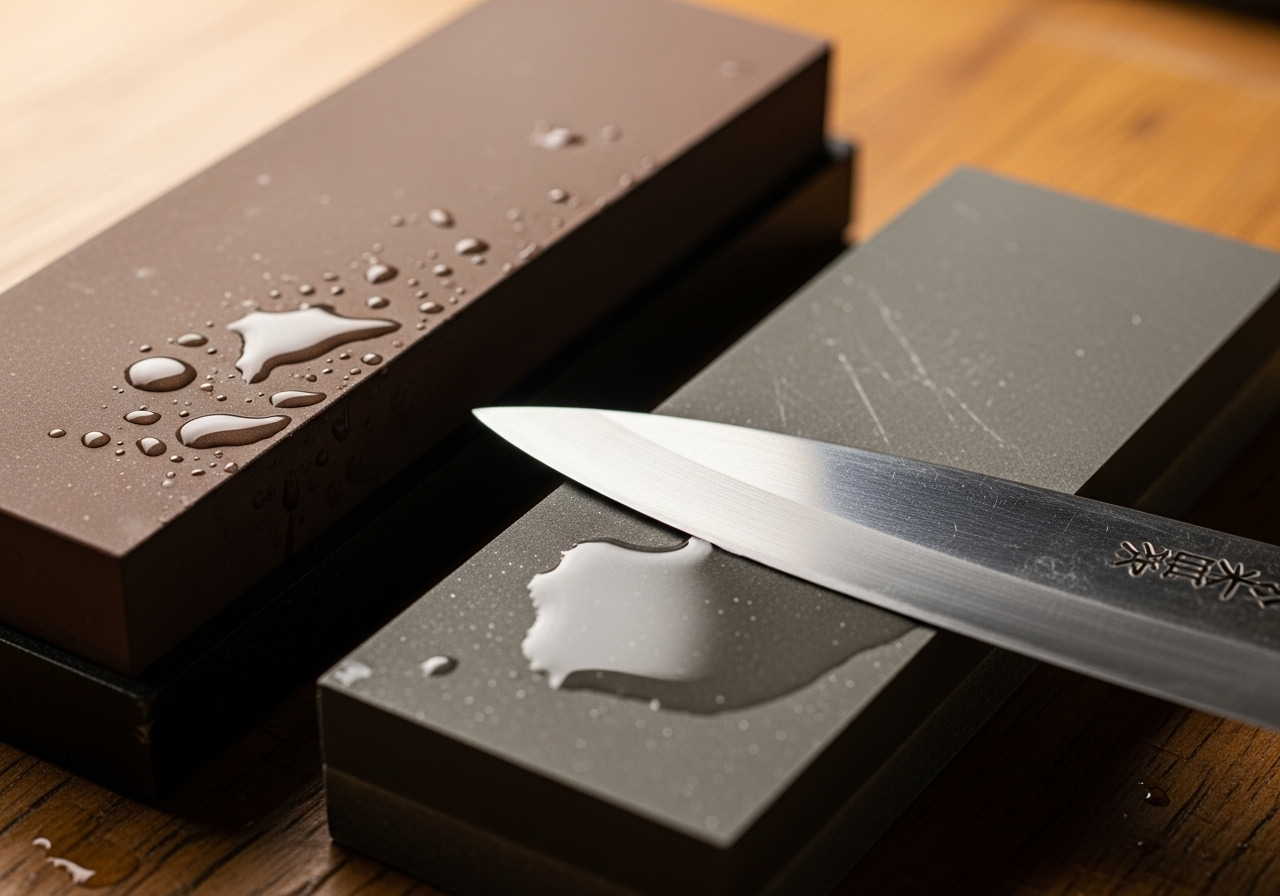
With the right daily care, your knife will stay sharp and reliable for a long time. Here, we share the key points to keep it in peak condition and extend its lifespan.
Daily Care of a Japanese Knife

After-Sales Service

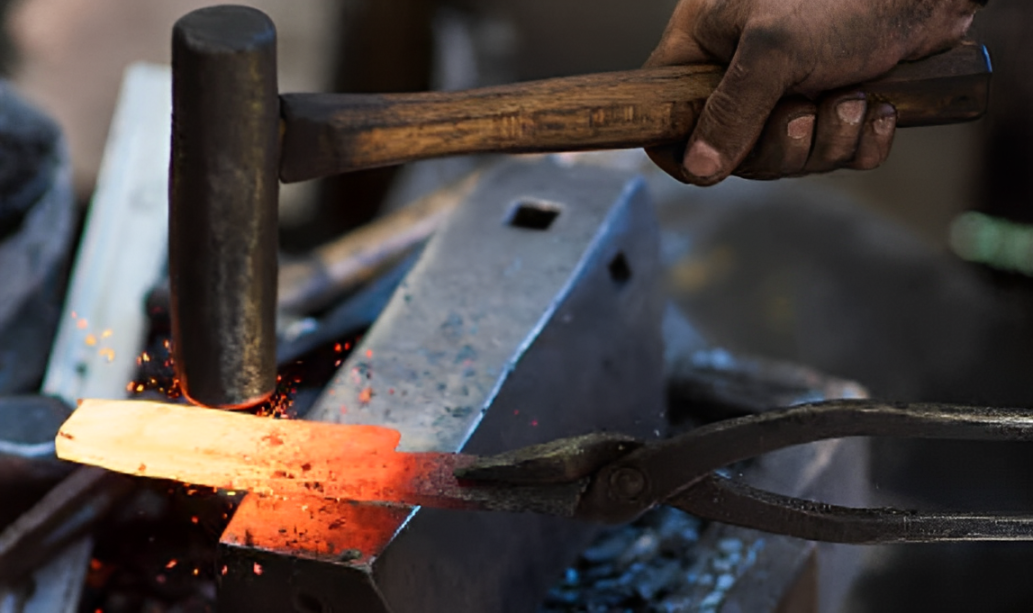
At KIREAJI, we ensure your knife can be cherished for years with our dedicated after-sales service, provided by the Shiroyama Knife Workshop. For repairs or maintenance, please apply through the link below.
After-Sales Service
  • The Hidden Joy in the Ordinary

    As I craft knives each day, I often reflect on how much quiet joy is contained within what we call the “ordinary.” The weight of the hammer in my hand each morning. The ringing sound of steel struck with purpose. The warmth of the fire breathing life into metal. These are my routines—simple, familiar, ordinary.

  • But when I pause, I realize that this “ordinary” is not simple at all. It is built upon the support, effort, and unseen contributions of countless people. To live as a craftsman and call these moments ordinary is itself a privilege—and a profound happiness.

  • When someone picks up one of my knives, marvels at its sharpness, and finds joy in cooking, that image transforms everything. Each strike of the hammer, each humble task in my day, becomes something extraordinary and filled with purpose.

  • This is why I keep the fire burning and face the steel, day after day. Even the smallest joy born from my work carries forward—growing into something greater in another person’s hands.

  • “Ordinary” is, in truth, a hidden treasure, woven into the rhythm of our days. And in your own life, too, I believe there are countless quiet joys tucked away in the things you take for granted.

  • japanese_knife_made_in_Sakai

    1. Forged in the Legacy of Sakai

    From Sakai City—Japan’s renowned birthplace of professional kitchen knives—each blade is crafted by master artisans with over six centuries of tradition. Perfectly balanced, enduringly sharp, and exquisitely finished, every cut carries the soul of true craftsmanship.

  • 2. Thoughtful Care for Everyday Use

    Every knife includes a hand-fitted magnolia saya for safe storage. Upon request, we offer a complimentary Honbazuke final hand sharpening—giving you a precise, ready-to-use edge from day one.

  • 3. A Partnership for a Lifetime

    A KIREAJI knife is more than a tool—it is a lifelong companion. With our bespoke paid aftercare services, we preserve its edge and beauty, ensuring it remains as precise and dependable as the day it first met your hand.