-
How to Cut Vegetables
-
APRIL 30, 2023
-
Cutting as a Form of Respect
In Japanese cuisine—and in fine cooking everywhere—how you cut a vegetable is as important as the ingredient itself. A knife is not only a tool of preparation, but a means of honoring the ingredient’s natural texture, flavor, and aroma.
-
The Right Cutting Motion
When preparing vegetables, avoid the instinct to press straight down. This can crush the cells and diminish the texture. Instead, use a smooth slicing motion—either pushing forward or pulling back—so that the blade glides through the fibers. While fish is often cut with a pull stroke, vegetables benefit from a gentle push, ensuring a clean, vibrant cut.
-
-
Understanding Vegetable Fibers
Every vegetable contains vertical fibers that determine its texture. Cutting parallel to the fibers preserves crispness—perfect for salads and garnishes. Cutting across the fibers, on the other hand, softens the texture, allowing the vegetable to absorb flavors beautifully in soups and stews. The direction of your cut is not only technique—it is a decision that shapes the final experience of the dish.
-
Special Techniques in Japanese Cuisine
A classic example is the preparation of daikon radish for sashimi. Two styles showcase how cutting transforms both texture and presentation:
- Tateken (Vertical Cut): By slicing along the fibers, the daikon retains its refreshing crunch, offering a crisp contrast to the delicate fish.
- Yoko Tsuma (Horizontal Cut): By cutting across the fibers, the radish becomes softer and more pliable, creating a gentle bed that enhances the sashimi’s beauty and harmony.
-
-
Precision That Elevates Cooking
Knife work is not just about efficiency—it is artistry. The way you handle fibers, pressure, and motion determines whether a dish feels rustic or refined, heavy or delicate. By mastering these techniques, you elevate simple vegetables into culinary expressions that respect both tradition and taste.
Usuba
-
Precision in Every Slice
Three blades. Three traditions. From the straight precision of the Usuba to the versatile Kamausuba and the delicate Mukimono, each cut reveals the beauty hidden in every ingredient.
-
Usuba
A single-bevel knife for vegetables, available in styles like Kanto, Kansai Kamausuba, and Mukimono. It delivers precise cutting, peeling, and decorative work, making it a key tool in professional Japanese kitchens.
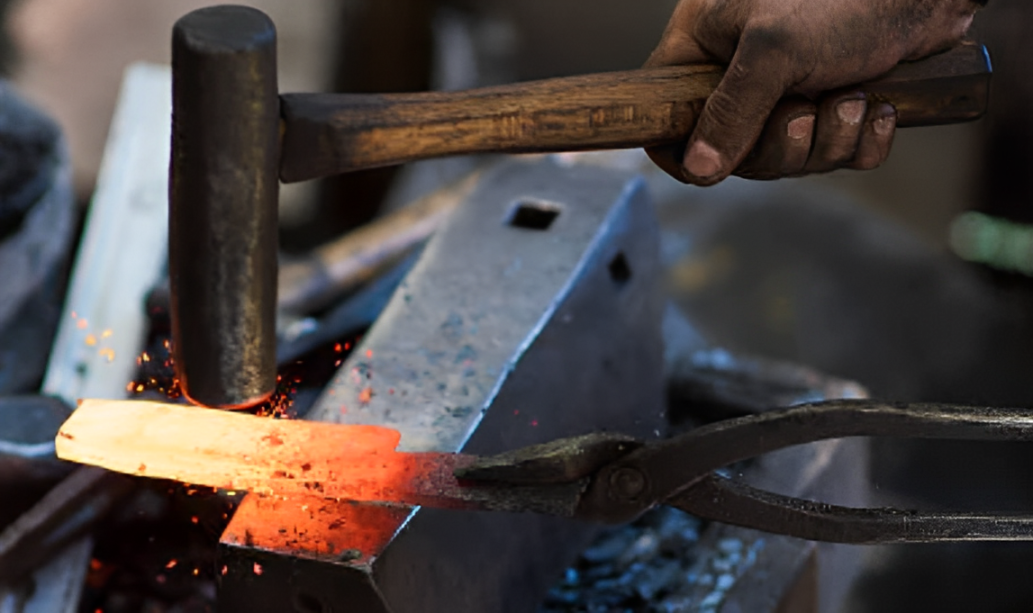
The Soul of Craftsmanship
-
Embracing the Future Through Courage
On the path of craftsmanship, failures and setbacks are inevitable—but they are never the end. With each step forward, we learn, refine, and grow. Every time we face a new technique or material, uncertainty arises, but beyond that uncertainty lies transformation.
-
Only those who dare to leap can unlock hidden possibilities. It is like spreading your wings and feeling the wind carry you higher than you ever imagined.
-
To honor tradition while embracing innovation—this is the essence of our craft, and the pride we carry into the future. As long as we hold onto courage, the path will continue to unfold before us, leading to places we have yet to dream.
Experience the sharpness trusted by 98% of Japan’s top chefs — handcrafted in Sakai City.
Through our exclusive partnership with Shiroyama Knife Workshop, we deliver exceptional Sakai knives worldwide. Each knife comes with free Honbazuke sharpening and a hand-crafted magnolia saya, with optional after-sales services for lasting confidence.
KIREAJI's Three Promises to You
-
1. Forged in the Legacy of Sakai
From Sakai City—Japan’s renowned birthplace of professional kitchen knives—each blade is crafted by master artisans with over six centuries of tradition. Perfectly balanced, enduringly sharp, and exquisitely finished, every cut carries the soul of true craftsmanship.
-
2. Thoughtful Care for Everyday Use
Every knife includes a hand-fitted magnolia saya for safe storage. Upon request, we offer a complimentary Honbazuke final hand sharpening—giving you a precise, ready-to-use edge from day one.
-
3. A Partnership for a Lifetime
A KIREAJI knife is more than a tool—it is a lifelong companion. With our bespoke paid aftercare services, we preserve its edge and beauty, ensuring it remains as precise and dependable as the day it first met your hand.