The Art of Forging: Crafting the Finest Japanese Knives
-
APRIL 13, 2023
-
Understanding Forging in Traditional Japanese Bladesmithing
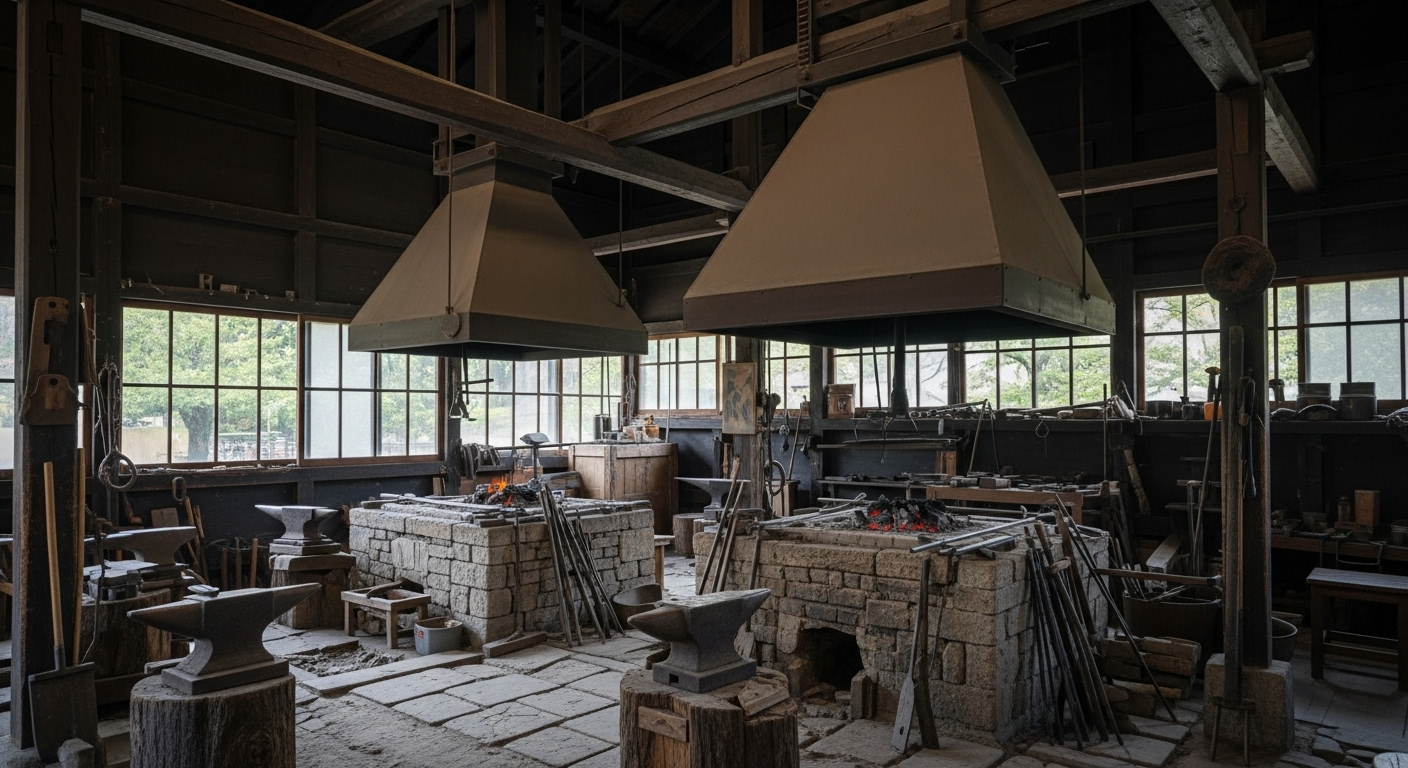
Forging is an age-old technique essential in the creation of Japanese swords and culinary knives. This method involves meticulous hammering and tempering of iron to achieve unparalleled quality and sharpness.
-
Forging vs. Casting: A Contrast in Techniques
- Forging:
This labor-intensive process strengthens the steel, enhancing its density and sharpness. Forged knives, known for their robust construction, feature a thick base that tapers to a finely honed edge. - Casting:
In contrast, casting involves melting metal and pouring it into molds. While efficient, it lacks the refinement and individuality of forged blades.
- Forging:
-
The Prestige of Forged Japanese Knives
Traditional Japanese cuisine relies on the exceptional quality of Honyaki and Kasumi knives, both forged by hand. These masterpieces are treasured not only for their sharpness, but also as symbols of heritage and discipline in professional kitchens.
-
-
Characteristics of Forged Knives
Forged knives are distinguished by:
- Densely structured steel that ensures long-lasting sharpness
- A gradual taper from spine to edge, designed for precision cutting
- A shorter tang, produced by sandwiching steel during forging, which contributes to balance and handling
While not all Japanese knives are forged—more affordable stamped options exist—the forged blade remains the ultimate expression of craftsmanship.
- Densely structured steel that ensures long-lasting sharpness
-
-
Conclusion: The Spirit in the Steel
Forged knives are more than tools. They are living symbols of tradition, patience, and the bond between craftsman and steel. Each hammer strike refines not only the blade, but also the spirit of the maker who pours his heart into it.
When a chef holds a forged knife, they hold centuries of wisdom and dedication—steel transformed into art. These blades do not simply cut; they carry the weight of culture, the soul of craftsmanship, and the promise of beauty in every meal prepared.
The Soul of the Blade: The Art of Japanese Forging
-
Japanese forging is a meticulous, time-honored craft that transforms steel into a blade of exceptional quality.
Through repeated heating, hammering, and tempering, the steel’s structure is refined, creating a knife with enduring sharpness, strength, and cultural significance.
Forged blades are more than tools—they are expressions of craftsmanship and heritage. -
The Making of Japanese Knives
For over six centuries, Sakai’s artisans have transformed raw steel into blades of extraordinary sharpness and beauty. From forging and heat treatment to sharpening and handle fitting, each step carries the spirit of tradition—revealing why Japanese knives are trusted by chefs around the world.
The Soul of Craftsmanship
-
The Moment the Wind Passes Through the Heart
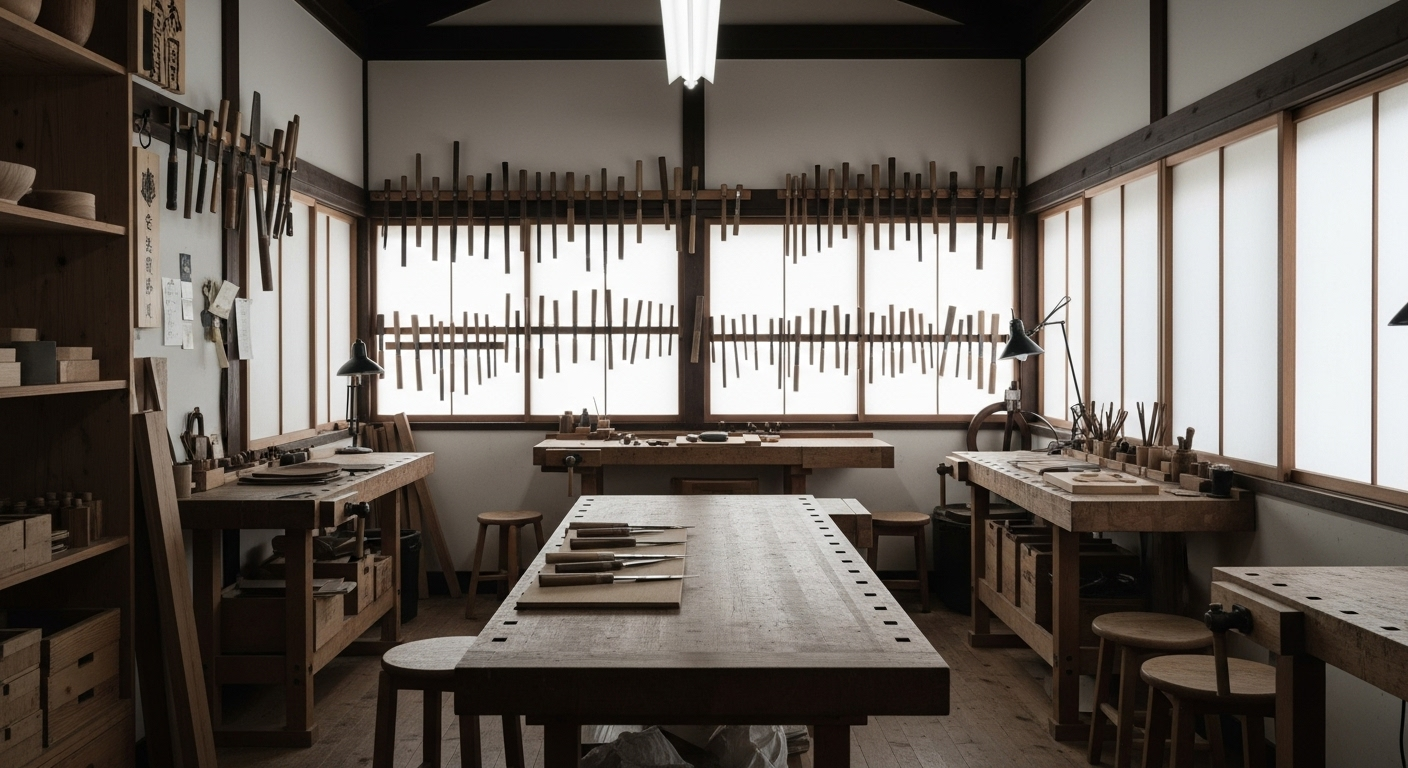
Working as a traditional craftsman of Japanese knives is like gazing into a mirror that reflects the truest self. In the relentless pursuit of perfection, I once struggled to forgive my own shortcomings and failures. But over time, I realized something profound: accepting even the flawed parts of myself is essential to the journey.
-
The tiny scratches on a blade, the subtle irregularities in sharpening—facing them honestly, correcting when possible, and sometimes leaving them as they are—taught me an invaluable lesson. Within these imperfections, I began to feel a quiet wind passing through my heart.
-
Weaknesses and mistakes are not stains to be hidden. They are part of a craftsman’s character. Just as a knife does not need to be flawless to serve, a person does not need to be perfect to shine. It is individuality—the small imperfections—that allow a tool to fit seamlessly into someone’s hand, or resonate deeply in someone’s heart.
-
The day I finally told myself, “It’s okay to just be me,” the tension lifted, and a new sense of flow entered my work.
To all who read this, be gentle with yourselves. Let the wind pass through your heart, and you may discover something quietly beautiful—in both life and in craft.
Blog Author: Toru
-Professional background-
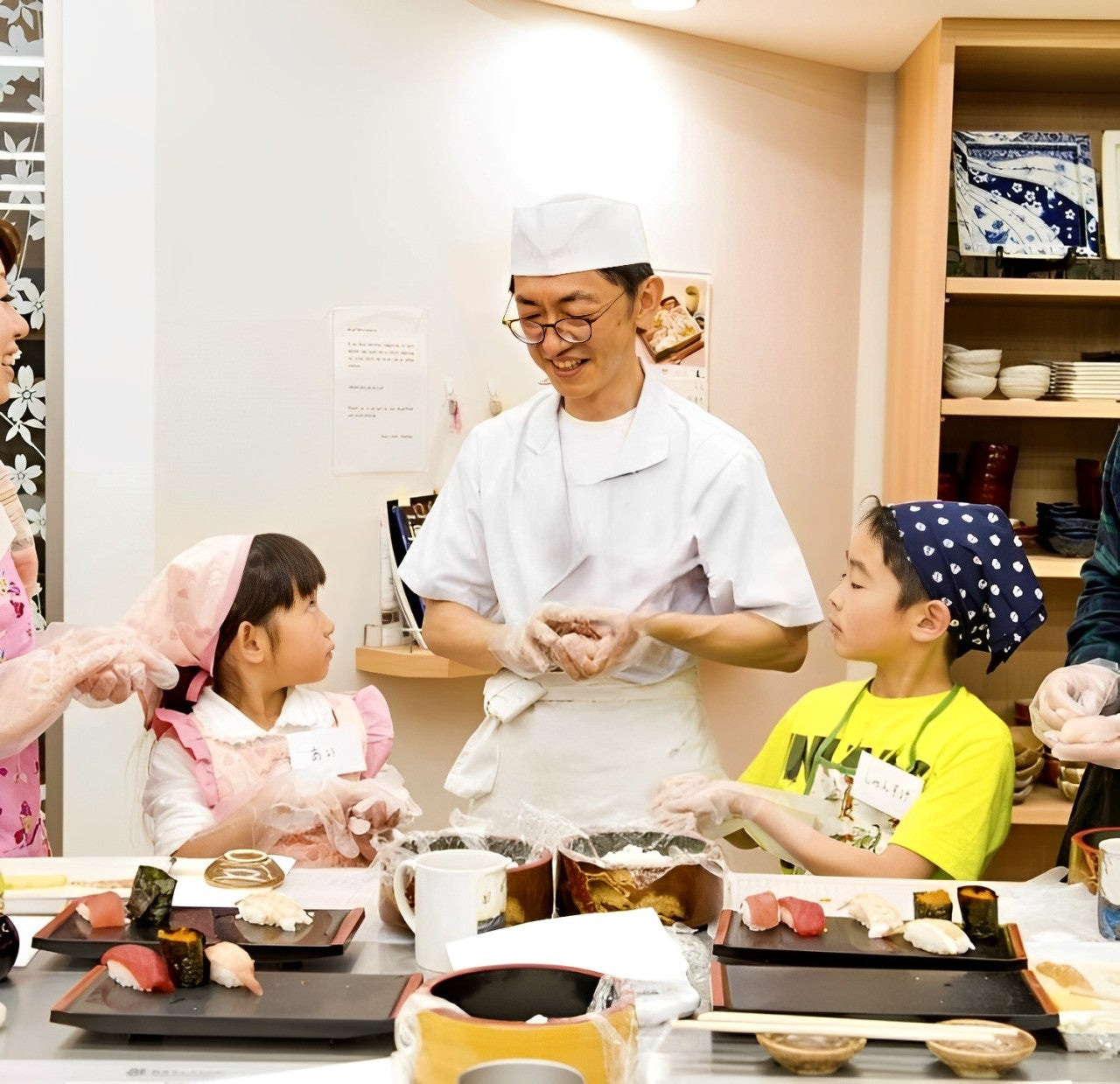
・Graduated from Tokyo Sushi Academy
・Sushi lesson instructor at Tsukiji Tokyo
・Making sushi at RC Show, one of Canada's largest Toronto food shows
Traditional Japanese knives, like those from Sakai City, are globally prized for their sharpness and elegance. Yet, Sakai's dwindling artisans pose a challenge to preserving this craft. To combat this, I'm dedicated to spreading the brilliance of Japanese knives worldwide. My dream is to sustain Sakai's legacy while meeting global demand.
Experience the sharpness trusted by 98% of Japan’s top chefs — handcrafted in Sakai City.
Through our exclusive partnership with Shiroyama Knife Workshop, we deliver exceptional Sakai knives worldwide. Each knife comes with free Honbazuke sharpening and a hand-crafted magnolia saya, with optional after-sales services for lasting confidence.
KIREAJI's Three Promises to You
-
1. Forged in the Legacy of Sakai
From Sakai City—Japan’s renowned birthplace of professional kitchen knives—each blade is crafted by master artisans with over six centuries of tradition. Perfectly balanced, enduringly sharp, and exquisitely finished, every cut carries the soul of true craftsmanship.
-
2. Thoughtful Care for Everyday Use
Every knife includes a hand-fitted magnolia saya for safe storage. Upon request, we offer a complimentary Honbazuke final hand sharpening—giving you a precise, ready-to-use edge from day one.
-
3. A Partnership for a Lifetime
A KIREAJI knife is more than a tool—it is a lifelong companion. With our bespoke paid aftercare services, we preserve its edge and beauty, ensuring it remains as precise and dependable as the day it first met your hand.