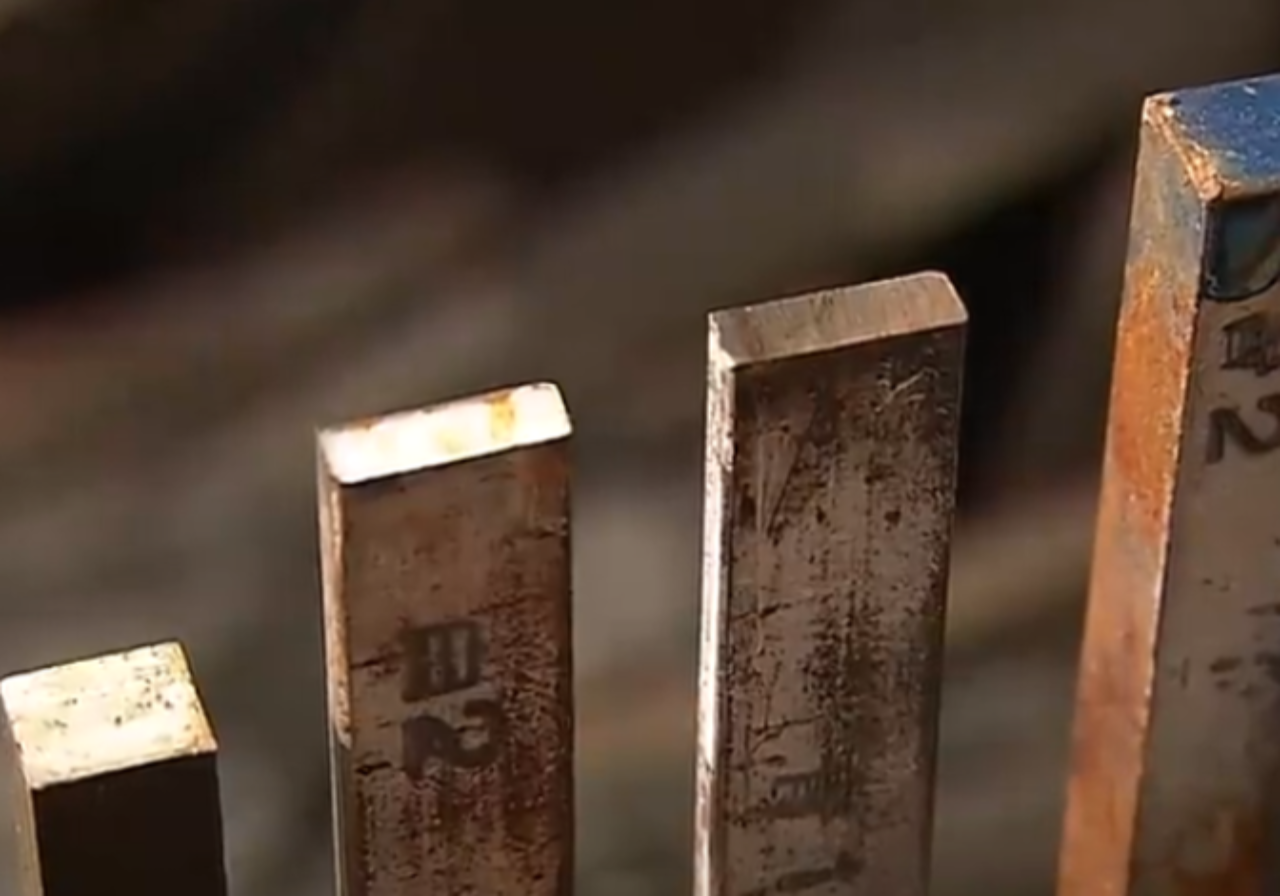
Blue Steel vs. White Steel: Choosing the Right Japanese Knife Steel
-
MAY 11, 2024
-
When selecting a Japanese kitchen knife, understanding the difference between White Steel and Blue Steel can elevate both your cooking experience and your knife's performance.
-
Composition & Structure
White Steel is a high-carbon, minimally alloyed steel that can take an incredibly fine edge. It’s prized for its ability to deliver razor-sharp precision and is relatively easy to sharpen. However, it's more prone to rust and dull quicker with heavy use .
-
Blue Steel, in contrast, includes added chromium and tungsten—enhancing its edge retention, toughness, and overall wear resistance. These additions offer improved durability, but also make polishing and sharpening more demanding
-
Cutting Feel and Maintenance
White Steel excels at delivering a sharp, clean cut with minimal effort, ideal for delicate slicing—like sashimi or thin vegetables. It's quickly restored to sharpness with just a few strokes on a whetstone.
Blue Steel, meanwhile, maintains its edge longer between sharpenings, making it suited for high-volume cooking. It’s a dependable choice if you're looking to stay sharp without frequent maintenance.
-
Choosing Between Them
- Prioritize sharpness and ease of maintenance? Choose White Steel.
- Need extended sharpness and durability for heavy use? Blue Steel is the better match.
-
Ultimately, the blade’s craftsmanship matters as much as the steel. A well-forged White Steel blade can outperform a poorly made Blue Steel. Consider your cooking habits, maintenance comfort level, and respect the skill behind the blade.
Choosing Between White Steel and Blue Steel: What Truly Fits Your Cooking Style?
-
White Steel offers pure sharpness and easy maintenance, while Blue Steel delivers durability and long-lasting performance. The right choice depends on how you cook and how you care for your knife.
-
Japanese Knife Materials
The steel behind a Japanese knife defines its sharpness, durability, and care. From traditional carbon steels like White #2 and Blue #2 to modern innovations such as Ginsan and ZDP189, each material offers its own balance of performance and maintenance. This guide explores how these choices shape the knives we use today.
The Soul of Craftsmanship
-
Finding Strength in Challenge
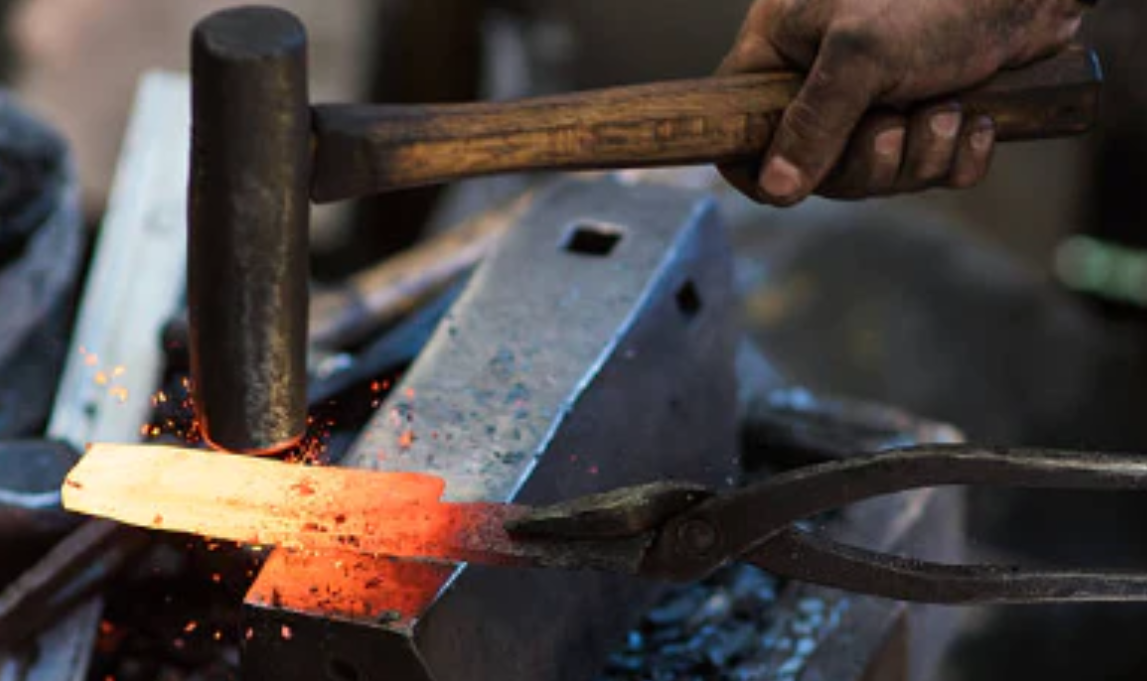
In Sakai, Japan, where kitchen knives have been forged for over 600 years, perfection has never meant avoiding failure. True craftsmanship lives in the balance between success, challenge, and growth.
-
A master once told me: “If even one out of three attempts succeeds, that is enough.”
At first, this seemed surprising. But in the workshop, I came to understand. Each failure is not wasted—it is a lesson, a foundation for the next step forward. And when that one success is achieved, the joy is incomparable. It is a moment when new techniques are born, and the craft itself evolves. -
This philosophy shapes the spirit of KIREAJI. Every knife is not just a product of steel—it is the result of countless trials, adjustments, and refinements. The invisible failures give birth to visible beauty.
-
In a world that often demands flawless results, Sakai’s artisans remind us that imperfection is not weakness—it is possibility. It is the space left open for growth, the spark that drives innovation.
-
At KIREAJI, we carry this belief in every blade we share with the world. When you hold one of our knives, you hold not only centuries of tradition, but also the courage of artisans who continue to challenge themselves every day.
Experience the sharpness trusted by 98% of Japan’s top chefs — handcrafted in Sakai City.
Through our exclusive partnership with Shiroyama Knife Workshop, we deliver exceptional Sakai knives worldwide. Each knife comes with free Honbazuke sharpening and a hand-crafted magnolia saya, with optional after-sales services for lasting confidence.
KIREAJI's Three Promises to You
-
1. Forged in the Legacy of Sakai
From Sakai City—Japan’s renowned birthplace of professional kitchen knives—each blade is crafted by master artisans with over six centuries of tradition. Perfectly balanced, enduringly sharp, and exquisitely finished, every cut carries the soul of true craftsmanship.
-
2. Thoughtful Care for Everyday Use
Every knife includes a hand-fitted magnolia saya for safe storage. Upon request, we offer a complimentary Honbazuke final hand sharpening—giving you a precise, ready-to-use edge from day one.
-
3. A Partnership for a Lifetime
A KIREAJI knife is more than a tool—it is a lifelong companion. With our bespoke paid aftercare services, we preserve its edge and beauty, ensuring it remains as precise and dependable as the day it first met your hand.