• 一段深入日本料理核心的旅程——在这里,海洋、土壤和刀具共同讲述着一个故事。

  • 2023 年 4 月 1 日

  • Why does Japan have so many different types of kitchen knives?

    A long, slender yanagiba for slicing sashimi. A thick, sturdy deba for preparing fish. A thin usuba for cutting vegetables with remarkable precision.

    These knives may seem unusually specialized to someone more familiar with an all-purpose kitchen knife.

    But their shapes did not develop simply because Japanese craftspeople wanted to create different tools.

    They evolved in response to the foods people prepared and the techniques cooks developed over generations.

    To understand Japanese knives, we first need to understand something about Japanese food culture, particularly the important roles of fish and vegetables.

  • 柱子

    在丰富多彩的全球烹饪传统中,日本饮食文化因其强调自然与食物之间的和谐而脱颖而出。深入研究日本烹饪的核心,就会发现人们对蔬菜和鱼类有着根深蒂固的喜爱,而这些食材几个世纪以来一直塑造着日本烹饪实践的精髓。

  • 柱子

    从历史上看,日本人的饮食反映了该国的地理条件,周围的海洋和肥沃的土地提供了丰富的鱼类和时令蔬菜。这些食材构成了传统日本料理的基石,证明了日本文化与自然的深厚联系。

  • 柱子

  • 柱子

    准备这些食材的关键是日本厨刀,这些工具经过几代人的磨练,以满足这个岛国美食的特定需求。无论是生鱼片的复杂切片,还是传统怀石料理的精确蔬菜切割,日本厨刀不仅仅是工具——它们是厨师手的延伸,旨在保留和增强食材的天然风味。

  • 5. How Vegetables Shaped Japanese Kitchen Knives 

    Vegetables have also influenced the development of Japanese kitchen knives.

    In traditional Japanese cooking, cutting vegetables can involve much more than dividing them into smaller pieces.

    The shape, thickness, and consistency of each cut may affect how an ingredient cooks, absorbs seasoning, or appears on the plate.

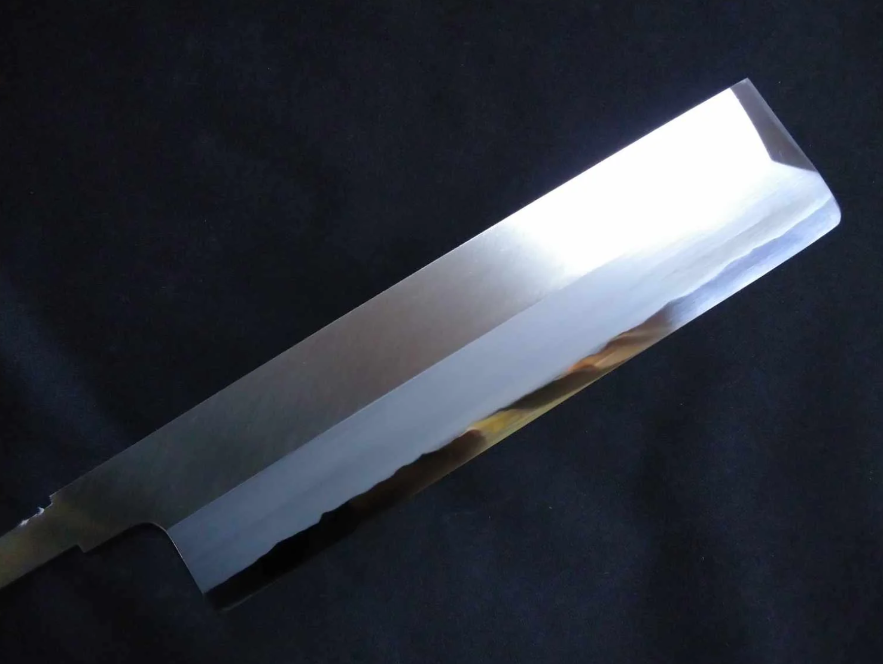
    One of the most distinctive knives associated with this work is the usuba.

    Usuba: A thin, single-bevel knife designed for precise vegetable preparation. It is particularly associated with techniques such as katsuramuki, in which a vegetable is cut into a long, continuous, thin sheet.

    This technique requires careful control of the blade and a consistent cutting motion.

    The goal is not simply to cut the vegetable as thinly as possible, but to produce a controlled and even result.

    Other Japanese knives, including the nakiri, are also designed for vegetable preparation, offering different cutting characteristics and levels of specialization.

    These tools remind us that the design of a knife is closely connected to the work it is expected to perform.

  • 柱子

    结论:颂扬日本料理的简约和深度

  • 7. From Japanese Food Culture to Sakai Craftsmanship 

    Sakai, Japan, is known for its long tradition of producing specialized kitchen knives.

    The region's knife-making culture developed alongside the needs of professional users and changing culinary practices.

    In traditional Sakai knife production, different specialists contribute to the finished knife.

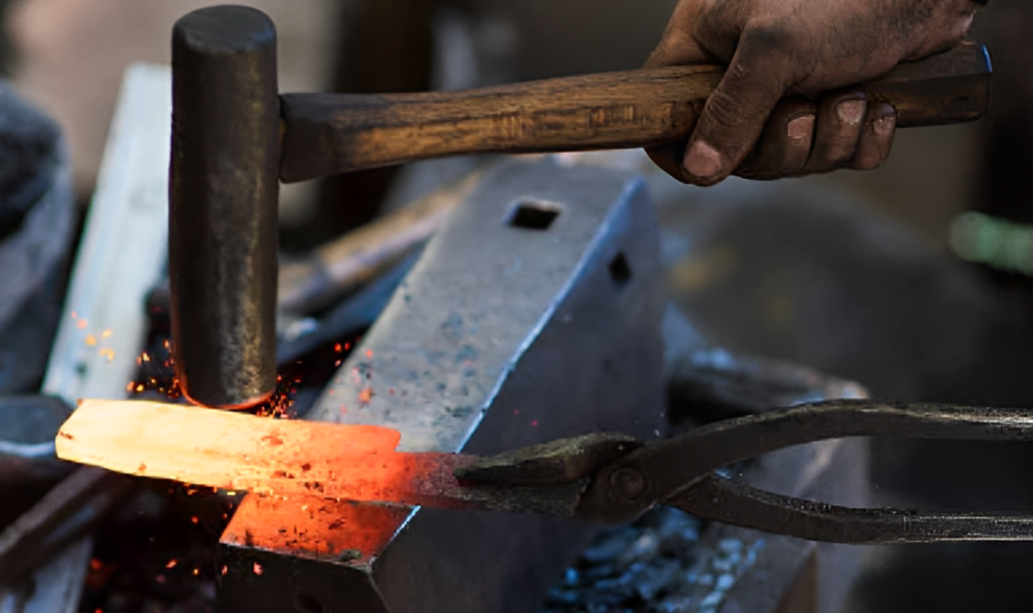
    Blacksmiths shape and heat-treat the blades.

    Sharpeners refine the blade geometry and cutting edges.

    Handle specialists help complete the knives as practical tools.

    The resulting knives reflect not only the skill of their makers, but also an understanding of how the tools will be used.

    A yanagiba is not shaped like a deba because the two knives serve different purposes.

    An usuba is not designed like a gyuto because their intended cutting techniques are different.

    These distinctions connect craftsmanship directly to the kitchen.

    At KIREAJI, we believe that understanding this connection helps readers appreciate Japanese knives beyond their sharpness or appearance.

  • Conclusion: The Food Behind the Knife 

    Japanese food culture is rich, diverse, and constantly evolving.

    Fish and vegetables have played particularly important roles, alongside rice, grains, soybeans, and many other ingredients.

    Over generations, the techniques used to prepare these foods helped shape the design of specialized Japanese kitchen knives.

    Today, traditional knives continue to be used alongside modern and versatile designs, reflecting both continuity and change in Japanese cooking.

    At KIREAJI, we believe that learning about the food behind a knife offers a deeper way to understand the work of the artisans who make it.

    Because a Japanese knife is not simply a piece of sharpened steel.

    Its shape tells us something about the ingredients people prepare, the techniques they have developed, and the everyday meals that have given the tool its purpose.

  • Japanese cuisine is built on nature’s gifts—vegetables and fish—and elevated by the knife, a tool that preserves purity, texture, and flavor through every cut.

    日本料理以大自然的馈赠——蔬菜和鱼类——为基础,并通过刀工提升其品质,刀工能够通过每一次切割保留食材的纯净度、质地和风味。

柳叶


要想掌握制作生鱼片的技巧,柳刃刀是必不可少的。
其较长的单斜面刀片可实现精确、美观的切割,从而增强菜肴的外观和质感。
无论您是专业人士还是家庭厨师,了解这把刀的特点都会大大提高您的技能。

柳场

薄叶

薄刃刀是一种日本刀,主要用于切蔬菜,适合精细任务。其单刃设计使切割变得锋利且精确,适合复杂的切割。它是日本料理中不可或缺的工具,可用于剥萝卜皮和切成薄片等任务。

乌苏巴
  • 晨曦之光 心灵之色

    “好啦,早上好!”或者“唉,又是早上好...”这些不仅仅是词语,更是你心情状态的反映。

  • 在传统工艺的世界里,即使使用相同的材​​料,一个工匠也能创作出杰作,而另一个工匠则可能创作不出杰作。这其中的区别是什么?关键在于态度——一个人如何对待材料和当下的瞬间。

  • 就像清晨的薄雾一样,一天的开始可能显得模糊或不确定。但如果你选择看向光线照射的方向,视野就会完全改变。这对于日常生活和工匠画笔的细腻笔触都是如此。

  • 如果你用坚定的“好吧!”来面对这一天,它就会闪闪发光;如果你叹息“唉”,它就会失去色彩。这就是为什么当我看着晨雾时,我会坚定我的心,并有目的地移动我的手。愿你的一天也能成为一个光芒四射的“好吧!”。