

如何切蔬菜
-
-
2023 年 4 月 30 日
-
通过基本的切割技术来完善您的蔬菜准备,旨在优化质地和口感,无论是日本料理还是任何烹饪风格。
-
柱子
正确的切割动作
-

-
柱子
了解植物纤维
-
柱子
在日本烹饪传统中,白萝卜经常作为生鱼片的配菜,其切割方法会极大地影响其外观和质地。主要有两种风格:
- 垂直切片:沿着萝卜纤维垂直切片,可保持其脆度,为生鱼片增添清爽的口感。
- 横切:将萝卜横切,可使其形状更柔和、更圆润,作为生鱼片的精致“床”,增强其外观和口感。

-

-
柱子
精准切割,提升烹饪水平
-
5. Daikon Radish and the Art of Sashimi Garnishes
Daikon radish offers a useful example of how cutting technique can influence presentation and eating experience.
In Japanese cuisine, finely cut daikon is commonly served alongside sashimi.
These delicate strips are often called ken, while tsuma is a broader term associated with garnishes or accompaniments served with sashimi.
Different cutting orientations and preparations can produce variations in texture and appearance.
Tateken (vertical-cut ken): In preparations described as tateken, the daikon is cut with attention to the lengthwise direction of its structure. The resulting strips can retain a firmer, crisper character.
Yokoken (cross-cut ken): Cutting across the relevant structure can produce strips with a different, sometimes softer bite.
Terminology and preparation methods may vary among culinary traditions and individual kitchens.
The thickness of the strips, the condition of the daikon, and how it is handled after cutting also affect the result.
The purpose is not simply decoration.
Well-prepared garnishes can contribute freshness, contrast, and visual balance to a plate of sashimi.
-
6. Choosing the Right Japanese Knife for Vegetables
Japanese kitchen knives come in different shapes, each developed for particular types of work.
Nakiri: A double-bevel vegetable knife with a relatively straight cutting edge. Its shape is suited to many vegetable-cutting tasks, including slicing and controlled chopping.
Usuba: A traditional single-bevel vegetable knife used in professional Japanese cuisine. It is associated with precise vegetable preparation, including techniques such as katsuramuki, in which a vegetable is peeled into a continuous thin sheet.
Santoku: A versatile kitchen knife commonly used for vegetables, fish, and meat. It is a practical choice for many home kitchens.
Gyuto: A versatile chef's knife that can handle a wide range of ingredients and cutting techniques.
Petty: A smaller knife useful for detailed preparation and working with small ingredients.
No single knife is automatically best for every vegetable.
The right choice depends on the cutting task, the user's experience, and the desired result.
A specialized knife can offer advantages in skilled hands, but a well-maintained general-purpose knife can also produce excellent results.
-
7. Safe and Consistent Vegetable Cutting
Precision begins with a stable working environment.
Place your cutting board on a secure surface and use a non-slip mat or damp cloth underneath if necessary.
Keep ingredients stable before cutting.
For round vegetables, creating a flat surface where appropriate can help prevent rolling.
Use a comfortable grip and keep the fingertips of your guiding hand away from the cutting path.
A claw-style grip, with the fingertips curled inward, can help maintain a safer position.
Begin slowly and focus on consistent movement rather than speed.
Pay attention to the direction of the blade and avoid using unnecessary force.
A sharp knife can improve cutting control when used properly, but it still requires care and concentration.
Consistency develops through practice, not through rushing.
-
8. Respecting the Ingredient Through Knife Work
In Japanese cooking, careful preparation can express an appreciation for the ingredient itself.
A vegetable is not merely something to be divided into smaller pieces.
Its texture, moisture, shape, and natural character all contribute to the finished dish.
A crisp cucumber may benefit from one type of cut, while a daikon radish prepared for simmering may require another.
Fine vegetable strips served with sashimi have a different purpose from vegetables cut for soup.
Understanding these differences allows the cook to make deliberate choices.
At KIREAJI, we believe that appreciating a Japanese knife means understanding not only how it is made, but also how it can be used.
The skill of the blacksmith and sharpener prepares the tool.
The knowledge and care of the cook give that tool its purpose.
-
Conclusion: A Better Cut Begins with Understanding
Learning to cut vegetables well is not simply a matter of speed or appearance.
It involves understanding the ingredient, selecting an appropriate knife, and choosing a cutting motion that supports the desired result.
Fiber direction can influence texture in some vegetables, while size, thickness, and shape affect cooking and presentation.
A well-maintained edge helps, but technique remains essential.
At KIREAJI, we believe good knife work begins with attention.
When we take the time to understand how a vegetable responds to the blade, even a simple ingredient can reveal new possibilities.
And sometimes, the difference between an ordinary dish and a memorable one begins with the way it is cut.

乌苏巴
-
每一片都精准
三种刀刃,三种传统。从精准的薄刃,到多用途的镰刀,再到精致的木物刀,每一次切割都展现出食材中蕴藏的美感。
-

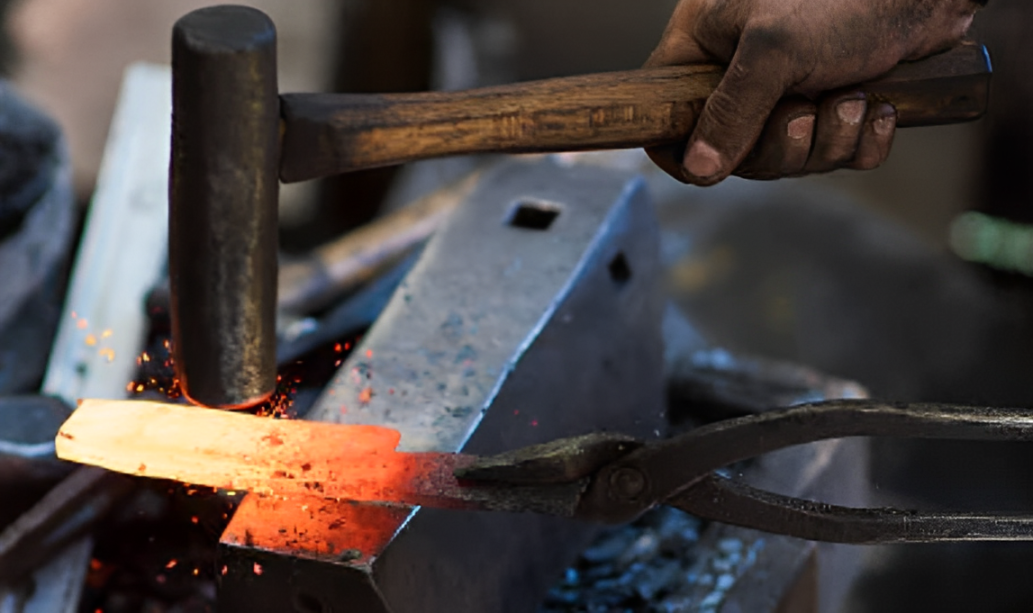
工艺的起源
-
勇敢拥抱未来
在工匠之路上,失败和挫折在所难免。然而,我们从未停止一步步前进。每当我们用新技术或新材料挑战自己时,都会产生一种不确定性,但除此之外,还有成长。
-
只有那些敢于跨越的人才能抓住尚未开发的可能性。这就像展开翅膀,感受风将你带向更高的高度。
-
秉承传统,追求创新——这是我们工艺的精髓,也是我们对未来的骄傲。只要你鼓起勇气,前路总会在你面前展开。


体验堺市的匠心工艺
我们与Shiroyama Knife Workshop合作,将匠心打造的堺刀带给全球客户。每把刀都配有玉兰木刀鞘,经过精心挑选和制作。根据要求,我们还提供免费的Honzubake(本刃付)服务,作为首次手工磨砺,旨在让刀具做好实际使用的准备。