

Vous cherchez un couteau d'un artisan précis ?
-

Connaître le nom derrière l'acier
La plupart des gens recherchent des couteaux par type, par acier, par longueur. Ce sont des façons raisonnables de chercher. Mais parfois, quelqu'un arrive avec un nom — le nom d'un artisan spécifique — et ce nom est le début et la fin de la recherche. Tout le reste est secondaire.
Connaître le nom de l'artisan derrière une lame, c'est comprendre quelque chose que la majeure partie du marché du couteau ne pense jamais à demander : que le couteau n'est pas seulement le produit d'un processus, mais le produit d'une personne. Une personne avec une histoire d'apprentissage spécifique, une manière spécifique de travailler l'acier, un jugement spécifique sur la chaleur, le timing et la géométrie qu'aucune autre main d'artisan ne reproduira de la même manière.
Shogo Yamatsuka est l'un des artisans traditionnels certifiés de Sakai, une désignation accordée aux artisans qui ont accumulé une expérience substantielle et démontré des compétences traditionnelles reconnues. Ses couteaux reflètent le jugement et les techniques développés au cours d'années de travail dévoué.
Lorsqu'un client arrive en connaissant déjà le nom de l'artisan qu'il recherche, il ne cherche pas simplement un couteau. Il cherche une lame liée à un fabricant, une tradition et un ensemble d'œuvres particuliers.
Nous avons contacté directement l'atelier Shiroyama Knife, confirmé la disponibilité et aidé le client à obtenir le couteau qu'il recherchait.
-

Ce que notre site web ne peut pas toujours montrer
Il y a quelque chose d'important à dire sur ce qui apparaît sur un site web et ce qui n'y apparaît pas.
Un site web est un instantané – une représentation de ce qui est actuellement listé et disponible pour une commande régulière. Mais il ne peut pas toujours refléter toutes les possibilités.
Certains couteaux peuvent n'exister qu'en très petit nombre. D'autres peuvent n'être disponibles qu'après confirmation directe auprès de l'atelier. Il peut également y avoir des pièces restantes fabriquées par des artisans qui ont pris leur retraite ou qui ne produisent plus de nouvelles œuvres.
Cela ne signifie pas que ces couteaux sont toujours disponibles. Cela signifie que le site web à lui seul peut ne pas refléter tous les couteaux qui peuvent encore être confirmés par l'atelier.
C'est pourquoi une demande de renseignements est importante.
Parmi les couteaux liés à la tradition de Sakai, il y a des pièces fabriquées par des artisans traditionnels qui ne travaillent plus. Certains ont pris leur retraite de la profession. Certains sont décédés. Les couteaux qu'ils ont fabriqués – ceux qui restent – ne sont pas un inventaire ordinaire. Ce sont les preuves physiques restantes d'une vie de travail passée à la forge ou à la pierre à aiguiser, le résultat d'une discipline pratiquée jusqu'à ce qu'elle ne puisse plus être poursuivie.
Ces pièces ne peuvent pas simplement être réapprovisionnées. Quand elles trouvent leurs propriétaires, elles sont parties. Non pas retirées du marché. Parties – de la manière dont tout ce qui est véritablement irremplaçable disparaît quand il n'est plus présent.
-

Le poids d'un dernier couteau
Il y a quelque chose de particulier à tenir un couteau fabriqué par quelqu'un qui n'en fabriquera plus jamais.
Ce n'est pas du chagrin, pas exactement. C'est plus proche de ce que l'on ressent quand on comprend, pleinement, que ce que l'on tient est achevé — que le fabricant a mis tout son savoir-faire dans l'œuvre, que l'œuvre existe dans sa forme finale, et qu'aucun raffinement ou révision supplémentaire par ces mêmes mains n'est possible.
Les collectionneurs comprennent cela. Mais il n'y a pas que les collectionneurs qui méritent de tenir ces couteaux. C'est toute personne qui cuisine avec une réelle attention, qui comprend que l'objet dans sa main a été fabriqué par quelqu'un qui a passé une vie de travail à apprendre ce que cet objet exigeait, et qui veut être dans cette relation — du cuisinier à l'artisan, quelle que soit la distance de temps qui les sépare maintenant.
Un couteau fabriqué par un maître qui ne produit plus de nouvelles œuvres n'est pas seulement une relique. Il peut rester un outil de travail qui porte le caractère d'un corps d'artisanat achevé. Avec une utilisation appropriée et un entretien soigné, un tel couteau peut continuer à servir son propriétaire pendant de nombreuses années.
La contribution de l'artisan ne disparaît pas lorsque l'artisan n'est plus là. Elle reste incarnée dans la lame, disponible pour être expérimentée par quiconque l'utilise et en prend soin ensuite.
-

Comment trouver ce qui ne figure pas sur la liste
Si vous recherchez un couteau spécifique – fabriqué par un artisan spécifique, dans un acier ou un profil spécifique – et qu'il ne figure pas sur notre site web, la réponse n'est pas toujours de vous contenter de quelque chose d'autre.
Contactez-nous. Dites-nous ce que vous cherchez. Dites-nous le nom, si vous le connaissez. Dites-nous la tradition, l'acier, la longueur, le profil. Dites-nous pourquoi c'est important pour vous.
Nous consulterons directement l'atelier de coutellerie Shiroyama. Nous pourrons demander ce qui est disponible, si un couteau comparable peut encore être produit et si des pièces pertinentes existent en dehors du catalogue régulier.
Nous ne pouvons pas promettre que chaque couteau, artisan, acier ou spécification pourra être trouvé ou reproduit. Mais nous pouvons poser des questions avec soin, confirmer honnêtement et partager ce que nous apprenons.
C'est ce que signifie servir de pont – non pas entre un catalogue et un panier d'achat, mais entre une personne qui sait ce qu'elle cherche et les artisans, ateliers et œuvres restantes qui peuvent encore répondre à cette recherche.
Certaines opportunités en matière d'artisanat ne se représentent pas une fois passées.
Le couteau que vous recherchez existe peut-être déjà. Il peut exister en très petit nombre. Et quand il trouve son propriétaire, il peut ne plus exister.


Formulaire de contact

Répondre aux demandes des clients
Chez KIREAJI, nous nous engageons à fournir les couteaux Sakai de fabrication artisanale à nos clients du monde entier. Chaque demande est traitée avec attention et nous vous écoutons attentivement pour vous offrir le meilleur service possible.

À propos de l'atelier de couteaux Shiroyama
Découvrez la philosophie, l'histoire et l'approche directe au client qui définissent l'atelier de couteaux Shiroyama depuis près de quatre décennies.

Les maîtres artisans de Sakai Uchihamono
À Sakai, des artisans traditionnels certifiés par le gouvernement perpétuent des techniques ancestrales. Chaque couteau n'est pas un simple outil, mais un symbole vivant de tradition, de précision et d'esprit, perpétué par leurs mains.
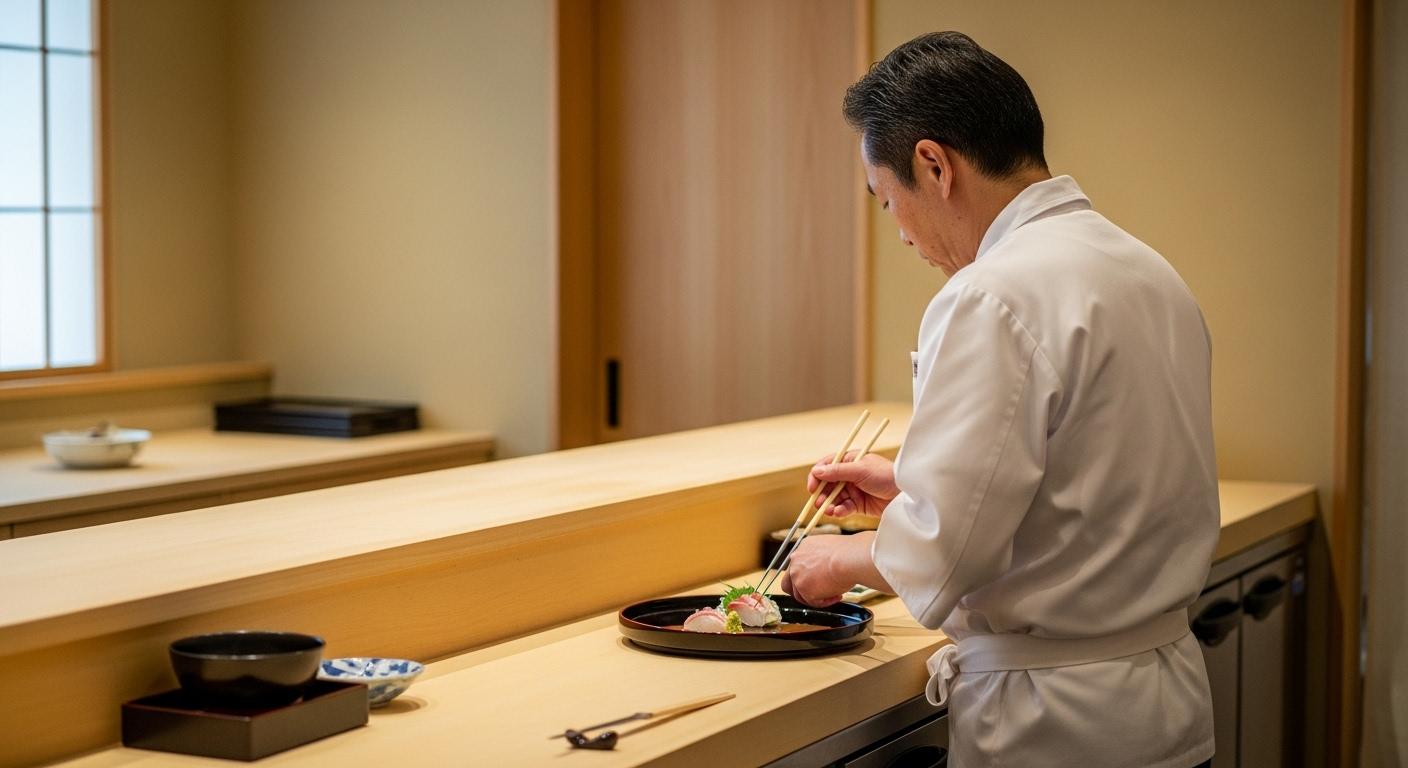
Pourquoi 98 % des chefs japonais font-ils confiance aux couteaux Sakai ?
Depuis plus de 600 ans, Sakai perfectionne un savoir-faire unique où chaque étape – forge, affûtage, finition – est maîtrisée par des spécialistes. Cette tradition fait de Sakai le berceau des couteaux les plus réputés du Japon.
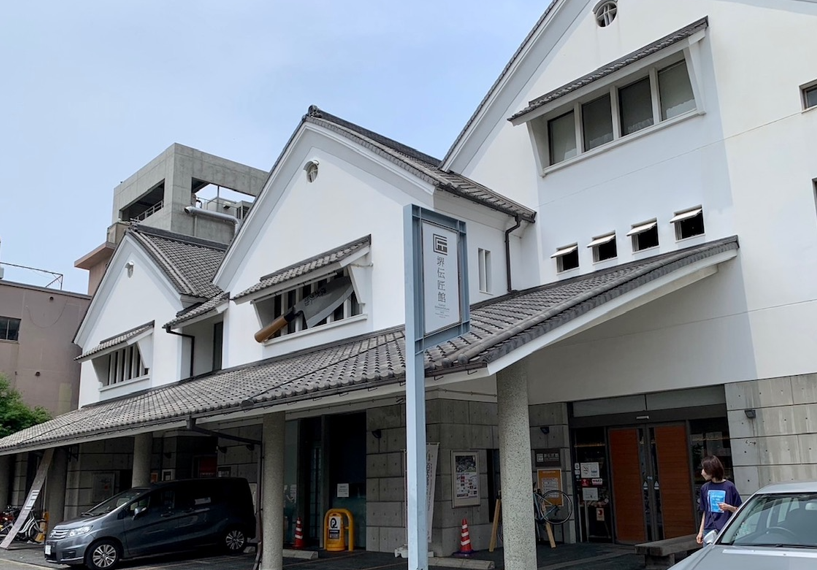
La statistique des 98 % : plus qu'un chiffre
Selon l'Office du tourisme de Sakai, « 98 % des chefs japonais utilisent des couteaux Sakai ». Ce chiffre n'est pas une simple affirmation : il reflète la confiance profonde que les chefs accordent au savoir-faire séculaire de Sakai.

Les 28 qui portent six siècles
-

Ce que signifie le titre
Au Japon, Dento Kogeishi — Artisan Traditionnel — est une désignation officielle décernée par le gouvernement national. Elle n'est pas honorifique. Elle ne peut être achetée, héritée ou accordée en reconnaissance de popularité ou d'années de service. Elle s'obtient par un processus délibérément construit pour garantir que les personnes qui la détiennent possèdent réellement ce que le titre représente.
Les exigences sont sans ambiguïté. Plus de douze ans d'expérience pratique dans la production d'un artisanat traditionnel désigné par le gouvernement. Réussite des examens écrits et pratiques, au cours desquels les connaissances techniques et la capacité à les exécuter sous surveillance sont testées indépendamment. Dans la plupart des cas, résidence et travail dans la région où l'artisanat est enraciné — afin que les compétences développées soient façonnées par la culture spécifique, l'histoire et les connaissances accumulées de ce lieu.
Le taux de réussite à l'examen pratique est faible. Ce n'est pas un accident administratif. C'est le résultat direct de ce que l'examen est conçu pour évaluer : si le candidat a véritablement intériorisé, au fil d'années de pratique répétée, le type de connaissances incarnées qui ne peuvent être acquises par l'étude seule.
Un artisan traditionnel n'a pas simplement passé du temps dans son artisanat. Il a démontré, lors d'un examen formel, que l'artisanat est véritablement entré en lui.
-

Douze ans avant le début
L'exigence de douze ans est le détail qui fait le plus souvent hésiter. Elle mérite un examen attentif, car ce qu'elle représente n'est pas simplement une durée, mais une description de ce que ce type de maîtrise exige réellement.
Dans la plupart des professions qualifiées, un praticien atteint un niveau de pratique autonome compétente en quelques années. On peut lui faire confiance pour effectuer le travail correctement sans supervision. Il a appris la procédure et peut l'exécuter de manière fiable. C'est utile. Ce n'est pas ce que sont les artisans traditionnels de Sakai.
L'aiguiseur qui obtient sa certification après douze ans n'a pas passé douze ans à apprendre une procédure. Il a passé douze ans à développer une relation avec l'acier et la pierre — apprenant à sentir, dans la résistance de la pierre à aiguiser contre la lame, si l'angle est correct ; apprenant à entendre, dans le son que le tranchant produit à différents stades de la progression, ce que l'acier lui dit ; apprenant à voir, dans la façon dont la lumière se reflète sur une surface qui approche de sa géométrie finale, si le travail est terminé.
Ce ne sont pas des compétences qui peuvent être transmises par l'instruction. Un enseignant peut montrer ce qu'il recherche. Il ne peut pas donner à l'élève les années de sensations accumulées qui rendent la reconnaissance instinctive. Les douze ans ne sont pas une période d'attente. C'est la période pendant laquelle l'artisanat forme physiquement l'artisan.
Et la certification n'est pas la fin de ce processus. C'est le moment où la formation est reconnue comme ayant atteint un niveau suffisant. Les artisans qui détiennent ce titre continuent à se développer après son obtention — parce que la tradition à laquelle ils appartiennent a toujours compris qu'un artisanat qui cesse d'évoluer cesse d'être vivant.
-

La division du travail : trois vies dans un seul couteau
Pour comprendre les artisans traditionnels de Sakai, il faut comprendre la structure de la tradition dans laquelle ils travaillent — en particulier la division du travail qui distingue Sakai de presque toutes les autres traditions de fabrication de couteaux dans le monde.
Dans la plupart des contextes de production, un couteau passe par un seul artisan ou une seule chaîne de production, de la matière première à l'objet fini. À Sakai, il passe par des spécialistes.
Le forgeron forge et façonne la lame — la géométrie dont tout le reste dépend. L'aiguiseur prend la lame forgée et crée le tranchant, en travaillant à travers une progression de pierres à aiguiser avec une précision qui nécessite une vie de pratique ciblée pour être développée. Le fabricant de manches ajuste et équilibre le manche en tenant compte de la sensation que l'objet fini procurera dans la main de la personne qui l'utilisera pendant des décennies.
Ce ne sont pas trois étapes d'un même travail. Ce sont trois métiers distincts, chacun exigeant son propre long apprentissage, son propre corpus de connaissances accumulées, sa propre façon de comprendre ce que le matériau devant lui exige.
Un couteau fabriqué selon ce système porte trois vies d'expertise ciblée. L'aiguiseur n'est pas aussi un forgeron. Il a passé sa carrière à apprendre une chose avec une profondeur extraordinaire — et cette profondeur est précisément ce qui produit la qualité pour laquelle Sakai est connue. Un généraliste qui gère toutes les étapes de la production, aussi compétent soit-il, ne peut pas apporter à chaque étape ce qu'un spécialiste qui n'a fait rien d'autre pendant douze, vingt ou trente ans apporte.
C'est ce qui rend la production de Sakai irréductible. La division du travail n'est pas un choix organisationnel. C'est la condition structurelle qui permet à la profondeur de l'artisanat à chaque étape d'atteindre le niveau qu'elle a atteint.
-

Ce qui est réellement en jeu
Les défis auxquels sont confrontés les artisans traditionnels de Sakai méritent d'être énoncés clairement, car ils sont réels et n'ont pas de solutions faciles.
Moins de jeunes choisissent cette voie. Les raisons ne sont pas difficiles à comprendre : plus d'une décennie d'apprentissage avant toute reconnaissance formelle des compétences, des salaires au cours des premières années qui ne sont pas compétitifs par rapport à d'autres professions qualifiées, et l'engagement soutenu envers une pratique unique et exigeante que la vie professionnelle moderne rend de plus en plus difficile à maintenir. Le flux de personnes entrant dans le métier est plus étroit que le flux de personnes le quittant par la retraite ou l'âge.
Les compétences qui risquent d'être perdues ne sont pas de celles qui peuvent être préservées par la seule documentation. Une vidéo d'un maître affûteur au travail capture l'apparence de la technique. Elle ne capture pas la sensation — le toucher de la pierre, le son du tranchant, le savoir incarné qui est la substance réelle de la compétence. Si la génération qui détient ce savoir ne forme pas la génération suivante à le détenir également, ce savoir ne va pas dans une archive. Il disparaît.
Tels sont les enjeux du moment. Non pas la perte d'une catégorie de produits, non pas l'affaiblissement d'une marque, mais la fin potentielle d'une tradition incarnée qui se construit continuellement depuis six siècles.
Pour y remédier, il faut plus que du sentiment. Il faut des conditions — économiques, éducatives, culturelles — dans lesquelles la décision d'entrer dans ce métier devient viable pour les jeunes talents. Cela signifie de la demande. Cela signifie de la reconnaissance. Cela signifie que le monde en dehors du Japon comprenne ce qui est proposé et le choisisse en toute connaissance de ce qu'il représente.
-

Ce que porte chaque couteau
Chaque couteau fabriqué par l'un des 28 artisans traditionnels de Sakai est le résultat de plus de douze ans d'apprentissage cumulé — et dans la plupart des cas, beaucoup plus. Il porte le jugement spécifique d'une personne qui a passé sa vie professionnelle à apprendre à sentir ce qu'un bon acier exige, et à réaliser ce travail une lame à la fois.
Il porte l'intelligence structurelle de la division du travail de Sakai — la profondeur des connaissances spécialisées à chaque étape qu'aucun processus mené par un seul praticien ne peut reproduire. Il porte les normes d'un processus de certification conçu pour garantir que les connaissances d'une génération sont véritablement transmises à la suivante.
Et il porte quelque chose qui ne peut être quantifié : la qualité d'un objet fabriqué par quelqu'un qui a donné sa vie pour bien le faire. Non pas comme un choix de carrière qui aurait pu être différent. Comme une vocation — la forme particulière qu'un engagement à vie envers l'excellence a pris chez cette personne, dans cette ville, dans cette tradition.
Tenir l'un de ces couteaux, c'est tenir le dévouement accumulé d'une vie humaine, orienté vers un but unique au cours de douze années d'apprentissage et de décennies de pratique. Ce n'est pas une hyperbole. C'est une description précise de ce qui est présent dans l'objet.
Comprendre cela n'est pas nécessaire pour cuisiner avec. Mais le comprendre change la sensation de cuisiner avec. Et ce changement — dans la manière dont le couteau est tenu, dont il est entretenu, dont on en parle aux autres — est exactement la manière dont une tradition s'étend au-delà des ateliers où elle est fabriquée.


