

AUS-10 Japanese Knife Collection
The KIREAJI Difference
KIREAJI Complimentary Services
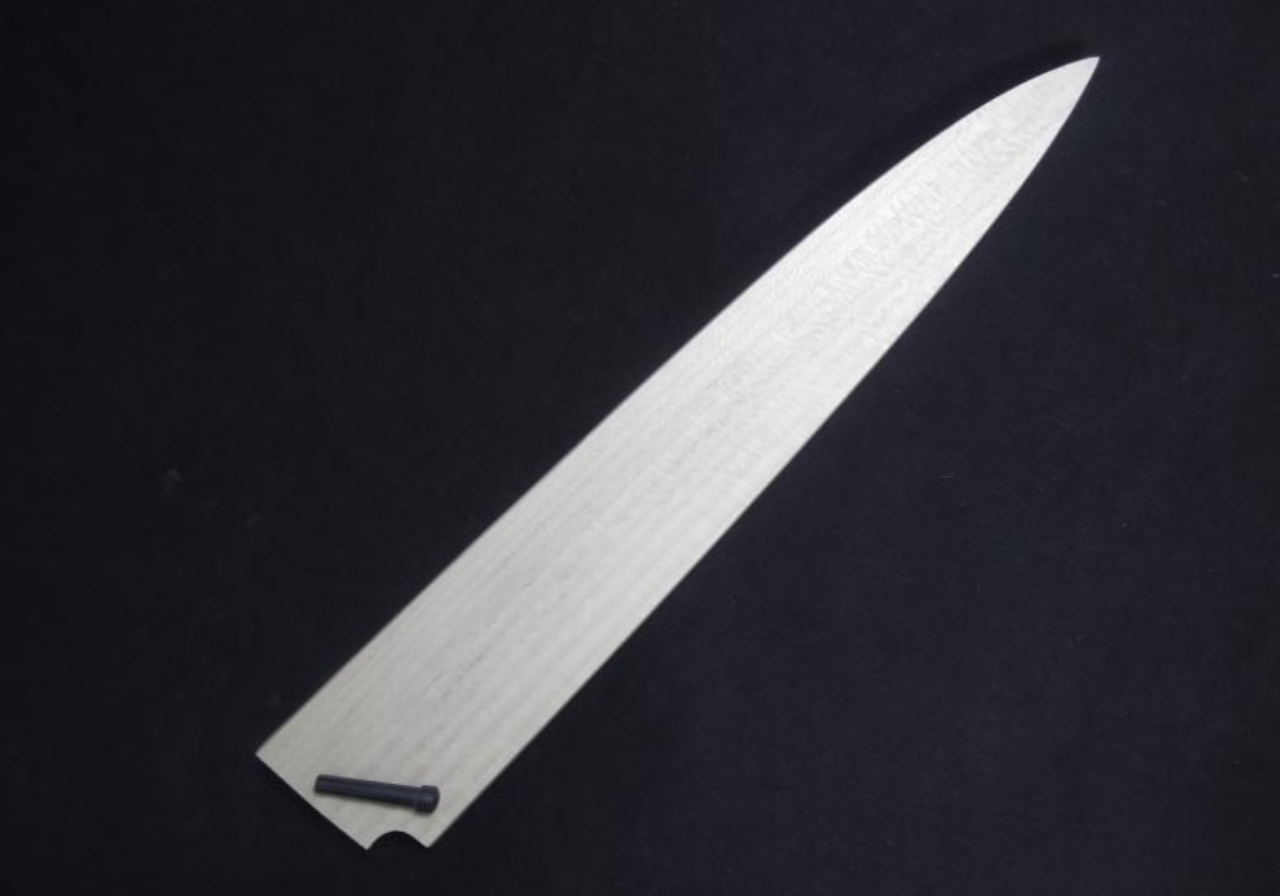
Every knife includes a magnolia wood saya, carefully selected and fitted to provide safe storage and protection. Upon request, we also provide complimentary Honbazuke, a practical initial hand-sharpening intended to prepare the knife for first use while allowing the owner to further refine the edge over time according to their own preferences.
Why Many Product Photos Show Only the Blade
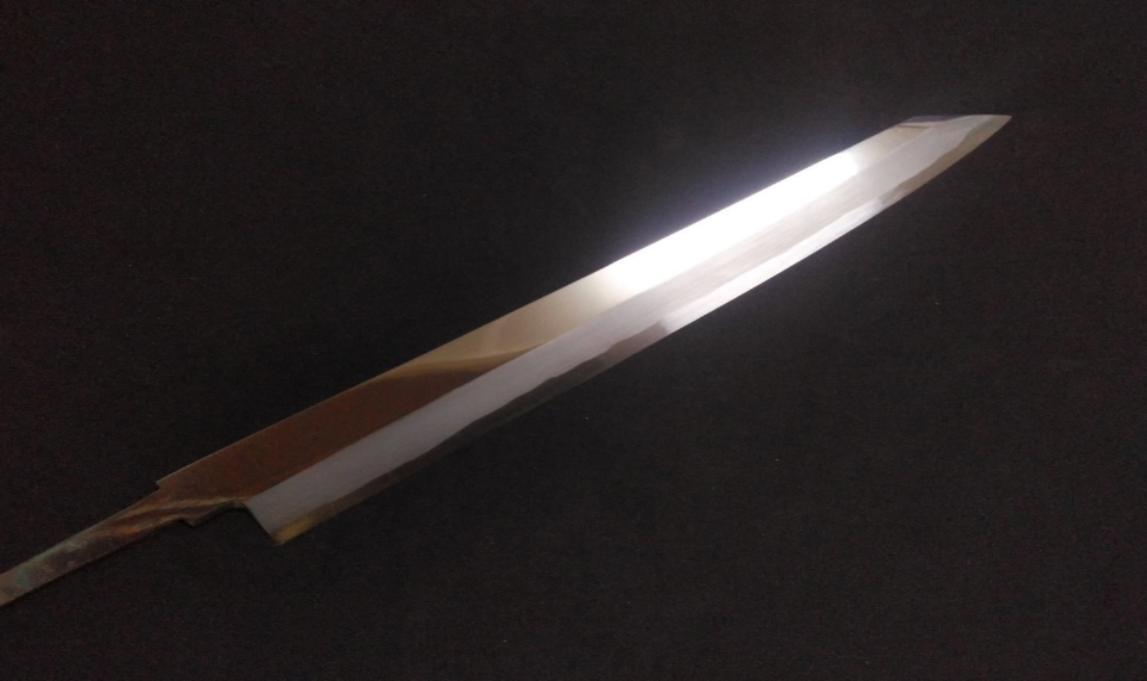
At KIREAJI, every knife is made to order in Sakai, Japan. Photos show the blade before the handle is attached, allowing artisans to perfect the balance and edge for your specific order. Your knife arrives fully finished — tailored just for you.

Global Delivery from Sakai
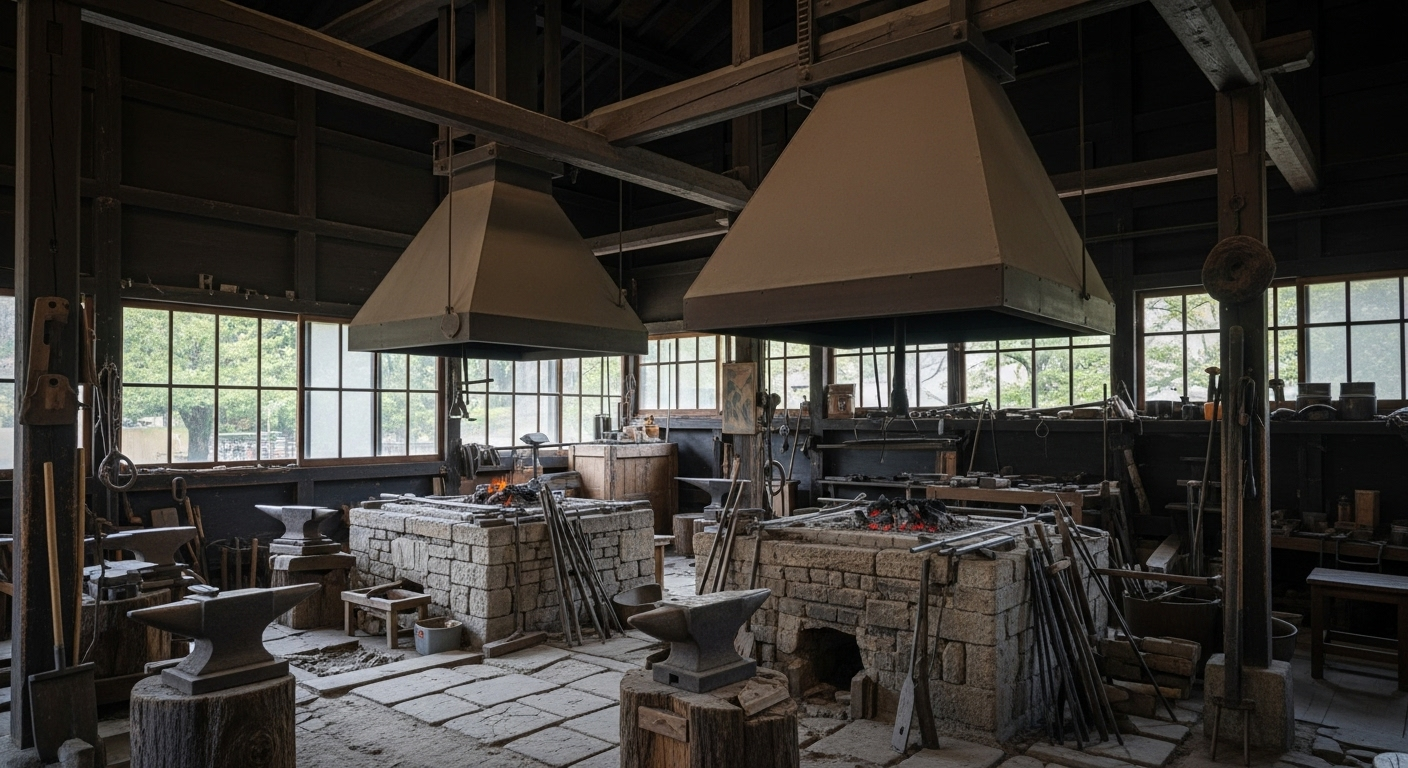
Across the world, discerning cooks seek authentic Japanese knives from Sakai — Japan’s legendary knife-making city with over 600 years of tradition.
At KIREAJI, we work alongside master artisans in Sakai to fulfill that desire, shipping genuine handcrafted knives directly from the workshop to kitchens worldwide.
AUS-10
-

The Quiet Strength of a Well-Balanced Steel
With a carbon content of 0.95–1.10% and a chromium content of 13–14.5%, AUS-10 is designed to achieve high hardness and wear resistance while retaining the practical benefits of stainless steel.
The addition of molybdenum and vanadium contributes to its hardness, wear resistance, and resistance to softening during tempering.
According to Aichi Steel's technical data, AUS-10 can achieve a reference hardness of approximately 60 HRC under specified heat-treatment conditions.
Rather than pursuing extreme hardness or maximum corrosion resistance alone, AUS-10 brings together qualities that are particularly valuable in everyday cooking.
-

According to Aichi Steel's technical data, AUS-10 can achieve a reference hardness of approximately 60 HRC under specified heat-treatment conditions.
-

Where Quality Steel Meets Skilled Craftsmanship
The name of a steel tells only part of a knife's story.
Heat treatment, blade geometry, sharpening, and finishing determine how its potential is ultimately expressed at the cutting edge.
This is where the knowledge and experience of skilled Japanese craftsmen become so important.
At KIREAJI, we believe that the true value of a knife lies not only in the quality of its steel, but also in the knowledge, precision, and care that shape it.
AUS-10 is no exception.
AUS-10, also known as 10A, is a Japanese high-carbon stainless steel manufactured by Aichi Steel.
Developed for applications requiring high hardness and wear resistance, it is used in high-quality cutting tools and other specialized products.
Aichi Steel specifies a reference hardness of 60 HRC after quenching and tempering under designated conditions. The actual hardness of a finished knife depends on its individual heat treatment.
Its combination of sharpness, edge retention, and practical corrosion resistance makes AUS-10 an appealing choice for both professional chefs and home cooks who appreciate the performance of Japanese knives and the convenience of stainless steel.


Features of AUS-10
-

Refined Sharpness and Reliable Edge Retention
The high carbon content of AUS-10 allows it to achieve a keen cutting edge when properly heat-treated and sharpened.
Its alloy composition, including molybdenum and vanadium, is designed to enhance hardness and wear resistance.
These characteristics help a well-made AUS-10 knife maintain dependable cutting performance through regular use.
-

Practical Corrosion Resistance
With a chromium content of 13–14.5%, AUS-10 offers good corrosion resistance compared with traditional carbon steels.
Within Aichi Steel's 13% chromium stainless steel family, AUS-10 places greater emphasis on hardness and wear resistance than on maximum corrosion resistance.
This makes it a practical choice for everyday cooking, provided that the blade is washed and dried after use.
-

A Practical Balance of Performance and Sharpenability
AUS-10 offers the potential for excellent cutting performance without requiring the extreme hardness associated with certain advanced powder steels.
Although sharpening may require more effort than with softer stainless steels, suitable whetstones and proper technique can restore a keen cutting edge.
For cooks who enjoy maintaining their own knives, AUS-10 offers an opportunity to develop a deeper understanding of the relationship between steel, sharpening, and cutting performance.


Recommended Users for AUS-10
-

1. Home Cooks Seeking Their First High-Quality Japanese Knife
AUS-10 is an appealing choice for those who wish to experience the sharpness and precision of a Japanese knife while enjoying the practical benefits of stainless steel.
Its balanced characteristics allow users to focus on developing their cooking and sharpening skills without the more demanding rust management associated with traditional carbon steel.

AUS-10 and Ginsan — Two Steels, Two Expressions of Balance
-

A Shared Foundation, a Different Composition
AUS-10 and Ginsan share a broadly similar foundation of carbon and chromium.
AUS-10 contains additional alloying elements, including molybdenum and vanadium, which contribute to its hardness, wear resistance, and resistance to softening during tempering.
Ginsan, by contrast, is known for its relatively simple alloy composition and its long-standing appreciation among Japanese knife craftsmen and sharpening enthusiasts.
These differences give each steel its own metallurgical character.
However, the presence of additional alloying elements does not automatically make one steel superior to another.
Chemistry alone cannot tell us exactly how a finished knife will perform.
-

The Trade-Offs Behind the Performance
No steel excels in every respect.
AUS-10 places considerable emphasis on hardness and wear resistance while retaining the practical benefits of stainless steel.
However, a finely sharpened edge can chip when exposed to excessive force, twisting, or inappropriate use on hard materials such as bones and frozen ingredients.
Its corrosion resistance, although good compared with traditional carbon steel, is not unlimited.
Prolonged exposure to moisture, salt, or acidic residues can still lead to corrosion.
Understanding these limitations is not a reason to appreciate the steel less. It is the beginning of learning how to bring out its full potential.


Q1. What is AUS-10?
AUS-10, also known as 10A, is a Japanese high-carbon stainless steel manufactured by Aichi Steel.
It contains 0.95–1.10% carbon and 13–14.5% chromium, together with small amounts of molybdenum and vanadium.
Its alloy composition is designed to provide high hardness and wear resistance while retaining the practical benefits of stainless steel.
Q2. What are the main advantages of AUS-10?
AUS-10 offers the potential for refined sharpness, reliable edge retention, good wear resistance, and practical corrosion resistance.
Its balanced characteristics make it an appealing choice for both professional kitchens and everyday home cooking, particularly for those who appreciate a sharp Japanese knife with relatively straightforward daily maintenance.
Q3. What are the disadvantages of AUS-10?
AUS-10 may require more sharpening effort than softer stainless steels.
A finely sharpened edge can also chip if subjected to excessive force, twisting, or improper cutting techniques.
Although AUS-10 is stainless steel, it does not offer the highest corrosion resistance among stainless steels and is not completely immune to rust.
Washing and drying the knife after use remain essential.
Q4. How does AUS-10 compare with Ginsan?
AUS-10 and Ginsan are both high-quality Japanese stainless steels with broadly similar carbon and chromium compositions.
AUS-10 contains additional alloying elements, including molybdenum and vanadium, while Ginsan is often appreciated for its relatively simple composition and carbon-steel-like sharpening feel.
Neither steel is universally superior. The performance of the finished knife depends significantly on heat treatment, blade geometry, and sharpening quality.
Q5. What is the hardness of AUS-10?
According to Aichi Steel's technical data, AUS-10 has a reference hardness of 60 HRC after quenching and tempering under specified conditions.
This is a reference value for the steel rather than a guaranteed hardness for every finished knife.
The actual hardness depends on the heat-treatment process used by the manufacturer or craftsman.
Q6. Is AUS-10 suitable for beginners?
Yes. AUS-10 can be an approachable choice for those purchasing their first high-quality Japanese knife.
Its corrosion resistance makes daily maintenance relatively straightforward compared with traditional carbon steel.
However, as with any finely sharpened Japanese knife, users should learn proper cutting, handling, and sharpening techniques.
Q7. How should I maintain an AUS-10 knife?
Wash the knife by hand and dry it thoroughly after each use.
Avoid dishwashers, prolonged exposure to moisture, and inappropriate use on frozen foods or hard bones.
Use a suitable wooden or knife-friendly synthetic cutting board, and sharpen the blade with appropriate whetstones when needed.
With thoughtful care, an AUS-10 knife can remain a dependable companion for many years.

Japanese Knife Materials
The steel behind a Japanese knife defines its sharpness, durability, and care. From traditional carbon steels like White #2 and Blue #2 to modern innovations such as Ginsan and ZDP189, each material offers its own balance of performance and maintenance. This guide explores how these choices shape the knives we use today.
