The Art of Precision: Why Japanese Knives Are Designed to Be Used Differently
-
July 15, 2025
-
A Japanese knife is not designed to do everything.
It is designed to do one thing exceptionally well.
This is not inefficiency.
It is intention.
From hygiene and safety to flavor preservation and technique, Japanese knives are shaped around a single philosophy: respect the ingredient by using the right tool for the right task. Understanding this philosophy changes not only how you cook, but how you think about cooking itself. -
1. Hygiene Is Design, Not a Rule
Using different knives for meat, fish, and vegetables is not simply tradition or etiquette.
It is embedded into the very design of Japanese knives.
Each blade is created for a specific ingredient and task, reducing the risk of cross-contamination and maintaining a clean working environment. In kitchens handling raw or delicate foods, hygiene is not optional. It is fundamental.
By separating roles, Japanese knives make cleanliness easier to maintain—not through discipline alone, but through thoughtful design. -
2. Precision Protects Flavor
Sharpness is not only about ease of cutting.
It is about preservation.
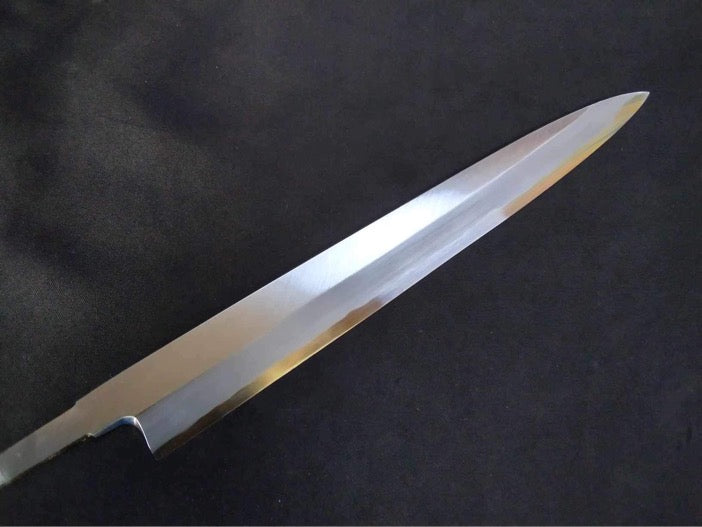
Japanese single-bevel knives are designed to cut cleanly, not crush. This allows ingredients to retain their moisture, texture, and natural umami. A clean slice keeps fish glossy, vegetables crisp, and flavors intact.
When cells are damaged by dull or inappropriate blades, taste changes.
Precision, therefore, is not cosmetic—it is culinary. -
3. A Knife Designed for the Task Protects the Hand
Each Japanese knife exists for a reason.
A deba absorbs impact when breaking down fish.
An usuba creates ultra-thin vegetable cuts without tearing fibers.
A petty offers control for delicate finishing work.
Because the blade matches the task, less force is required.
Less force means better control.
Better control means safer hands.
Safety, in Japanese knives, is not an added feature.
It is a natural outcome of purpose-driven design.
-
4. Technique Exists Because the Right Knife Exists
Certain techniques—such as katsuramuki—are not merely skills to be learned.
They are techniques made possible only because the knife was designed for them.
Japanese knives are not passive tools.
They are instruments that guide movement, posture, and intention.
Through them, chefs express care, discipline, and respect.
Without the correct blade, these expressions simply cannot exist. -
Conclusion: Understanding, Not Accumulation
Choosing the right Japanese knife is not about owning many knives.
It is about understanding why each knife exists.
When you cut with intention, guided by a blade designed for that precise moment, cooking becomes cleaner, safer, and more expressive. This is not merely technique—it is a mindset shaped by generations of craftsmen and cooks.
Start with one knife that feels right for its purpose.
Use it thoughtfully. Care for it properly.
In doing so, you will discover that cooking becomes not only easier, but more deliberate, more respectful, and more deeply connected to tradition.
One Knife, One Purpose
-
Japanese knives are not about versatility.
They are about achieving one purpose with absolute precision. -
Japanese Knife Materials
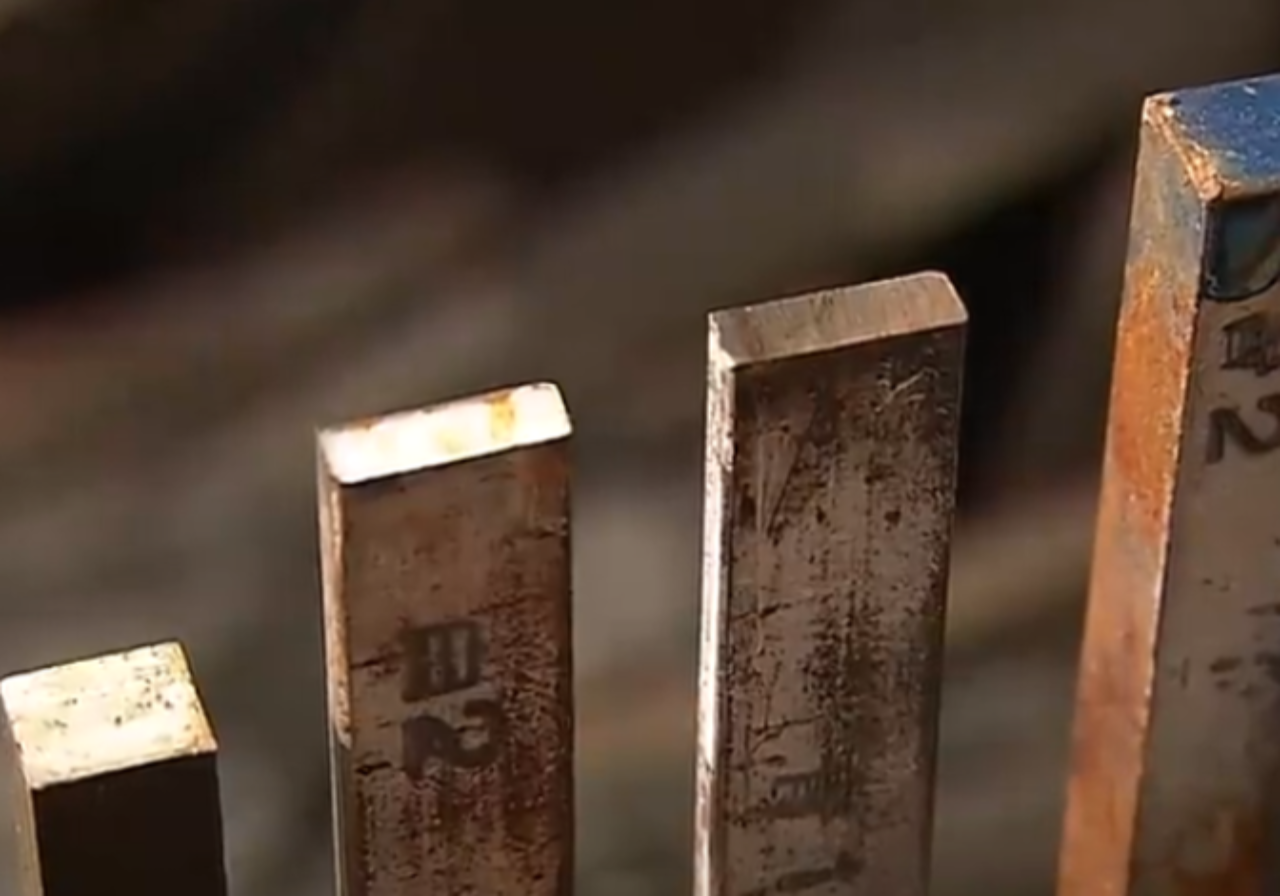
The steel behind a Japanese knife defines its sharpness, durability, and care. From traditional carbon steels like White #2 and Blue #2 to modern innovations such as Ginsan and ZDP189, each material offers its own balance of performance and maintenance. This guide explores how these choices shape the knives we use today.
The Soul of Craftsmanship
-
The Warmth of "Thank You" – The Spirit of Traditional Craftsmanship
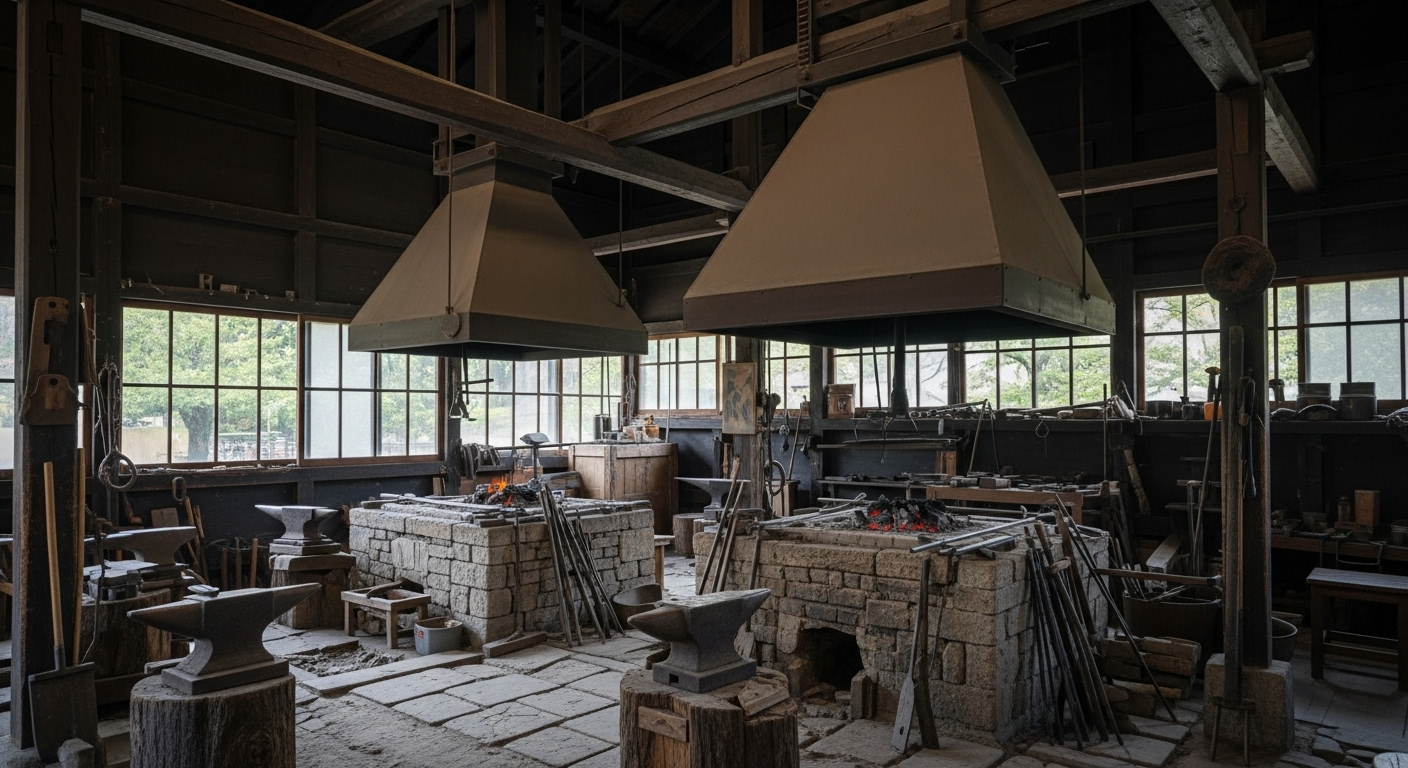
For generations, our craft has been more than the act of shaping wood, steel, or fabric. It has been about nurturing the quiet warmth that connects people. Every piece is created not only with technique, but with the wisdom and passion handed down through time. At the heart of our work lies a simple wish: to one day hear “thank you,” and to be able to say it in return.
-
In every step of the process, we devote ourselves to the smallest details—each strike, each stroke, each moment of handwork infused with sincerity. When a customer holds a piece and greets it with a smile or a quiet “thank you,” it awakens gratitude within us once more. That gratitude then flows naturally into the next piece we create. In this way, craftsmanship is not merely skill, but a chain of appreciation, carried forward one creation at a time.
-
To be spoken to with “thank you,” and to say “thank you” in return—this is not only a wish, but our solemn vow. As craftsmen, we will continue to cherish both our materials and our hearts, pouring gratitude into every creation as we walk this timeless path.
Experience the sharpness trusted by 98% of Japan’s top chefs — handcrafted in Sakai City.
Through our exclusive partnership with Shiroyama Knife Workshop, we deliver exceptional Sakai knives worldwide. Each knife comes with free Honbazuke sharpening and a hand-crafted magnolia saya, with optional after-sales services for lasting confidence.
KIREAJI's Three Promises to You
-
1. Forged in the Legacy of Sakai
From Sakai City—Japan’s renowned birthplace of professional kitchen knives—each blade is crafted by master artisans with over six centuries of tradition. Perfectly balanced, enduringly sharp, and exquisitely finished, every cut carries the soul of true craftsmanship.
-
2. Thoughtful Care for Everyday Use
Every knife includes a hand-fitted magnolia saya for safe storage. Upon request, we offer a complimentary Honbazuke final hand sharpening—giving you a precise, ready-to-use edge from day one.
-
3. A Partnership for a Lifetime
A KIREAJI knife is more than a tool—it is a lifelong companion. With our bespoke paid aftercare services, we preserve its edge and beauty, ensuring it remains as precise and dependable as the day it first met your hand.