• Reason 1 – The Craftsmanship Behind Every Blade

  • JULY 7, 2023

  • A Masterpiece Forged Through Time

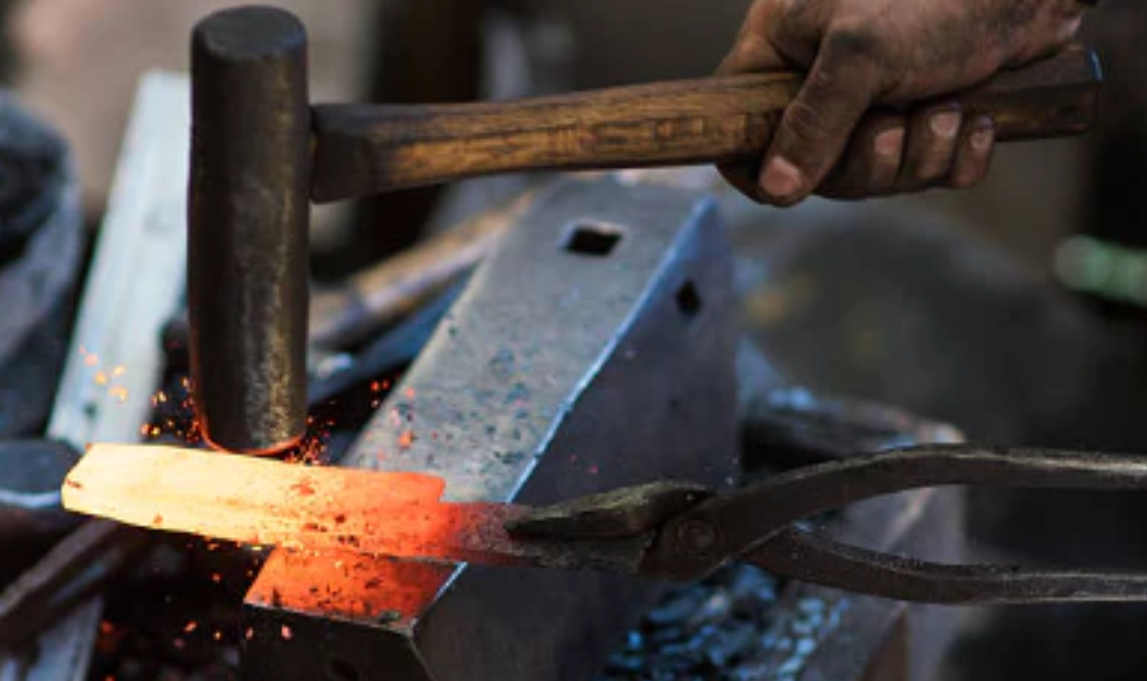
    Step inside a traditional knife workshop in Sakai, and you won’t find assembly lines or machines stamping out identical blades. Instead, you’ll hear the rhythmic sound of hammers, see sparks flying from heated steel, and witness artisans whose hands are blackened by decades of labor. Every stroke of the hammer carries with it centuries of accumulated knowledge.

  • A Process Rooted in Patience

    Unlike mass-produced knives, finished in just hours, a single Japanese knife may take 30 to 45 days to complete. It passes through more than fifteen stages—forging, quenching, grinding, polishing, and sharpening—each step an act of devotion rather than mere manufacturing. This patience is what transforms steel into a tool of artistry.

  • The Subtle Art of Grinding

    Among these stages, grinding is where the soul of the blade emerges. Some workshops perform as many as eight grinding phases, shaping the edge into hamaguri-ba—the elegant clamshell curve. This subtle geometry creates a balance between sharpness and durability, enabling a knife that glides effortlessly through food while withstanding years of use.

  • A World of Difference

    By contrast, inexpensive factory-made knives—sometimes produced for less than $10—are given only one or two grinding passes. They may look similar on the surface, but their sharpness fades almost immediately, and many never even touch a whetstone.

  • Why It Matters: Taste, Texture, and Trust

    With delicate dishes like sashimi, a dull knife tears flesh, leaks moisture, and diminishes flavor. A finely crafted Japanese knife, however, slices so cleanly that texture and freshness remain intact. Each cut preserves not just the ingredient, but the essence of the dish itself.

  • More Than a Knife—A Legacy in Your Hands

    A Japanese knife is proof of what happens when artisans put soul into steel. The time, care, and tradition behind every blade create something rare: a tool that elevates cooking from routine to ritual.

    When you hold a Japanese knife, you are not merely holding a blade—
    you are carrying a legacy, born of centuries of craftsmanship.

  • A handmade Japanese knife is forged through time, skilled hands, and centuries of tradition, creating a tool that preserves flavor with unmatched precision.

Japanese Knife Market

Japanese knives, famed for their razor-sharp edges and centuries of craftsmanship, are adored by chefs worldwide. Yet while global demand continues to rise, the domestic market in Japan is quietly shrinking—revealing a striking contrast between tradition at home and popularity abroad.
Japanese Knife Market
  • Wishing for Others' Happiness Cultivates Your Own Fortune

    In the world of traditional craftsmanship, I have come to believe one simple truth: when you wish for others’ happiness, your own fortune naturally follows.

  • When I forge a knife, I don’t think only about steel and fire. I imagine the meals it will help prepare, the hands that will hold it, and the smiles it may bring to a family gathered around the table. In that moment, the knife is no longer just a tool—it becomes part of someone’s joy, woven into their daily life.

  • Every time a chef tells me, “This knife has changed the way I cook,” I feel their happiness return to me as strength. Their satisfaction becomes my own reward, and it inspires me to create the next blade with even greater care.

  • This is the quiet cycle of our craft: the more we dedicate ourselves to the happiness of others, the more deeply we nurture our own spirit and fortune.

  • The path of craftsmanship is never easy. But as long as I continue to shape each blade with sincerity and the hope of bringing joy, I trust that the outcome will always lead in a positive direction.

  • japanese_knife_made_in_Sakai

    1. Forged in the Legacy of Sakai

    From Sakai City—Japan’s renowned birthplace of professional kitchen knives—each blade is crafted by master artisans with over six centuries of tradition. Perfectly balanced, enduringly sharp, and exquisitely finished, every cut carries the soul of true craftsmanship.

  • 2. Thoughtful Care for Everyday Use

    Every knife includes a hand-fitted magnolia saya for safe storage. Upon request, we offer a complimentary Honbazuke final hand sharpening—giving you a precise, ready-to-use edge from day one.

  • 3. A Partnership for a Lifetime

    A KIREAJI knife is more than a tool—it is a lifelong companion. With our bespoke paid aftercare services, we preserve its edge and beauty, ensuring it remains as precise and dependable as the day it first met your hand.