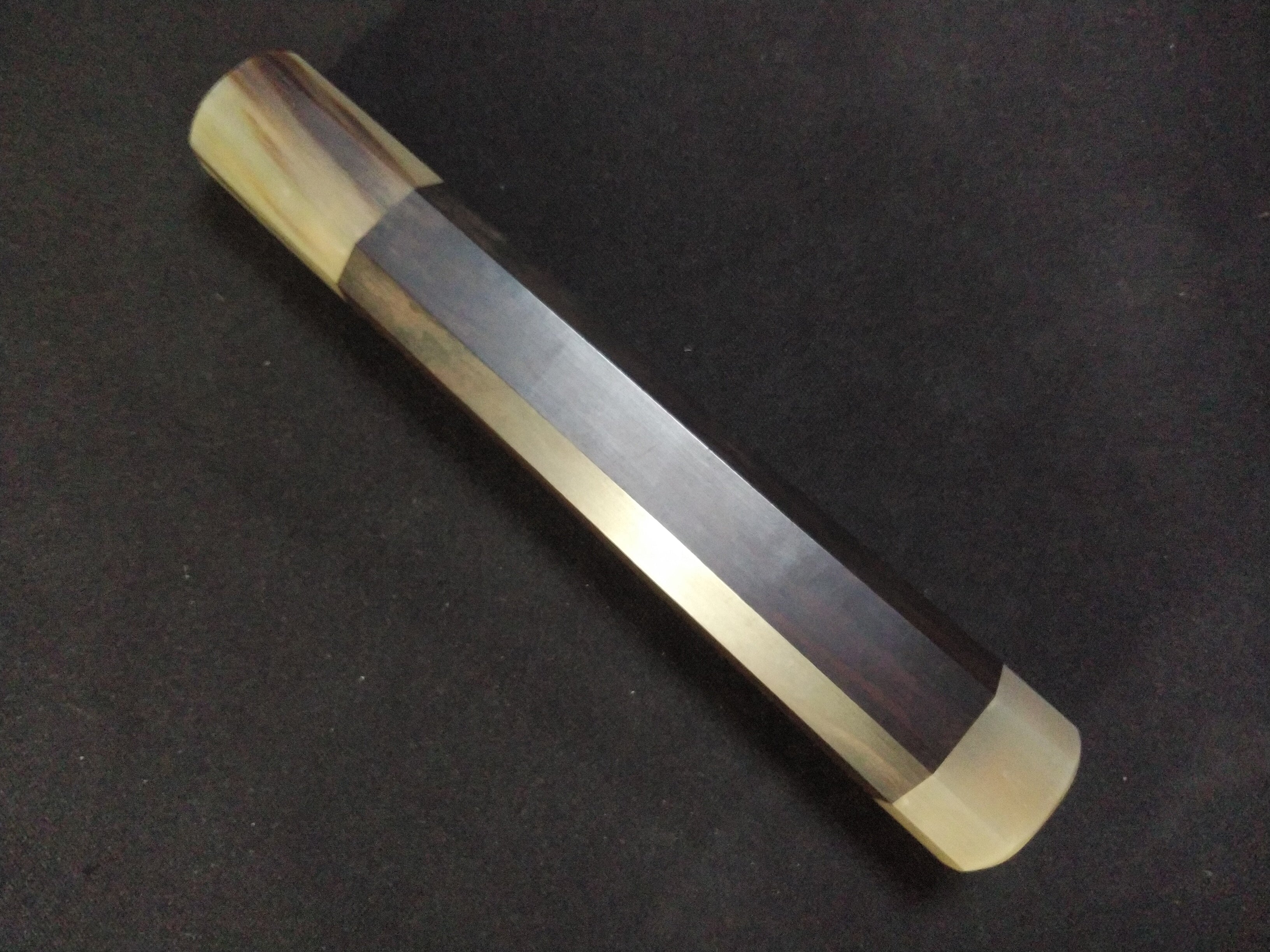
• The Elegance of Ebony: A Symbol of Durability and Prestige

  • MAY 19, 2023

  • Ebony, celebrated for its beauty and strength, finds its place from musical instruments to the esteemed knife handles in Japanese gastronomy, embodying a legacy of luxury and resilience.

  • Unveiling the Mystique of Ebony

  • Ebony, orKokutanin Japanese, is revered not just for its striking appearance but also for its remarkable durability. This tropical evergreen, belonging to the ebony family, has roots deeply entrenched in the rich soils of southern India and Sri Lanka, earning the moniker "Indian Ebony" for its distinguished origin. While ebony can also grace the landscapes of Africa, it's the Indian variety that's often celebrated for its unparalleled quality.

  • The Spectrum of Ebony

  • Ebony's allure lies in its heartwood, a dark canvas streaked with hues of black and red, reminiscent of the classic piano keys crafted from this noble wood. Among the ebony family, there exists a rare breed known as"Maguro"or true ebony, prized for its deep, unblemished black. On the other hand,"Striped Ebony"captivates with its pronounced pattern, offering a unique aesthetic appeal.

  • A Testament to Resilience

  • The exceptional hardness and heft of ebony not only speak to its resilience but also to its versatility. Its use spans across a spectrum of high-end applications, from the resonant keys of grand pianos to the noble chess pieces poised for strategic battles. The durability of ebony ensures its presence in artifacts and items intended for long-term use, weaving a legacy of timelessness.

  • Ebony in the Heart of Japanese Cuisine

  • Within the culinary world, particularly in Japanese gastronomy, ebony holds a place of honor. Renowned chefs and culinary artisans cherish ebony for the distinguished touch it brings to their most trusted tools—the handles of their knives. The use of ebony in crafting knife handles not only enhances the tool's longevity but also adds an element of refined elegance, marrying functionality with artistry.

  • Conclusion: The Timeless Appeal of Ebony

  • Ebony transcends its role as a mere material, embodying a blend of beauty, strength, and cultural significance. Whether gracing the stage of a concert hall, presiding over a game of intellect, or aiding in the creation of culinary masterpieces, ebony continues to stand as a symbol of enduring prestige and unparalleled quality.

    In Japanese knives, an ebony handle is more than a detail—it is a statement. It reflects a respect for tradition, a pursuit of durability, and a touch of quiet luxury in the chef’s hand. To hold such a knife is to hold not just a tool, but a piece of living heritage—an object where artistry and function are inseparably bound.

Handle

Type of Handle

Traditional Japanese knife handles, or wa-handles, are designed to balance craftsmanship with performance. Lightweight and ergonomic, they provide control and comfort, completing the harmony between hand and blade. Choosing the right handle is as important as choosing the blade itself.

Type of Handle

Parts of a Japanese Knife

We aim to introduce our customers to the parts and names of knives so that they can use them more effectively, enjoy cooking more, and improve their culinary skills.
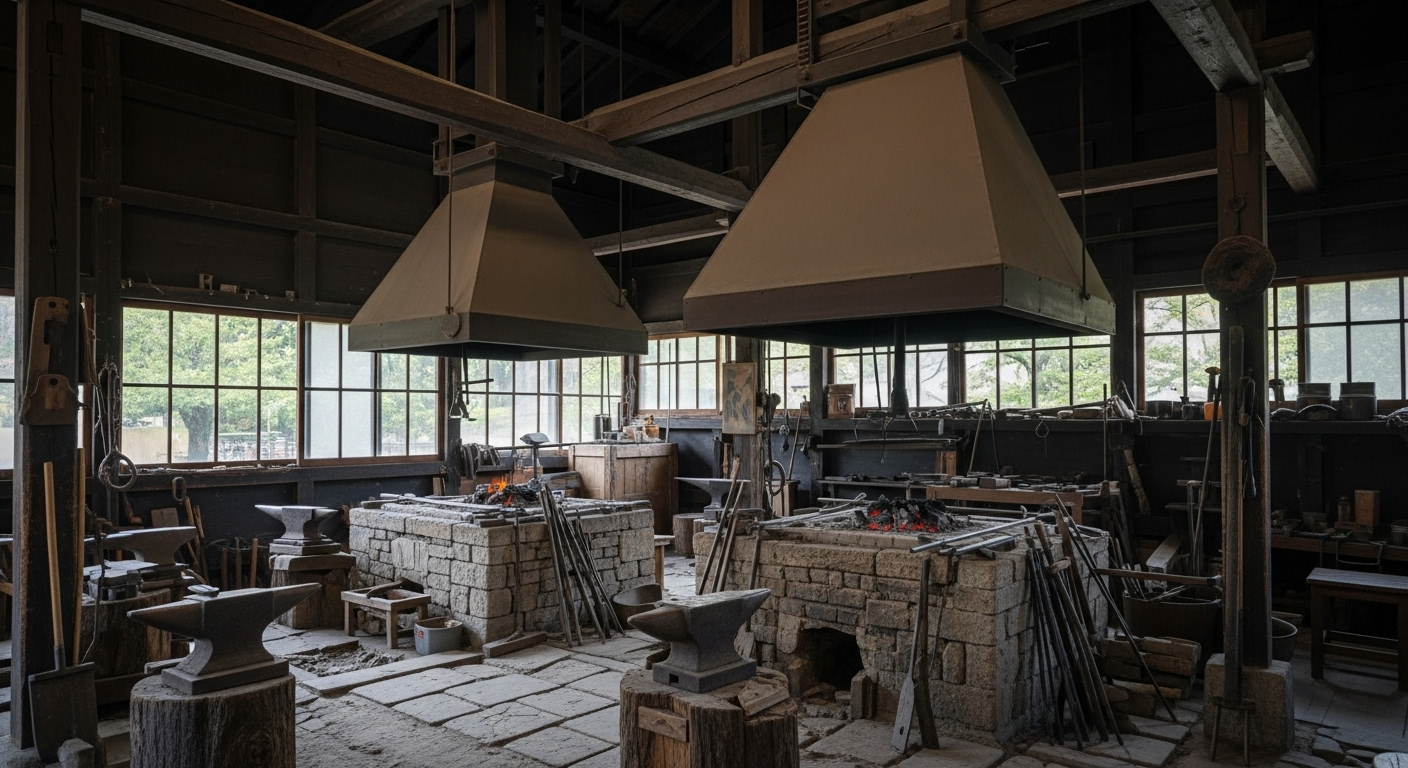
Parts of a Japanese Knife
  • Building on Strength: The Essence of Japanese Knives

    In crafting Japanese knives, the most vital principle is this: identify your strengths, and build everything upon them. No matter how much we pursue elegance in form or experiment with new techniques, if the essence of the knife is lost, its true value cannot endure.

    As craftsmen, we take pride in our skills and in the materials we shape. These traditions, refined over centuries, are our foundation. The unparalleled sharpness of the blade, the unique texture of the steel—these are the strengths of Japanese knives. Upon that solid base, we layer design, usability, and beauty.

  • This is why we hope that anyone who holds a Japanese knife will feel an unmistakable sense of, “This is it.”It is not only sharpness that matters, but the way a knife deepens in character, becoming more cherished with every use.

  • To craft such blades is not simply our work. It is our mission, and our belief—a way of ensuring that strength, once discovered, continues to live on.

  • Column

    Pair text with an image to focus on your chosen product, collection, or blog post. Add details on availability, style, or even provide a review.

  • japanese_knife_made_in_Sakai

    1. Forged in the Legacy of Sakai

    From Sakai City—Japan’s renowned birthplace of professional kitchen knives—each blade is crafted by master artisans with over six centuries of tradition. Perfectly balanced, enduringly sharp, and exquisitely finished, every cut carries the soul of true craftsmanship.

  • 2. Thoughtful Care for Everyday Use

    Every knife includes a hand-fitted magnolia saya for safe storage. Upon request, we offer a complimentary Honbazuke final hand sharpening—giving you a precise, ready-to-use edge from day one.

  • 3. A Partnership for a Lifetime

    A KIREAJI knife is more than a tool—it is a lifelong companion. With our bespoke paid aftercare services, we preserve its edge and beauty, ensuring it remains as precise and dependable as the day it first met your hand.