

When a Hammer Falls Silent
-

What Blue Steel Carries
The blades are forged from Blue Steel — Aogami — a high-carbon material that serious craftspeople have chosen for generations when they wanted an edge that performs at the highest level. Blue Steel is not the easiest steel to work with. It demands more from the smith, more from the sharpener, more from the person who uses it. It rewards that demand with a sharpness and an edge quality that more forgiving steels cannot fully replicate.
A smith who worked in Blue Steel was making a statement about his standards. He was choosing the material that asked the most of him because he believed the result was worth it. Every blank in this collection carries that choice in its structure — in the carbon content of the steel, in the geometry of the forging, in the decisions made at the forge about heat and timing and form that cannot be undone and cannot be replicated.
Among these blanks are rare pieces for left-handed users — a reminder that this smith thought about the full range of people his work might serve. There is variety in the profiles, evidence of a career spent responding to different needs, different kitchens, different hands.
These are not mass-produced forms. They are the considered output of a person who spent their professional life learning what good steel requires and doing that work one blade at a time.
-

The Moment Between Two Lives
A blade blank is an object in a particular state: more than raw material, not yet a finished knife. The smith's work is complete. The sharpener's work has not yet begun. The blade exists in the interval between two acts of craft — waiting, in a sense, for the second half of its making.
This is where these blades now are. Each one will be passed to our sharpeners, who will bring to them the same kind of patient, skilled attention that the smith brought to their forging. The grinding, the progression through whetstones, the development of the ura-suki hollow, the final edge preparation — this work will be done with care, with an awareness of what is present in the steel and what it deserves.
We are not simply finishing these knives. We are completing a conversation that began at a forge that is now silent. The smith made his contribution. We are responsible for ensuring that contribution reaches its full expression — that the steel he chose and shaped becomes, in the end, the knife it was always going to be.
Some of these blades will become standard profiles. Some will become rare forms that are increasingly difficult to find in current production. The left-handed blanks will become knives for cooks who have spent their lives searching for a blade made with this level of care for their hand. All of them will carry, in their finished form, the work of two craftspeople: the smith who is no longer working, and the sharpener who will bring what he left to its completion.
-

Why This Matters Beyond These Blades
We want to be honest about what this moment represents, because it is not isolated.
The blacksmith who laid down his hammer is one person, but his retirement is part of a larger pattern that is visible across Sakai and across Japan's traditional craft industries. The craftspeople who hold the deepest knowledge of these techniques are aging. The number of people entering these crafts is not keeping pace with the number leaving. The skills that took decades to develop — the ability to feel the heat in steel, to judge the timing of the quench, to know by sound and sensation when the forging is right — are held by fewer people each year.
Most of what these craftspeople know cannot be fully written down. It lives in the body, in accumulated sensation and judgment that develops through years of repetition at a forge or a whetstone. When a smith retires, that knowledge does not transfer automatically to anyone else. Some of it may have been passed on through apprenticeship. Some of it — inevitably, in a tradition where fewer young people are choosing this path — goes with him.
These blade blanks are, in a very real sense, the last physical evidence of one person's contribution to a tradition six centuries old. They are the final output of a body of knowledge that will not be produced again in exactly this form. That is not sentimental — it is precise.
We accepted the responsibility of these blades because we believe that what is still possible should be done. The smith forged them. They can still be finished. They can still reach the hands of people who will use them and maintain them and understand what they hold. That chain of transmission — from forge to sharpener to cook — can still be completed. It would be a different kind of loss to let it break here.
-

If You Are Looking for Something
Among these blanks there may be exactly what you have been searching for.
A specific profile that is no longer in current production. A left-handed blade made with the care and material quality that left-handed cooks rarely find. A Blue Steel knife whose edge quality and character reward the kind of serious, long-term relationship that only develops between a cook and a tool they have used for years.
If you are looking for something specific — a blade type, a profile, a steel — we invite you to contact us. These blades will be finished one by one, with the attention each one deserves. The one you are searching for may be quietly waiting here, still in the state the smith left it, ready to begin the second half of its making.
We will not rush this process. Each blade will be completed properly or not at all.
-

The Flame We Are Keeping
At KIREAJI, we talk often about the gap between the craftspeople of Sakai and the people around the world who want to connect with what they make. We talk about direct relationships, about transparency, about the knowledge that allows someone to truly receive what a genuine knife has to offer.
This collection of blades brings all of that into focus in a specific way. Here is a craftsperson who devoted his working life to making things of real quality, who chose difficult materials because he believed in their result, who made blades for both hands because he thought about the people his work would serve. And here, now, is the final evidence of that working life, waiting to be completed and carried forward.
Our commitment is simple: that this flame does not go out. Not this particular flame only — though we take that responsibility seriously — but the larger flame that these blades represent: the belief that the work of making something well, with good materials and skilled hands and genuine attention, is worth doing and worth preserving and worth carrying forward.
As long as there are people who respect their tools, who believe in craft, who want to use something made with this level of care and integrity — we will continue to walk this path. Not because it is easy. Because it is the right direction.
The hammer has fallen silent. The blade is waiting. The work continues.


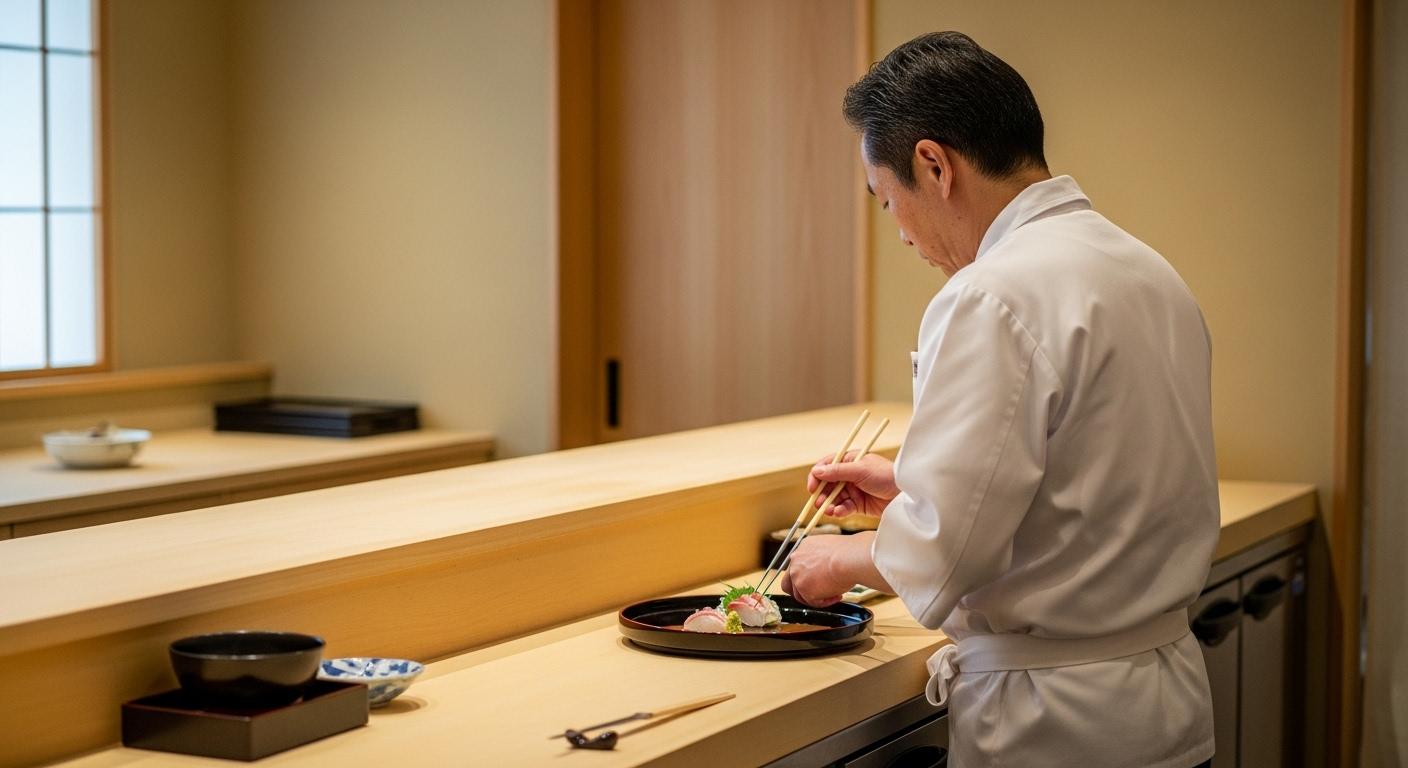
Why do 98% of Japanese Chefs Use Knives from Sakai?
The secret lies in Sakai’sdivision of labor and fully handcrafted process.
This feature explores thetradition and artisan culturebehind Japan’s most trusted knives.
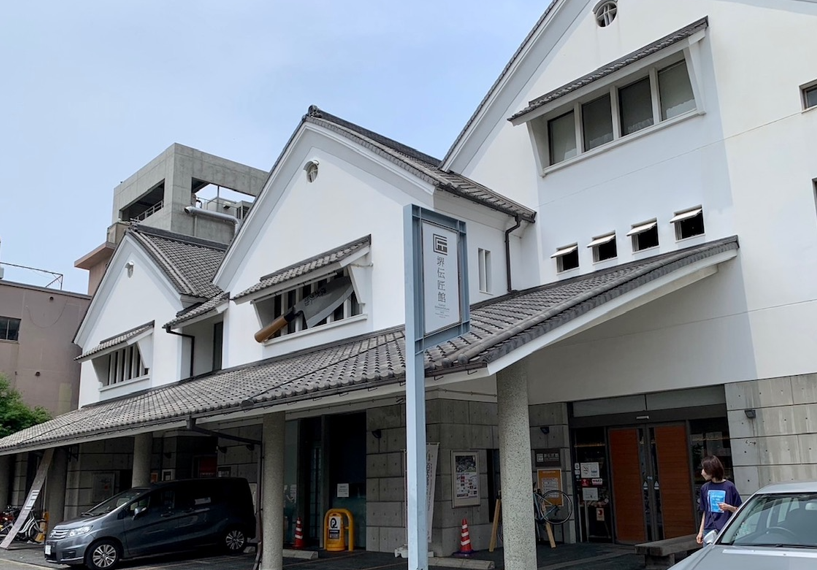
The 98% Statistic: A Trusted Source
The Sakai Tourism Bureau states that "98% of Japanese chefs use Sakai knives" in their articleAppeal of World Renowned Sakai Knives. This claim underscores the enduring reputation of Sakai craftsmanship.

Sakai's Declining Japanese Knife Craftsmen
Sakai's esteemed cutlery tradition, renowned for its sharpness and craftsmanship, is at risk with only a dozen blacksmiths remaining. Facing competition and declining interest, strategies such as exploring new markets and fostering youth interest are vital for survival. This situation underscores a broader challenge in cultural preservation. Supporting Sakai’s craftsmen is crucial to maintaining this legacy.

Sakai Uchihamono: The Ultimate Sharpness and Craftsmanship Forged by 600 Years of History
Sakai Uchihamono reflects a legacy of exquisite craftsmanship, embodying the art and tradition of blade-making in Sakai City through meticulous forging, sharpening, and handle attachment processes.