

The Legacy of Sakai Blades: A Tradition of Excellence and Craftsmanship
-

Challenges and Adaptation
The Sakai blade industry faced numerous challenges, from the emergence of imitation products to the rise of competing regions. Yet, Sakai's artisans adapted by forming collaborative guilds, improving production processes, and strengthening distribution networks to meet evolving demands.
-

A Global Symbol of the “Sakai Brand”
Today, Sakai blades are treasured not only in Japan but also by chefs and enthusiasts around the globe. Renowned for their razor-sharp edges and exquisite designs, they represent more than tools—they are icons of Japanese culture. Recognized as a cultural heritage, Sakai blades embody the history, skills, and spirit of their craftsmen, inspiring awe worldwide.
-

Preserving Tradition, Shaping the Future
The story of Sakai blades is one of preserving tradition while embracing innovation. As this historic craft evolves with the next generation of artisans, it is a testament to the resilience and creativity of Sakai’s blacksmithing heritage. Supporting this tradition is not just about appreciating fine craftsmanship—it is about safeguarding a piece of cultural history for future generations.


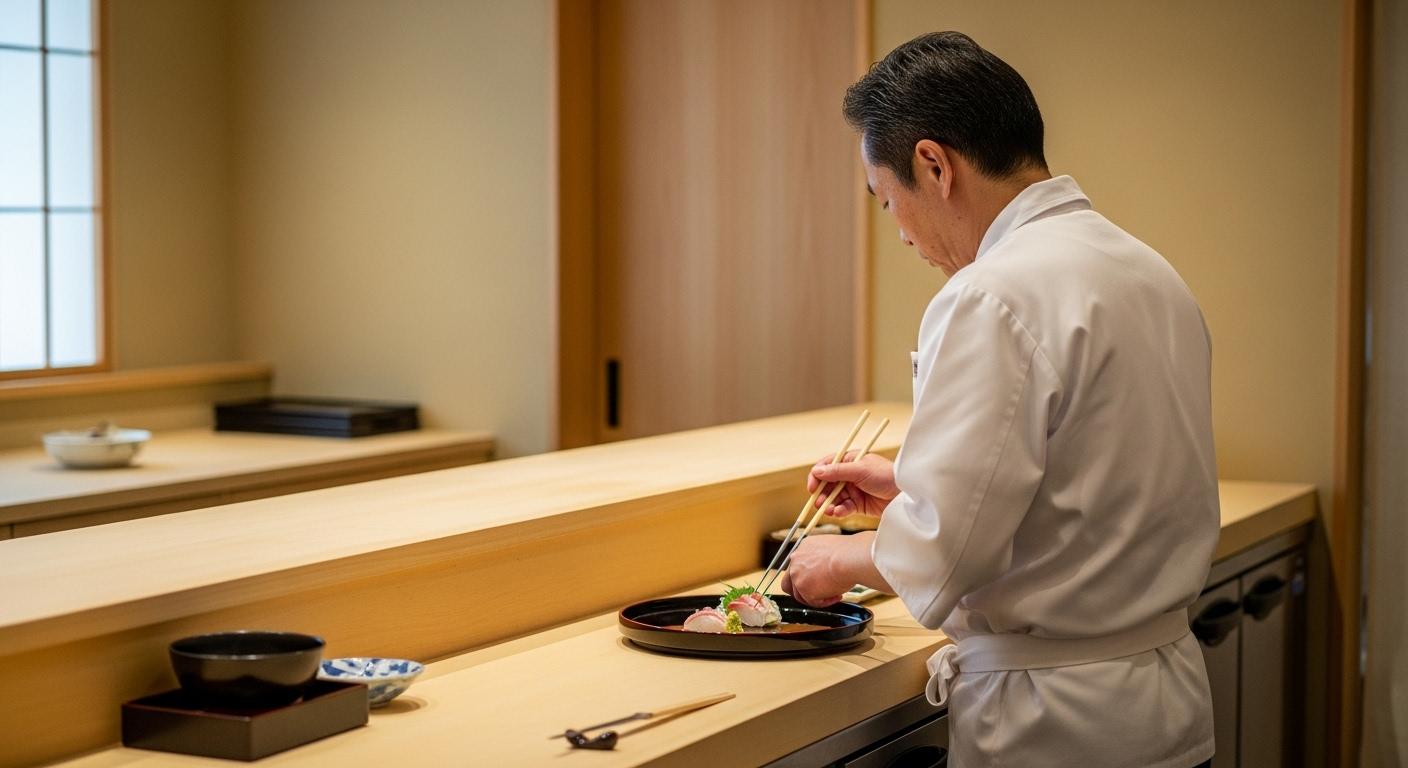
Why Do 98% of Japan’s Chefs Trust Sakai Knives?
For over 600 years, Sakai has perfected a unique craft where each stage—forge, sharpen, finish—is mastered by specialists. This tradition makes Sakai the birthplace of Japan’s most trusted knives.
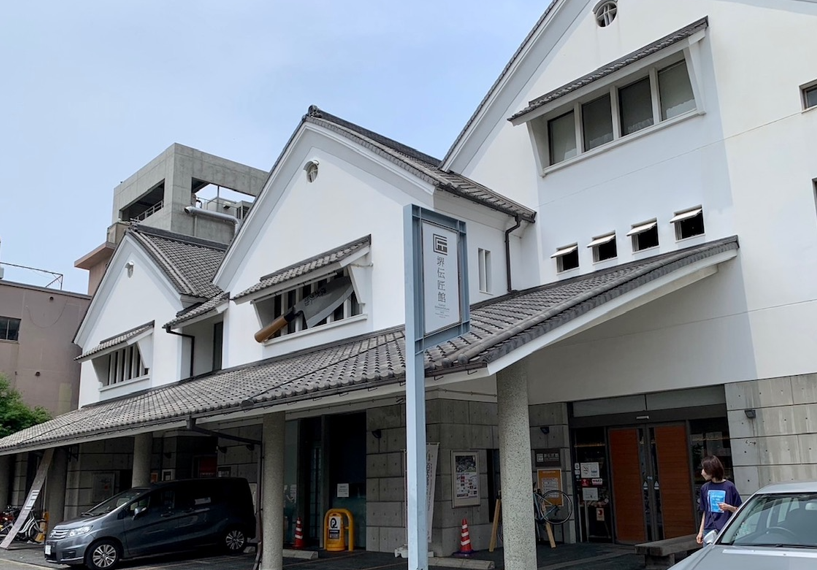
The 98% Statistic: More Than a Number
According to the Sakai Tourism Bureau, “98% of Japanese chefs use Sakai knives.” This figure isn’t just a claim—it reflects the deep trust chefs place in Sakai’s centuries-old craftsmanship.

The Master Craftsmen of Sakai Uchihamono
In Sakai, centuries-old techniques are carried forward by government-certified Traditional Craftsmen. Each knife is not just a tool but a living symbol of tradition, precision, and spirit—kept alive through their hands.

Sakai Uchihamono: 600 Years of Sharpness and Mastery
From forging to sharpening to handle making, every step in Sakai Uchihamono reflects a tradition perfected over six centuries—crafting blades renowned for their ultimate sharpness and artistry.

Sakai’s Dwindling Masters: A Legacy at Risk
Once the heart of Japan’s finest cutlery, Sakai now has only a handful of blacksmiths left. With rising competition and fading interest among the young, new markets and fresh apprentices are vital to survival. Supporting these craftsmen means safeguarding a 600-year cultural legacy.


KIREAJI's Three Promises to You
-

1. Forged in the Legacy of Sakai
From Sakai City—Japan’s renowned birthplace of professional kitchen knives—each blade is crafted by master artisans with over six centuries of tradition. Perfectly balanced, enduringly sharp, and exquisitely finished, every cut carries the soul of true craftsmanship.
-

2. Thoughtful Care for Everyday Use
Every knife includes a hand-fitted magnolia saya for safe storage. Upon request, we offer a complimentary Honbazuke final hand sharpening—giving you a precise, ready-to-use edge from day one.
-

3. A Partnership for a Lifetime
A KIREAJI knife is more than a tool—it is a lifelong companion. With our bespoke paid aftercare services, we preserve its edge and beauty, ensuring it remains as precise and dependable as the day it first met your hand.


