How to Keep Your Japanese Knife Sharp Longer: 5 Essential Habits
-
March 25, 2026
-
One of the most common questions we receive is simple:
"How can I keep my knife sharp for as long as possible?"
Japanese knives are known for their exceptional sharpness.
But what many people don’t realize is that sharpness is not only created by craftsmen — it is preserved by how you use the knife every day.
Most knives don’t suddenly become dull.
Instead, the edge slowly bends and rounds at a microscopic level through daily use.
The good news is that with just a few simple habits, you can dramatically extend your knife’s sharpness.
Here are five essential habits to help your Japanese knife perform at its best. -
1. Cut Gently — Never Twist or Chop Down
Japanese knives are designed for precision, not force.
When cutting hard ingredients such as squash or pumpkin, avoid twisting the blade sideways while it is inside the food. This can damage the delicate edge and even cause chipping.
Also, avoid chopping straight down with force.
Instead, slide the blade forward gently and let the sharpness do the work.
The ideal cut is quiet.
If you hear loud chopping sounds, your knife is likely taking unnecessary damage. -
2. Protect the Edge — Don’t Use It to Gather Food
Many people slide chopped ingredients using the cutting edge.
This is one of the fastest ways to dull your knife.
When the edge scrapes against the cutting board, the fine edge collapses.
Instead, use:
- Your hand
- The spine (back) of the knife
This simple habit alone can significantly extend sharpness. -
3. Avoid Frozen and Extremely Hard Ingredients
Cutting frozen foods, bones, or extremely hard ingredients can quickly damage the edge.
These materials can:
- Crush the edge
- Cause chipping
- Shorten blade life dramatically
If you need to cut hard materials, use the appropriate knife, such as:
- Deba knife
- Heavy-duty knife
- Frozen food knife
Using the right knife for the right purpose protects your blade. -
4. Use the Right Environment — Soft Boards and Hand Washing
Your cutting board plays a major role in maintaining sharpness.
Recommended materials:
- Wood
- Rubber
- Soft plastic
Avoid:
- Glass
- Metal
- Stone
- Extremely hard woods
Also, avoid using dishwashers.
Dishwashers can cause:
- Rust from harsh detergents
- Edge damage from water pressure
- Handle deterioration
Always hand wash your knife and dry it immediately. -
5. Maintain Regularly — Remove Rust and Sharpen Properly
If rust appears, remove it as soon as possible.
Rust that progresses inward weakens the blade and increases the risk of chipping.Additionally, applying a micro-bevel (Koba sharpening) helps improve durability and maintain sharpness longer.
Regular maintenance keeps your knife performing beautifully.
-
-
Sharpness Is Preserved Through Care
Sharpness does not disappear suddenly.
It fades slowly, through everyday habits.
By following these five simple practices, you are not only maintaining your knife —
you are respecting the craftsmanship behind it.
Japanese knives are not disposable tools.
They are meant to be used, cared for, and passed on.
With the right habits, your knife will continue to perform beautifully for years. -
Before Using a Knife
A knife is more than a tool—it’s the heart of cooking. Learning how to use it properly helps protect its quality, durability, and safety, so you can enjoy it for years while elevating every meal.
Daily Care of a Japanese Knife
With the right daily care, your knife will stay sharp and reliable for a long time. Here, we share the key points to keep it in peak condition and extend its lifespan.
After-Sales Service
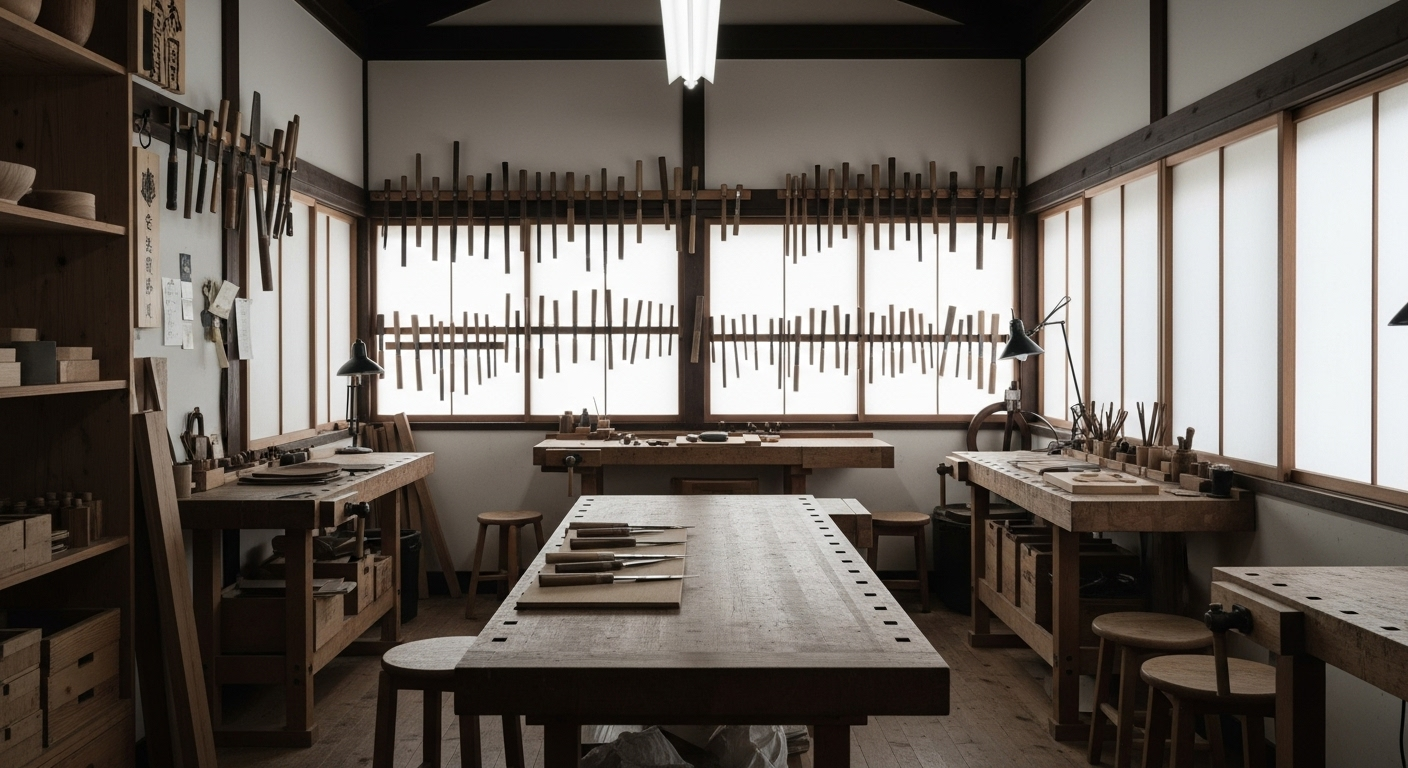
At KIREAJI, we ensure your knife can be cherished for years with our dedicated after-sales service, provided by the Shiroyama Knife Workshop. For repairs or maintenance, please apply through the link below.
The Soul of Craftsmanship
-
Sharpness Is Not Only Made — It Is Preserved
When we forge a knife, we focus on creating the sharpest possible edge.
But sharpness is not something that lasts on its own.
The edge of a Japanese knife is extremely fine.
Because of this, it offers exceptional sharpness — but it also requires thoughtful care.
What we hope is simple.
Use the knife gently.
Respect the edge.
Maintain it regularly.
When treated this way, a knife does more than cut well.
It becomes a trusted partner in the kitchen.
Over time, the knife reflects the person who uses it.
How they work.
How they care for their tools.
How they respect craftsmanship.
This is why we believe sharpness is not only made by craftsmen —
it is preserved by those who use the knife every day.
When both come together, the knife can continue performing beautifully for many years. -
Experience the sharpness trusted by 98% of Japan’s top chefs — handcrafted in Sakai City.
Through our exclusive partnership with Shiroyama Knife Workshop, we deliver exceptional Sakai knives worldwide. Each knife comes with free Honbazuke sharpening and a hand-crafted magnolia saya, with optional after-sales services for lasting confidence.
KIREAJI's Three Promises to You
-
1. Forged in the Legacy of Sakai
From Sakai City—Japan’s renowned birthplace of professional kitchen knives—each blade is crafted by master artisans with over six centuries of tradition. Perfectly balanced, enduringly sharp, and exquisitely finished, every cut carries the soul of true craftsmanship.
-
2. Thoughtful Care for Everyday Use
Every knife includes a hand-fitted magnolia saya for safe storage. Upon request, we offer a complimentary Honbazuke final hand sharpening—giving you a precise, ready-to-use edge from day one.
-
3. A Partnership for a Lifetime
A KIREAJI knife is more than a tool—it is a lifelong companion. With our bespoke paid aftercare services, we preserve its edge and beauty, ensuring it remains as precise and dependable as the day it first met your hand.