


Q1. I don’t own a whetstone. Can I just use a sharpener instead?
Whetstones and sharpeners serve very different purposes. A whetstone allows you to properly shape, thin, and refine the entire edge of your knife, creating a lasting sharpness that grows with use. A sharpener, on the other hand, provides only a quick touch-up to restore performance temporarily. For anyone who values true sharpness and long-term results, a whetstone is essential.
Q2. How often should I sharpen my knives?
The frequency depends on your goal. If your only aim is to “cut food,” then sharpen when the knife feels dull. But if you care about enhancing flavor and texture, more frequent sharpening is important, because a perfectly sharpened knife preserves the structure of ingredients and maximizes taste. For home cooks, sharpening every one to three months is typical. For professionals or passionate cooks, sharpening weekly or even daily may be ideal.
Q3. That black, muddy substance appears when I sharpen—what is it?
That dark slurry is a mixture of metal from your knife and grit from the whetstone. It may look messy, but it actually plays an important role in refining and polishing the blade during sharpening.
Q4. Should I rinse off the slurry or keep sharpening on it?
Both approaches are correct. Continuing to sharpen on the slurry speeds up the process and creates a slightly softer edge. Rinsing it away with water allows for more precise, controlled sharpening. Which method you choose depends on whether you value efficiency or precision.
Q5. How much pressure should I apply when sharpening?
Apply only as much pressure as you could maintain for an hour without discomfort. The stone should do most of the work. Pressing too hard can damage both the edge and the stone.
Q6. My whetstone looks uneven. Can I fix it?
Yes. Using a resurfacing stone—also called a flattening stone—you can restore the whetstone’s flat surface. Regular flattening ensures consistent and reliable sharpening results.
Q7. My whetstone has cracked. Is it still usable?
Small cracks can sometimes be resurfaced and used with caution. But once cracks grow larger—especially if the stone has become thin—it is safer to replace it, as breakage during sharpening can be dangerous.
Q8. My knife suddenly slides easily on the stone. Is it clogged?
If the stone felt rough at first and then became slippery, it is likely clogged with residue. Resurfacing usually restores its texture. If the stone feels slippery from the beginning, it may not match your knife well, especially with certain stainless steels, though using the sharpening slurry can improve grip.
Q9. Do I need to soak my resurfacing stone before use?
Yes, a short soak enhances its performance. However, if you are using a diamond resurfacing stone, soaking is not necessary.
Q10. I struggle with sharpening. Any beginner-friendly advice?
Sharpening takes time, so don’t get discouraged. True skill comes from combining knowledge with practice. Read a reliable sharpening guide, practice on your knives, and return to the guide as your experience grows. What seems complex at first often makes sense after hands-on practice. With patience, anyone can master sharpening and unlock the full potential of their knives.
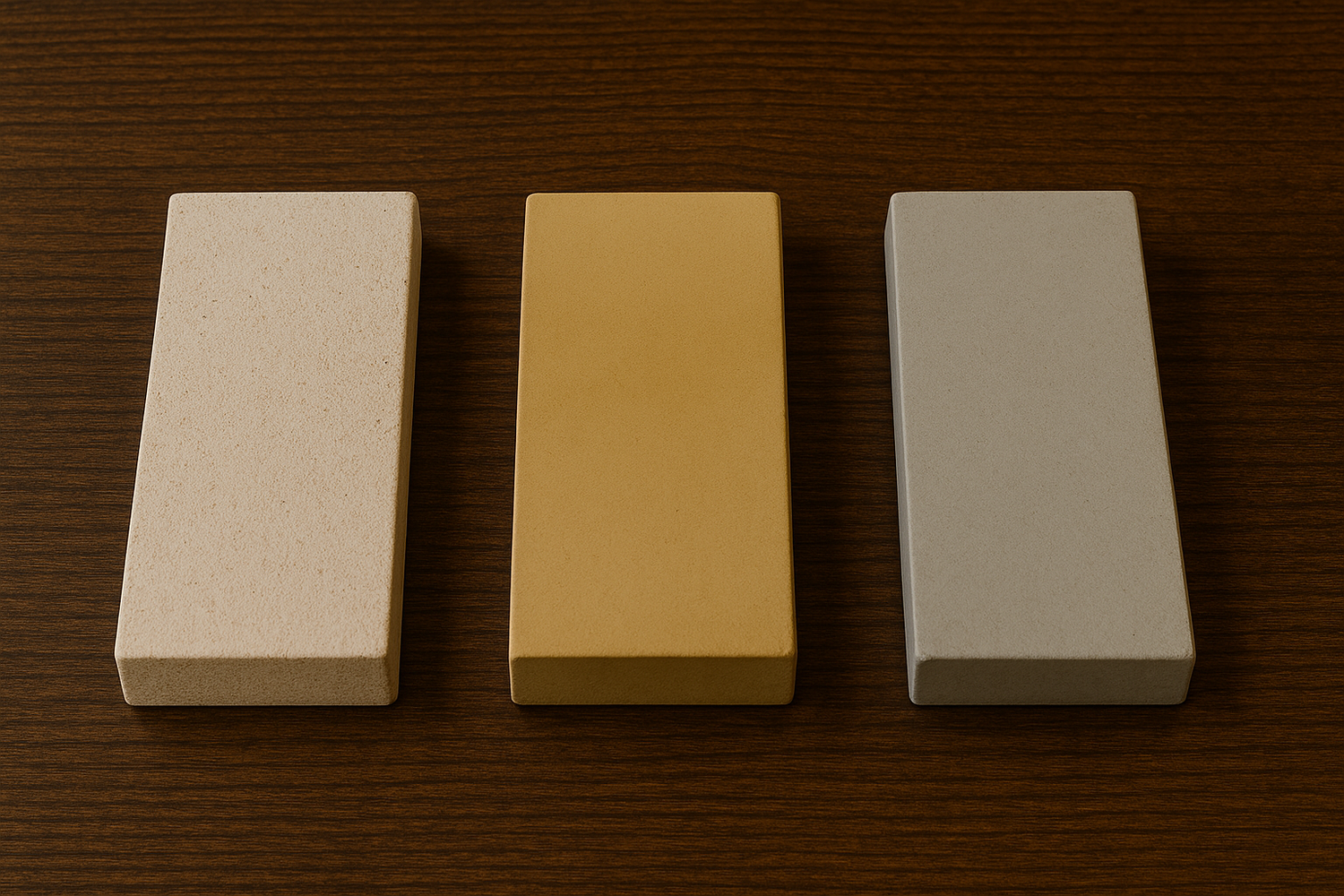
Types of Whetstones
Owning a fine knife means choosing the right whetstone to care for it. From coarse to finishing stones, each plays a role in sharpening and maintenance. Understanding their differences helps you keep your blade at peak performance and know how often to use each one.
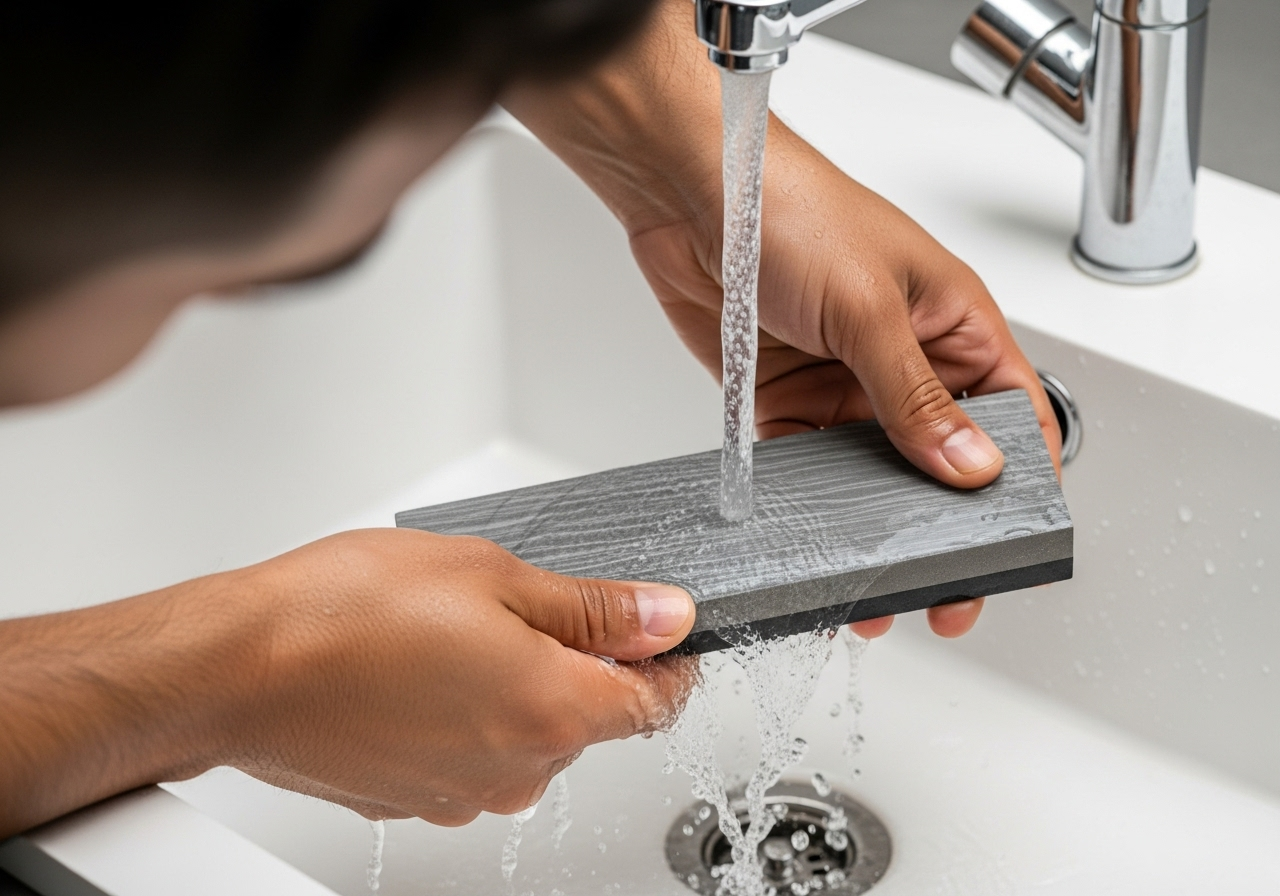
Daily Care of Whetstones
Whetstones need only minimal upkeep, yet issues like warping or denting can affect their performance. With proper care, your stone stays in top condition—ensuring precise, effective sharpening every time.

Sharpening Is Where a Chef Truly Begins
-

1. A Dull Knife Lies to You About Your Talent
Before you question your ability, check your knife.
This sounds almost too simple. But it is one of the most common and most painful mistakes in a young cook's early years. A dull blade doesn't just underperform — it deceives. It makes you compensate with pressure, with awkward angles, with force that belongs nowhere near fine ingredients. Bad habits form quietly, invisibly, until they feel like second nature.
A sharp knife removes this interference. Suddenly, your actual skill has room to surface. Cuts become cleaner. Movements become lighter. What felt like a talent gap was often nothing more than a tool problem.
Sharpening, learned early, is an act of honesty. It strips away a hidden obstacle and shows you — and the knife — what you are actually capable of.
-

3. The Knife You Care For Becomes the Chef You Are
A beginner in a traditional Japanese kitchen is often handed a carbon steel knife.
It seems like a strange gift. Carbon steel rusts if left wet for minutes. It stains. It demands to be dried immediately, oiled carefully, stored with attention. Compared to stainless, it is unforgiving.
But that is precisely the point.
Caring for a difficult tool builds a particular kind of discipline — the kind that doesn't announce itself. You wipe the blade without thinking. You check the edge without being asked. You begin to understand the knife not as an object, but as something that responds to how you treat it.
Japanese knives carry this philosophy in their very shapes. The yanagiba, long and slender, built for the single drawing cut of sashimi. The deba, heavy and thick-spined, made to move through bone without flinching. The usuba, flat and precise, designed for the vegetable work that reveals everything about a cook's patience.
Each shape holds a purpose. But that purpose only becomes legible through sharpening. When you learn to restore an edge, you begin to understand why the edge was made that way. The knife starts to teach you — if you are willing to listen.
-

The Quiet Path to a Sharper Self
There are textures only a truly sharp knife can produce. Cuts so clean the ingredient seems to open rather than separate. Flavors preserved because nothing was crushed, nothing was torn, nothing was lost on the way from board to bowl.
These things cannot be purchased. They cannot be rushed. They live on the other side of a practice that is slow, repetitive, and easy to dismiss — until the day you understand what it was building all along.
Sharpening is not preparation for cooking.
It is cooking. The first act of it. The one that determines everything that follows.
Begin there.


KIREAJI's Three Promises to You
-

1. Forged in the Legacy of Sakai
From Sakai City—Japan’s renowned birthplace of professional kitchen knives—each blade is crafted by master artisans with over six centuries of tradition. Perfectly balanced, enduringly sharp, and exquisitely finished, every cut carries the soul of true craftsmanship.
-

2. Thoughtful Care for Everyday Use
Every knife includes a hand-fitted magnolia saya for safe storage. Upon request, we offer a complimentary Honbazuke final hand sharpening—giving you a precise, ready-to-use edge from day one.
-

3. A Partnership for a Lifetime
A KIREAJI knife is more than a tool—it is a lifelong companion. With our bespoke paid aftercare services, we preserve its edge and beauty, ensuring it remains as precise and dependable as the day it first met your hand.


