

Kido Finishing Knife Collection
-
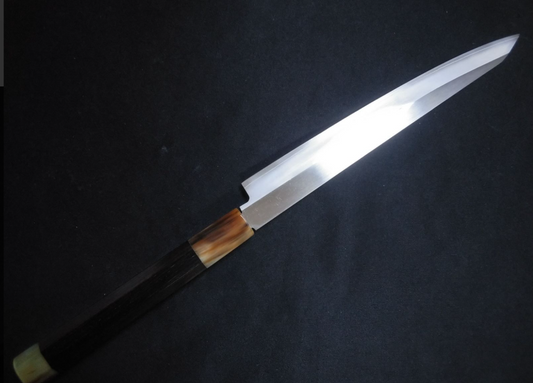
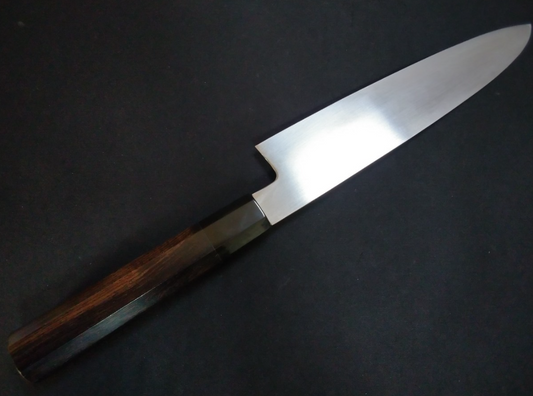
Blue Steel #2 Gyuto 270mm-Kido Finishing
Regular price $420.00 CADRegular priceUnit price per$0.00 CADSale price $420.00 CADSold out -

 Sold out
ZDP189 Petty 210mm-Kido Finishing
Regular price $420.00 CADRegular priceUnit price per$0.00 CADSale price $420.00 CADSold out -
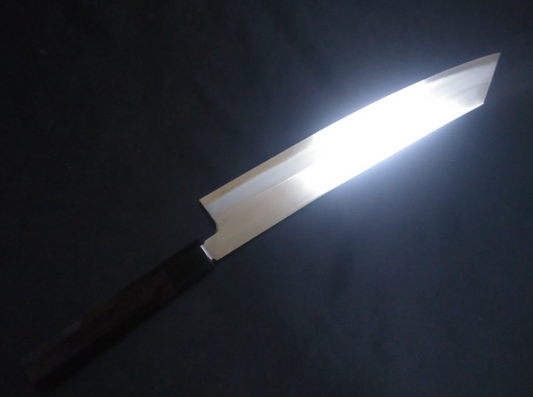
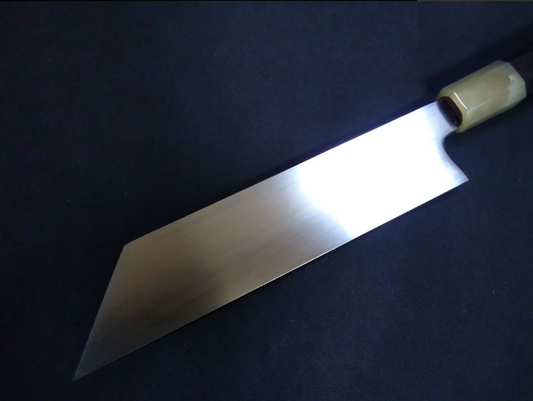
Blue Steel #2 Gyuto (Kiritsuke) 270mm-Kido Finishing
Regular price $420.00 CADRegular priceUnit price per$0.00 CADSale price $420.00 CAD -
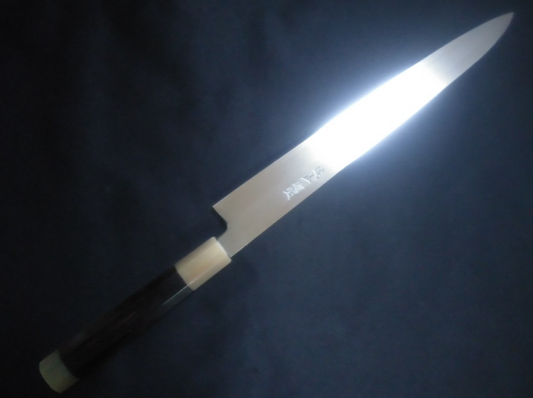
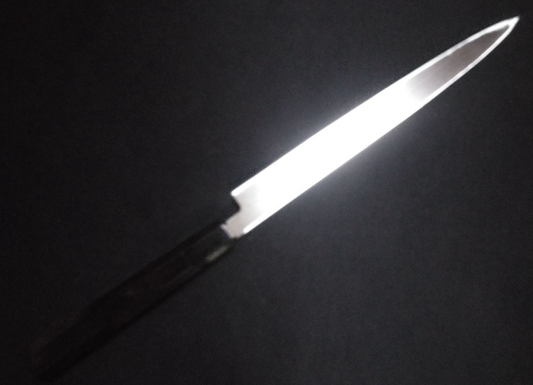
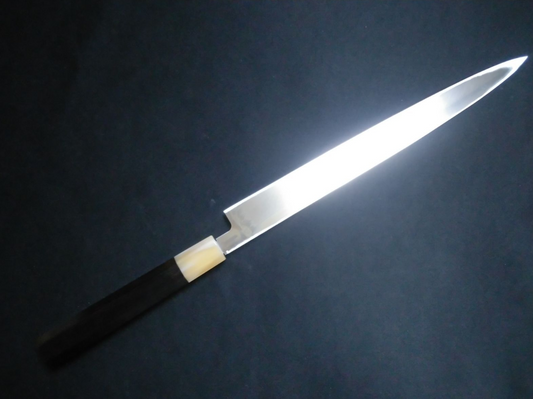
Blue Steel #2 Yanagiba 330mm- Kido Finishing
Regular price $430.00 CADRegular priceUnit price per$0.00 CADSale price $430.00 CAD -
Ginsan Sujihiki 270mm -Kido Finishing
Regular price $440.00 CADRegular priceUnit price per$0.00 CADSale price $440.00 CAD -
Blue Steel #2 Yanagiba 360mm- Kido Finishing
Regular price $450.00 CADRegular priceUnit price per$0.00 CADSale price $450.00 CAD -
Ginsan Gyuto (Kiritsuke) 240mm -Kido Finishing
Regular price $460.00 CADRegular priceUnit price per$0.00 CADSale price $460.00 CADSold out -
Super Steel (Honyaki) Petty 210mm -Kido Finishing
Regular price $470.00 CADRegular priceUnit price per$470.00 CADSale price $470.00 CAD -
Ginsan Yanagiba (Sakimaru) 300mm -Kido Finishing
Regular price $480.00 CADRegular priceUnit price per$0.00 CADSale price $480.00 CADSold out -
Super Steel (Honyaki) Yanagiba (Kiritsuke) -Ultra thin- 240mm -Kido Finishing
Regular price $530.00 CADRegular priceUnit price per$0.00 CADSale price $530.00 CADSold out -
Super Steel (Honyaki) Root Vegetable Nakiri 180mm -Kido Finishing
Regular price $580.00 CADRegular priceUnit price per -
Super Steel (Honyaki) Gyuto 210mm-Kido Finishing
Regular price $580.00 CADRegular priceUnit price per$0.00 CADSale price $580.00 CADSold out -
Super Steel (Honyaki) Yanagiba 270mm-Kido Finishing
Regular price $610.00 CADRegular priceUnit price per$0.00 CADSale price $610.00 CADSold out -
Super Steel (Honyaki) Gyuto 240mm-Kido Finishing
Regular price $630.00 CADRegular priceUnit price per$0.00 CADSale price $630.00 CAD -
Super Steel (Honyaki) Yanagiba 300mm-Kido Finishing
Regular price $640.00 CADRegular priceUnit price per$0.00 CADSale price $640.00 CADSold out -
White Steel #2 (Honyaki-Mizuyaki) Mukimono 180mm-Kido Finishing
Regular price $850.00 CADRegular priceUnit price per$380.00 CADSale price $850.00 CADSold out
















The KIREAJI Difference
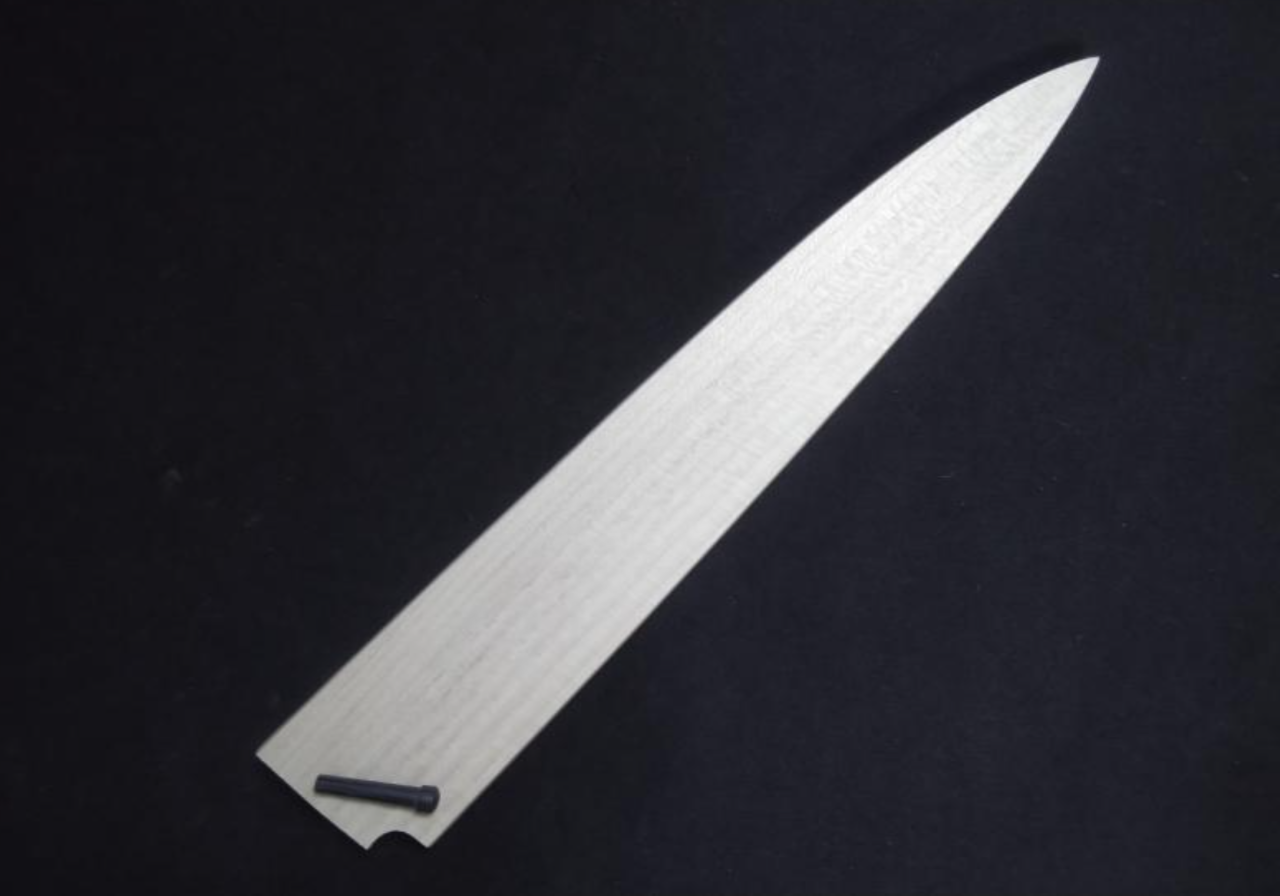
KIREAJI Complimentary Services
Every knife includes a magnolia wood saya, carefully selected and fitted to provide safe storage and protection. Upon request, we also provide complimentary Honbazuke, a practical initial hand-sharpening intended to prepare the knife for first use while allowing the owner to further refine the edge over time according to their own preferences.
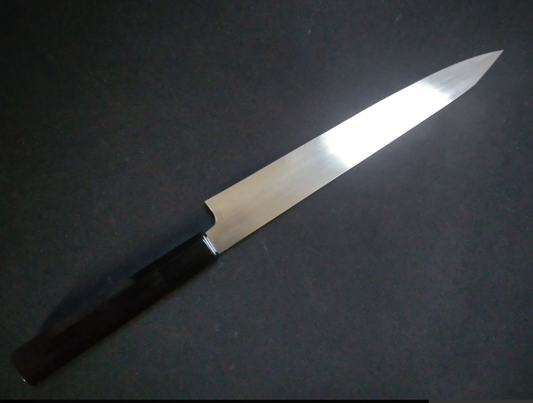
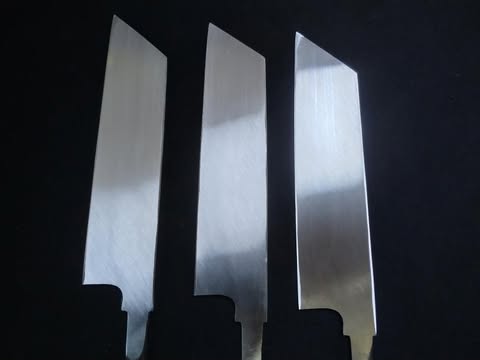
Why Many Product Photos Show Only the Blade
At KIREAJI, every knife is made to order in Sakai, Japan. Photos show the blade before the handle is attached, allowing artisans to perfect the balance and edge for your specific order. Your knife arrives fully finished — tailored just for you.

Global Delivery from Sakai
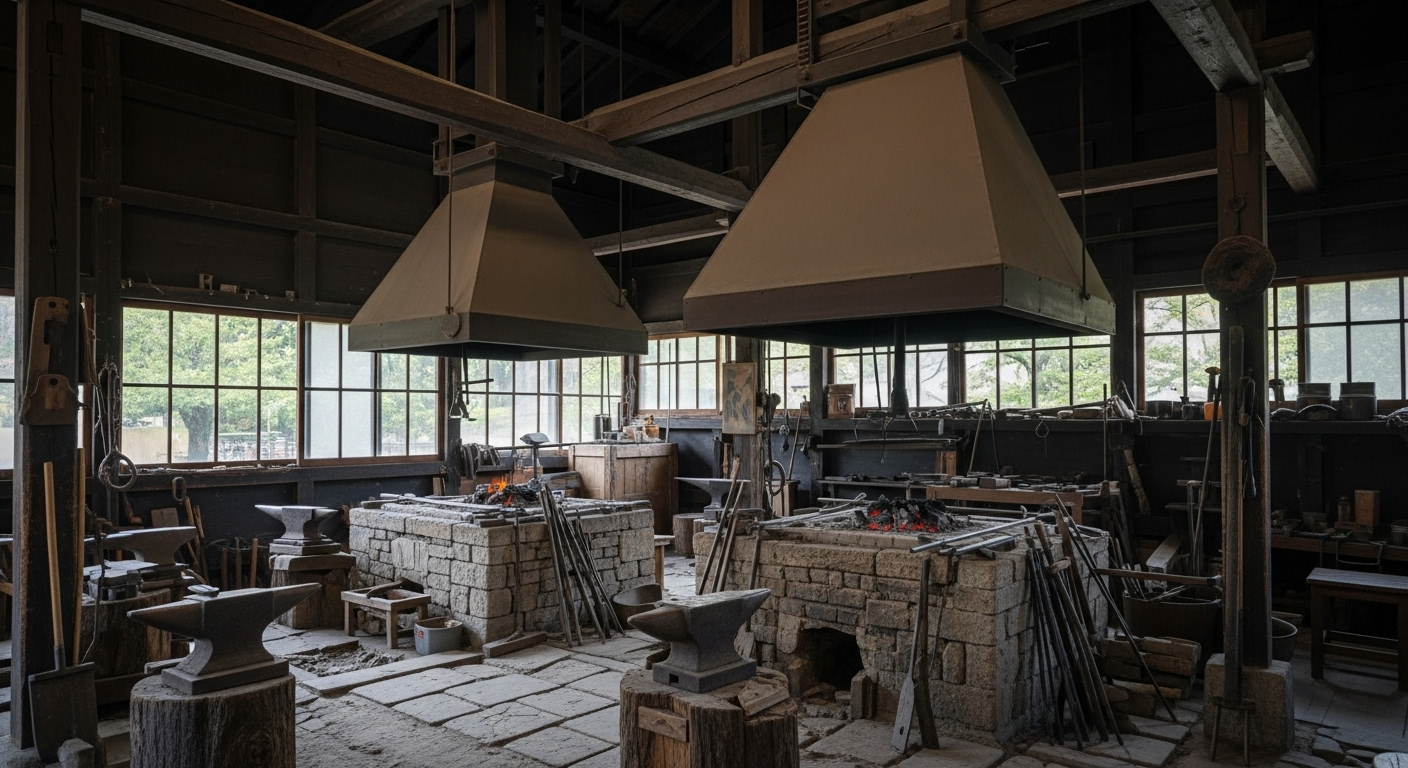
Across the world, discerning cooks seek authentic Japanese knives from Sakai — Japan’s legendary knife-making city with over 600 years of tradition.
At KIREAJI, we work alongside master artisans in Sakai to fulfill that desire, shipping genuine handcrafted knives directly from the workshop to kitchens worldwide.
-

3. A Beauty Rooted in Local Aesthetics
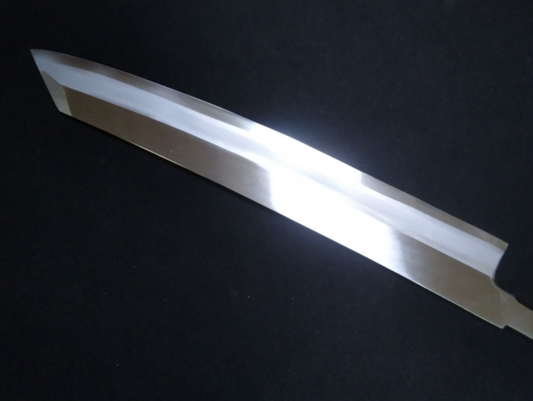
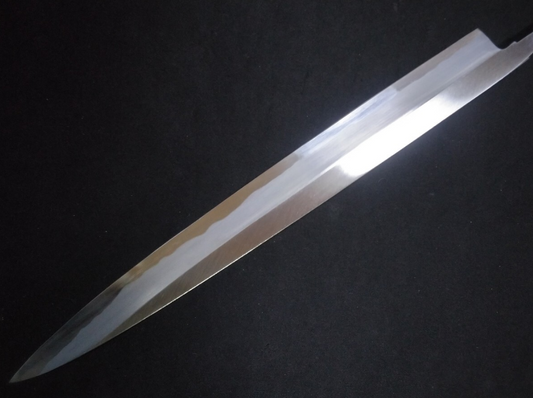
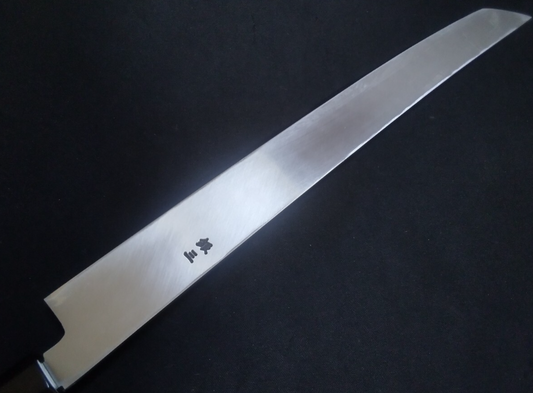
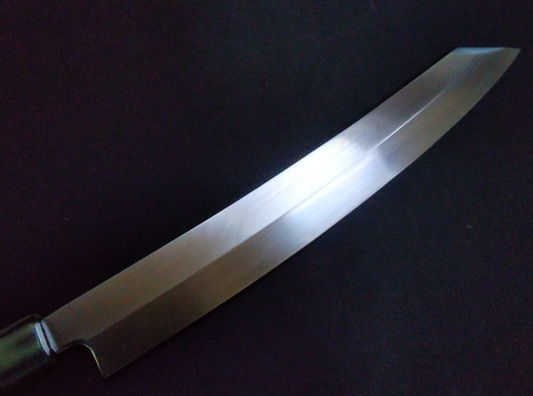
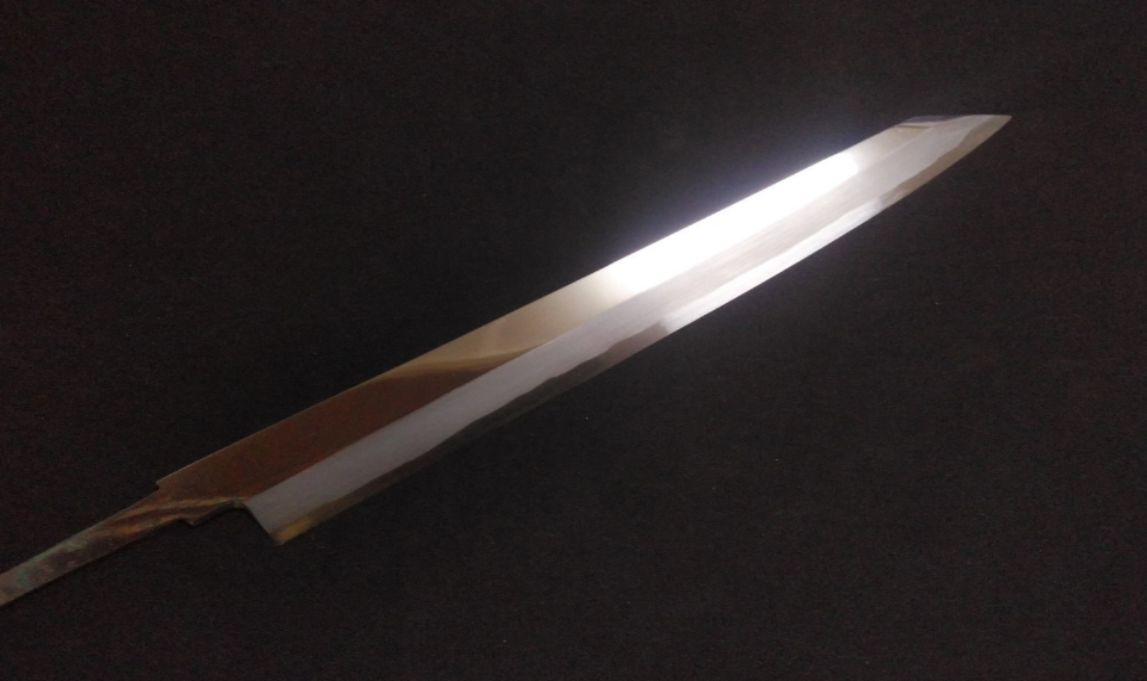
Kido Finishing produces a subdued, refined luster that many people associate with the understated elegance of Sakai knives. Different knife-making regions and workshops in Japan have developed their own characteristic approaches to blade finishing, including mirror, kasumi, hairline, and other surface treatments.
Kido can therefore be understood as one distinctive expression within Sakai’s broader finishing tradition, rather than as evidence that other regions simply prefer different levels of shine.

Kido Finishing: The Quiet Brilliance Found Only in Sakai
-

Kido finishing embodies Sakai’s deepest traditions—a soft, elegant sheen that cannot be rushed, replicated, or mass-produced. It is the product of generational mastery, a system in which each specialist focuses solely on one irreplaceable step, and a regional aesthetic that values subtle beauty over showiness. This finish represents the soul of Sakai craftsmanship: refined, quiet, and extraordinarily difficult to perfect.

Kido Finishing — Subtle Elegance and Refined Craftsmanship
-

The Practical Advantages
Kido Finishing is more than appearance—it has direct benefits for performance and daily use:
- Subtle Appearance – Its understated surface can make minor marks such as fingerprints and fine scratches less visually prominent than on a highly reflective mirror finish.
- Refined Surface Character – Kido creates a carefully finished surface with a distinctive tactile and visual character. Any effect on drag or food release will also depend on blade geometry, surface condition, the ingredient, and cutting technique.
- Closely Associated with Sakai Craftsmanship – Kido is used as part of the finishing process in Sakai and reflects the specialized skill involved in traditional blade finishing.
- Subtle Appearance – Its understated surface can make minor marks such as fingerprints and fine scratches less visually prominent than on a highly reflective mirror finish.


Q1. What is Kido Finishing?
Kido Finishing is a traditional hand-polishing technique developed and perfected in Sakai, Japan, a city renowned for centuries of fine blade craftsmanship. This method produces a subtle, refined luster on the blade—more understated than a mirror finish, yet more elegant and sophisticated than a kasumi (frosted) finish. It embodies quiet confidence, meticulous craftsmanship, and the Japanese appreciation for understated beauty.
Q2. Why does Kido Finishing increase the value of a knife?
Kido Finishing requires exceptional skill, patience, and time. Each blade is hand-polished by master artisans who dedicate years to mastering the technique. Its value lies not only in the hours of labor but also in the heritage, precision, and devotion that go into each piece. For those who appreciate subtle elegance and true craftsmanship, a Kido-finished knife represents lasting value beyond its price.
Q3. Why is Kido Finishing unique to Sakai?
Kido Finishing has been preserved in Sakai thanks to its unique system of division of labor, where each craftsman specializes in a single stage of knife-making. Outside Sakai, very few artisans have the training or cultural knowledge to carry out this finish. It is the product of generations of expertise and a cultural commitment to quiet, refined beauty—a hallmark of Sakai’s legacy.
Q4. Is a Kido-finished knife difficult to maintain?
Not at all. One of the practical advantages of Kido Finishing is ease of care. Unlike mirror-polished blades, it resists visible fingerprints, water spots, and minor scratches, making it ideal for everyday use by both professionals and home cooks. It allows you to enjoy refined beauty without constant upkeep.
Q5. Does Kido Finishing affect cutting performance?
Yes, though subtly. While the sharpness comes primarily from the edge itself, the smooth, refined finish reduces drag as the blade passes through ingredients. This means slices are cleaner, textures are better preserved, and food presentation remains elegant—qualities especially appreciated in Japanese cuisine.
Q6. Why is Kido Finishing rare and highly valued today?
Because very few artisans still practice it. As the number of traditional craftsmen declines, Kido Finishing has become increasingly rare. Each knife finished this way is not only a functional tool but also a cultural artifact, representing the spirit of Sakai craftsmanship. Owning such a piece means holding a fragment of Japanese tradition that is fading but deeply treasured.

The Final Touch: Kido Finishing
In Sakai, a knife’s true character is revealed in its final stage—Kido finishing. This centuries-old tradition transforms forged steel into a masterpiece, where precision, beauty, and trust come together in the hands of artisans.
