• MAY 17, 2023

  • In every kitchen, sharp knives are essential. But Japanese knives are renowned for taking sharpness to another level—enabling paper-thin sashimi slices and flawless vegetable cuts. What makes them so unique? The answer lies in a combination of blade geometry, traditional craftsmanship, and cultural philosophy.

  • 1. The Role of the Cutting Edge

    The cutting edge is the first point of contact with food.

    • Acute Angle: Japanese knives are sharpened to a finer angle than many Western knives, allowing them to slice rather than crush.
    • Single-Bevel Design: Many traditional Japanese knives are sharpened on one side, enabling razor-like sharpness and more controlled, precise cuts.

    This results in a clean separation of fibers, preserving both texture and flavor.

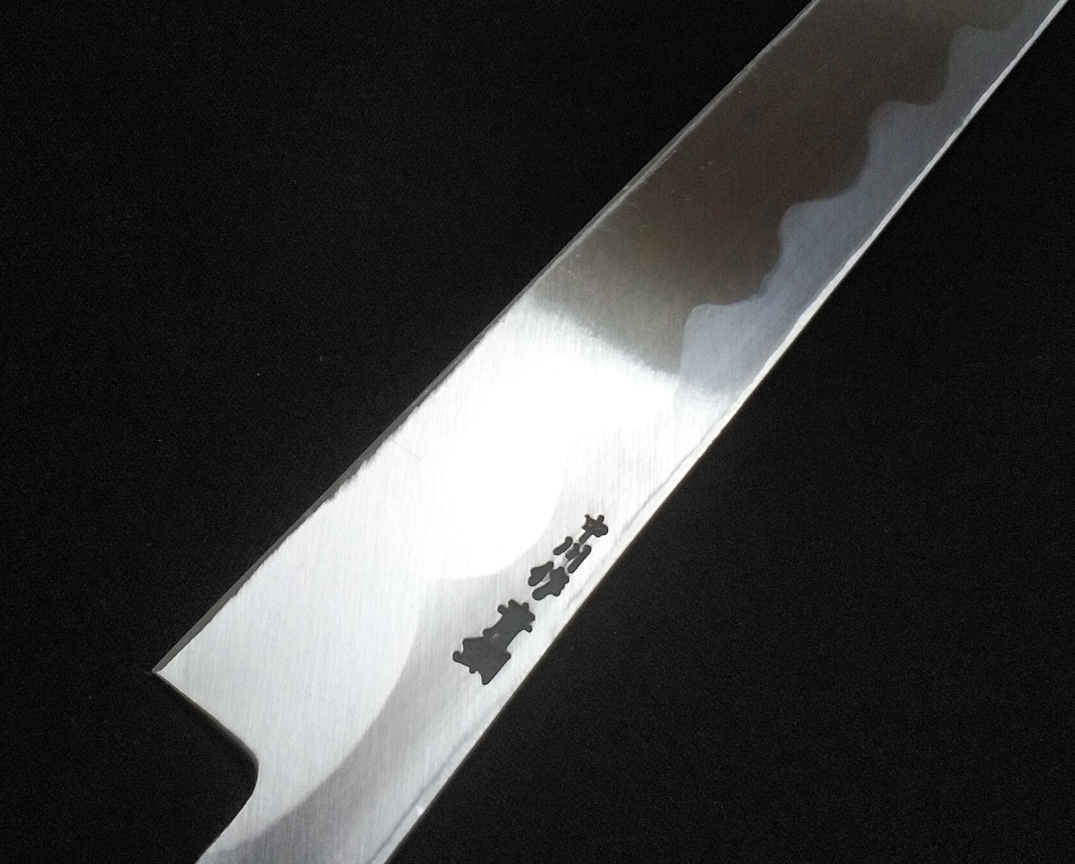
  • Super-Steel-Honyaki-Yanagiba-Japanese-sword-shaped-240mm-Mirror-Polished-one-side

  • 2. The Blade’s Contribution

    Sharpness alone is not enough. The blade as a whole is designed for efficiency.

    • Cross-Sectional Geometry: A balanced taper maintains sharpness while providing strength.
    • Urasuki (Hollow Back): The subtle concave on the back of single-bevel knives reduces friction and prevents food from sticking.
    • Surface Finish: From mirror polish to misty kasumi, the surface treatment further reduces resistance and enhances food release.

    Together, these features ensure the knife glides through ingredients with minimal effort.

  • 3. Technique: More Than Downward Force

    Japanese culinary culture values the pulling cut. Rather than pressing straight down, chefs pull the knife toward themselves in a single, smooth motion. This technique, combined with a razor-sharp blade, prevents tearing and preserves the beauty of delicate ingredients such as sashimi.

  • Conclusion: Sharpness as a Reflection of Culture

    A Japanese knife is not just sharp because of steel and angles—it is sharp because it reflects centuries of craftsmanship and a cultural respect for ingredients.

    When you hold a Japanese knife, you’re holding more than a tool. You’re holding a philosophy: to treat food with precision, respect, and artistry. That is the true essence of sharpness.

  • Hardness Isn’t Everything: Finding the Sweet Spot for Real-World Knife Performance

    True performance comes from balance, not maximum hardness.
    The ideal knife combines the right hardness, blade geometry, and edge angle—
    all matched to the way you actually cook and maintain your tools.

urasuki

Parts of a Japanese Knife

We aim to introduce our customers to the parts and names of knives so that they can wield knives effectively, enjoy cooking more, and contribute to improving their culinary skills.

Parts of a Japanese Knife

Japanese Knife Structure

We hope that by understanding the structure of Japanese knives, our customers will develop a deeper appreciation for them and enjoy cooking even more. As their knowledge of knife structure grows, they will better understand how to choose and use their knives—making everyday cooking more rewarding.
Japanese Knife Structure
  • The Aesthetics of Fate in a Blade

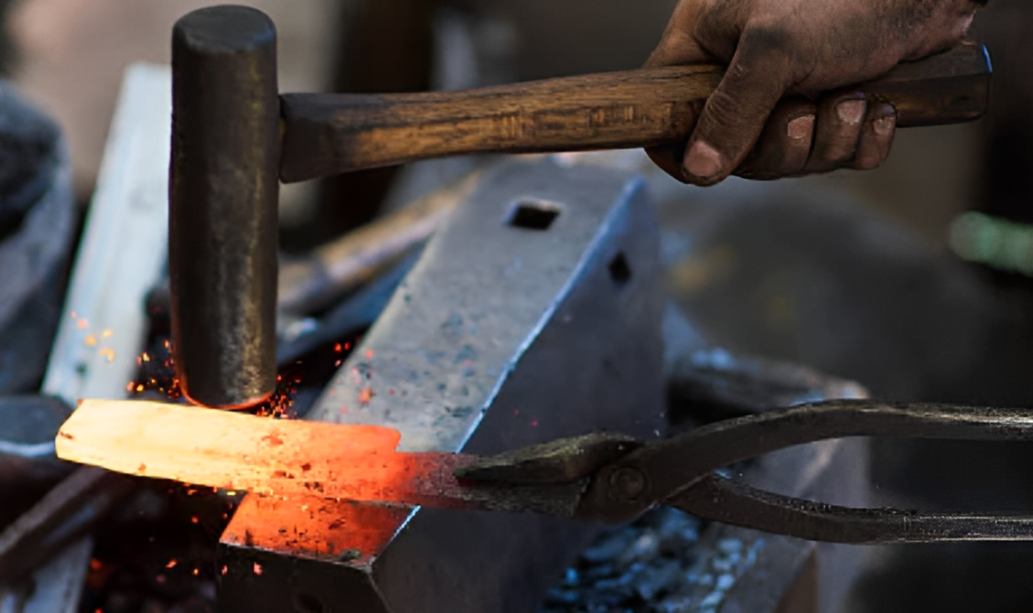
    Every time I forge a Japanese knife, I feel the quiet presence of fate. When the steel glows red in the fire and then meets the icy touch of water, it reveals its true nature. It is as if the steel whispers, “This is how I wish to be.”

  • As a craftsman, my role is not to impose my will, but to listen to the voice of the steel and guide its nature into form. At times, the steel may break or crack—but that too is fate. To force the material is to betray its essence. My duty is to work in harmony with it, doing my utmost in every fleeting moment.

  • The brilliance of a blade reflects more than skill alone. It carries the forces of nature, the mastery of the craft, and above all, the humility to accept fate as part of creation. This philosophy is what elevates a Japanese knife beyond being just a tool—it becomes a work of art, imbued with purpose.

  • And once the blade finds its way into the hands of the user, it begins a new journey, carving out yet another destiny. In this, every knife is unique—a true expression of ichi-go ichi-e, the beauty of a once-in-a-lifetime encounter.

  • japanese_knife_made_in_Sakai

    1. Forged in the Legacy of Sakai

    From Sakai City—Japan’s renowned birthplace of professional kitchen knives—each blade is crafted by master artisans with over six centuries of tradition. Perfectly balanced, enduringly sharp, and exquisitely finished, every cut carries the soul of true craftsmanship.

  • 2. Thoughtful Care for Everyday Use

    Every knife includes a hand-fitted magnolia saya for safe storage. Upon request, we offer a complimentary Honbazuke final hand sharpening—giving you a precise, ready-to-use edge from day one.

  • 3. A Partnership for a Lifetime

    A KIREAJI knife is more than a tool—it is a lifelong companion. With our bespoke paid aftercare services, we preserve its edge and beauty, ensuring it remains as precise and dependable as the day it first met your hand.