Choosing to Inherit the Craft: A Story of Two Brothers Breathing Life into Sakai Blades
-
September 5, 2025
-
“This path isn’t just about technique—it’s a way of life.”
These are the words of two young brothers working as blacksmiths in Sakai, Japan. Following in their father's footsteps, their choice to take up the family craft was not just about continuing a tradition. It was about embracing a way of living that holds meaning, pride, and purpose.
-
A Silent Crisis in the City of Blades
Sakai City has been one of Japan’s most revered centers of blade-making for over 600 years, known for producing kitchen knives and swords with unmatched craftsmanship. Even today, chefs around the world rely on Sakai blades for their precision and beauty.
Yet behind this legacy lies a quiet crisis. Workshops are filled with metal dust, smoke, and oil, and mastering the craft demands immense dedication—7 to 10 years for forging, 3 to 4 years for sharpening.
As a result, fewer young people are choosing to enter the field. Many workshops are closing down without successors, putting this rich heritage at risk.
-
Government Support Can Only Go So Far
To tackle the shortage of successors, Sakai City introduced the “Monozukuri Meister System,” offering apprentices up to three years of financial support (up to 50,000 yen per month).
However, challenges remain. The traditional apprenticeship system is strict and hierarchical, and many artisans simply cannot afford to train newcomers due to tight financial margins. Passion alone is not enough to sustain the craft.
-
A Family Story That Sparks Hope
Amid this difficult landscape, one story stands out: the story of A-san and his two sons.
A-san is not only a seasoned blacksmith but also a local judo instructor. His dual role as craftsman and community mentor inspired his children. Watching their father find joy in both perfecting blades and nurturing young minds, the brothers came to understand that this path was not just a job—it was a meaningful way to live.
-
Passing Down More Than Skill
To the brothers, their father was more than a craftsman.
He was a guide to the community, a teacher to children, and a man who poured his soul into every knife he forged. Through him, they learned that this work offered a deeper sense of identity, connection, and responsibility.
What they chose to inherit was not just a technique—it was a philosophy, a way of living with purpose and giving back.
-
For the Craft to Survive, the Meaning Must Evolve
For Sakai’s blade-making traditions to thrive into the next century, it’s not enough to pass on skills alone. The future depends on fostering stories, community ties, and emotional connection.
Like A-san, who reached beyond the workshop through judo, artisans must now also be mentors, educators, and storytellers. It’s time to rethink how craftsmanship is taught—not just through labor and repetition, but through meaningful engagement with the world around it.
Why Do 98% of Japan’s Chefs Trust Sakai Knives?
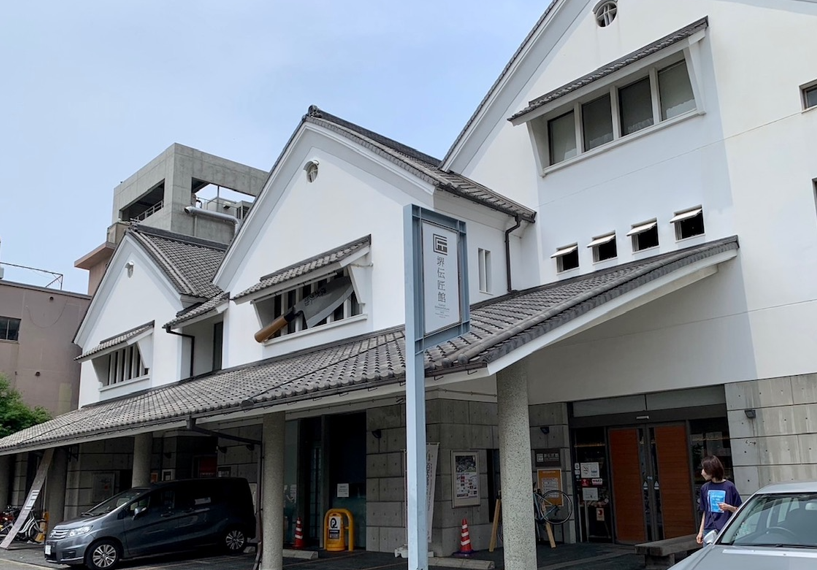
For over 600 years, Sakai has perfected a unique craft where each stage—forge, sharpen, finish—is mastered by specialists. This tradition makes Sakai the birthplace of Japan’s most trusted knives.
The 98% Statistic: More Than a Number
According to the Sakai Tourism Bureau, “98% of Japanese chefs use Sakai knives.” This figure isn’t just a claim—it reflects the deep trust chefs place in Sakai’s centuries-old craftsmanship.
The Master Craftsmen of Sakai Uchihamono
In Sakai, centuries-old techniques are carried forward by government-certified Traditional Craftsmen. Each knife is not just a tool but a living symbol of tradition, precision, and spirit—kept alive through their hands.
Sakai Uchihamono: 600 Years of Sharpness and Mastery
From forging to sharpening to handle making, every step in Sakai Uchihamono reflects a tradition perfected over six centuries—crafting blades renowned for their ultimate sharpness and artistry.
Sakai’s Dwindling Masters: A Legacy at Risk
Once the heart of Japan’s finest cutlery, Sakai now has only a handful of blacksmiths left. With rising competition and fading interest among the young, new markets and fresh apprentices are vital to survival. Supporting these craftsmen means safeguarding a 600-year cultural legacy.
The Soul of Craftsmanship
-
Sharpness in Form — The Beauty and Function of the Tapered Blade
A knife isn’t just a piece of steel with an edge. What we craftsmen have studied with our eyes and hands over the years is the functional beauty hidden in form. And nothing represents that better than the tapered structure.
-
Tapering refers to the gradual thinning of the blade—from heel to tip, and from spine to edge. Thanks to this design, the blade enters food effortlessly and releases it just as smoothly. It turns the simple act of cutting into a continuous, fluid motion.
-
From a craftsman’s perspective, getting the taper right demands extreme precision. Too thick, and it won’t glide. Too thin, and it loses strength. That fine balance—often measured in microns—is born from years of experience and intimate dialogue with the material. It’s here that the essence of traditional craftsmanship resides.
-
Interestingly, this tapered structure echoes the construction of ancient Japanese swords. Those blades had to be razor-sharp yet unbreakable. While knives and swords served different roles—one in war, the other in the kitchen—the performance demands were strikingly similar. That’s why I say Japanese kitchen knives aren’t just tools. They are the culmination of centuries of refined skill.
-
Young chefs who visit my workshop often remark, “This knife is so beautiful.” And I always respond, “Beauty is proof of proper function.” It’s sharp because it’s beautiful, and beautiful because it’s sharp. That is the real power of tapering.
-
Next time you pick up a Japanese knife, take a moment to look at the subtle flow from spine to edge. That gentle slope carries not just geometry, but the maker’s intent and care for the user.
A good tool speaks for itself. Touch it, and you’ll understand. Use it, and you’ll never forget.
Experience the sharpness trusted by 98% of Japan’s top chefs — handcrafted in Sakai City.
Through our exclusive partnership with Shiroyama Knife Workshop, we deliver exceptional Sakai knives worldwide. Each knife comes with free Honbazuke sharpening and a hand-crafted magnolia saya, with optional after-sales services for lasting confidence.
KIREAJI's Three Promises to You
-
1. Forged in the Legacy of Sakai
From Sakai City—Japan’s renowned birthplace of professional kitchen knives—each blade is crafted by master artisans with over six centuries of tradition. Perfectly balanced, enduringly sharp, and exquisitely finished, every cut carries the soul of true craftsmanship.
-
2. Thoughtful Care for Everyday Use
Every knife includes a hand-fitted magnolia saya for safe storage. Upon request, we offer a complimentary Honbazuke final hand sharpening—giving you a precise, ready-to-use edge from day one.
-
3. A Partnership for a Lifetime
A KIREAJI knife is more than a tool—it is a lifelong companion. With our bespoke paid aftercare services, we preserve its edge and beauty, ensuring it remains as precise and dependable as the day it first met your hand.